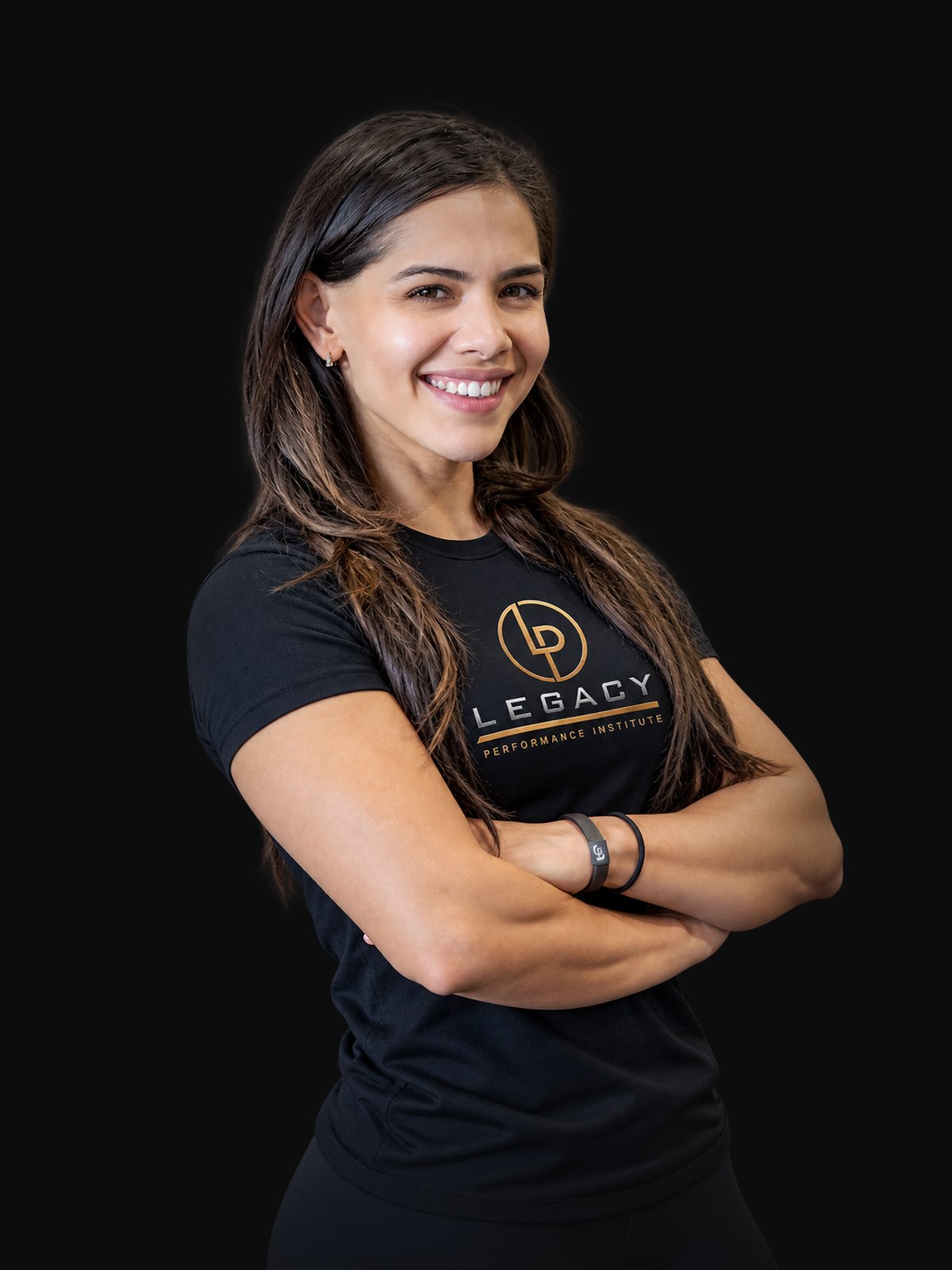
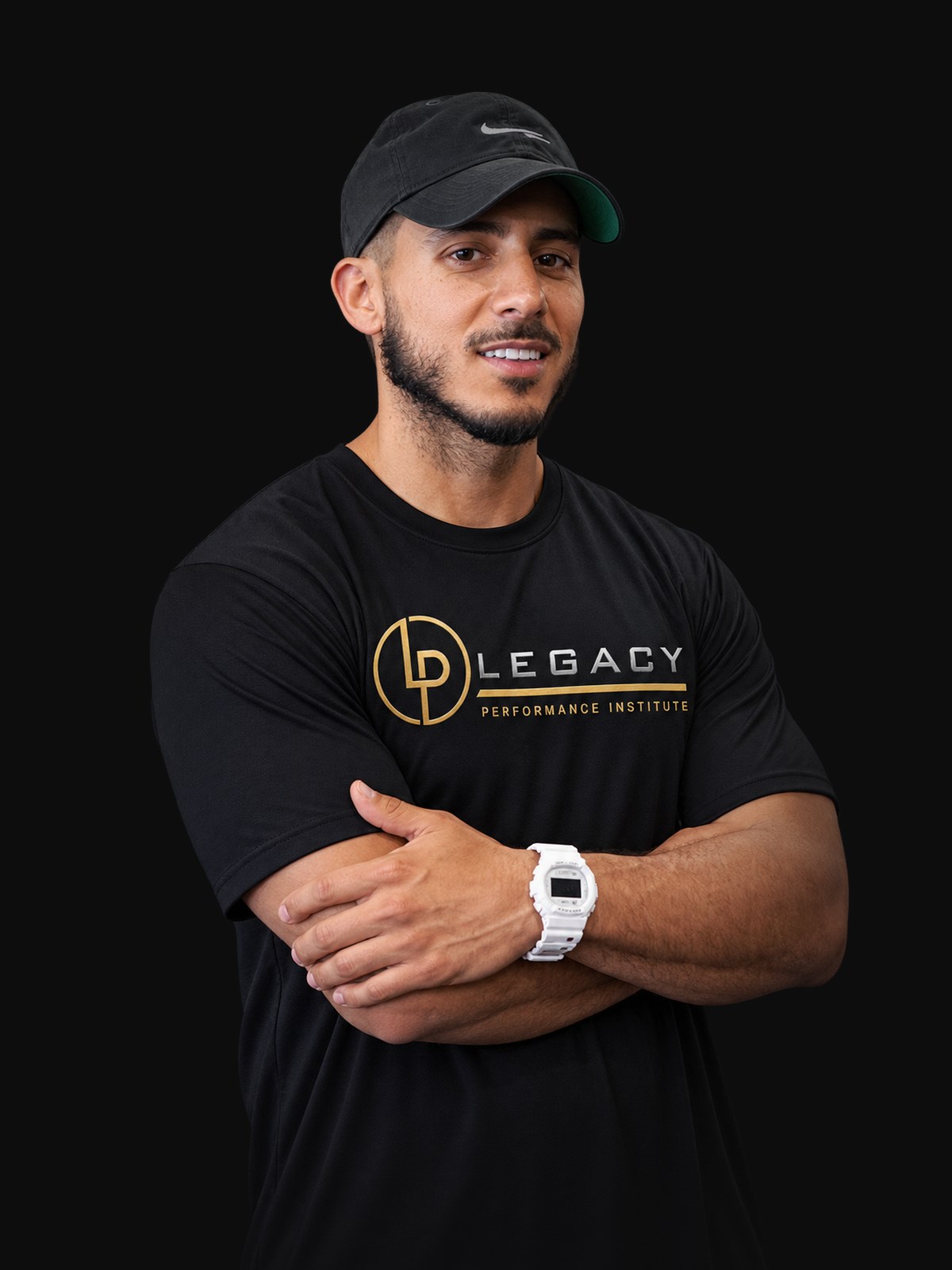
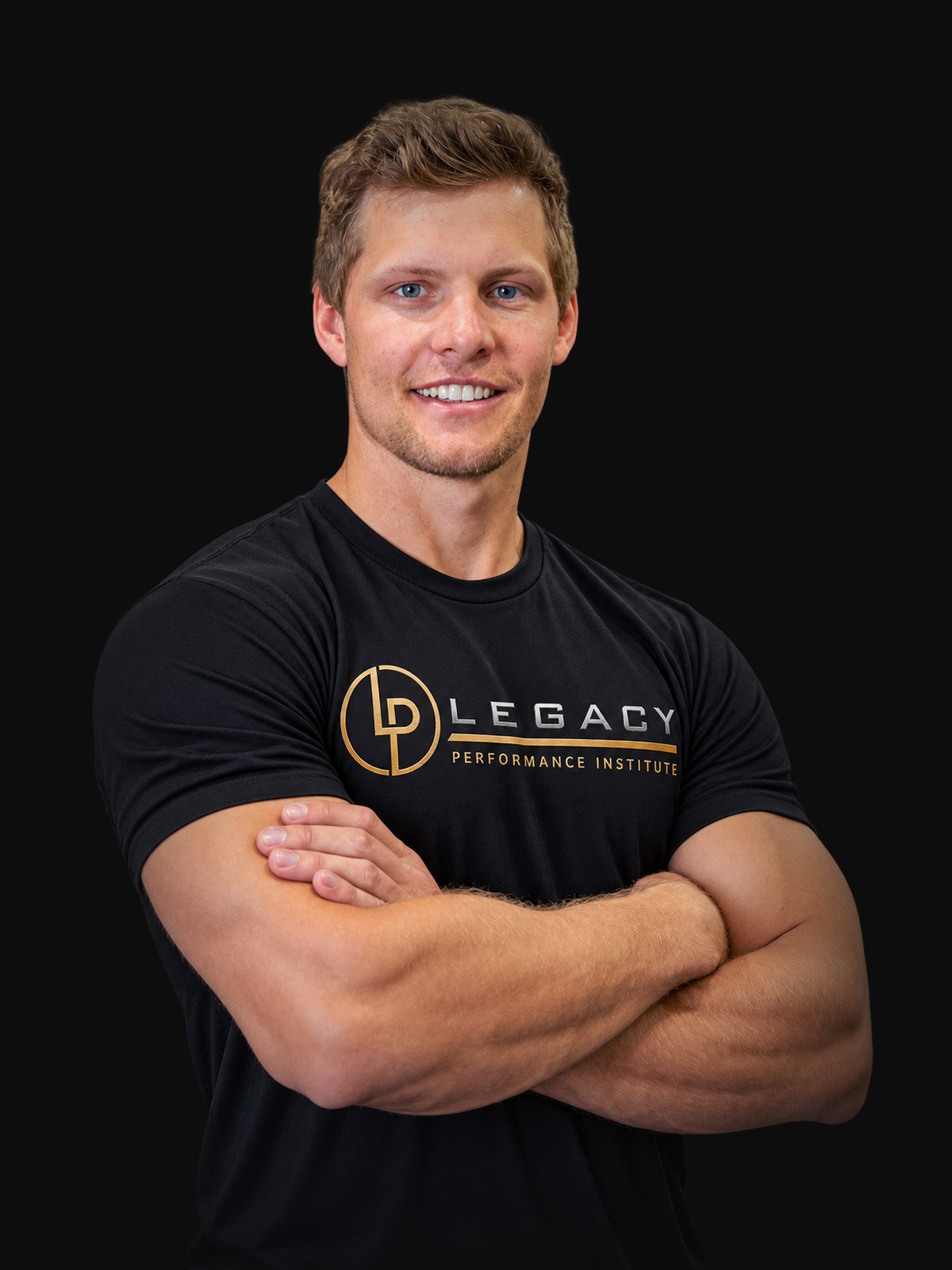
AED Certified means a coach has completed training in using an automated external defibrillator, the portable device that can deliver a shock to restart a normal heart rhythm during sudden cardiac arrest. People look for it when they or a family member have heart risk factors, or simply want a trainer who has practiced the emergency response that most of us hope never to need.
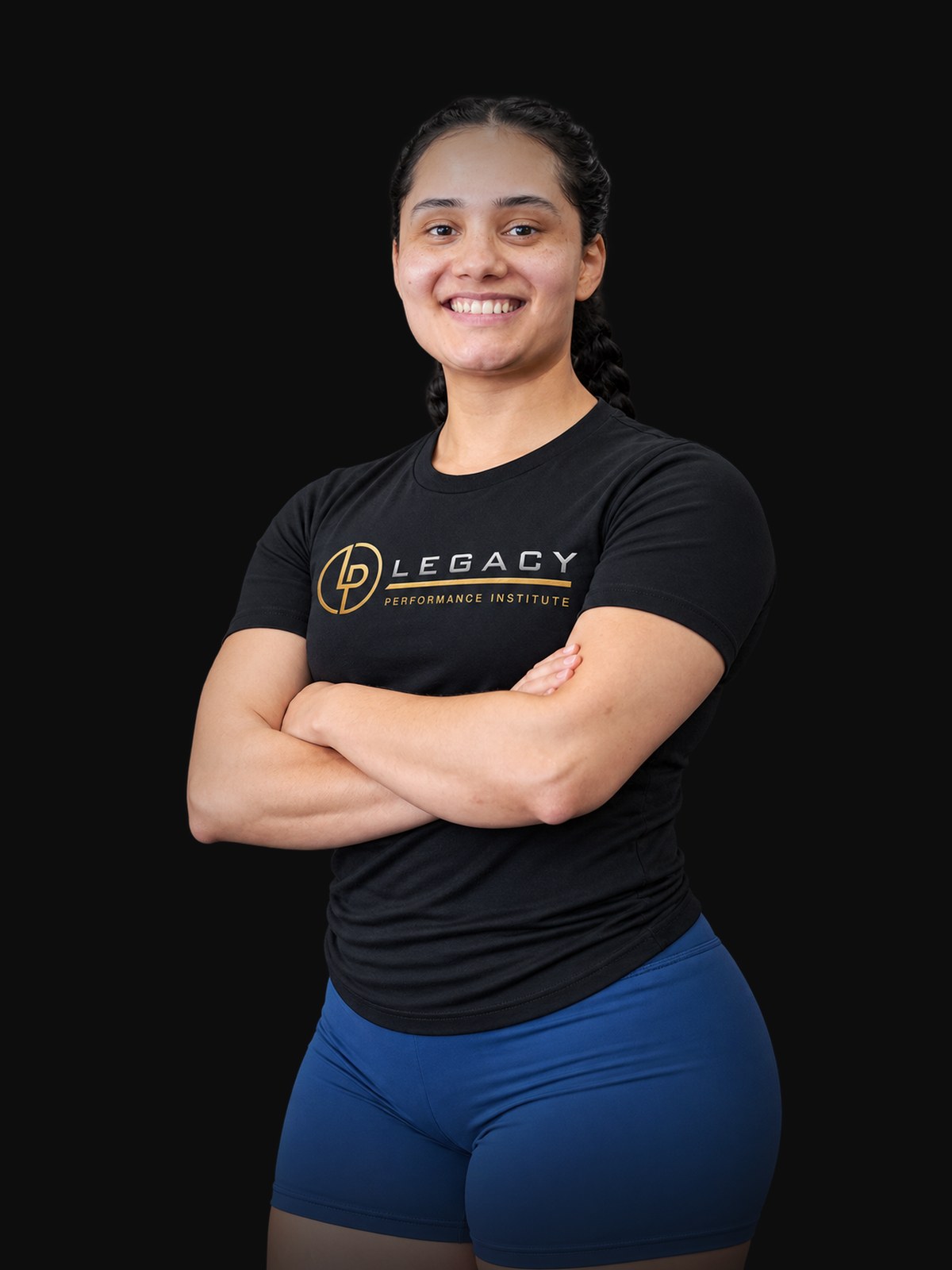
Every coach here names this specialty on their own profile. Open one to read their story, then request a free introduction.
AED training is almost always taught together with CPR. In the United States the most common providers are the American Heart Association and the American Red Cross, along with other organizations that follow similar guidelines. Courses cover recognizing cardiac arrest, calling for help, chest compressions, attaching AED pads and following the device's voice prompts.
Certification cards from these providers typically expire after two years. Skills fade quickly when they are not used, which is why renewal matters more here than for many other credentials.
An AED card tells you a coach has rehearsed a specific emergency procedure on a manikin under an instructor's eye. It says nothing about how they program workouts, how they coach technique, or how well they read fatigue in a client. It is a safety baseline, not a training philosophy.
It is also not medical clearance for you. If you have a heart condition, high blood pressure, a pacemaker, a family history of sudden cardiac events, or you get chest pain, dizziness or unusual breathlessness during exercise, see your physician before starting a program and share their guidance with your coach.
Sudden cardiac arrest during exercise is rare, but intense sessions and older or deconditioned clients raise the stakes a little. A coach who is current on CPR and AED training is more likely to recognize warning signs early and to respond in the first few minutes, which is when it counts.
This applies anywhere you train. If your coach ever programs a run along the Mission Bay path, a set of stairs near Sunset Cliffs or a workout on the sand in Ocean Beach, it is reasonable to ask how they would handle an emergency away from a building.
Bring these to your introduction at Legacy San Diego on Sports Arena Blvd: Which organization certified you, and when does it expire? Did the course include a hands-on skills check? What is your plan if a client collapses mid-session? Have you ever had to use it? A coach who answers plainly and without drama is usually one who has thought it through.
Personal training is one coach, one plan, built around you. It combines assessment, programming, coaching in the room and accountability, so the time you invest goes toward your own goals rather than a generic routine.
Your coach learns your goals, history, schedule and limitations, and screens how you move before writing anything down.
Exercises, loads and session structure are chosen for your body and goal, and they change as you improve.
Your coach teaches technique, adjusts loads in real time and keeps sessions productive, which is the part an app or a video cannot do.
Strength, measurements, consistency and how you feel are tracked so you can see the direction, not just guess at it.
They are usually earned in the same course, but they are distinct skills. CPR keeps blood moving; an AED can correct certain dangerous heart rhythms. Most coaches who list one hold both.
It is not required, but it is a sensible baseline for anyone coaching hard conditioning. Think of it like a seatbelt: low cost, rarely used, important when it is.
No. Get clearance and any exercise limits from your physician or cardiologist first, then share them with your coach so the program respects them.
Apryl Ortega, Camryn Elyse Wemmer, Lauren Aros, Michael Alvarado, Wyatt Wermager. Each one lists aed certified on their own Legacy profile. Open any profile to read their background and request a free introduction.
At Legacy Performance Institute San Diego, 4030B Sports Arena Blvd, San Diego, CA 92110. Hours: Mon–Fri 6:00 AM – 9:00 PM · Sat–Sun 8:00 AM – 6:00 PM · 24/7 for VIP Access members.
Coaching is priced by each coach, typically per session or as a package, and quoted after your free introduction. No membership is required to train with a coach. Coaching is booked directly with the coach you choose.
No. Your coach starts with an assessment and builds the program to your level. Your first consultation and introductory session with a Legacy coach is free, with no obligation.
It depends on your goal, schedule and budget. Many clients work with their coach one to three times a week and train on their own in between. Your coach recommends a frequency after your free introduction.
This is general fitness information, not medical advice. Check with your physician before starting a new exercise or nutrition program, especially if you have a medical condition, an injury, or are pregnant.
Your first consultation and introductory session with a Legacy coach is free, with no obligation. Tell us about your goals and we will match you with the right coach.