
Beach Workouts vs the Gym: What Actually Builds Strength
San Diego makes it tempting to skip the gym entirely — the beach is right there. Beach workouts are genuinely valuable, but if your goal is real strength, you need to understand what they…
Surfing, paddling and ocean swimming ask a lot from shoulders, hips and lower backs, and time in the water alone does not balance that load. A personal trainer at Legacy Performance Institute San Diego, 4030B Sports Arena Blvd, builds the strength and mobility that keep you out there longer. Your first session is free and no membership is needed.
Ocean Beach organizes itself around the ocean. Mornings begin with someone checking conditions, the pier is a landmark you can see from the sand, and plenty of people plan the week by tide and swell rather than by weekday.
That is a healthy way to live, and it shapes what a good training plan looks like. A coach who understands it will not hand you a rigid five-day split that collides with the one good swell window of the week. The plan bends around the water, not the other way around.
The goal is straightforward. Get stronger, move better, and stay healthy enough to paddle out for years.
Wetsuits, cold water and long sessions add their own wear. Shoulders feel the paddle, necks feel the constant lift of the head, and knees take the repeated drop into the stance. None of that is a reason to cut back on the water. It is a reason to put deliberate strength work on dry days, so the water stays enjoyable instead of becoming a source of nagging aches.
Paddling is repeated overhead and forward-reaching work. Surfers, outrigger paddlers and stand-up paddlers all lean heavily on the front of the shoulder and the upper back, and the muscles that pull the shoulder blades back and down tend to get less attention.
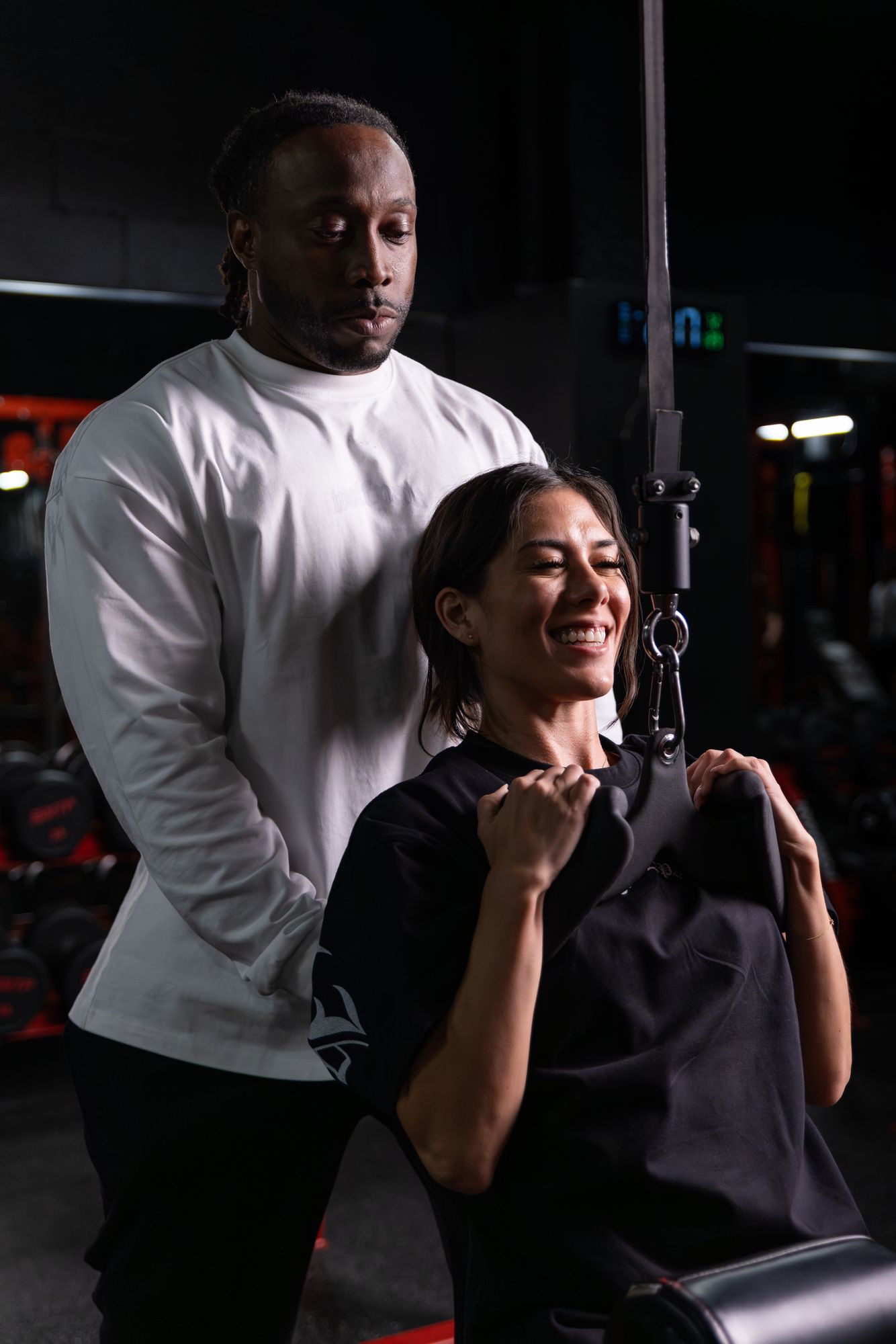
Rows, pull-downs, face pulls and carefully loaded pressing balance the shoulder so it keeps working well under repeated use. Core training that resists rotation matters too, since paddle power comes from the trunk, not only the arms.
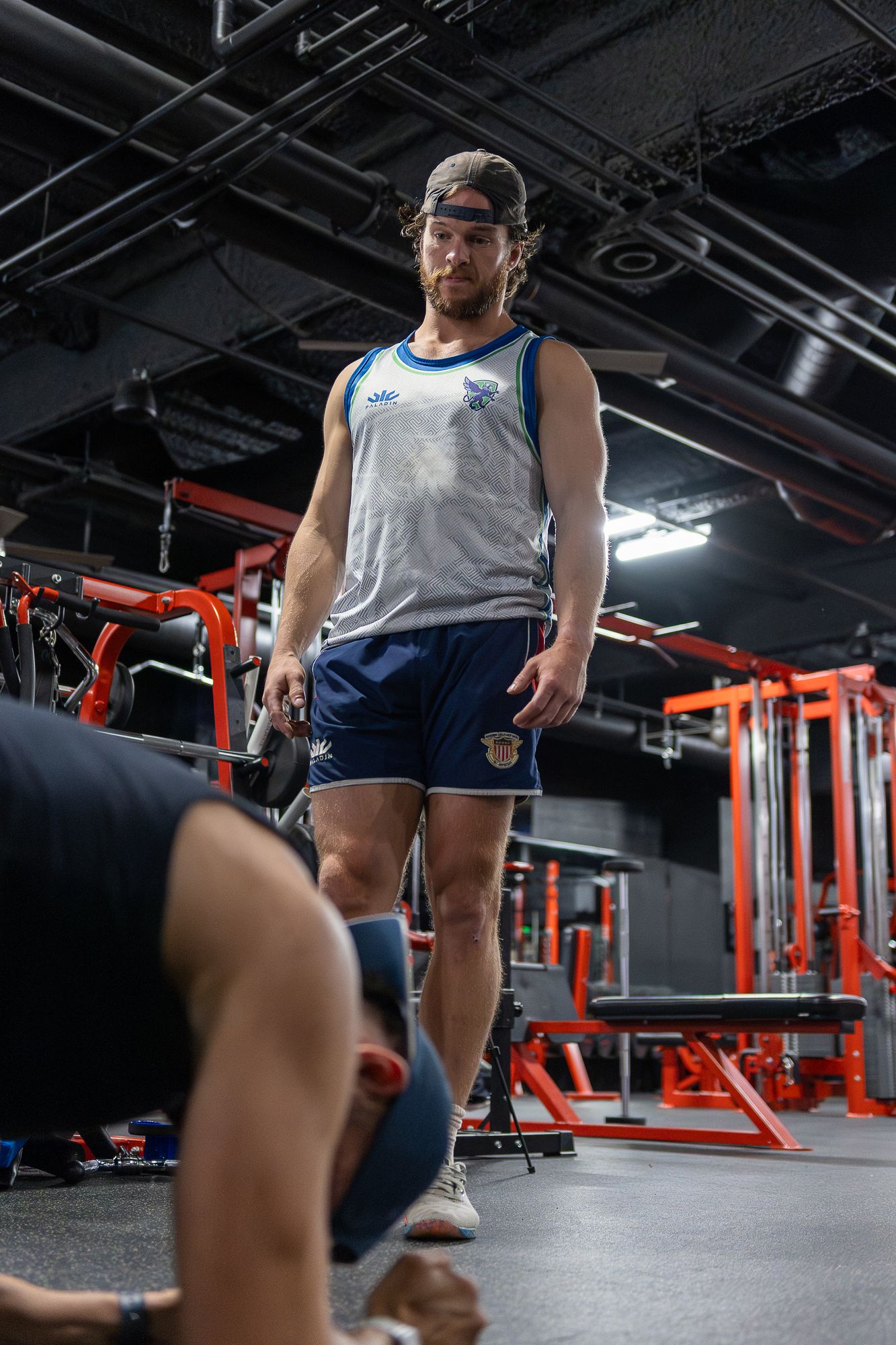
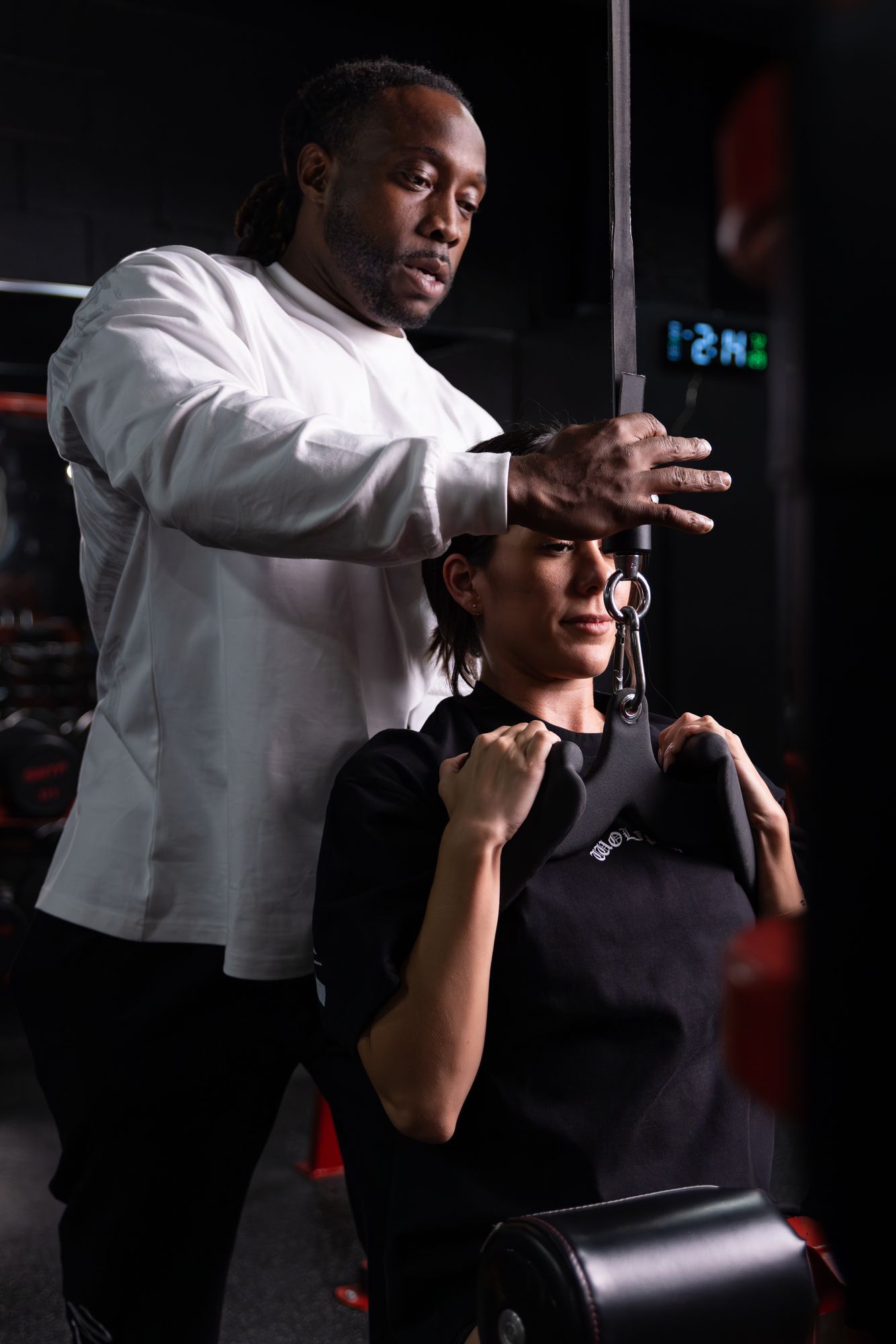
A Legacy coach can look at how you move before programming any of this, and adjust if one shoulder is tighter or weaker than the other.
Swimmers and bodysurfers get a parallel benefit. Pulling strength through the lats and a stable midsection make each stroke carry further for the same effort, and good shoulder blade control reduces the grind that builds up over thousands of repetitions.
The pop-up asks for a fast push from lying down to a low, wide stance. Riding the wave then demands ankle, knee and hip mobility and the leg strength to absorb changes of direction. Stiff hips and a weak midsection push the work into the lower back, which is why back tightness is such a common complaint among surfers.
Training can address it directly. Hip mobility work, split squats, single-leg exercises and bracing drills improve the base you pop up from and ride on. These are general fitness principles, not a treatment. If you have ongoing back pain, see a physician before you start and tell your coach what they advise.
Rotational power matters here as well. Cable chops, medicine-ball throws and anti-rotation holds teach the trunk to transfer force from the legs through the torso into the arms, which is the chain a turn depends on.
Every surfer knows the stretch of weeks when nothing is breaking. Those days are a gift for training. Without the fatigue of two hours in the water, you can lift heavier, work on weak points and rebuild the base that a busy season wears down.
A coach can plan blocks around this rhythm: heavier strength work during flat spells, lighter and shorter sessions when the swell is up so you arrive in the water fresh.
If you swim in the ocean, the same idea applies. Strength for the lats, glutes and trunk makes each stroke more efficient, and it protects the shoulders that do the repetitive work.
Plenty of people in Ocean Beach spend their time on a beach cruiser, walking the sand, playing volleyball, or just living at a relaxed pace. Training for them looks different. The aims are usually steady energy, comfortable joints and enough strength for everyday life and weekend play.
Functional training, flexibility and mobility work, and recovery-focused sessions all suit that approach. See the functional fitness page for Ocean Beach for more on how that style works, or the active lifestyle and recovery page if you want to build in rest.
The common thread is consistency. A relaxed routine you keep up beats an ambitious one you abandon after three weeks, and a coach is useful for exactly that reason: accountability without drama.
Legacy San Diego has 28 coaches with different strengths. Some lean toward athletic performance and sports-specific work, some toward mobility and recovery, others toward weight loss or general strength. The roster lets you browse before you book.
Each coach sets their own rates, and there is no Legacy membership to pay for. After the free first session, you only pay for the sessions you choose with the coach you choose.
Legacy Performance Institute San Diego is at 4030B Sports Arena Blvd, San Diego, CA 92110, in the Sports Arena district. It is the nearest Legacy facility serving Ocean Beach.
Weekdays are open from 6:00 AM until 9:00 PM, weekends from 8:00 AM until 6:00 PM. VIP Access Pass members enter at any hour with a key fob, which suits a dawn-patrol schedule. To book, call (760) 579-9286 or use the contact page.
These coaches name this specialty on their own Legacy profile.
San Diego makes it tempting to skip the gym entirely — the beach is right there. Beach workouts are genuinely valuable, but if your goal is real strength, you need to understand what they…
Derek had been surfing San Diego for 18 years. He knew Windansea’s quirks, could read the peaks at Tourmaline before anyone else paddled for them, and surfed three to four times per week…
A trainer cannot teach you wave reading or board skills. What training can do is build the strength, mobility and endurance that support those skills, so you paddle with less fatigue, recover faster and are less likely to be sidelined.
Water time builds specific endurance but tends to overwork the same muscles. Strength work fills in the gaps and keeps joints balanced, which becomes more important with age.
Rowing and pulling movements for the upper back, shoulder stability work, rotational core training and hip mobility are common. Your coach selects them based on how you move.
Coaches work with you on timing. Booking is by appointment, so you can plan around forecasts, though last-minute changes depend on the coach's availability.
Yes. Walkers, cyclists, volleyball players and anyone who wants to feel strong benefit from the same principles: progressive strength work, mobility and a plan.
A conversation about your goals, your activity and your injury history, then some movement so the coach can see your starting point. It is free and carries no obligation.
Legacy San Diego is at 4030B Sports Arena Blvd, San Diego, CA 92110. Enter that address in your maps app for directions from where you are.
If you have an injury, a chronic condition or have been inactive for a long time, speak with your physician first. Coaches can adjust training to match their guidance.
This is general fitness information, not medical advice. Check with your physician before starting a new exercise or nutrition program, especially if you have a medical condition, an injury, or are pregnant.
Your first consultation and introductory session with a Legacy coach is free, with no obligation. Tell us about your goals and we will match you with the right coach.