
Strength Training for San Diego’s Active 40s
Mark is 43, works downtown near Balboa Park, and used to squat 275 for reps in his late twenties.
San Diego rewards people who move: surfing, running, hiking, cycling, paddling, golf. Active recovery training keeps that lifestyle going by building strength where your sport leaves gaps and by planning rest as carefully as effort. Legacy San Diego, at 4030B Sports Arena Blvd in Point Loma, has 28 coaches, and your first consultation and introductory session is free.
Active recovery is not a single technique. It is a way of organizing your week so that training, sport and rest all support each other. For someone who surfs at dawn and runs on weekends, adding a hard gym session on the wrong day does not make them fitter. It makes them tired, and tired people get hurt.
A coach working in this area looks at your whole weekly load. They ask what you already do, how it feels the next day, and where you are stiff, weak or unstable. Then they build strength and mobility work around your sport instead of on top of it. Some sessions are heavy and demanding. Others are deliberately light, built around movement quality, easy aerobic work and the joints that take the most punishment.
The goal is simple: you keep doing the things you love, for more years, with fewer interruptions.
Endurance and outdoor sports tend to repeat the same movements thousands of times. Runners work mostly forward in a straight line. Cyclists hold a fixed, folded posture. Paddlers and surfers pull and rotate again and again. Repetition builds a specific fitness, and it can also overload the same tissues while leaving the rest underused.
Progressive resistance training is the most reliable way to counter that. Stronger hips, a sturdier trunk and capable shoulders spread the work across more tissue, so no single joint absorbs all of it. It also helps maintain muscle and bone as you age, which matters if you want to be hiking and paddling at seventy.
None of this requires heavy lifting for its own sake. Many active clients do two focused strength sessions a week, kept short enough that they do not eat into their sport.
Legacy coaches who work in this area draw from a familiar toolkit. Which parts you get depends on your goals, your history and the coach you choose.
Targeted work for the hips, thoracic spine and shoulders, the areas that tighten up in most active people, paired with strength through the new range so it sticks.
Planning hard and easy days across your sport and your gym work, so the total stress you carry stays productive instead of piling up.
Single-leg strength, trunk control and shoulder stability exercises aimed at the weak links that show up under fatigue.
Low-intensity sessions and breathing practice that help you settle between harder efforts and support everyday energy.
A gradual ramp back to full activity after time off, with the load rising in steps you can handle.
The same principles apply to everyone, but the emphasis shifts with what you do outside the gym.
The free introductory session is the right place to begin. Tell the coach what you do, what hurts or feels limited, and what you want to protect. They will watch you move, ask about your week and tell you what they would change first.
Coaches at Legacy are independent professionals who set their own rates, usually per session or as a package, and they quote you after that first meeting. No membership is required to train with a coach. If you have pain, a diagnosed condition or a recent injury, get clearance from a physician or physical therapist before starting, and tell your coach so the plan can be built around it.
Legacy is a private training facility, not a public gym. Sessions are one-on-one or small-group coached sessions, so you are not waiting on equipment or training around a crowded floor. The facility is at 4030B Sports Arena Blvd, San Diego, CA 92110, in the Sports Arena district of Point Loma, and it serves clients across San Diego, including Ocean Beach, Mission Bay, Pacific Beach and La Jolla.
Hours are Monday to Friday 6:00 AM to 9:00 PM and Saturday and Sunday 8:00 AM to 6:00 PM. VIP Access Pass members get a personal key fob and 24/7 facility access, which suits anyone who trains around early surf sessions or late work days. Call (760) 579-9286 with questions.
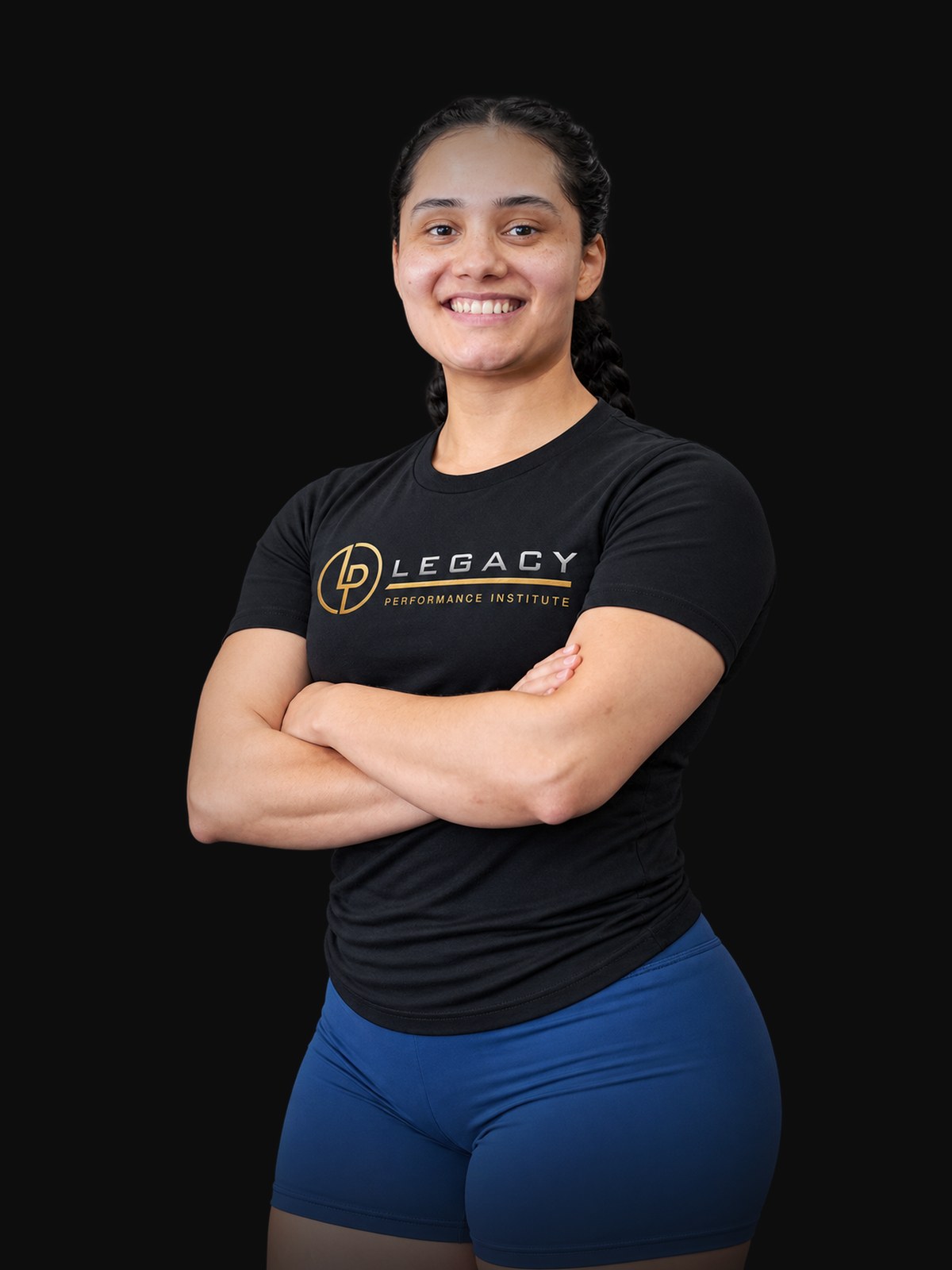
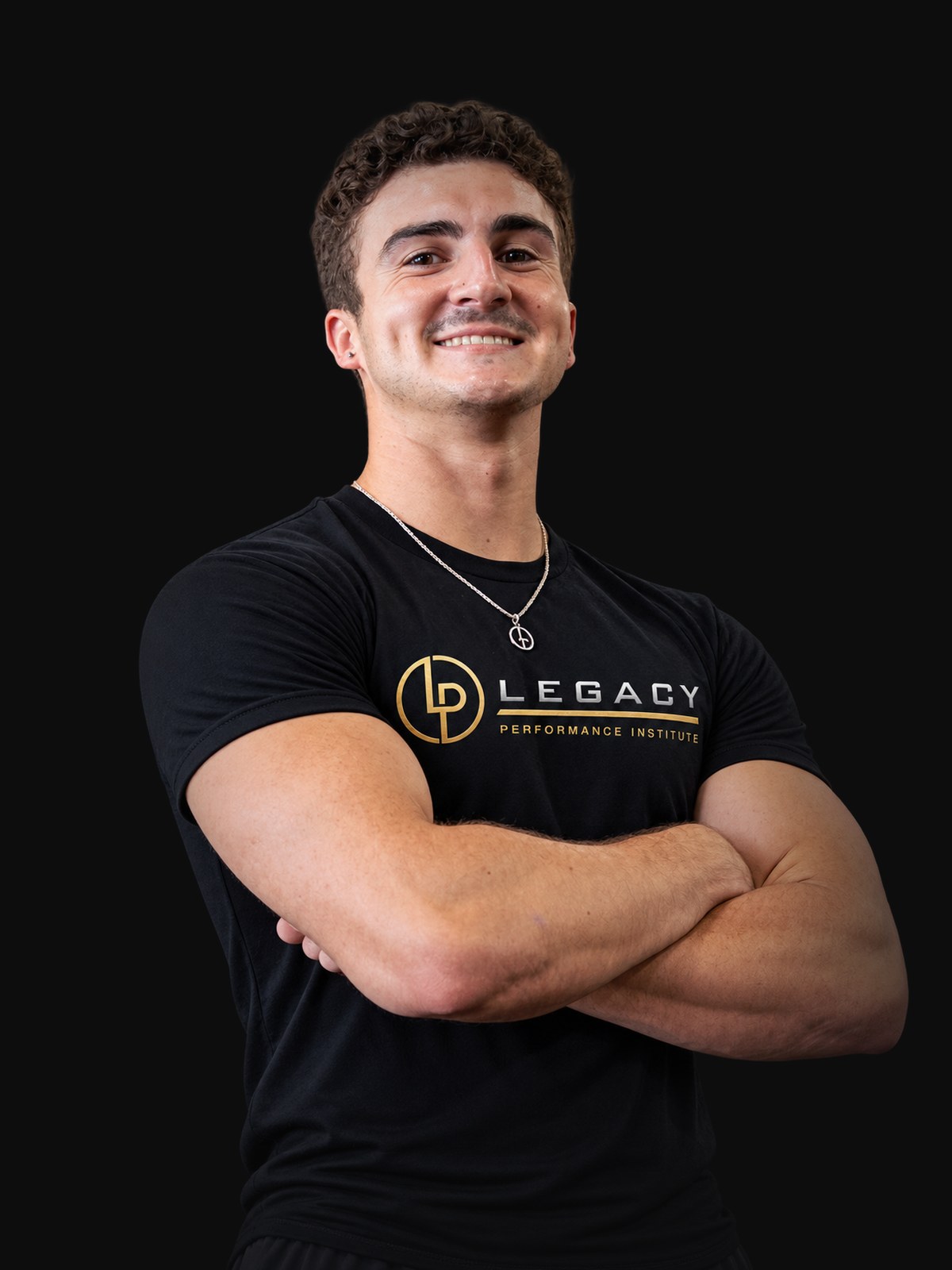
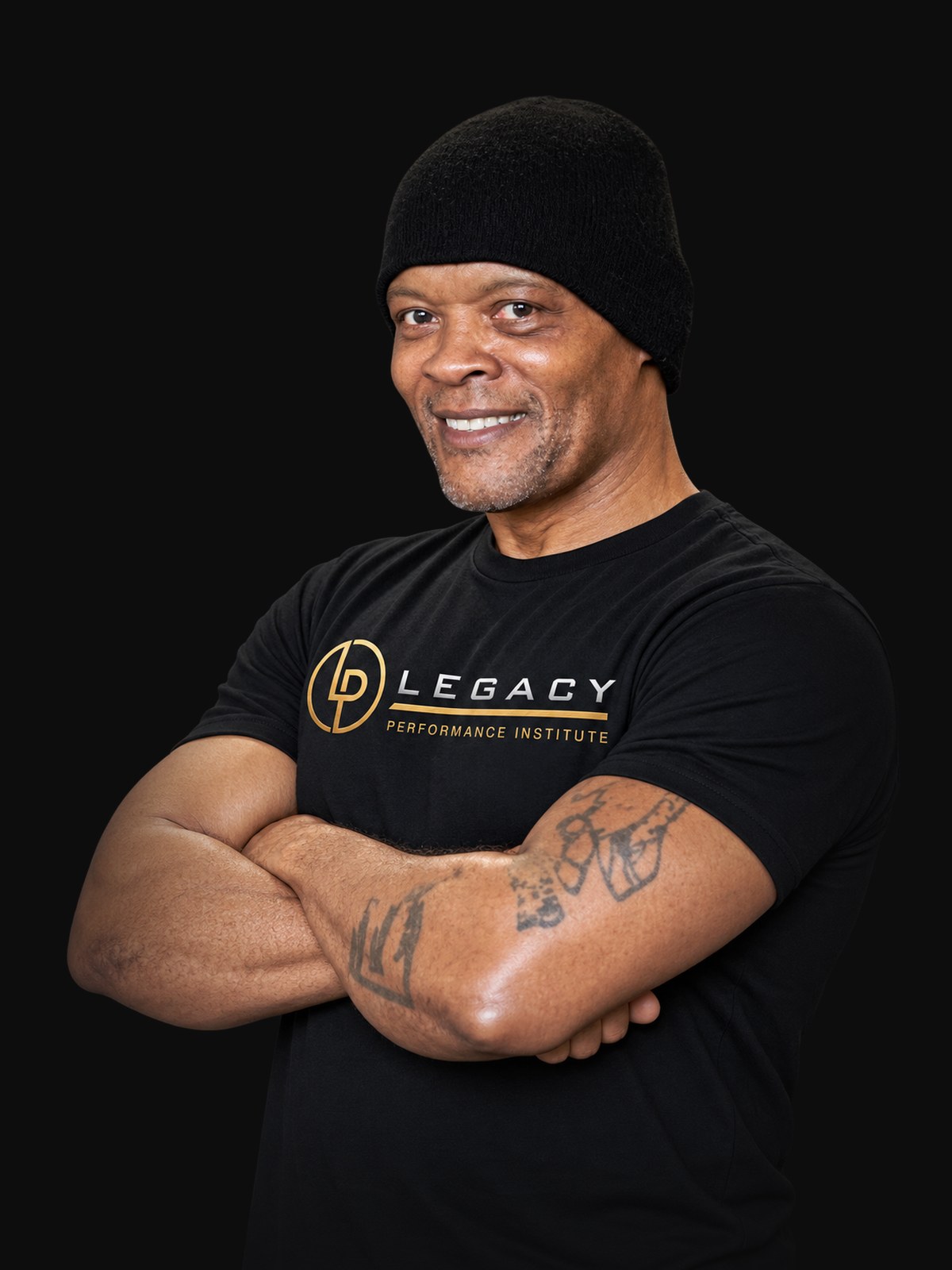
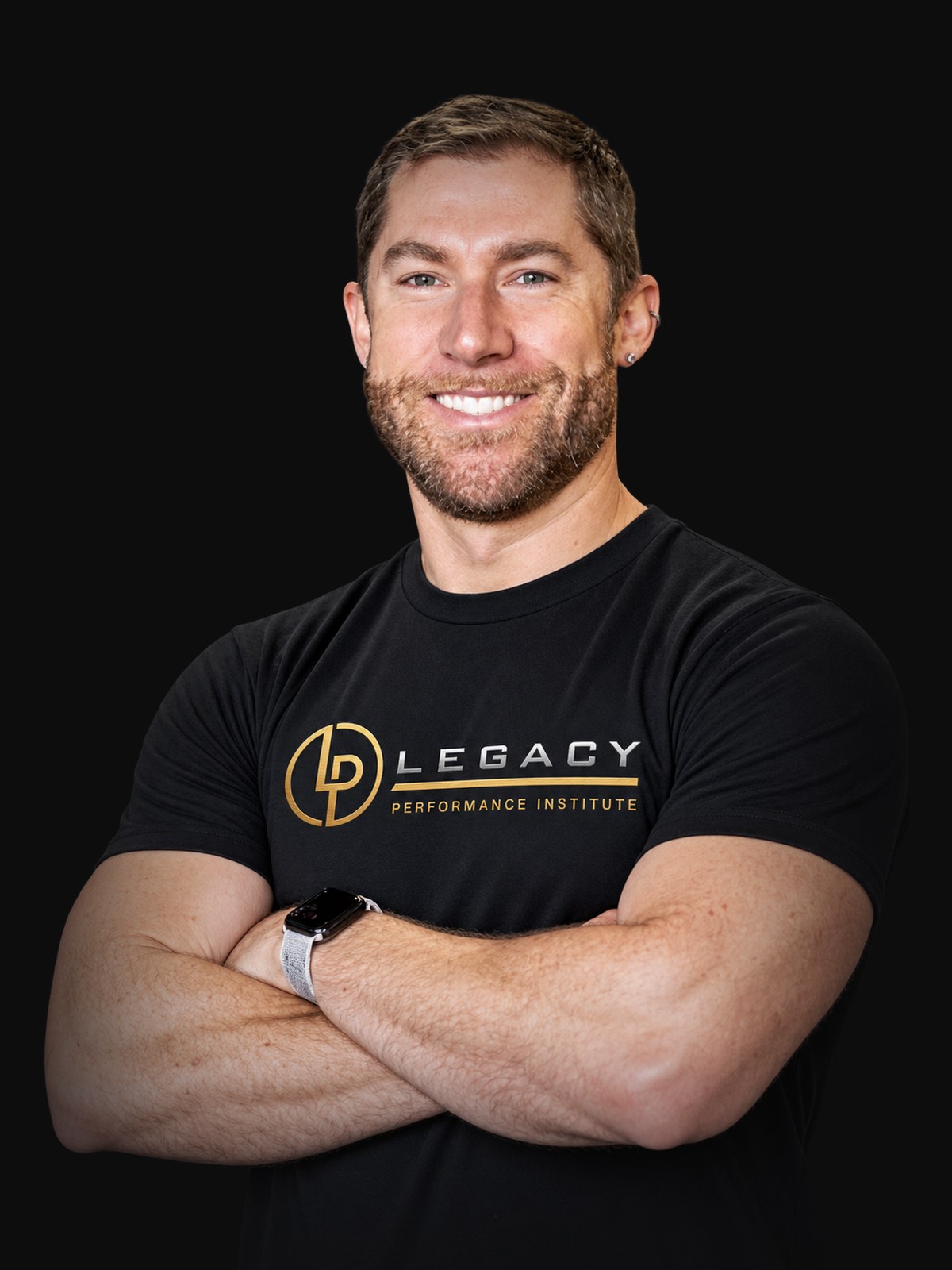
These coaches name this specialty on their own Legacy profile.
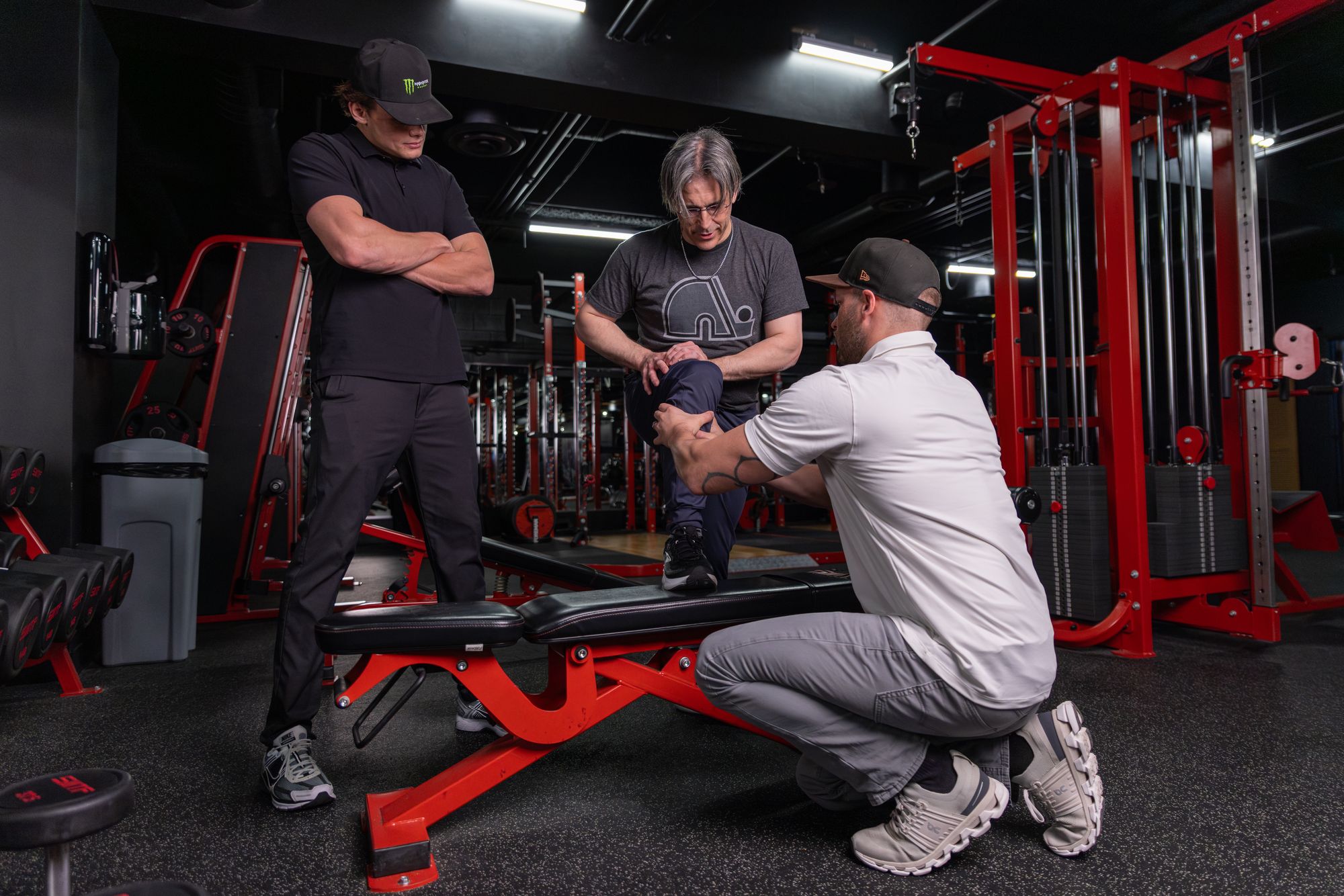
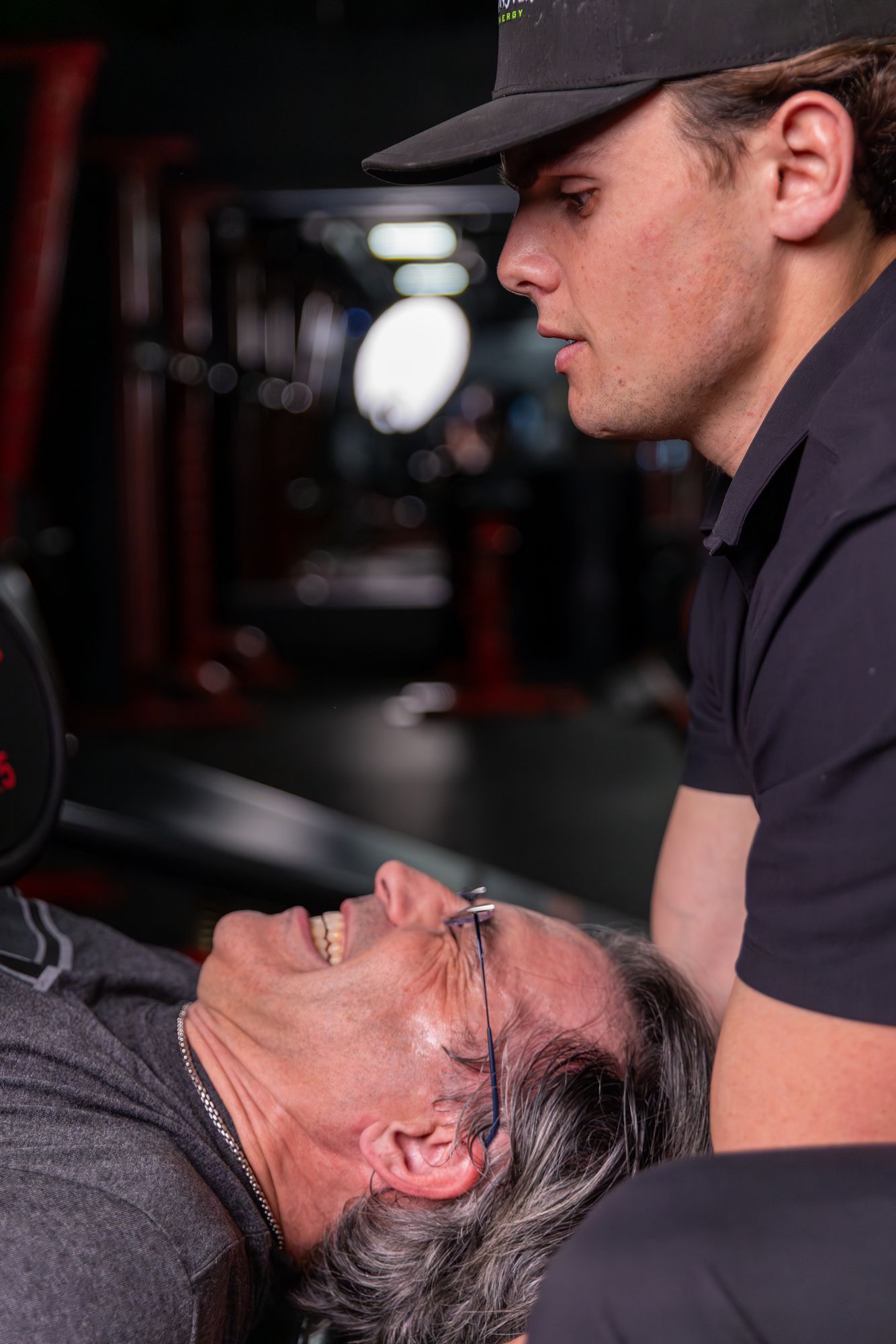
Mark is 43, works downtown near Balboa Park, and used to squat 275 for reps in his late twenties.
A client who runs a mid-sized engineering firm out of downtown San Diego came to us at 34 having just missed a lift he’d hit easily two years earlier.
A client of ours — a 38-year-old tech executive commuting from La Jolla — came in eight weeks into a well-structured strength program looking visibly frustrated.
It is coached training that balances strength, mobility and rest around the sport or activity you already do. Instead of adding more hard work, the plan manages total load so you recover well and keep improving.
For most healthy adults, yes. Resistance training supports joints, builds muscle and bone, and offsets the repetitive patterns of endurance and outdoor sports. A coach can keep the volume low enough that it complements your sport.
Many active people do well with two focused sessions a week, adjusted for their sport season and how they recover. Your coach will set a number from your own schedule and history after the free introduction.
Often it can help, by building strength and range in the areas that carry the load. Persistent or sharp pain is a medical question, though. See a physician or physical therapist first and share their guidance with your coach.
No. Anyone who is active, or who wants to become active, can benefit from planning rest and building resilience. Desk workers who hike on weekends are a common example.
No. No membership is required to train with a coach. You book directly with the coach you choose, and coaches set their own rates, typically per session or as a package.
Several coaches list athletic recovery, flexibility and mobility, or injury prevention among their specialties. Browse the roster or the specialty list to see who fits, then book the free introduction.
This is general fitness information, not medical advice. Check with your physician before starting a new exercise or nutrition program, especially if you have a medical condition, an injury, or are pregnant.
Your first consultation and introductory session with a Legacy coach is free, with no obligation. Tell us about your goals and we will match you with the right coach.