Periodization for Endurance Training in San Diego
A client came to us in March after logging four months of the same Saturday long run along Mission Bay — same 8-mile loop, same 9:15 pace, same result.
Functional training is a way of programming built around fundamental human movement patterns rather than individual muscles: squat, hinge, lunge, push, pull, carry and rotate. Coaches at Legacy San Diego who list it use those patterns to build strength that transfers to sport, lifting and hard physical work. It draws athletes, weekend volleyball players from Ocean Beach, and lifters who want strength that works outside the weight room.
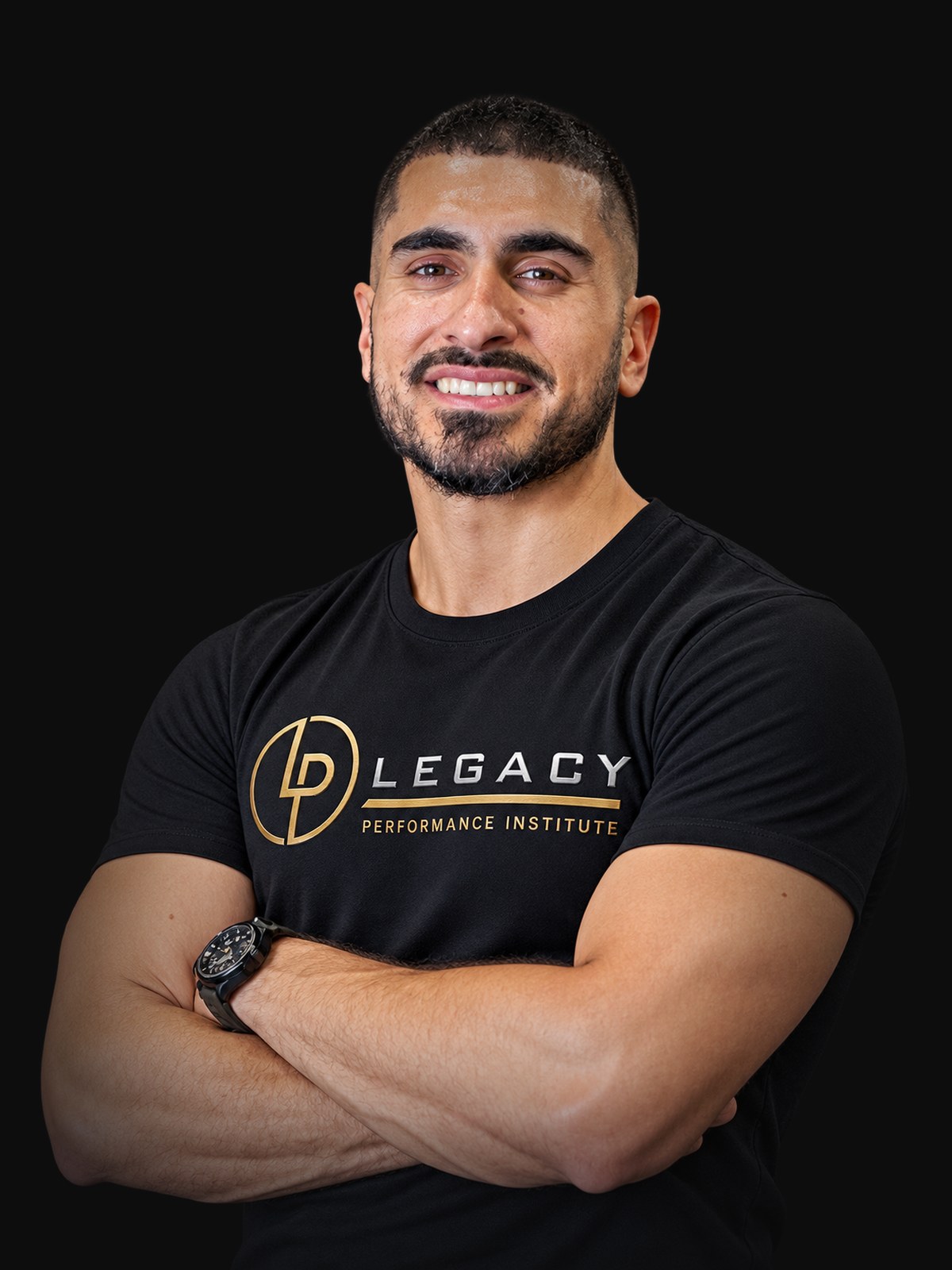
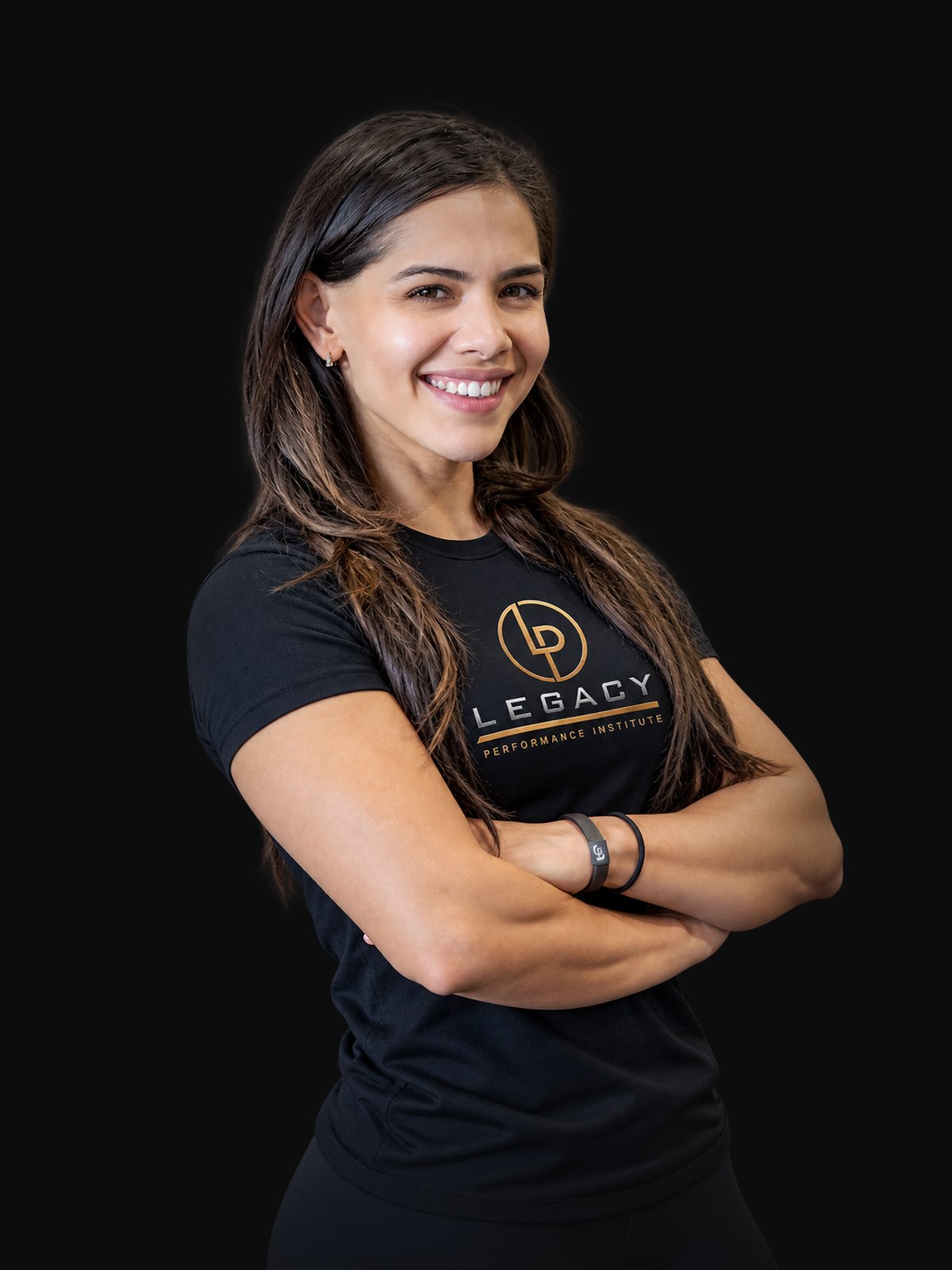
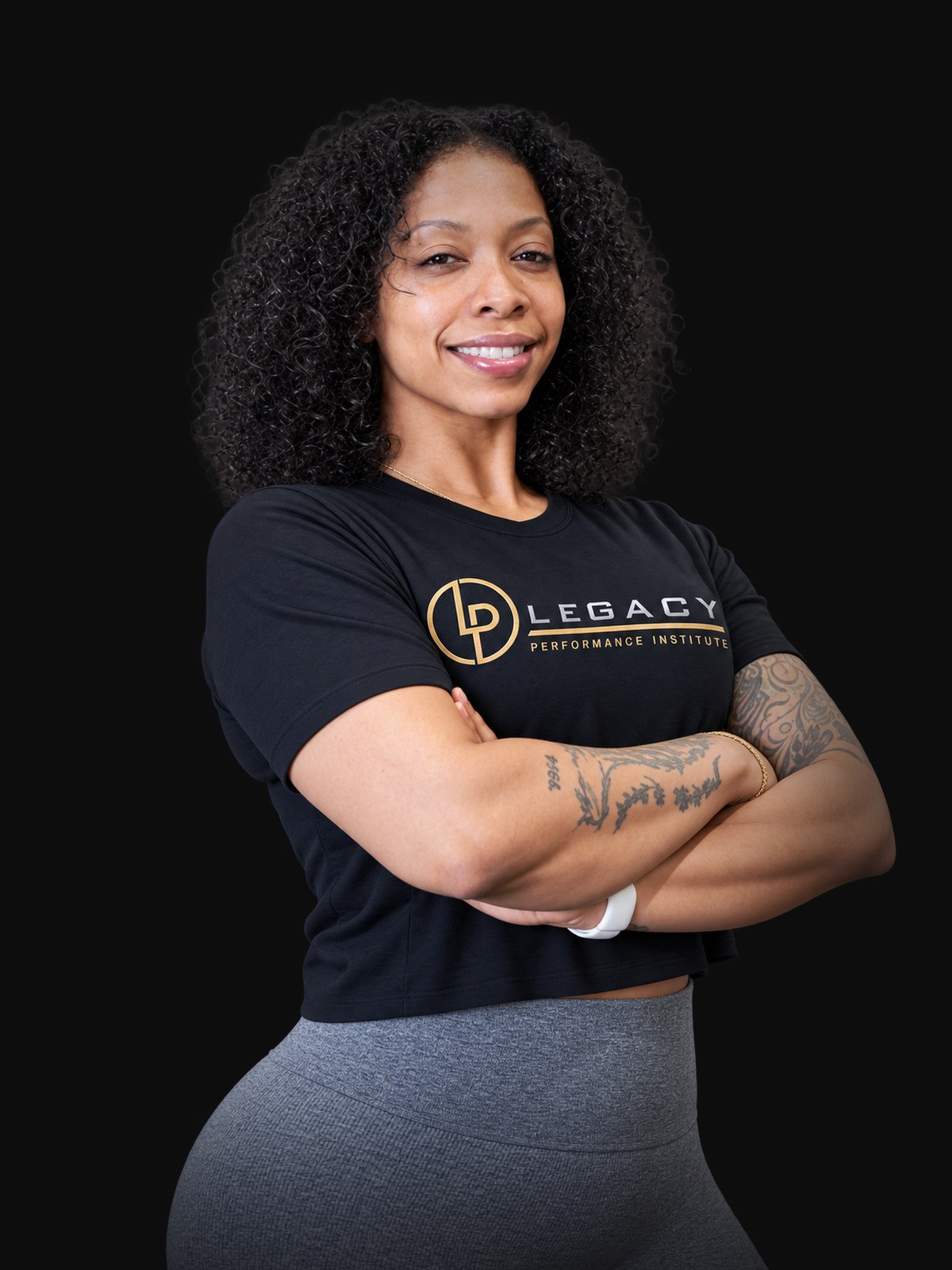
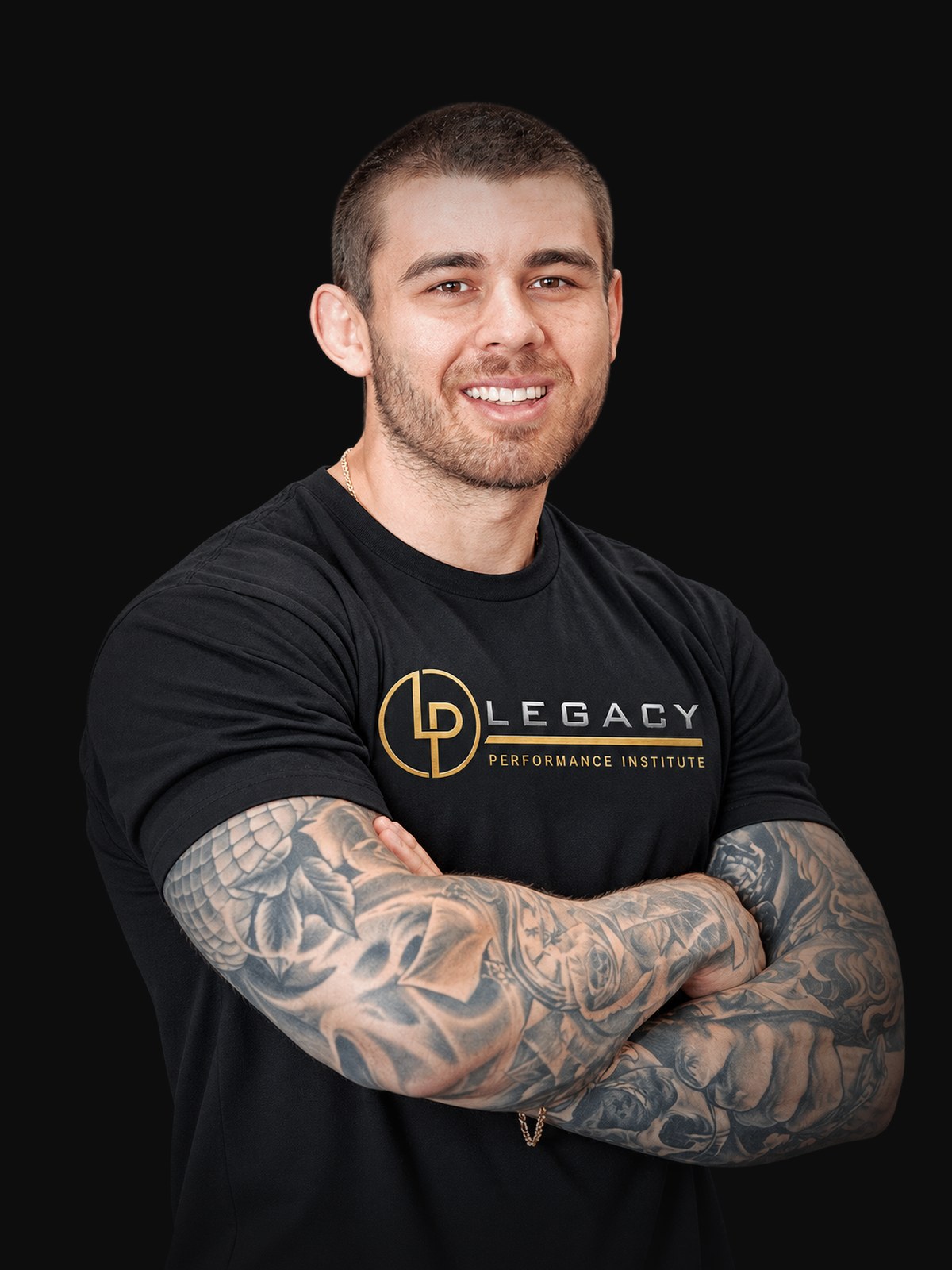
Every coach here names this specialty on their own profile. Open one to read their story, then request a free introduction.
A traditional split might train chest one day and legs another. A functional program instead asks whether you can squat, hinge, push, pull and rotate well, and then loads those patterns. A week might pair a trap-bar deadlift with a single-arm row, a split squat with a landmine press, and finish with carries and a rotational throw.
Single-leg and single-arm work shows up often, because most sport and real-world effort happens on one leg or with uneven loads.
Programs are usually organized so each pattern gets trained across the week, with heavier strength days and lighter, faster days. That structure lets you build load on the big lifts while still practicing the speed and coordination your sport needs.
Many gym programs only move forward and back. Functional training deliberately adds side-to-side and rotational work, such as lateral lunges, cable chops and medicine ball throws, because sports like tennis, surfing, volleyball and golf demand them.
The goal is transfer: strength and control that show up when you cut, land, paddle or swing, not just on a gym lift.
It suits recreational and competitive athletes, people who find machine-based routines boring, and lifters who want to round out their strength. It is also a sensible base for most general fitness goals.
If you have significant joint pain, a recent injury or a cardiovascular condition, get clearance from a physician before starting, and expect a coach to begin with simpler, stable versions before adding speed, rotation or unstable surfaces.
Progress is tracked by load and quality on the main patterns, left-to-right differences on single-side work, and power measures like jump height or throw distance. A coach should be able to show you where the gaps are and how the plan addresses them.
Ask how they decide which patterns to prioritize for you and how they balance strength with power and conditioning. Be cautious with anyone whose idea of functional is mostly balancing on unstable gear; the evidence for that as a main strength tool is thin.
Functional and endurance training builds the capacity to move well and keep moving: carrying, pushing, pulling, climbing and holding a pace. It develops strength through full-body patterns and builds the aerobic base that makes both daily life and sport feel easier.
Sessions are built from squats, hinges, pushes, pulls, carries and rotation, trained in ways that transfer to real life and sport.
Easy, steady work and harder intervals are programmed on purpose, so conditioning improves without running you into the ground.
Pace, distance, heart-rate response, loads and rep quality are tracked, so improvement is visible and the next step is clear.
Equipment and formats change, but the weekly structure stays consistent so each session builds on the last.
A client came to us in March after logging four months of the same Saturday long run along Mission Bay — same 8-mile loop, same 9:15 pace, same result.
A client walked into an assessment last spring with a familiar problem: forty-five minutes, three times a week, was all the calendar would give her.
A client came into The Studio in February with a specific problem: her 10K time hadn’t moved in eight months.
No. Athletes use it heavily, but the same patterns underpin general strength. A coach scales the complexity to your level.
Usually, yes. Heavy squats, hinges and presses are core functional patterns. The difference is in how the program is organized, not whether it uses real load.
Book a free consultation and introductory session with a coach at Legacy San Diego. No membership is required to train with a coach.
Alex Kosinski, Andy Mog, Austin Camacho, Cameron Power, Camryn Elyse Wemmer, Coach Bizz Devers, Cody Jensen, Greg Fraser, Jennah Brown, Jorge Martinez, Kasra Iranpour, Lauren Aros, Lydia Flowers, Martin Dowers, Michael Alvarado, Mikayla Thoits, Mike Gonzalez, Ronnie Najjar, Ryan Pearl, Sarah Vandekar, Takeyia Harvey, Teryn Stanley, Tony Palladino, Tyler Durant, Wyatt Wermager. Each one lists functional training on their own Legacy profile. Open any profile to read their background and request a free introduction.
At Legacy Performance Institute San Diego, 4030B Sports Arena Blvd, San Diego, CA 92110. Hours: Mon–Fri 6:00 AM – 9:00 PM · Sat–Sun 8:00 AM – 6:00 PM · 24/7 for VIP Access members.
Coaching is priced by each coach, typically per session or as a package, and quoted after your free introduction. No membership is required to train with a coach. Coaching is booked directly with the coach you choose.
No. Your coach starts with an assessment and builds the program to your level. Your first consultation and introductory session with a Legacy coach is free, with no obligation.
No. The same principles scale from first-time exercisers to competitive endurance athletes. Your coach sets the starting volume and intensity from your assessment, not from a fixed template.
This is general fitness information, not medical advice. Check with your physician before starting a new exercise or nutrition program, especially if you have a medical condition, an injury, or are pregnant.
Your first consultation and introductory session with a Legacy coach is free, with no obligation. Tell us about your goals and we will match you with the right coach.