Periodization for Endurance Training in San Diego
A client came to us in March after logging four months of the same Saturday long run along Mission Bay — same 8-mile loop, same 9:15 pace, same result.
Athletic recovery is the planned half of training: the lighter days, mobility work, sleep and fueling habits that let your body absorb hard sessions instead of just accumulating fatigue. People look for it when they are training often, stacking a sport or a running block on top of lifting, or noticing that progress has stalled while soreness has not.
Every coach here names this specialty on their own profile. Open one to read their story, then request a free introduction.

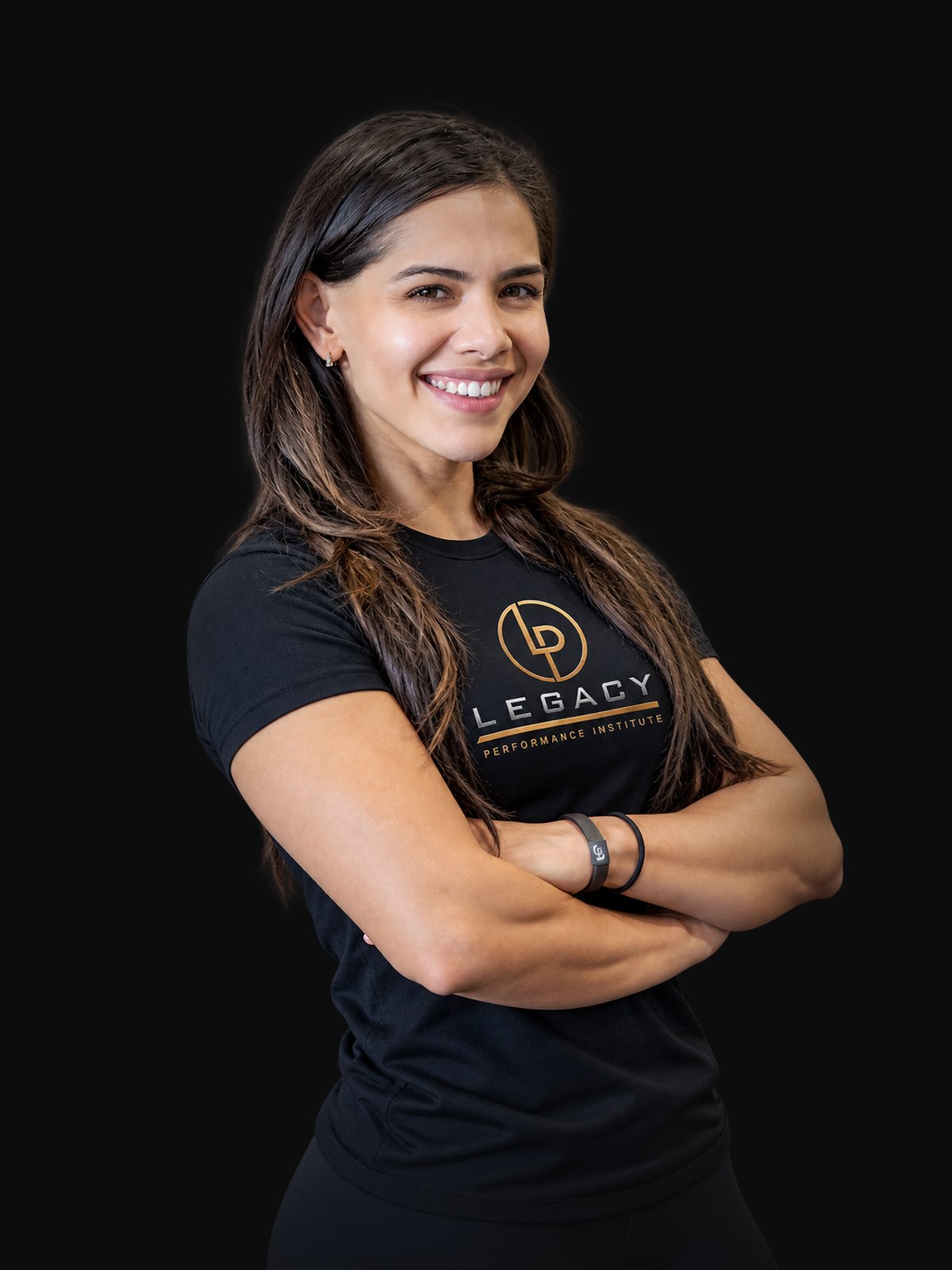
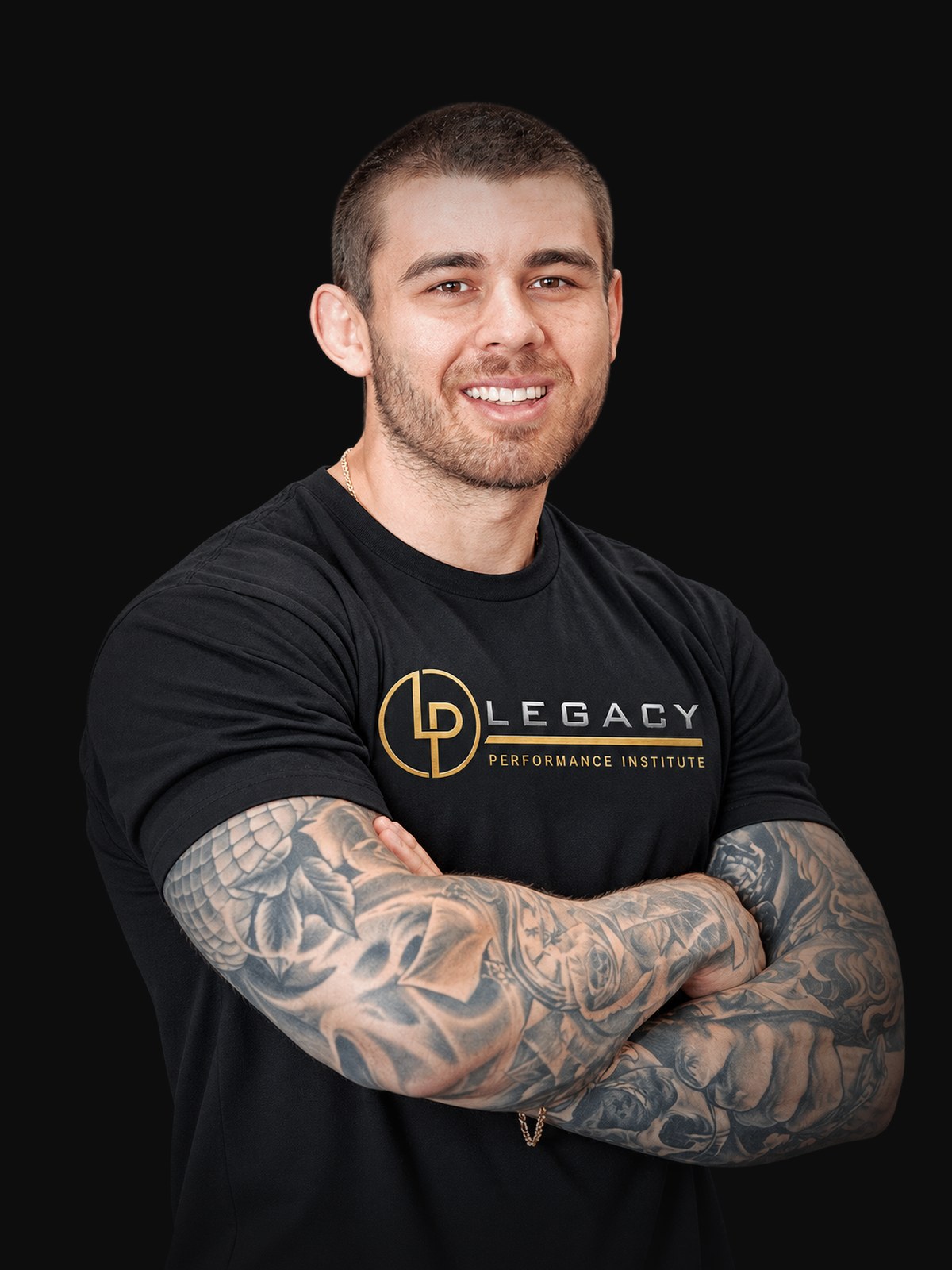

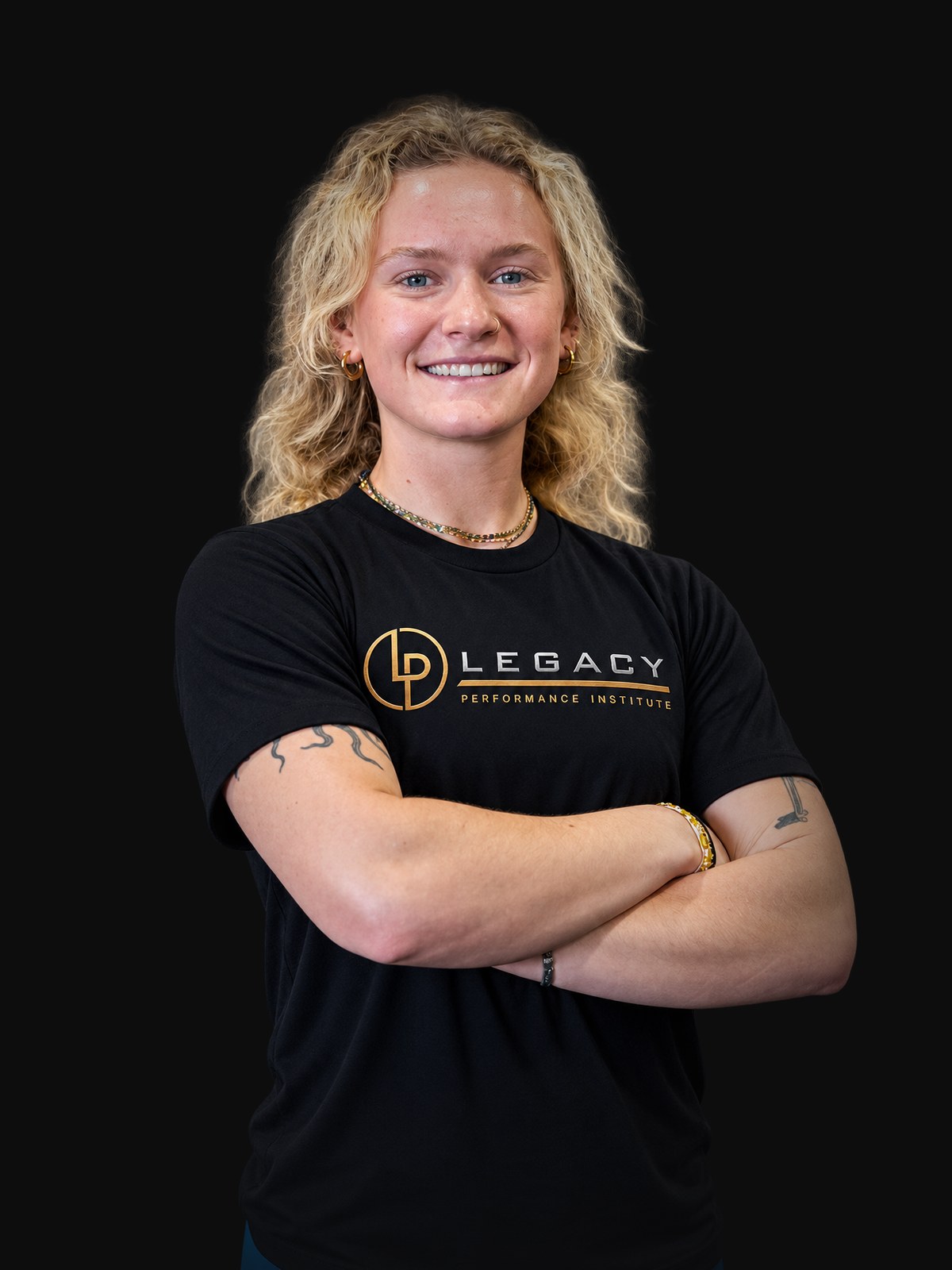
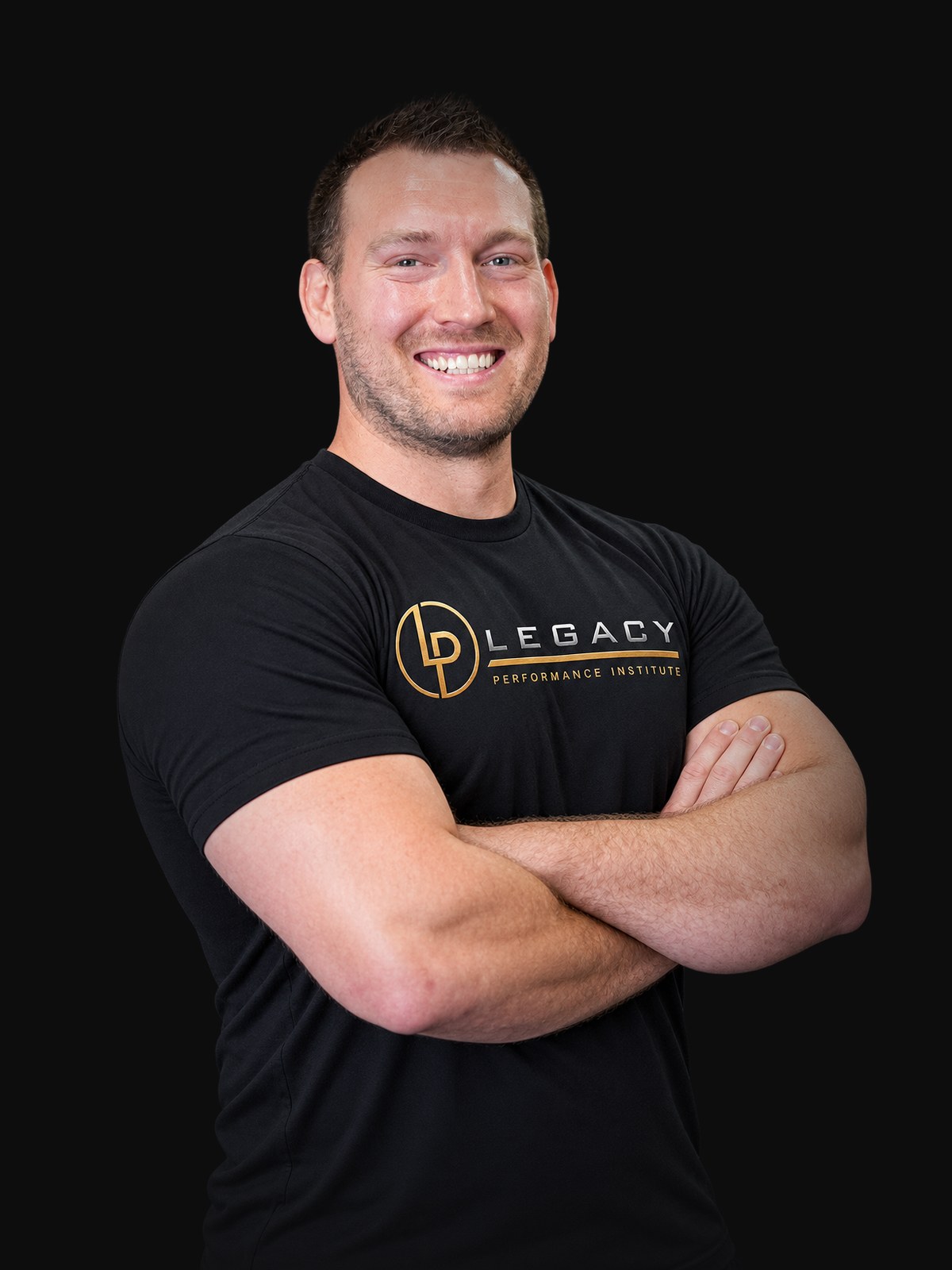
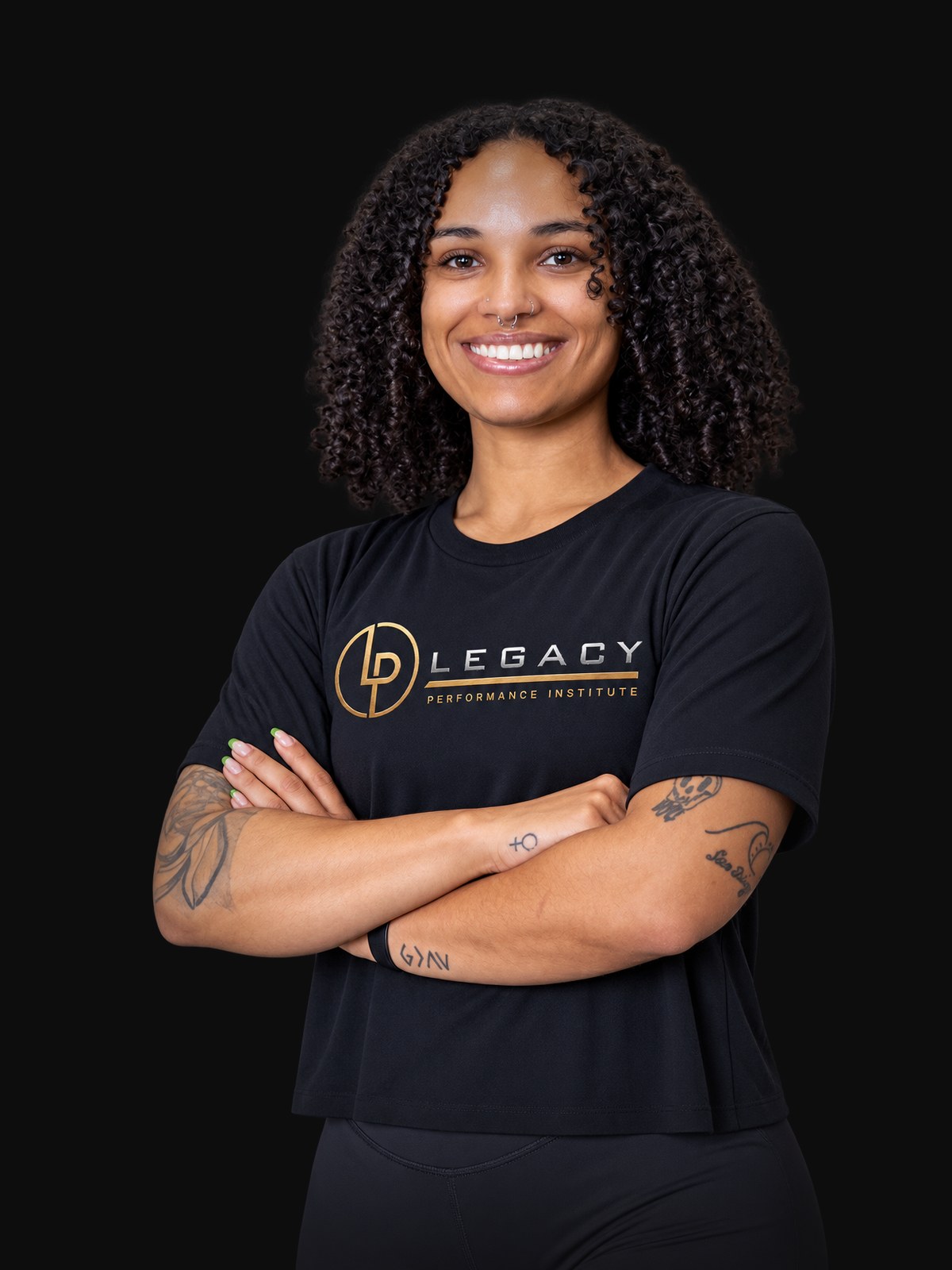
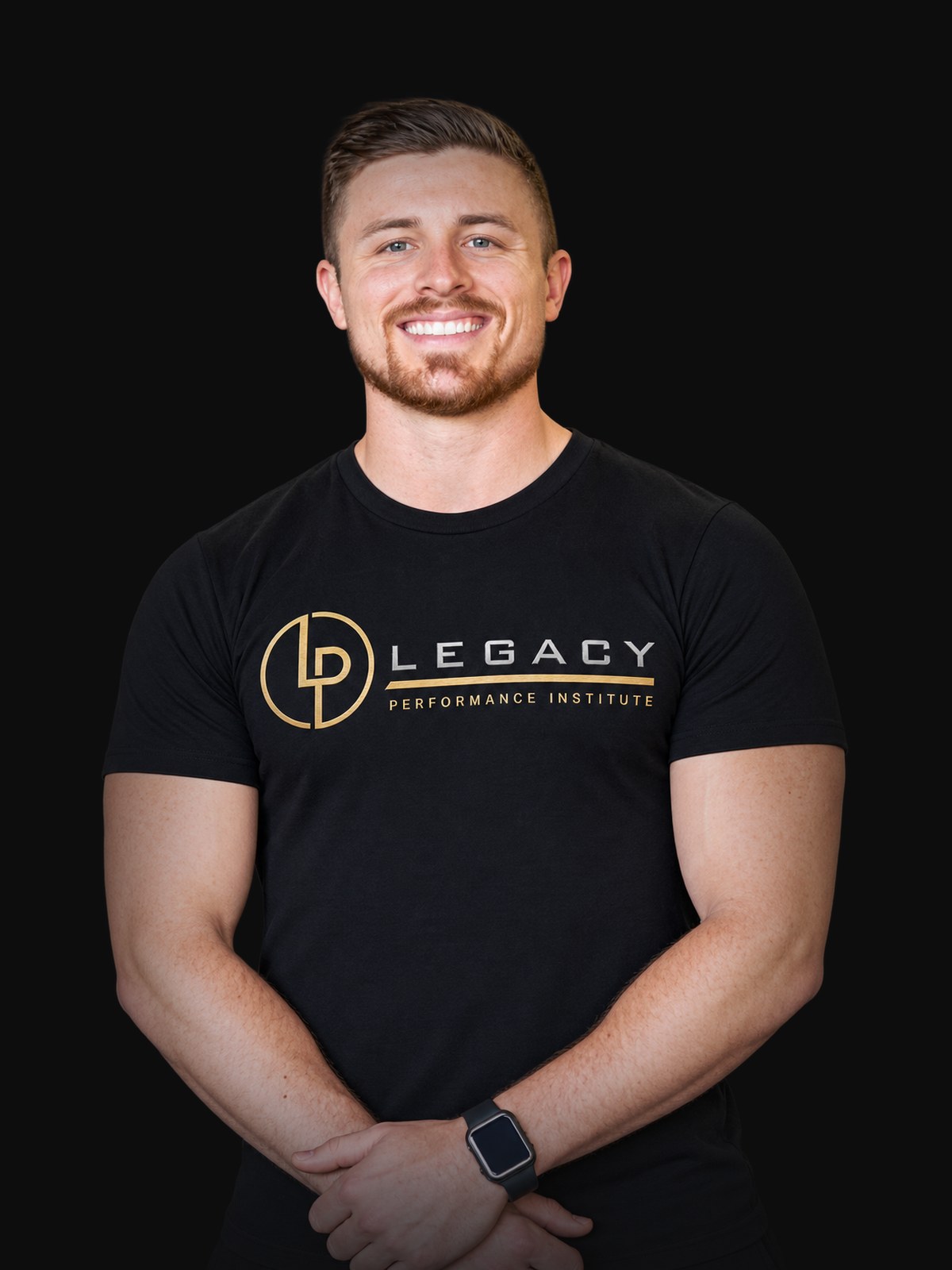
Coaches who list recovery as a specialty usually treat it as part of the plan rather than an add-on. That can mean scheduling a deload week after a hard block, swapping a heavy day for low-intensity aerobic work, building in mobility sequences after lifting, or adjusting volume when your sleep or stress has been rough.
Legacy San Diego is a private training facility in Point Loma. The coaches on this page include recovery in their practice through how they structure your week; ask at your introduction exactly what that looks like for your schedule.
The least glamorous tools have the strongest support. Research consistently links adequate sleep with better training adaptation, mood and injury resilience, and enough total protein and energy intake with maintaining muscle during hard training. Easy movement on off days, such as a walk along the bay or an easy spin, may help people feel less stiff, though the effect on actual muscle repair is less clear.
Popular extras, including foam rolling, massage guns and compression garments, may reduce perceived soreness for some people. The research on whether they speed up true recovery of performance is mixed, so a good coach will present them as optional rather than essential.
Lifts stalling for several weeks, resting heart rate creeping up, poor sleep, irritability, frequent small tweaks or dreading sessions you used to enjoy can all point to training load outrunning recovery. A coach can help by tracking simple markers such as session effort scores, sleep hours or morning energy, and adjusting before things build into an injury.
Persistent pain, swelling, numbness, unexplained fatigue or a sudden drop in performance are reasons to see a physician rather than push through. Recovery coaching is not a substitute for medical evaluation.
If you are recovering from surgery, managing a heart or blood pressure condition, pregnant or postpartum, or dealing with a chronic illness, get clearance and any limits from your physician before changing your training or recovery routine, and share that guidance with your coach.
Functional and endurance training builds the capacity to move well and keep moving: carrying, pushing, pulling, climbing and holding a pace. It develops strength through full-body patterns and builds the aerobic base that makes both daily life and sport feel easier.
Sessions are built from squats, hinges, pushes, pulls, carries and rotation, trained in ways that transfer to real life and sport.
Easy, steady work and harder intervals are programmed on purpose, so conditioning improves without running you into the ground.
Pace, distance, heart-rate response, loads and rep quality are tracked, so improvement is visible and the next step is clear.
Equipment and formats change, but the weekly structure stays consistent so each session builds on the last.
A client came to us in March after logging four months of the same Saturday long run along Mission Bay — same 8-mile loop, same 9:15 pace, same result.
A client walked into an assessment last spring with a familiar problem: forty-five minutes, three times a week, was all the calendar would give her.
A client came into The Studio in February with a specific problem: her 10K time hadn’t moved in eight months.
No. Anyone training three or more days a week, or juggling a physical job with workouts, can benefit from a plan that balances hard and easy days.
Sometimes, briefly. More often they rearrange intensity across the week so you can keep training consistently without piling up fatigue.
Not to start. Sleep, food, easy movement and sensible programming do most of the work. Ask your coach before buying anything.
Alex Kosinski, Jennah Brown, Kasra Iranpour, Lauren Aros, Martin Dowers, Michael Alvarado, Mikayla Thoits, Ryan Pearl, Takeyia Harvey, Tyler Durant. Each one lists athletic recovery on their own Legacy profile. Open any profile to read their background and request a free introduction.
At Legacy Performance Institute San Diego, 4030B Sports Arena Blvd, San Diego, CA 92110. Hours: Mon–Fri 6:00 AM – 9:00 PM · Sat–Sun 8:00 AM – 6:00 PM · 24/7 for VIP Access members.
Coaching is priced by each coach, typically per session or as a package, and quoted after your free introduction. No membership is required to train with a coach. Coaching is booked directly with the coach you choose.
No. Your coach starts with an assessment and builds the program to your level. Your first consultation and introductory session with a Legacy coach is free, with no obligation.
No. The same principles scale from first-time exercisers to competitive endurance athletes. Your coach sets the starting volume and intensity from your assessment, not from a fixed template.
This is general fitness information, not medical advice. Check with your physician before starting a new exercise or nutrition program, especially if you have a medical condition, an injury, or are pregnant.
Your first consultation and introductory session with a Legacy coach is free, with no obligation. Tell us about your goals and we will match you with the right coach.