Balance training teaches your body to control its center of mass over a changing base: one foot, an uneven trail, a moving board. It draws two very different groups in San Diego, older adults who want to stay steady on their feet and active people whose sports, from paddleboarding on Mission Bay to trail running on the Point Loma peninsula, punish wobbly ankles and hips.
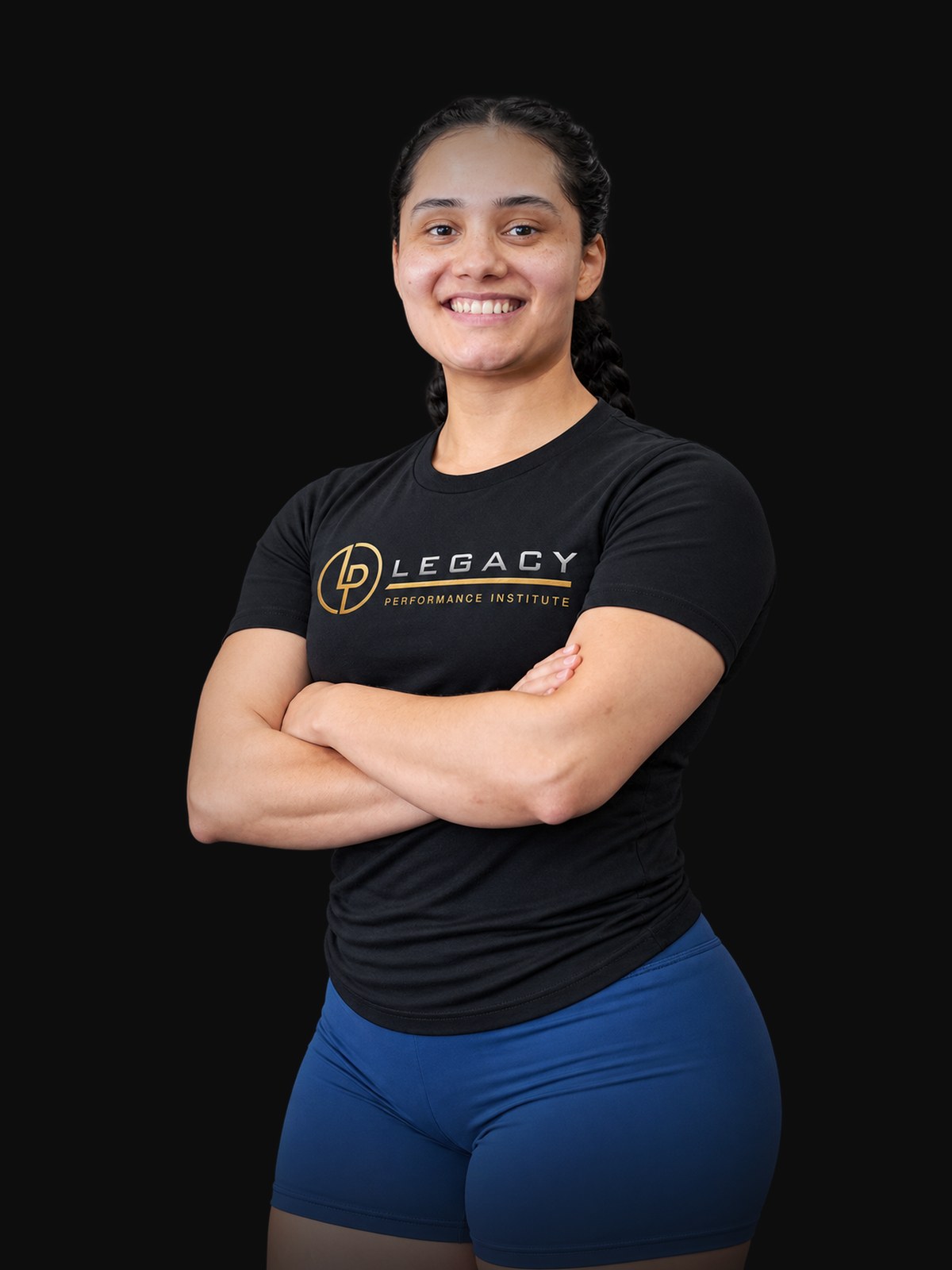
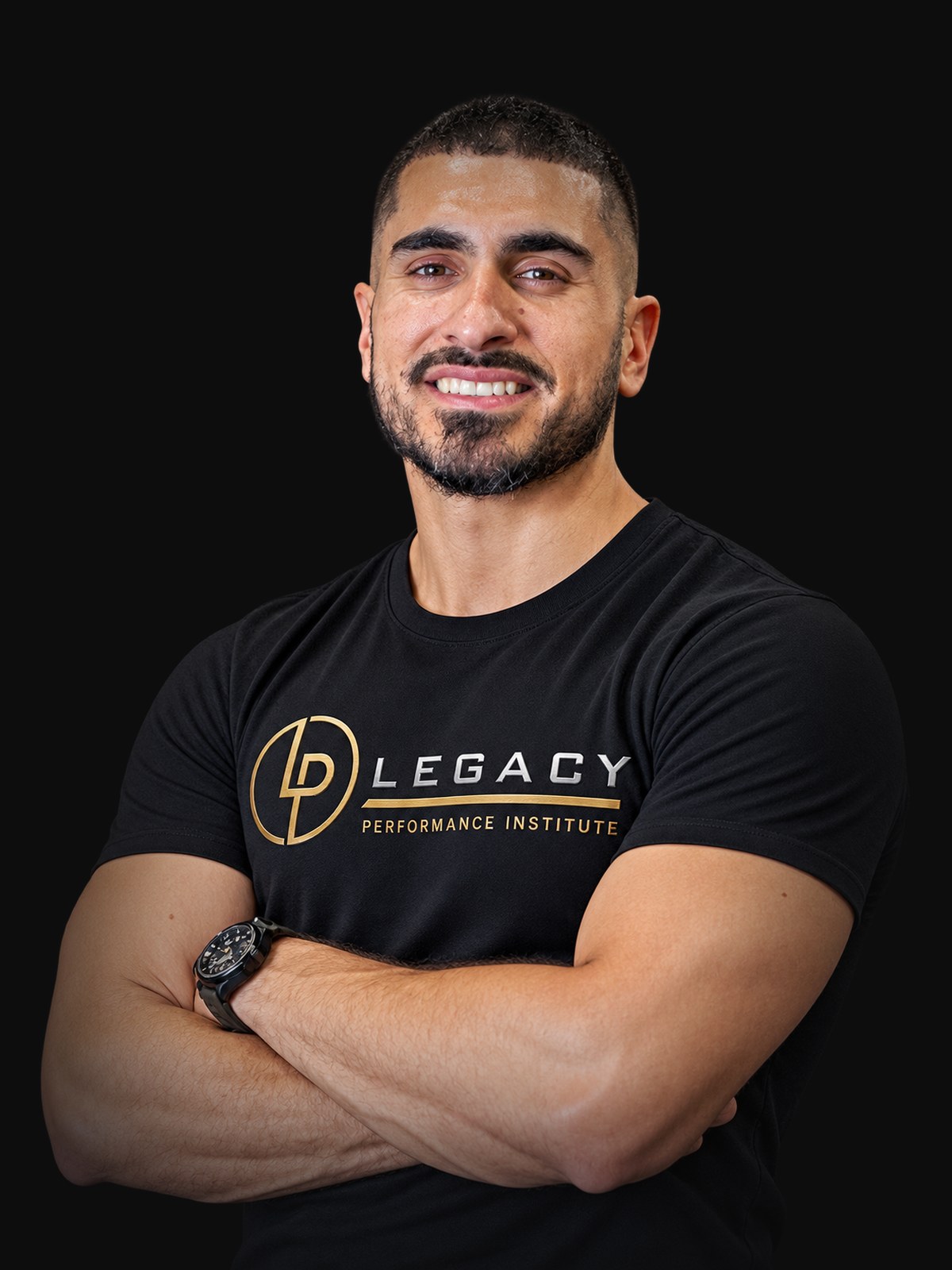
Every coach here names this specialty on their own profile. Open one to read their story, then request a free introduction.
Expect single-leg work that progresses in small steps: standing on one foot, then adding a reach, then closing your eyes or turning your head, then single-leg deadlifts, step-downs and lateral hops. Coaches often pair these with ankle and hip strength exercises, because steadiness depends on muscles that can react quickly.
For athletes, balance work becomes dynamic: landing from a jump and sticking it, cutting and stopping, or holding a position while a coach adds a light push. For people focused on everyday stability, sessions may include getting up from the floor, stepping over obstacles and walking while carrying something.
It suits anyone who has rolled an ankle more than once, surfers and paddlers, runners, and older adults who want to keep their independence. It also tends to help lifters who notice they shift to one side in a squat or lunge.
If you have had a recent fall, frequent dizziness, a vestibular or inner ear condition, neuropathy, or a neurological diagnosis, see your physician before starting. Some of these benefit from a physical therapist first, with a coach picking up once you are cleared.
Simple tests work well: how long you can stand on each leg with eyes open and closed, how far you can reach in several directions on one foot, and how many controlled step-downs you can do without the knee caving. Side-to-side differences matter as much as the totals. Day to day, you may notice it as more confident footing on stairs, sand or a rocky path near the tide pools.
Look for a coach who progresses gradually and keeps you safe, with a wall or rack nearby for early drills. At an introduction at Legacy San Diego in Point Loma, ask how they would test your balance, what they would program in the first month, and how balance work fits alongside your strength training. A thoughtful coach will also explain why each drill is there, so you can practice the simple ones at home, while brushing your teeth or waiting for the kettle, between sessions.
Corrective exercise looks at how you move, finds the patterns that are limited, compensated or painful, and builds a program of mobility, activation and strengthening to improve them. It is training, not medical treatment, and good coaches coordinate with your physician or physical therapist when an injury is involved.
Posture, range of motion and basic movement patterns are screened so the plan targets what is actually limiting you.
Short, specific drills open restricted areas and wake up underused muscles before and between strength work.
Once a pattern improves, it is loaded progressively so the gain holds up under real weight and real life.
Coaches do not diagnose or treat injuries. Pain that is new, severe or lasting should be seen by a medical professional first.
Research broadly suggests balance responds to practice across the lifespan, including in older adults. Start where you are safe and progress slowly.
Not usually. Most progress comes from single-leg strength and controlled movement on stable ground. Unstable surfaces are an occasional tool, not the core.
Short, frequent practice works well. A few minutes on most days, plus coached sessions, is a common approach.
Apryl Ortega, Camryn Elyse Wemmer, Kasra Iranpour. Each one lists balance training on their own Legacy profile. Open any profile to read their background and request a free introduction.
At Legacy Performance Institute San Diego, 4030B Sports Arena Blvd, San Diego, CA 92110. Hours: Mon–Fri 6:00 AM – 9:00 PM · Sat–Sun 8:00 AM – 6:00 PM · 24/7 for VIP Access members.
Coaching is priced by each coach, typically per session or as a package, and quoted after your free introduction. No membership is required to train with a coach. Coaching is booked directly with the coach you choose.
No. Your coach starts with an assessment and builds the program to your level. Your first consultation and introductory session with a Legacy coach is free, with no obligation.
No. Corrective exercise is coached training. If you are recovering from an injury or surgery, follow your physician or physical therapist first, and ask your coach to work alongside their guidance.
This is general fitness information, not medical advice. Check with your physician before starting a new exercise or nutrition program, especially if you have a medical condition, an injury, or are pregnant.
Your first consultation and introductory session with a Legacy coach is free, with no obligation. Tell us about your goals and we will match you with the right coach.