
The MethodMembershipCoaches
AboutQ & AContact
Request Access
San Diego · Specialty

Flexibility And Mobility coaches in San Diego.

Flexibility is how far a muscle can lengthen; mobility is how well you control a joint through its range. Coaches who list this specialty work on both. People around Point Loma often come in because something has gotten stiff: hips tight from commuting along I-8, shoulders that complain overhead, or a squat that will not go deep without the heels lifting.

The Coaches

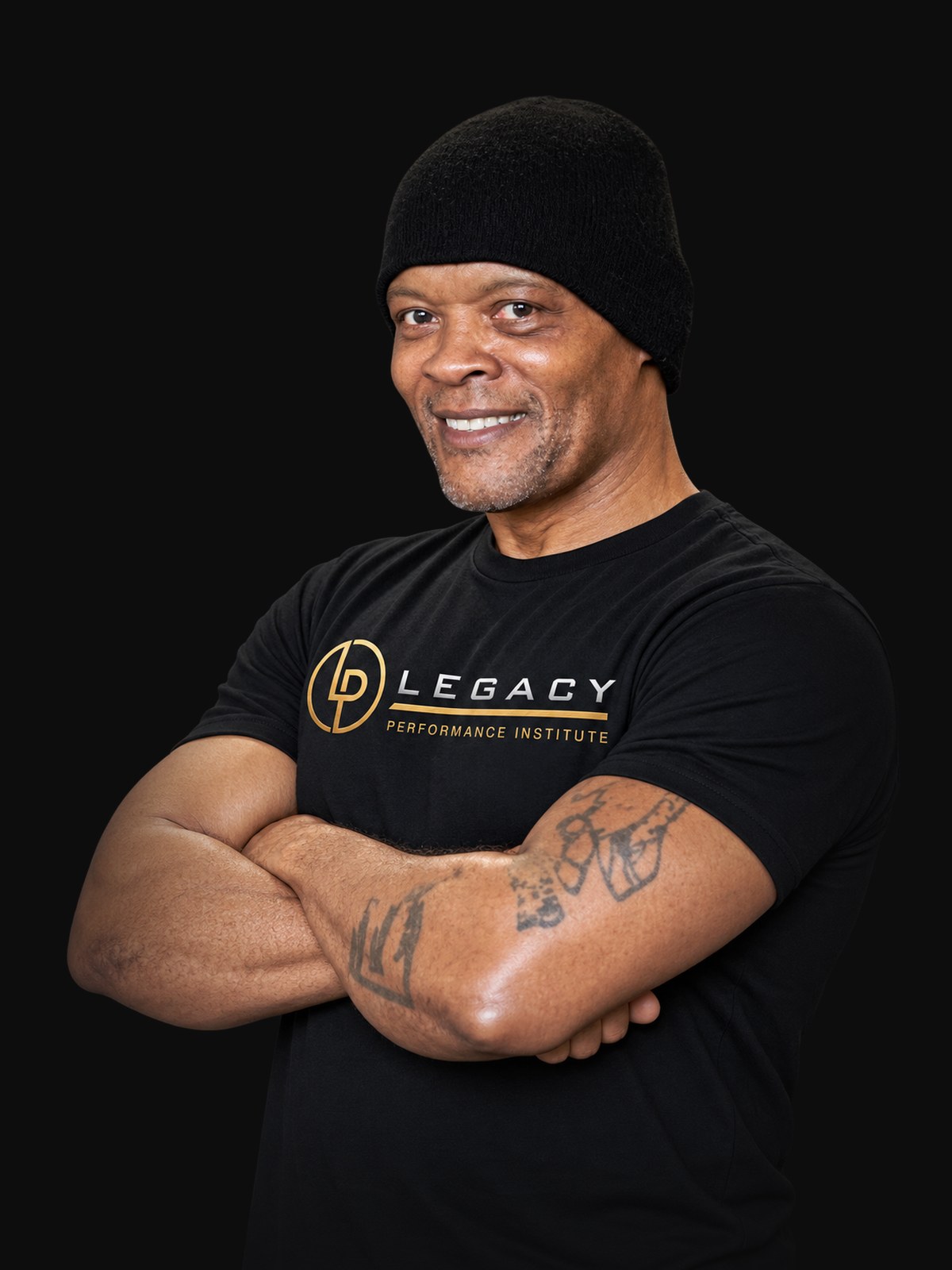
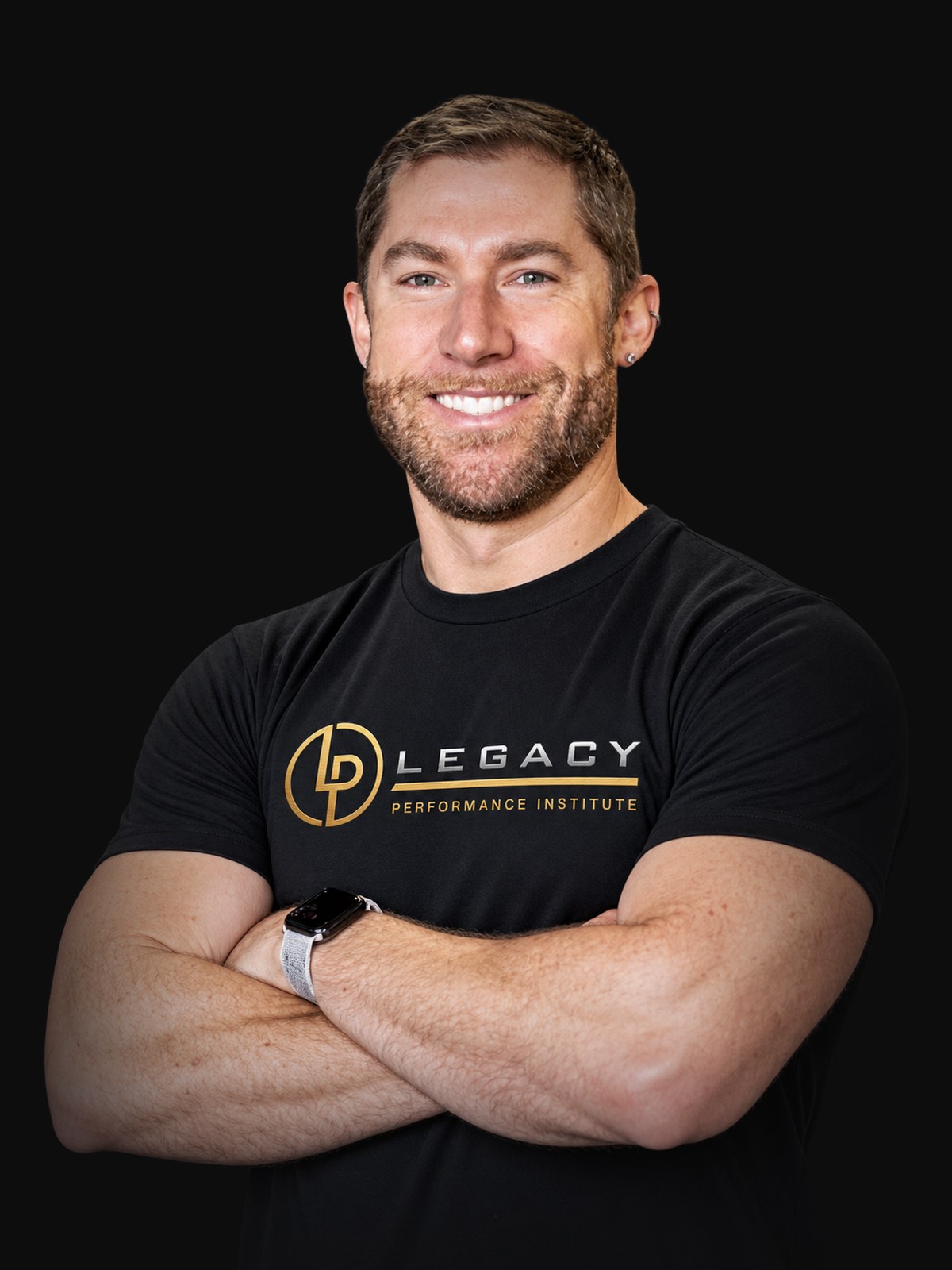
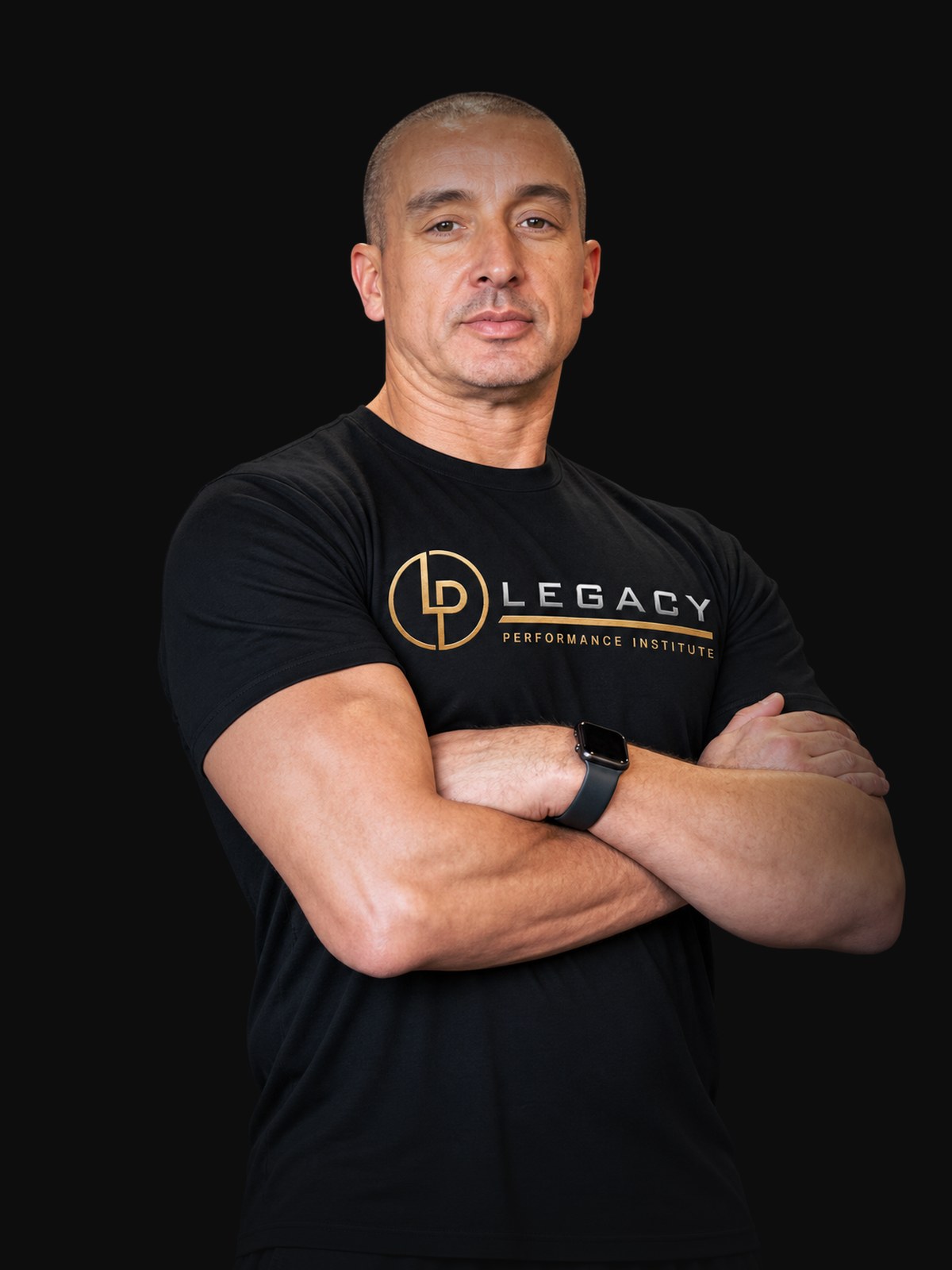
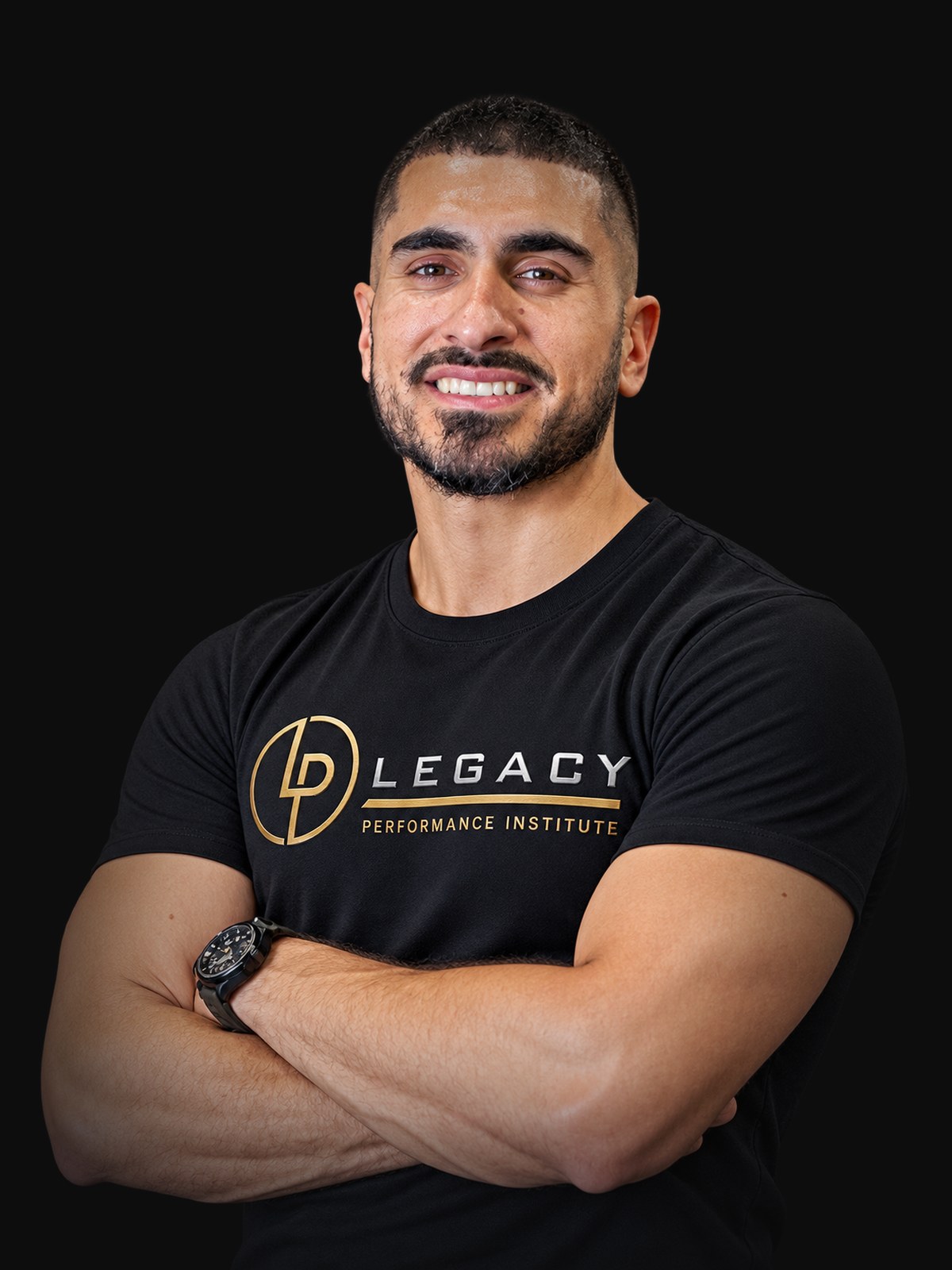
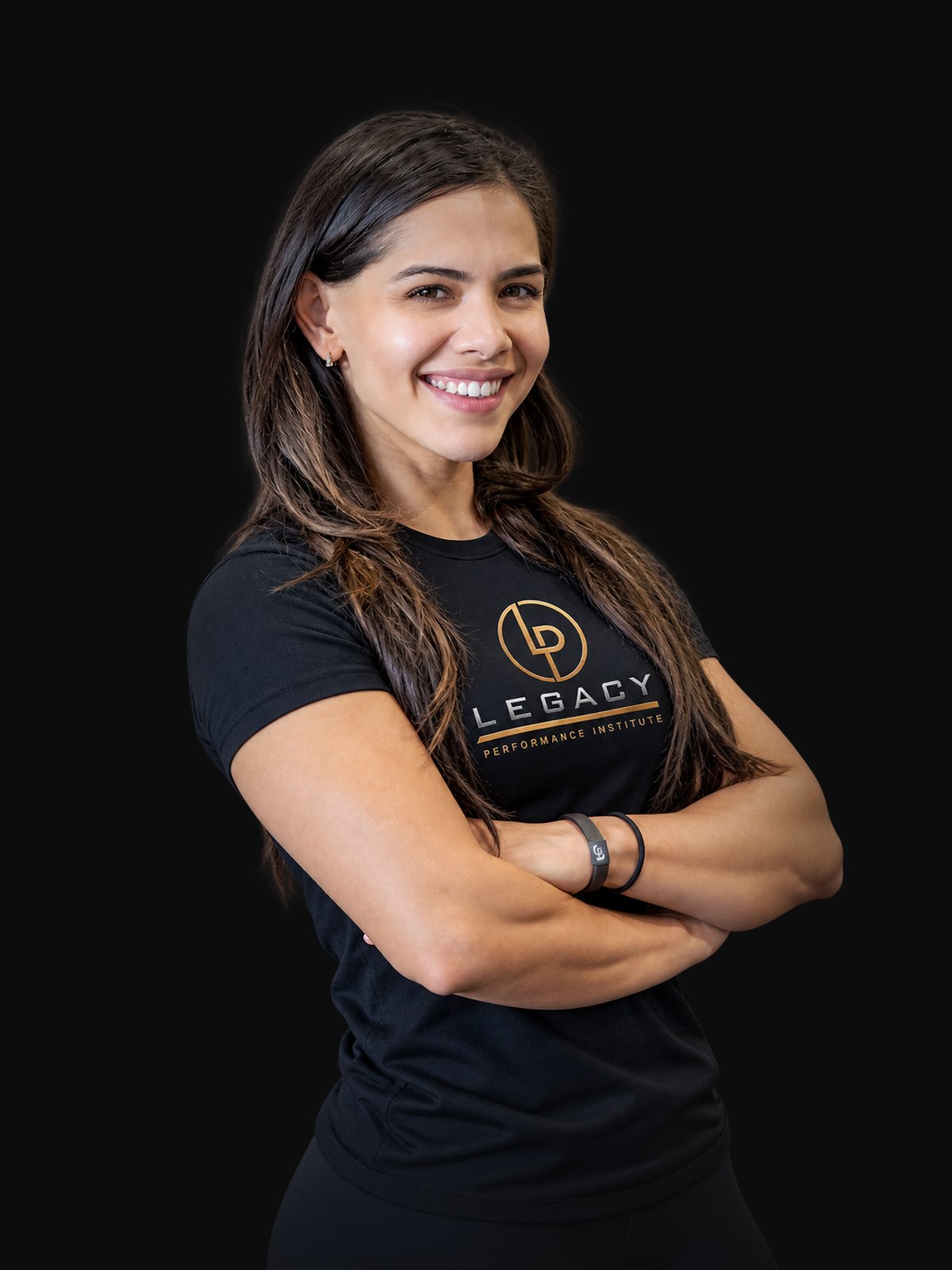
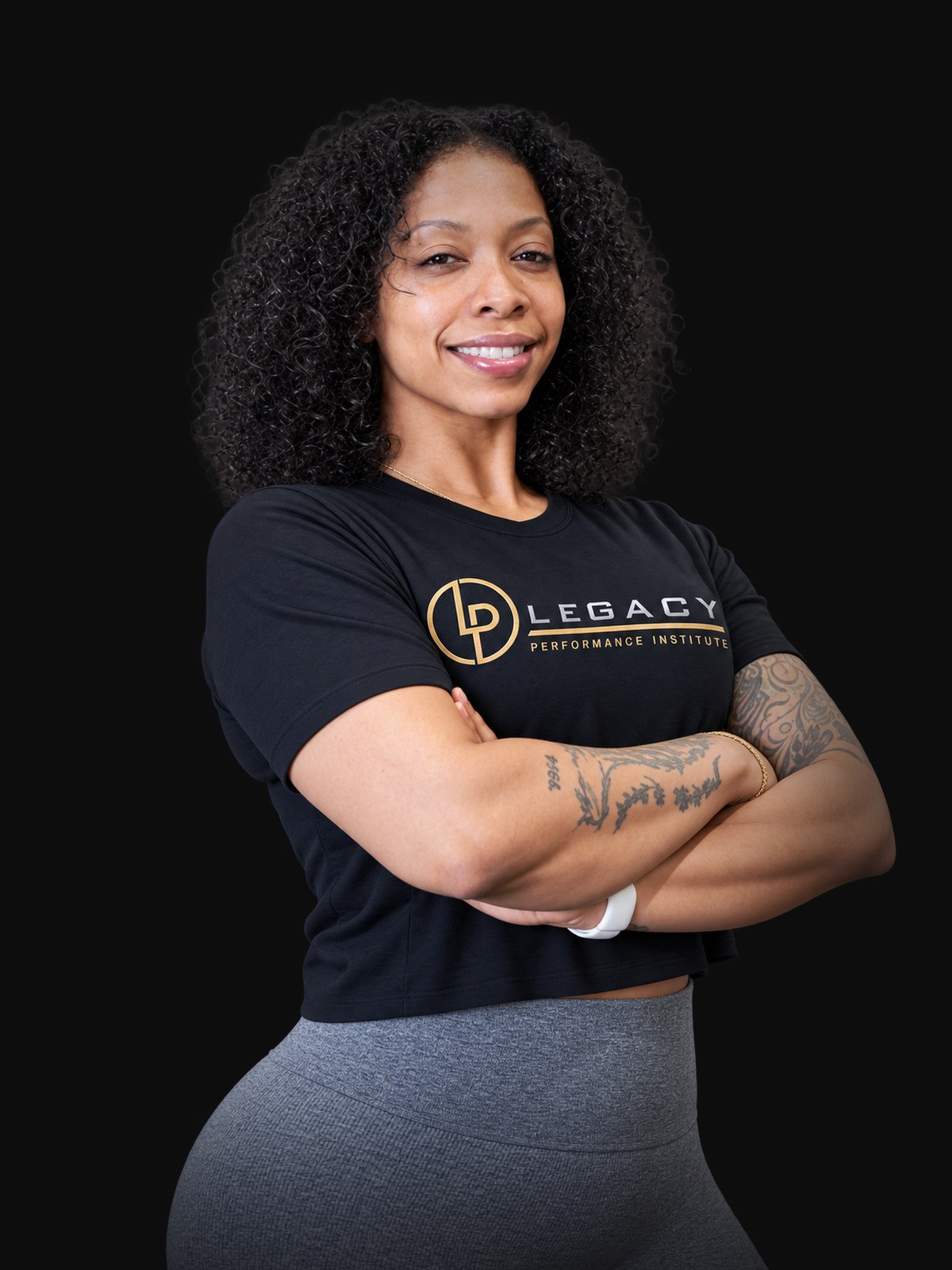
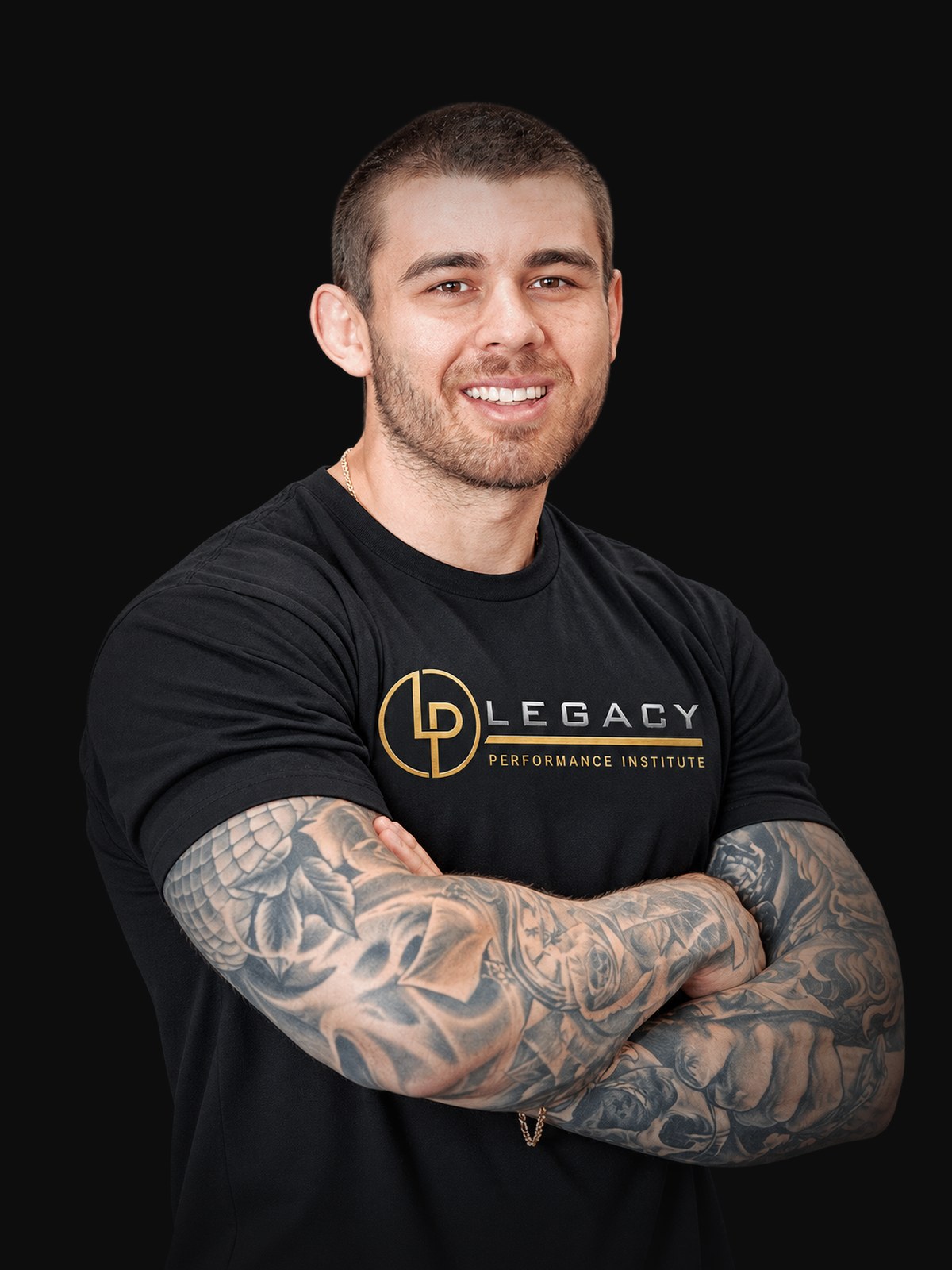
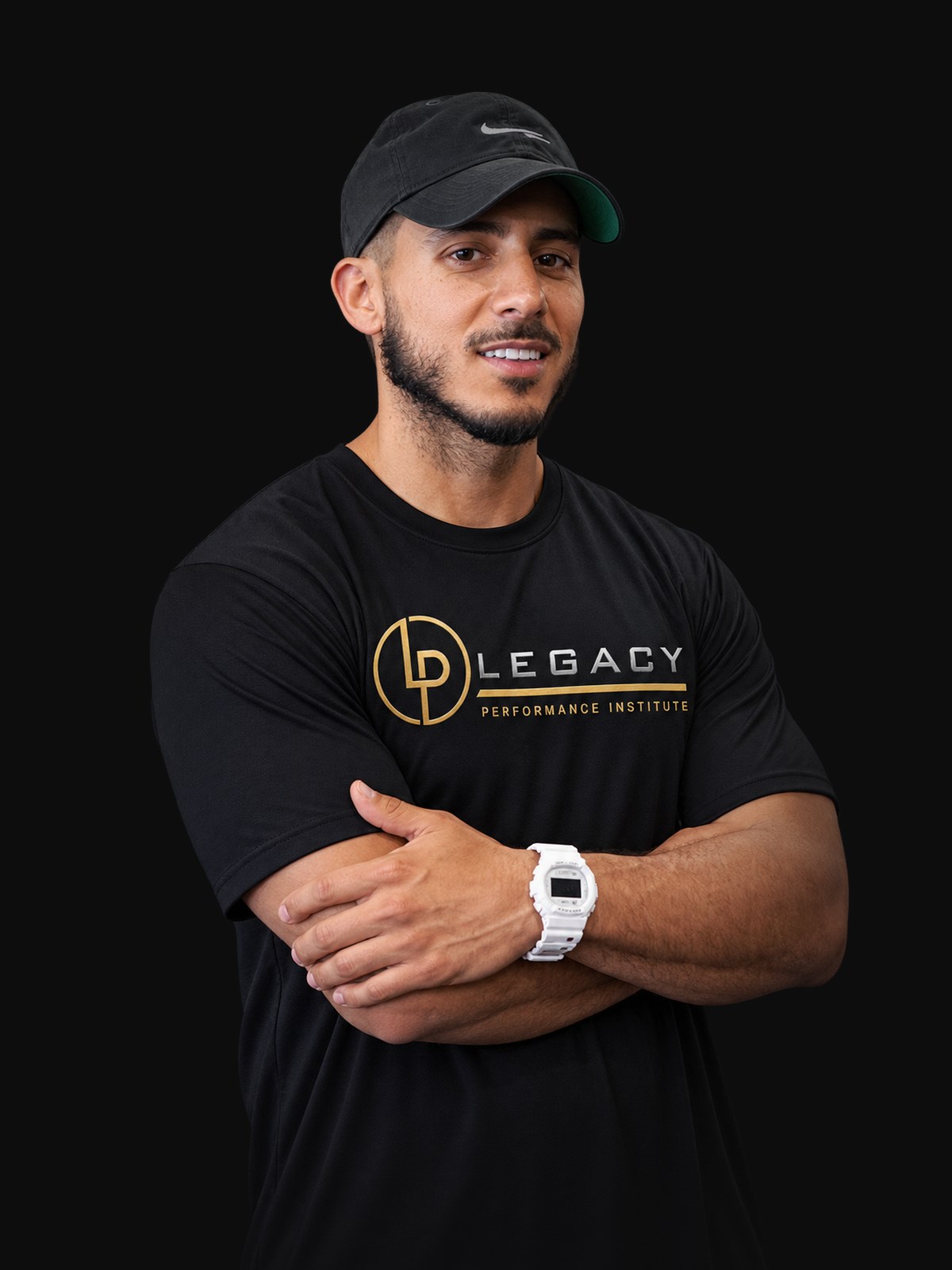
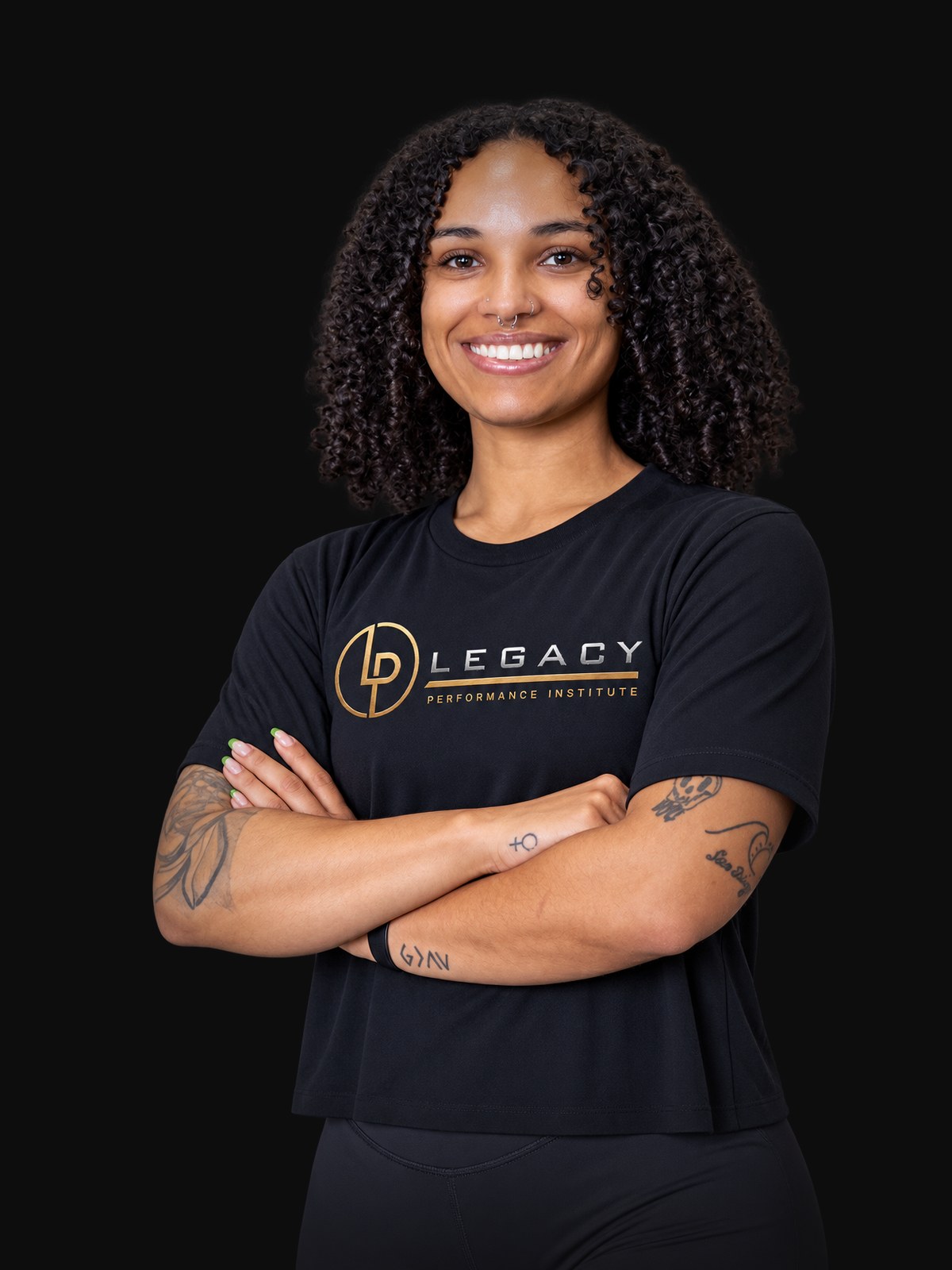
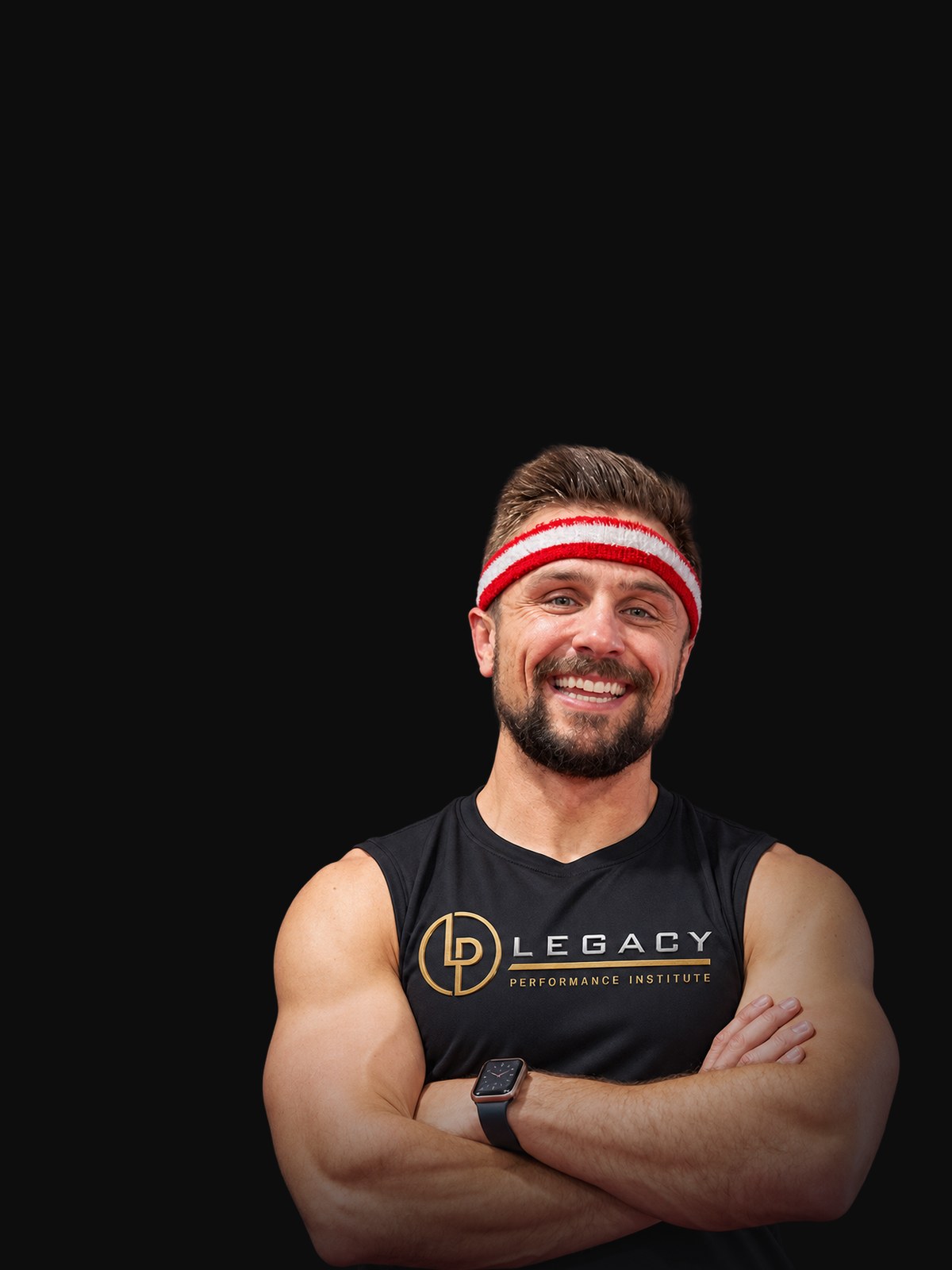
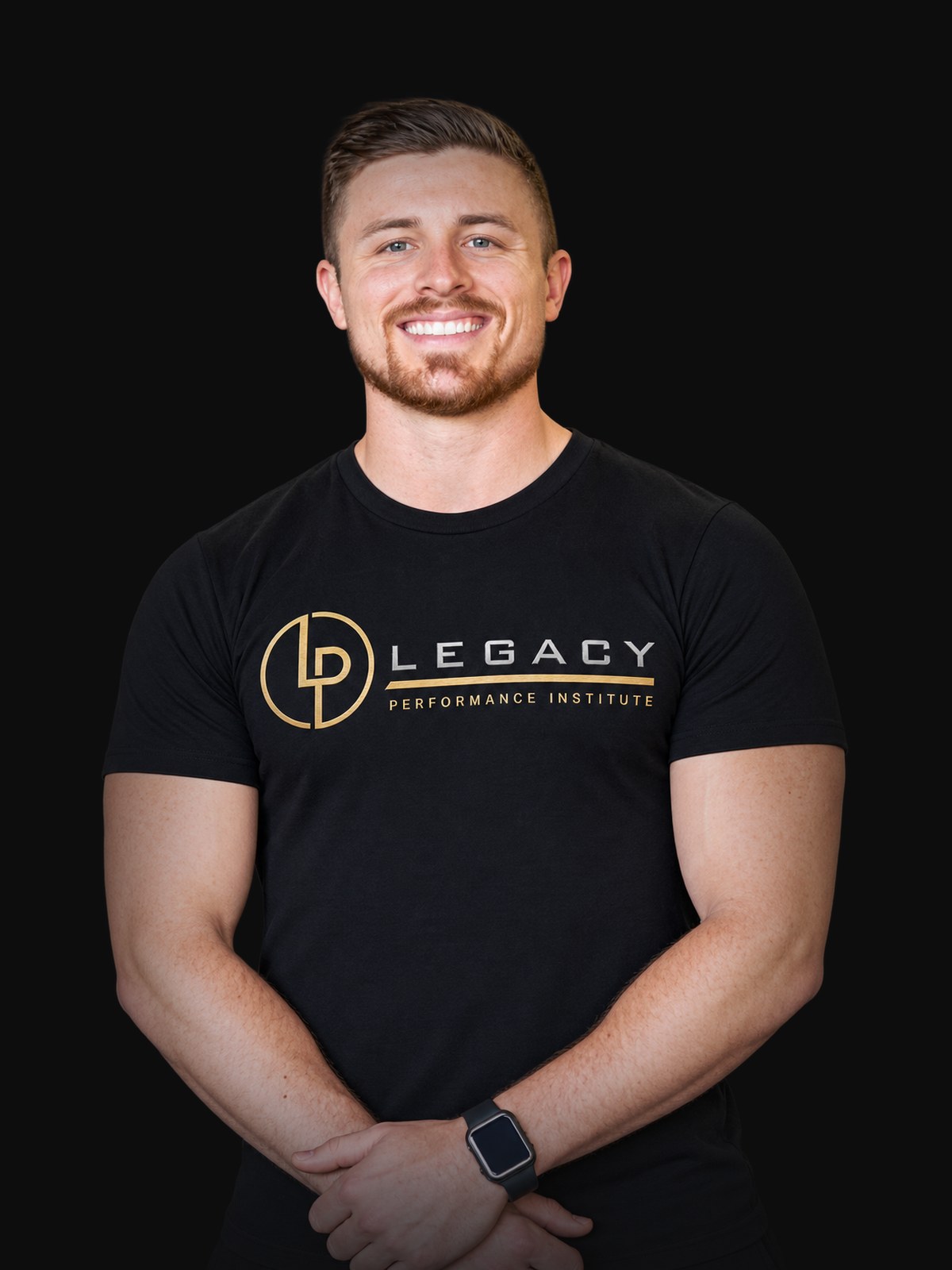
Meet the flexibility and mobility coaches.

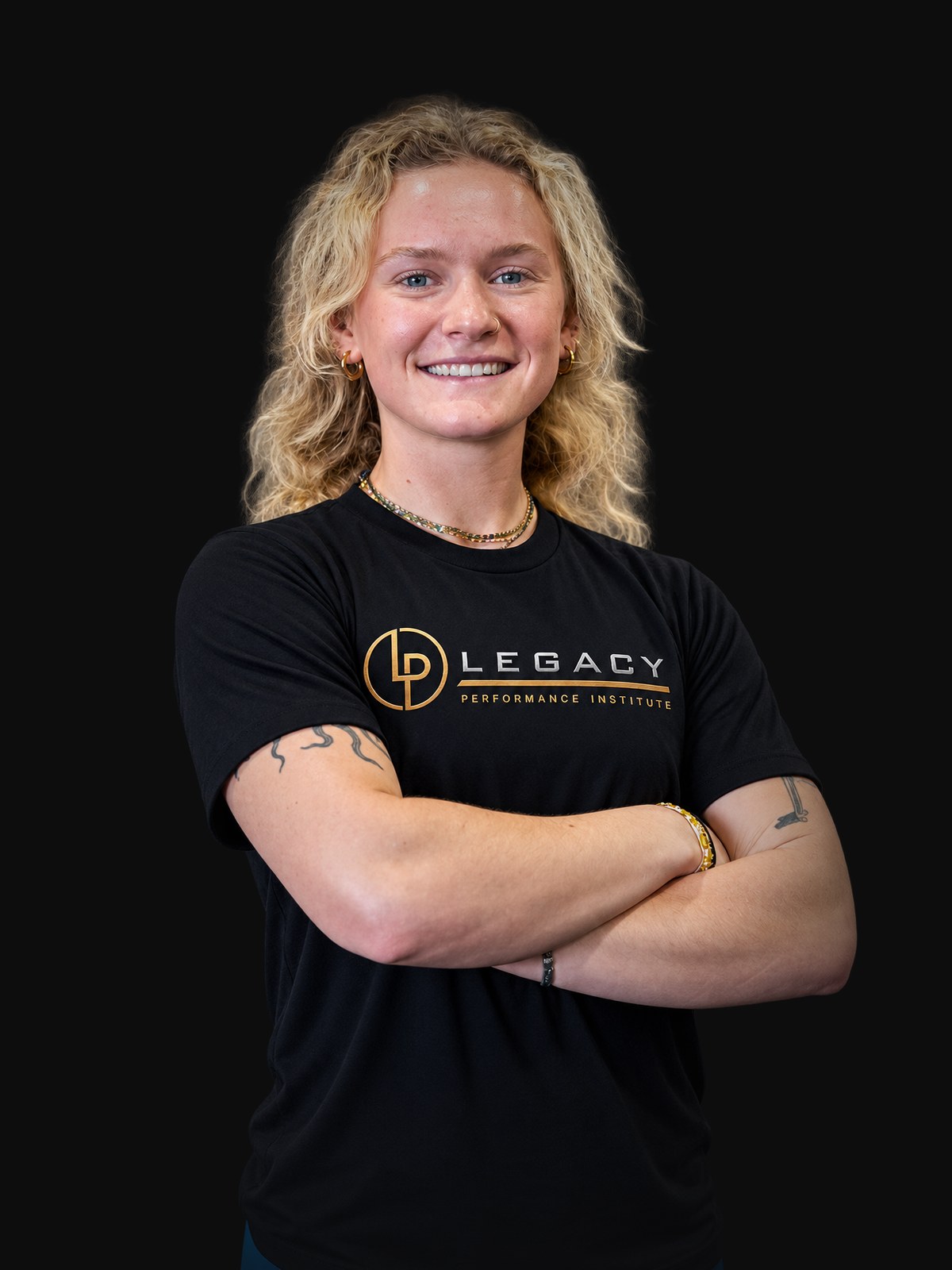
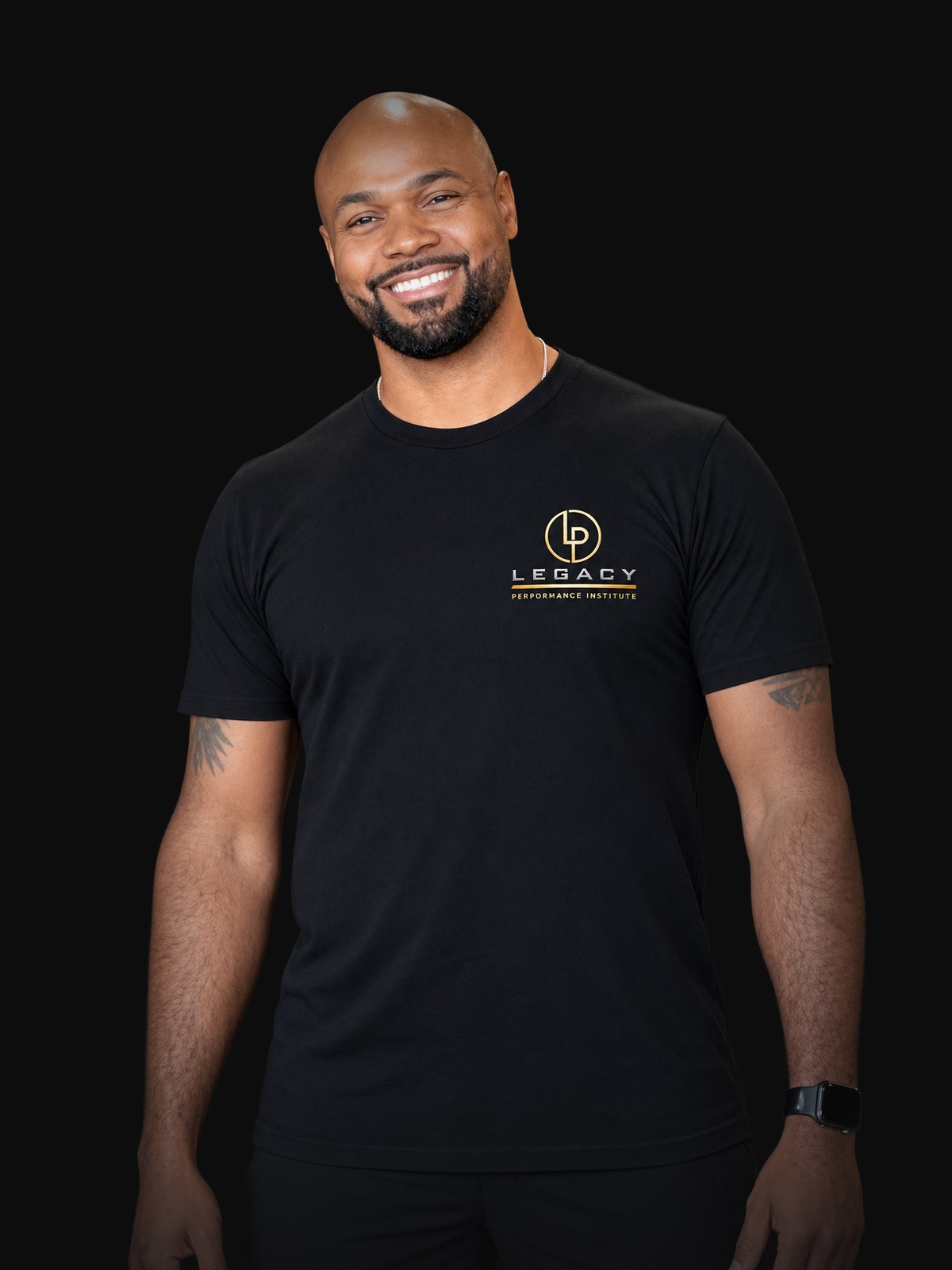
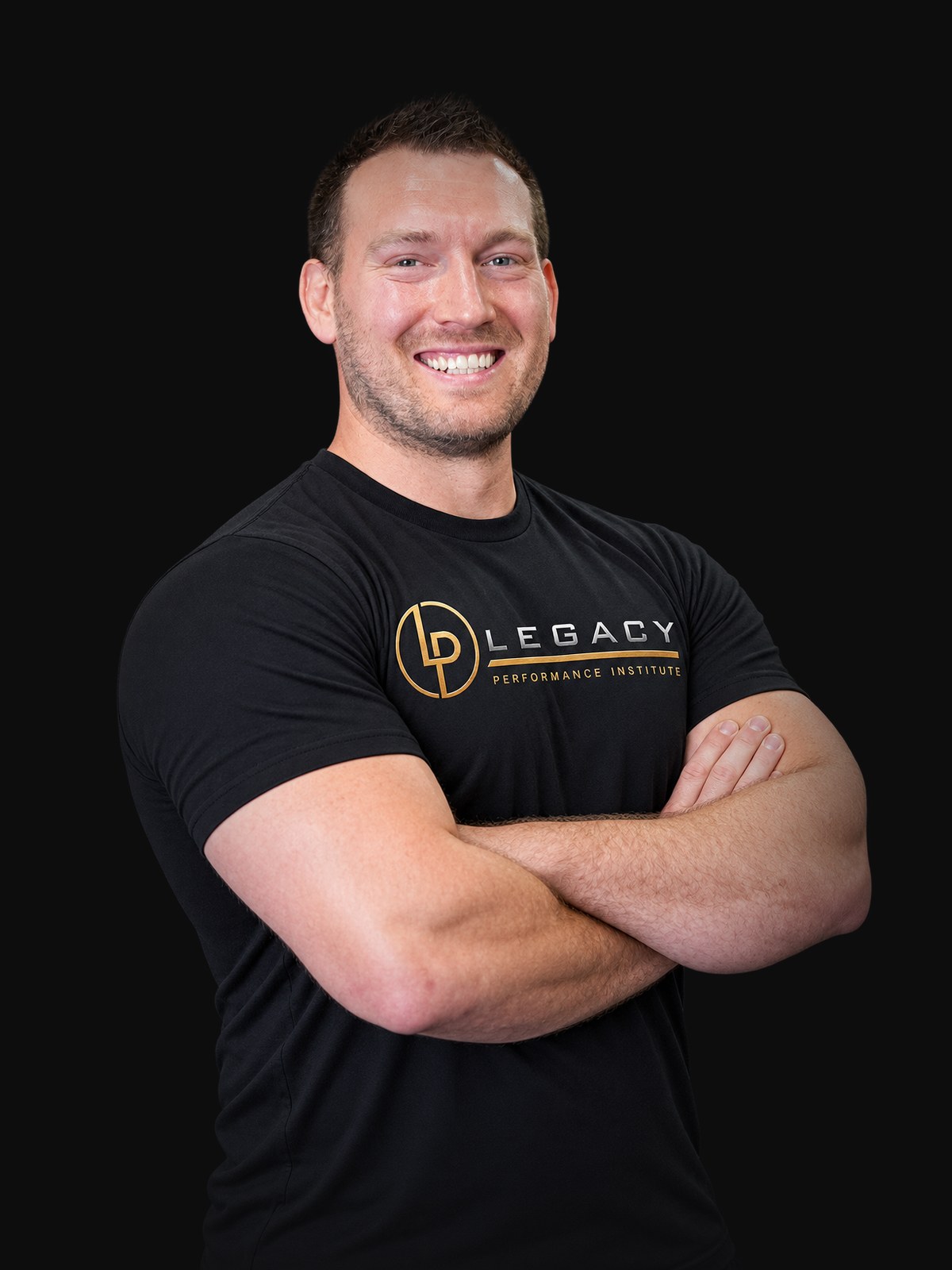
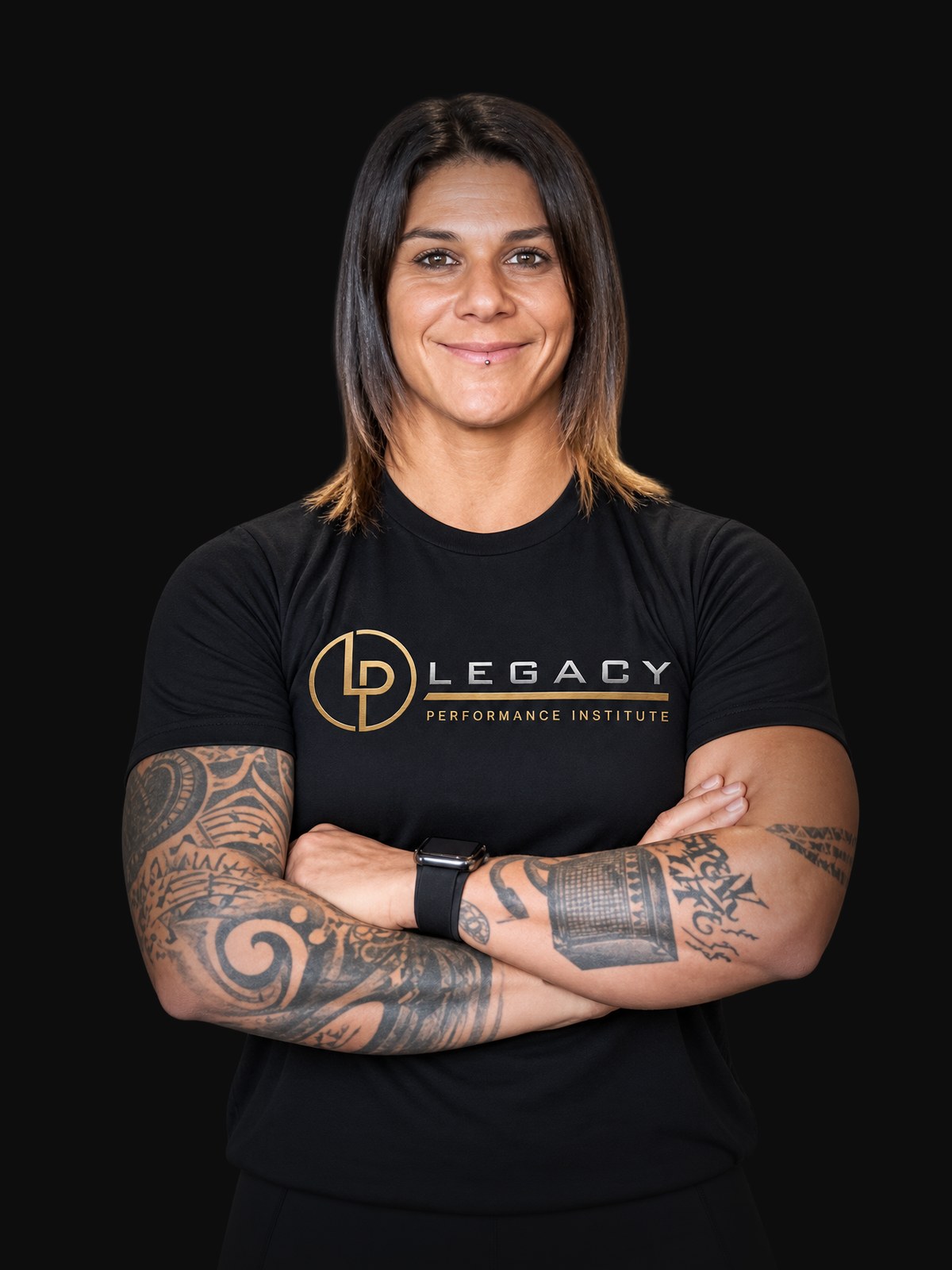
Every coach here names this specialty on their own profile. Open one to read their story, then request a free introduction.

See all 28 San Diego coaches →

Flexibility And Mobility

Flexibility versus mobility

You can be flexible but not mobile. Someone might reach their toes when relaxed but be unable to hold a deep squat with control under load. Mobility work closes that gap by building strength and control at the end of your available range, not only stretching into it.

That is why coached sessions mix passive stretching with active drills, such as controlled joint rotations, loaded stretches, and slow strength work in long positions.

Flexibility And Mobility

What a session involves

A coach usually starts with a short assessment: ankle bend, hip rotation, thoracic rotation and overhead reach. From there, they pick a few priority areas instead of stretching everything.

Sessions might open with ten to fifteen minutes of targeted mobility, carry it into strength work that uses the new range, and finish with a short routine you can repeat at home or after a walk on the Sunset Cliffs trail. Repetition between sessions matters more than any single long stretch.

Flexibility And Mobility

Who it suits and who should check first

It suits desk workers, lifters stuck at a depth or overhead position, surfers and paddlers who need rotation and shoulder range, and older adults who want to keep moving comfortably.

If you have joint replacements, hypermobility, a recent sprain or surgery, or nerve symptoms like numbness, see a physician or physical therapist first. More range is not always better, and some joints need stability more than stretch.

Flexibility And Mobility

Measuring progress

Coaches retest the same positions every few weeks: how close your knee gets to the wall in an ankle test, how far you rotate while seated, whether you can hold a deep squat for a set time. Photos or short videos make small gains visible, and the most useful sign is often that a lift or daily task simply feels easier.

When choosing a coach, ask how they decide which areas to work on first and how much of the work they expect you to do on your own. A coach who gives you a short, specific routine and checks that you are doing it is usually more useful than one who stretches you passively for half the session.

How It Is Coached

Corrective Exercise at Legacy.

Corrective exercise looks at how you move, finds the patterns that are limited, compensated or painful, and builds a program of mobility, activation and strengthening to improve them. It is training, not medical treatment, and good coaches coordinate with your physician or physical therapist when an injury is involved.

01

A movement assessment

Posture, range of motion and basic movement patterns are screened so the plan targets what is actually limiting you.

02

Targeted mobility and activation

Short, specific drills open restricted areas and wake up underused muscles before and between strength work.

03

Strength built through better positions

Once a pattern improves, it is loaded progressively so the gain holds up under real weight and real life.

04

Clear boundaries

Coaches do not diagnose or treat injuries. Pain that is new, severe or lasting should be seen by a medical professional first.

Who it suits
  • People with stiffness, postural habits or nagging aches from desk work or past injuries
  • Lifters and athletes who want to move better and stay training
  • Those returning to exercise after time off
  • Anyone cleared by a clinician and looking for the next step after rehab
Related specialties in San Diego
Further Reading

Guides from the San Diego coaches.

How long before I notice a difference?

Many people feel looser within a few sessions, but lasting change in range usually takes consistent work over weeks. A coach can set realistic checkpoints.

Is stretching before lifting a bad idea?

Some research suggests long static holds right before heavy lifting may slightly reduce force output. Coaches often use dynamic drills before training and longer holds afterward.

Is this the same as yoga?

There is overlap, but coached mobility is more targeted and usually tied directly to how you train. Some people enjoy both.

Which coaches at Legacy San Diego offer flexibility and mobility?

Alex Kosinski, Apryl Ortega, Cameron Power, Camryn Elyse Wemmer, Coach Bizz Devers, Cody Jensen, Greg Fraser, Jorge Martinez, Kasra Iranpour, Lauren Aros, Lydia Flowers, Martin Dowers, Michael Alvarado, Mikayla Thoits, Mike Gonzalez, Ryan Pearl, Sarah Vandekar, Takeyia Harvey, Teryn Stanley, Tony Palladino, Tyler Durant, Wyatt Wermager. Each one lists flexibility and mobility on their own Legacy profile. Open any profile to read their background and request a free introduction.

Where do flexibility and mobility sessions take place?

At Legacy Performance Institute San Diego, 4030B Sports Arena Blvd, San Diego, CA 92110. Hours: Mon–Fri 6:00 AM – 9:00 PM · Sat–Sun 8:00 AM – 6:00 PM · 24/7 for VIP Access members.

How much does it cost?

Coaching is priced by each coach, typically per session or as a package, and quoted after your free introduction. No membership is required to train with a coach. Coaching is booked directly with the coach you choose.

Do I need experience to start?

No. Your coach starts with an assessment and builds the program to your level. Your first consultation and introductory session with a Legacy coach is free, with no obligation.

Can corrective exercise replace physical therapy?

No. Corrective exercise is coached training. If you are recovering from an injury or surgery, follow your physician or physical therapist first, and ask your coach to work alongside their guidance.

This is general fitness information, not medical advice. Check with your physician before starting a new exercise or nutrition program, especially if you have a medical condition, an injury, or are pregnant.

Start Here

Start flexibility and mobility with a coach.

Your first consultation and introductory session with a Legacy coach is free, with no obligation. Tell us about your goals and we will match you with the right coach.