Strength Training for Pickleball: A Del Mar Trainer’s Injury-Prevention Guide
A client walked into our Del Mar facility last spring holding an ice pack to her ankle.
This specialty covers two related jobs: helping people return to full training after their clinical rehab ends, and building the strength and movement habits that may lower the chance of getting hurt in the first place. Thirty-two coaches at Legacy Del Mar list it. It draws people who were discharged from physical therapy but do not yet feel ready for their old routine, and active locals who want to stay in the game.
Every coach here names this specialty on their own profile. Open one to read their story, then request a free introduction.










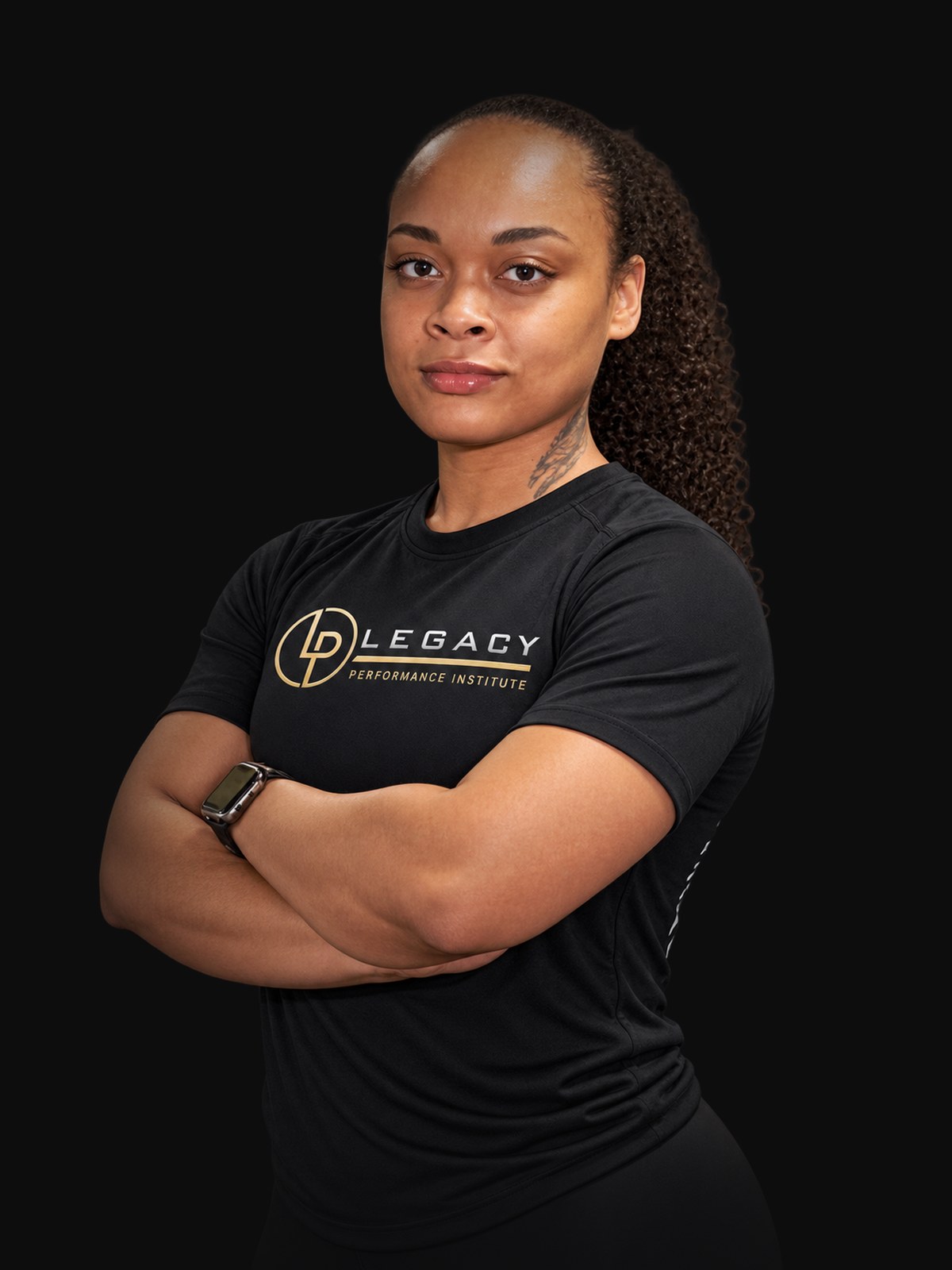
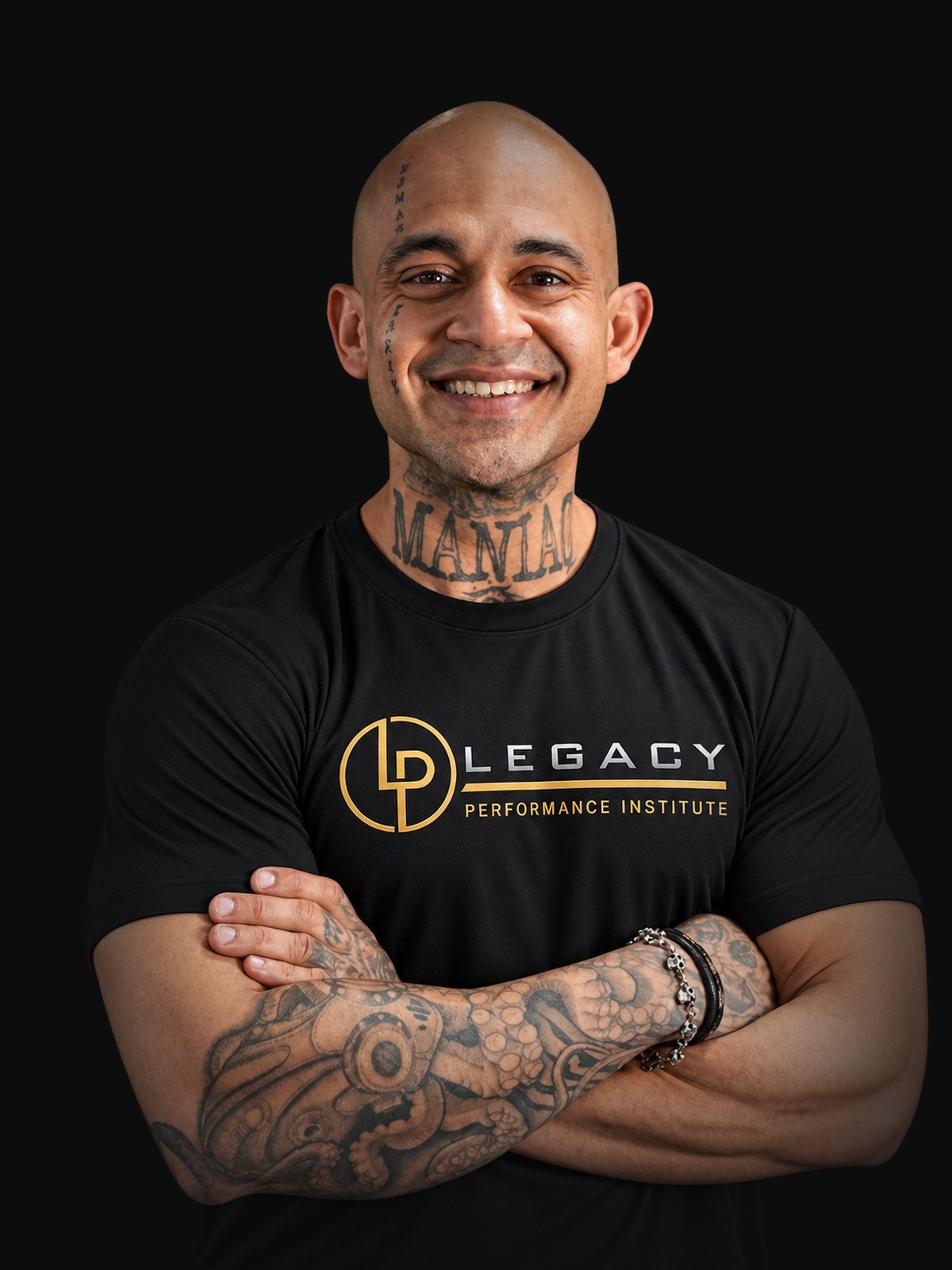
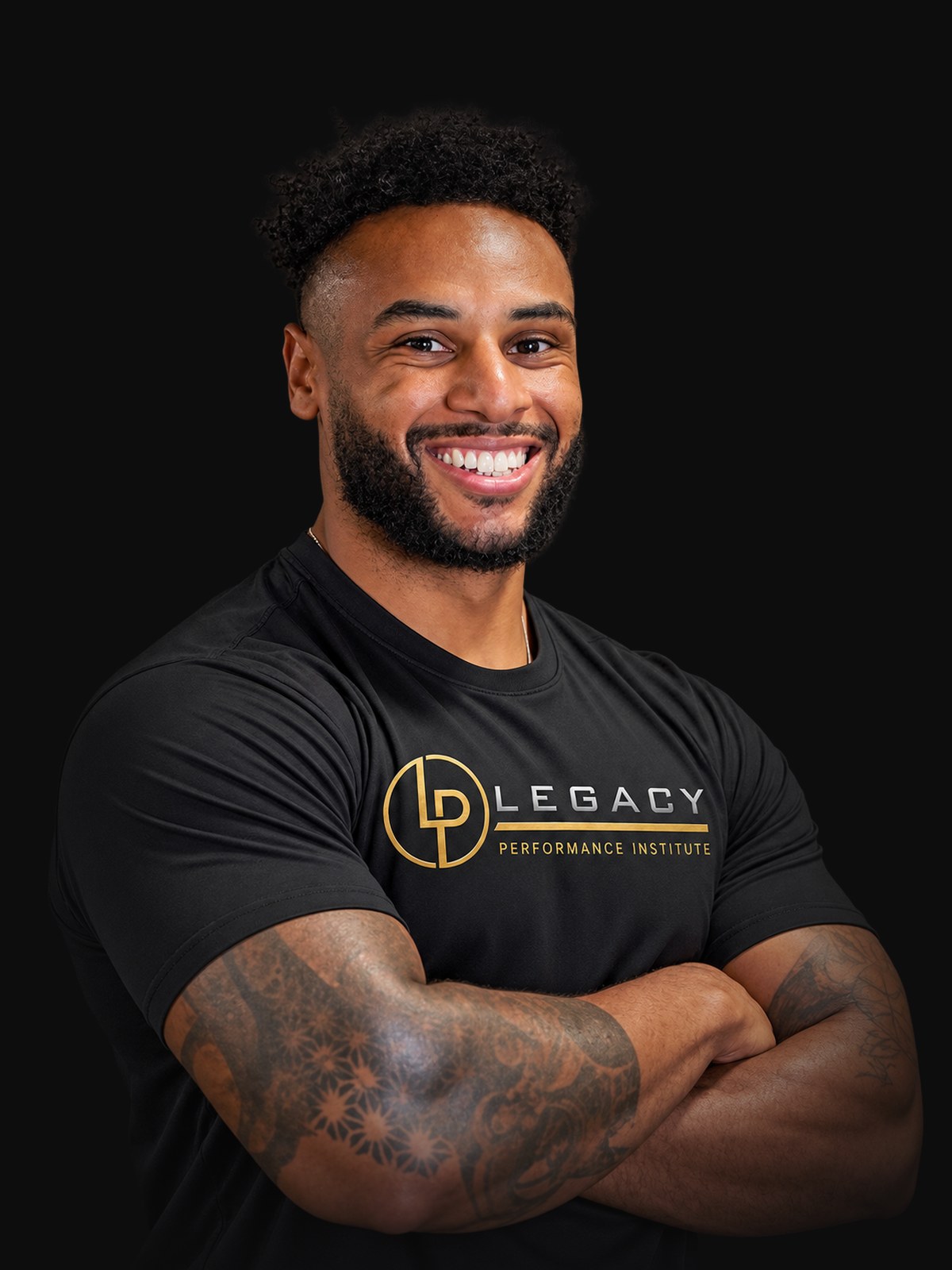
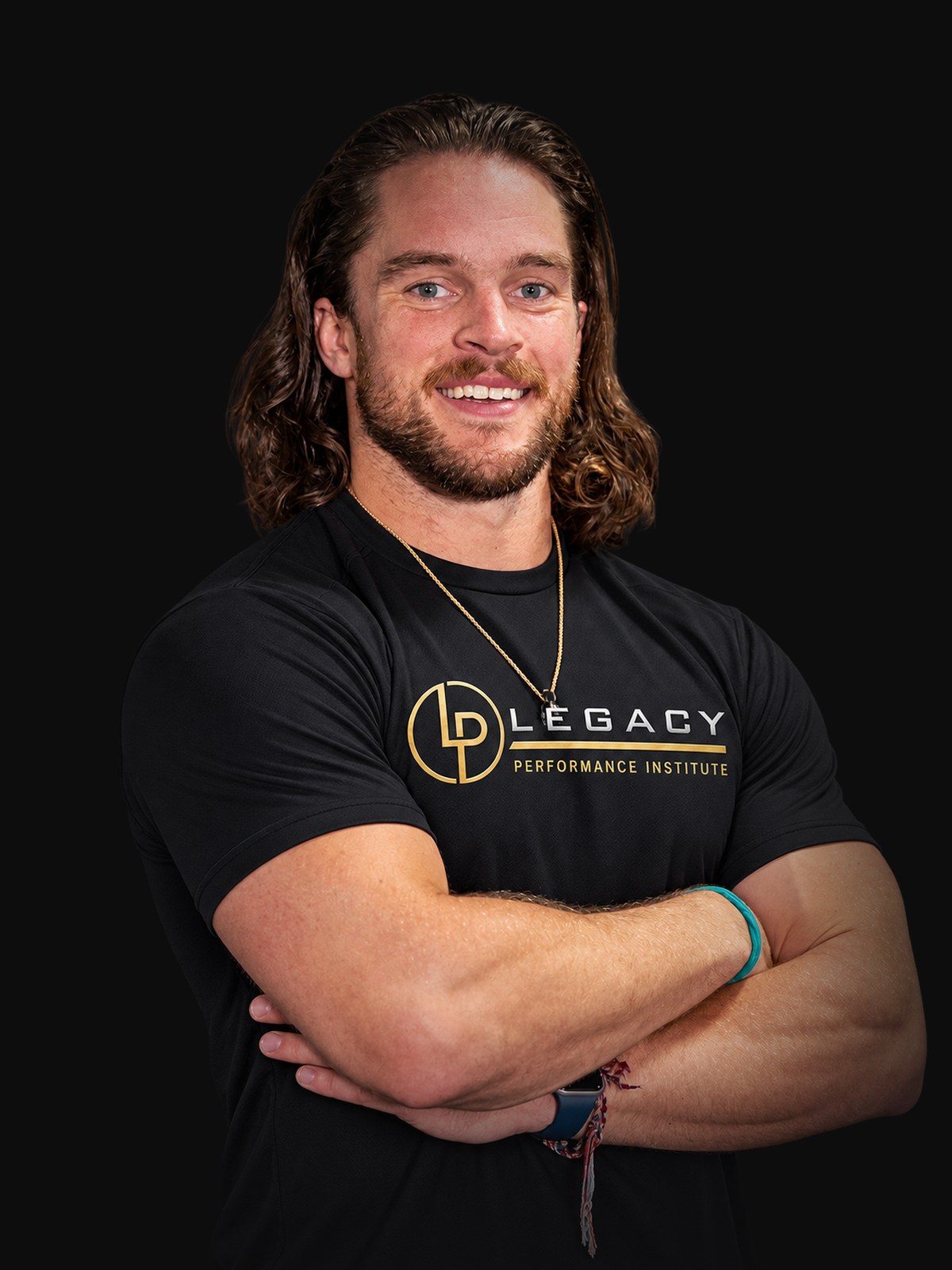
Coaches who list this specialty work on the training side. They do not diagnose injuries, prescribe treatment or replace a physician, physical therapist or other licensed clinician. If you are injured, get evaluated by a clinician first and obtain clearance before training. If you are still in treatment, the coach's role is to work within the limits your provider sets.
A careful coach will stop and refer you back if pain changes character, swelling returns, or a movement that was fine starts to hurt.
Insurance-covered therapy often ends when you can do daily tasks, which may be well before you can sprint, surf, lift heavy or play a full tennis match. That gap is where many people stall or re-injure. A coach helps bridge it by progressing load, speed and complexity gradually, using the restrictions and exercises your therapist provided as a starting point.
With your permission, it helps when the coach and your therapist can share notes, so progressions match what the clinician expects.
For people who are not hurt, prevention-minded training generally means building strength through full ranges of motion, practicing landing and change of direction, improving single-leg balance, and managing how quickly training volume ramps up. Some research suggests that strength training and well-planned load progression are associated with fewer sports injuries, though no program can eliminate risk.
Runners on the coastal trails, pickleball and tennis players, and weekend athletes from Solana Beach to Sorrento Valley often bring a specific worry, such as an ankle that rolls or a shoulder that aches after serving. That becomes the starting point.
Prevention work does not have to feel clinical. Most of it looks like solid, well-coached strength training with extra attention on the joints and patterns your sport or job stresses most, done consistently over months.
Expect simple, repeatable checks: side-to-side strength differences, single-leg balance time, pain-free range of motion, hop or step tests if appropriate, and how your sport feels week to week.
Corrective exercise looks at how you move, finds the patterns that are limited, compensated or painful, and builds a program of mobility, activation and strengthening to improve them. It is training, not medical treatment, and good coaches coordinate with your physician or physical therapist when an injury is involved.
Posture, range of motion and basic movement patterns are screened so the plan targets what is actually limiting you.
Short, specific drills open restricted areas and wake up underused muscles before and between strength work.
Once a pattern improves, it is loaded progressively so the gain holds up under real weight and real life.
Coaches do not diagnose or treat injuries. Pain that is new, severe or lasting should be seen by a medical professional first.
A client walked into our Del Mar facility last spring holding an ice pack to her ankle.
Marcus hadn’t been to the gym in fourteen weeks when he called us. Not because he got hurt. Not because he moved.
A client came back to us eight months after a grade 2 hamstring strain. Her physical therapist had cleared her at week 10 — full range of motion, no pain on manual testing, walked out with…
Yes, if you have a current or recent injury, surgery or medical condition. Get clearance from your physician or physical therapist and share any restrictions with your coach.
No. Coaches do not diagnose or treat. They can notice how you move and adapt exercises, but only a licensed clinician can evaluate the cause of pain.
Ask how they progress someone after physical therapy, when they refer back to a clinician, and how they decide a person is ready for running, jumping or heavy lifting again.
Andy Mog, Anna Zittel, Anthony Dain, Aqilah, Austin Camacho, Bree Norton, Brooke Heaton, Cassie Wood, Charlie Torres, Chris Koo, Coach Kos, Dacey Perez, Eli Harned, Emely Gonzalez, Emiko Jaffe, Emma Warren, Fate Villa, Jaclyn Nguyen, Jalen Russell, Joel Maddock, Jonathan Fong, Kevin Lee, Mark Kern, Martin Jones, Maya Smith, Mo Ghori, Nima Naraghi, Randy Etheridge, Shane Dempsey, Tim Chau, Wiam Yaldo, William Cui. Each one lists rehabilitation and injury prevention on their own Legacy profile. Open any profile to read their background and request a free introduction.
At Legacy Performance Institute Del Mar, 12264 El Camino Real, Suite 60, San Diego, CA 92130. Hours: 5:00 AM – 10:00 PM, seven days · 24/7 for VIP Access members.
Coaching is priced by each coach, typically per session or as a package, and quoted after your free introduction. No membership is required to train with a coach. Coaching is booked directly with the coach you choose.
No. Your coach starts with an assessment and builds the program to your level. Your first consultation and introductory session with a Legacy coach is free, with no obligation.
No. Corrective exercise is coached training. If you are recovering from an injury or surgery, follow your physician or physical therapist first, and ask your coach to work alongside their guidance.
This is general fitness information, not medical advice. Check with your physician before starting a new exercise or nutrition program, especially if you have a medical condition, an injury, or are pregnant.
Your first consultation and introductory session with a Legacy coach is free, with no obligation. Tell us about your goals and we will match you with the right coach.