

Intra-Workout Nutrition Strategies for Endurance
A client of ours — a surgeon who trains for the Solana Beach Triathlon every June — came into a Saturday session in June describing what happened on a 2-hour bluff-trail run near Torrey…
Boot camp training is a high-energy circuit format that mixes strength, bodyweight and conditioning exercises with short rests and a lot of coaching cues. People look for it when they want a challenging, efficient workout with structure and energy, often in a small group.
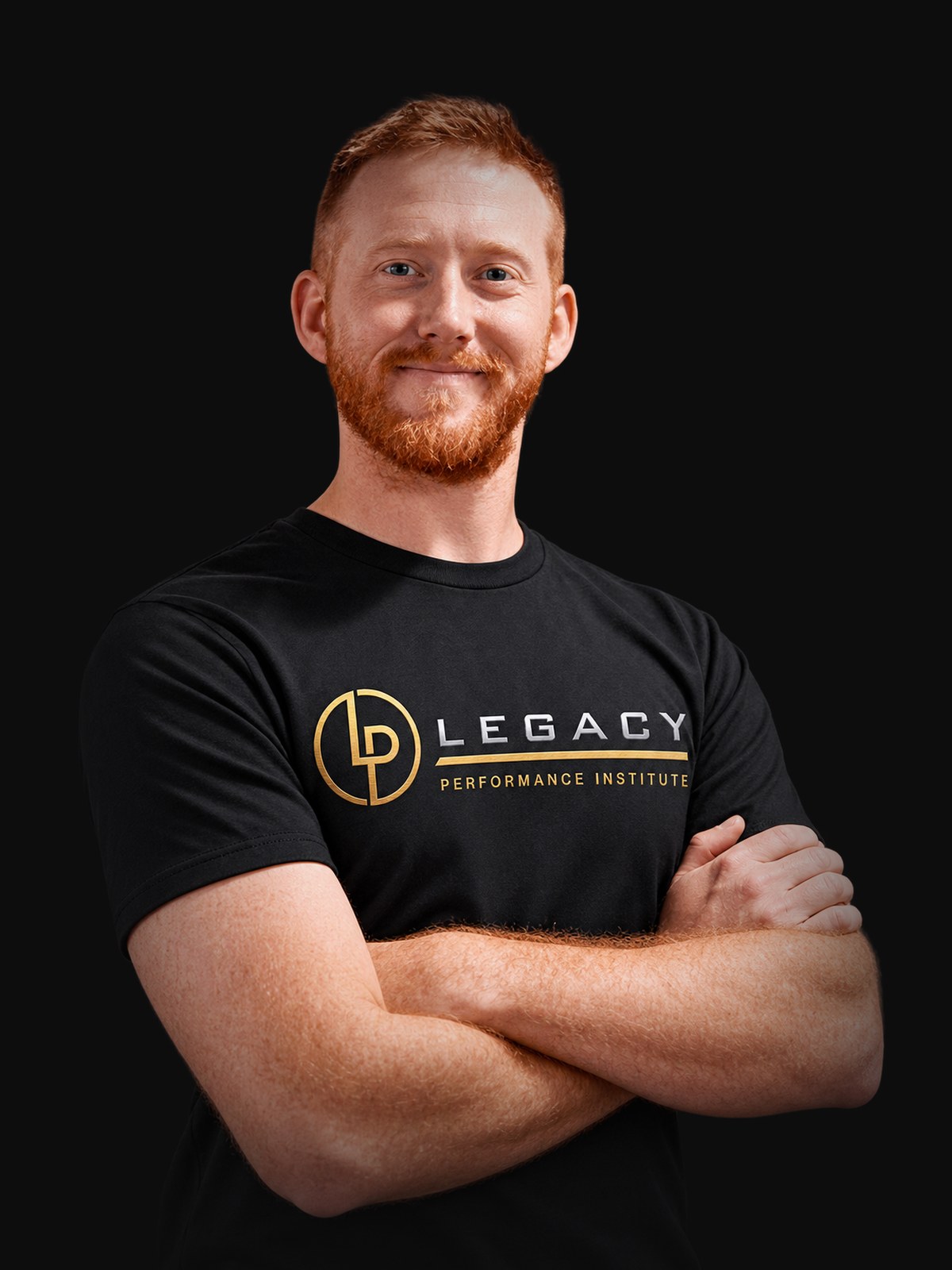
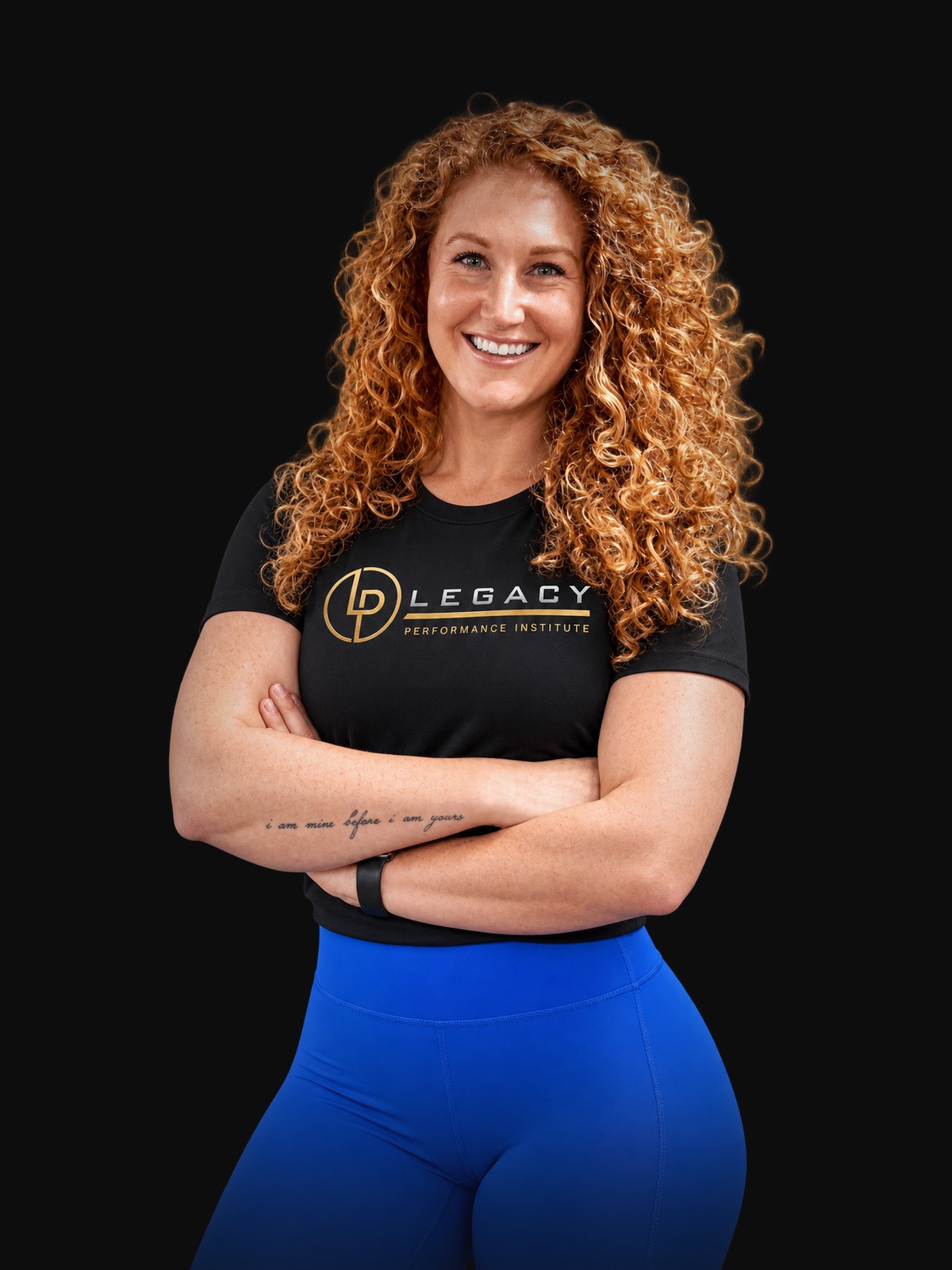
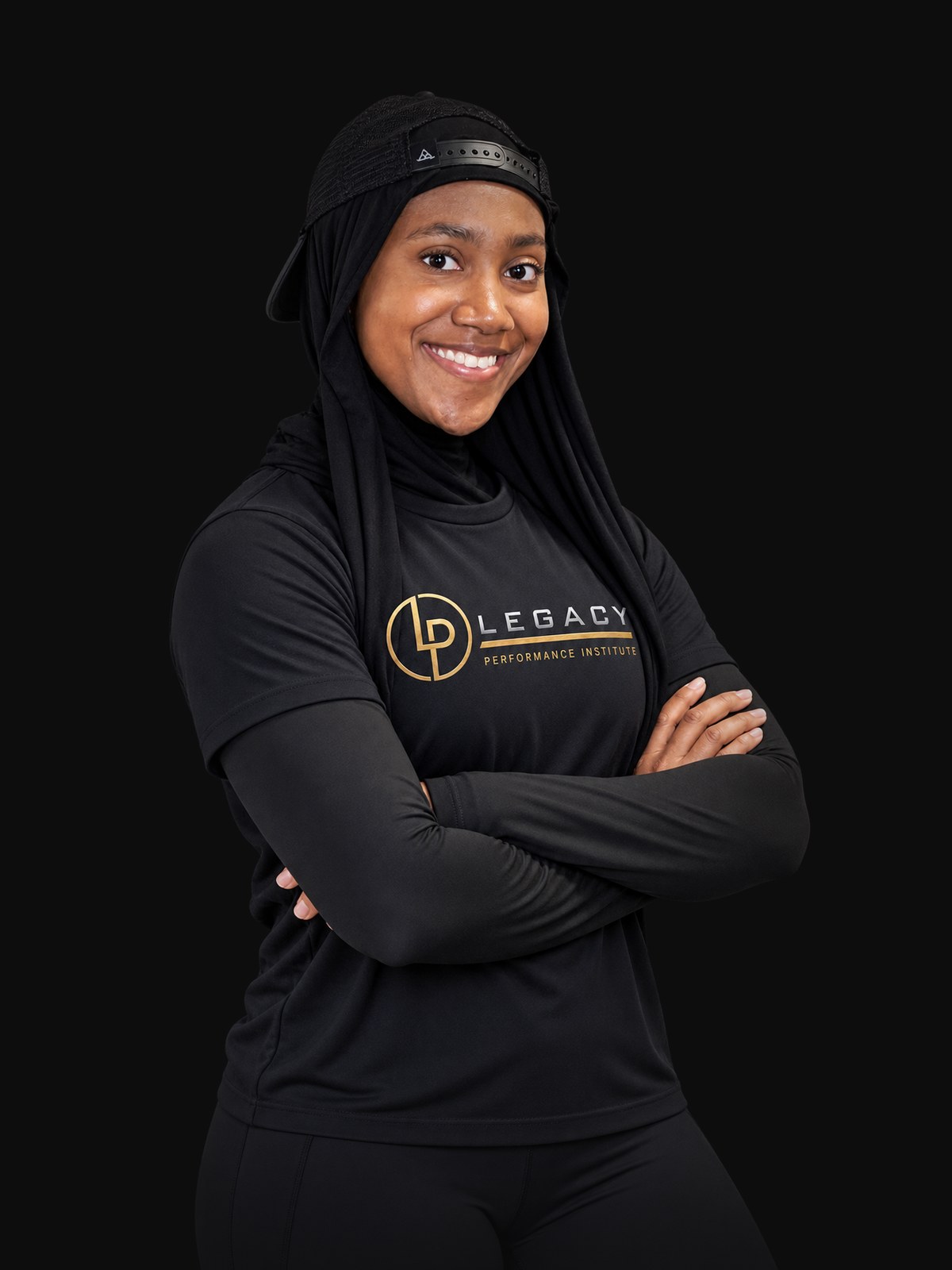
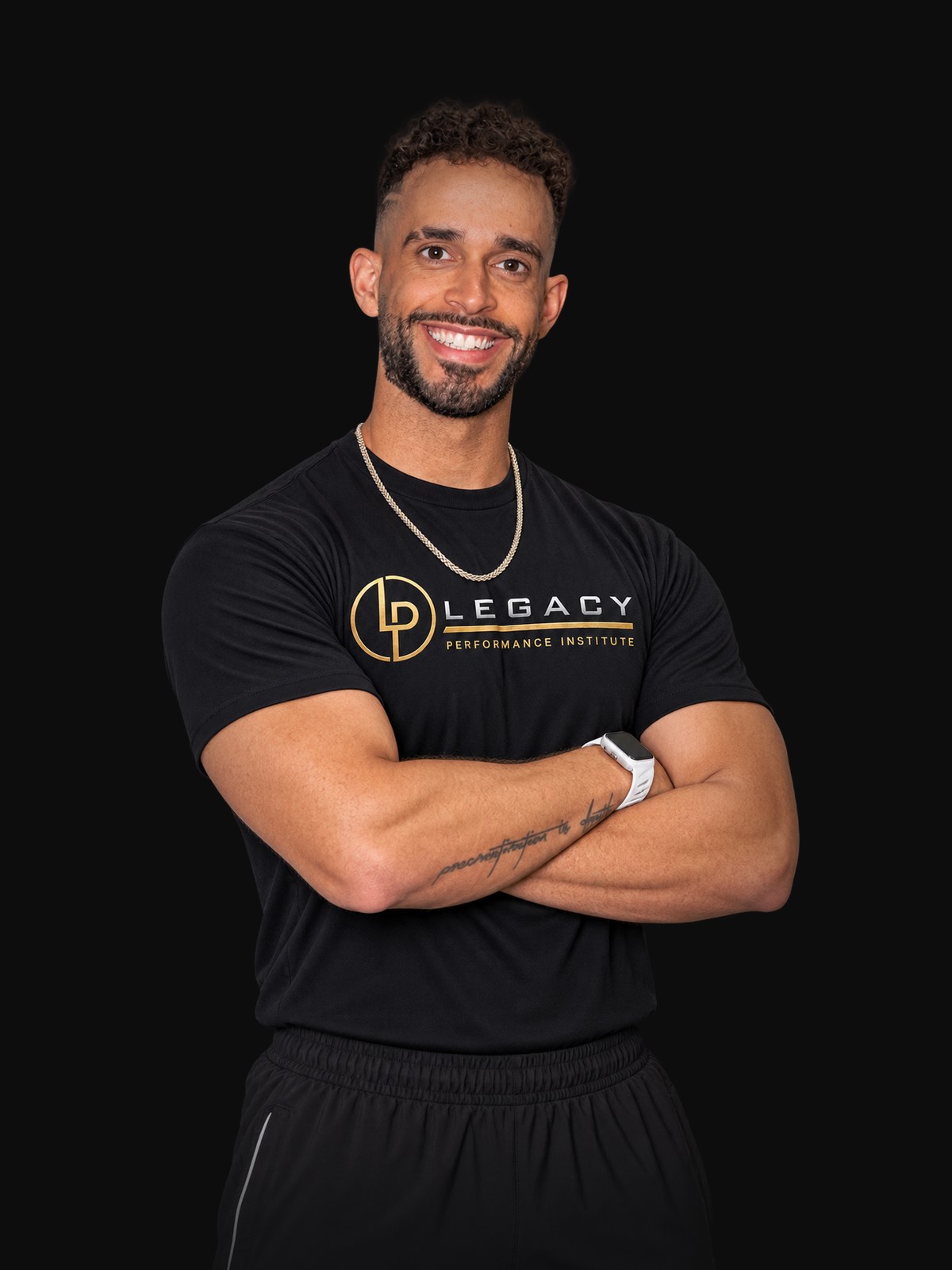
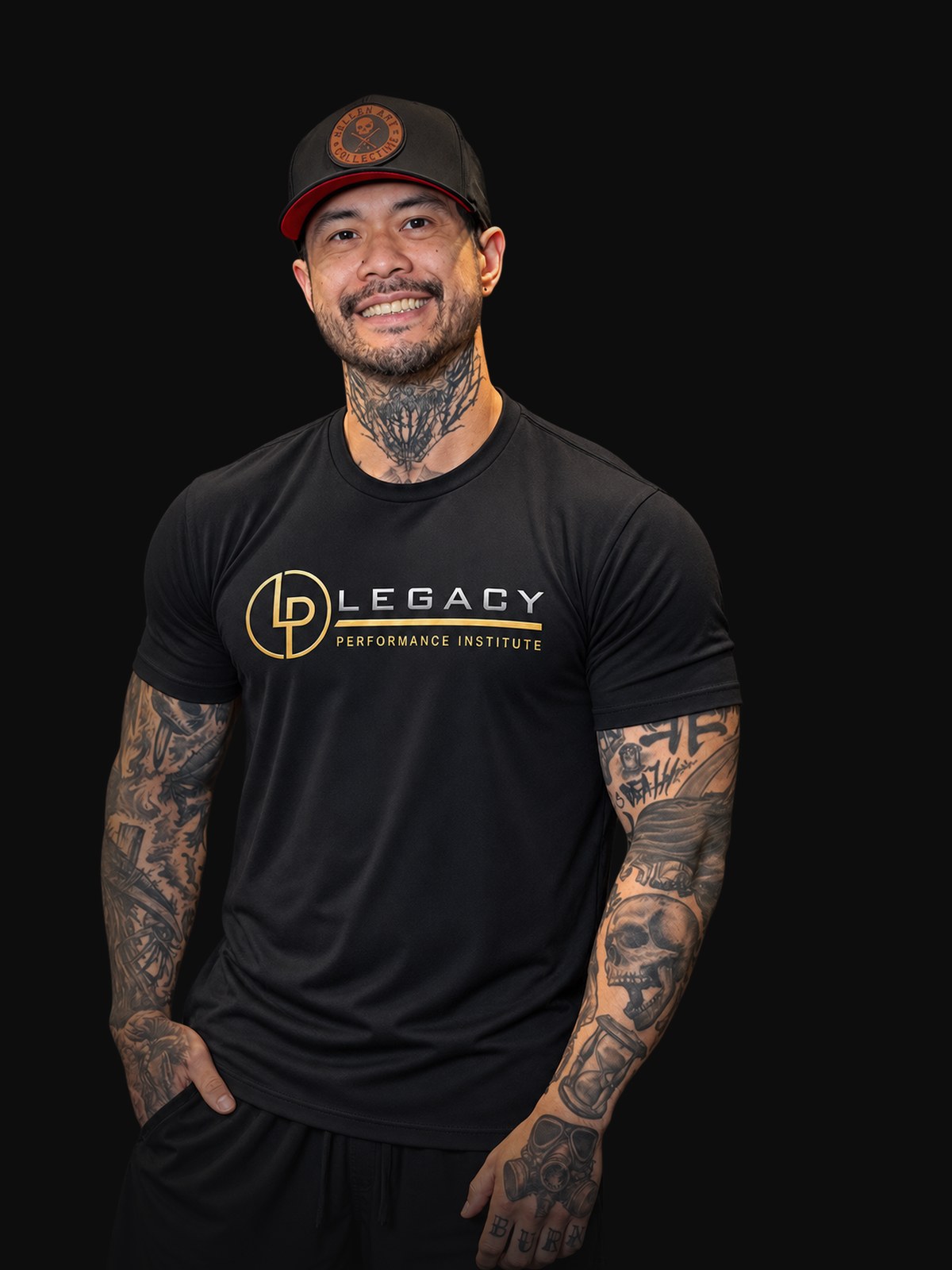
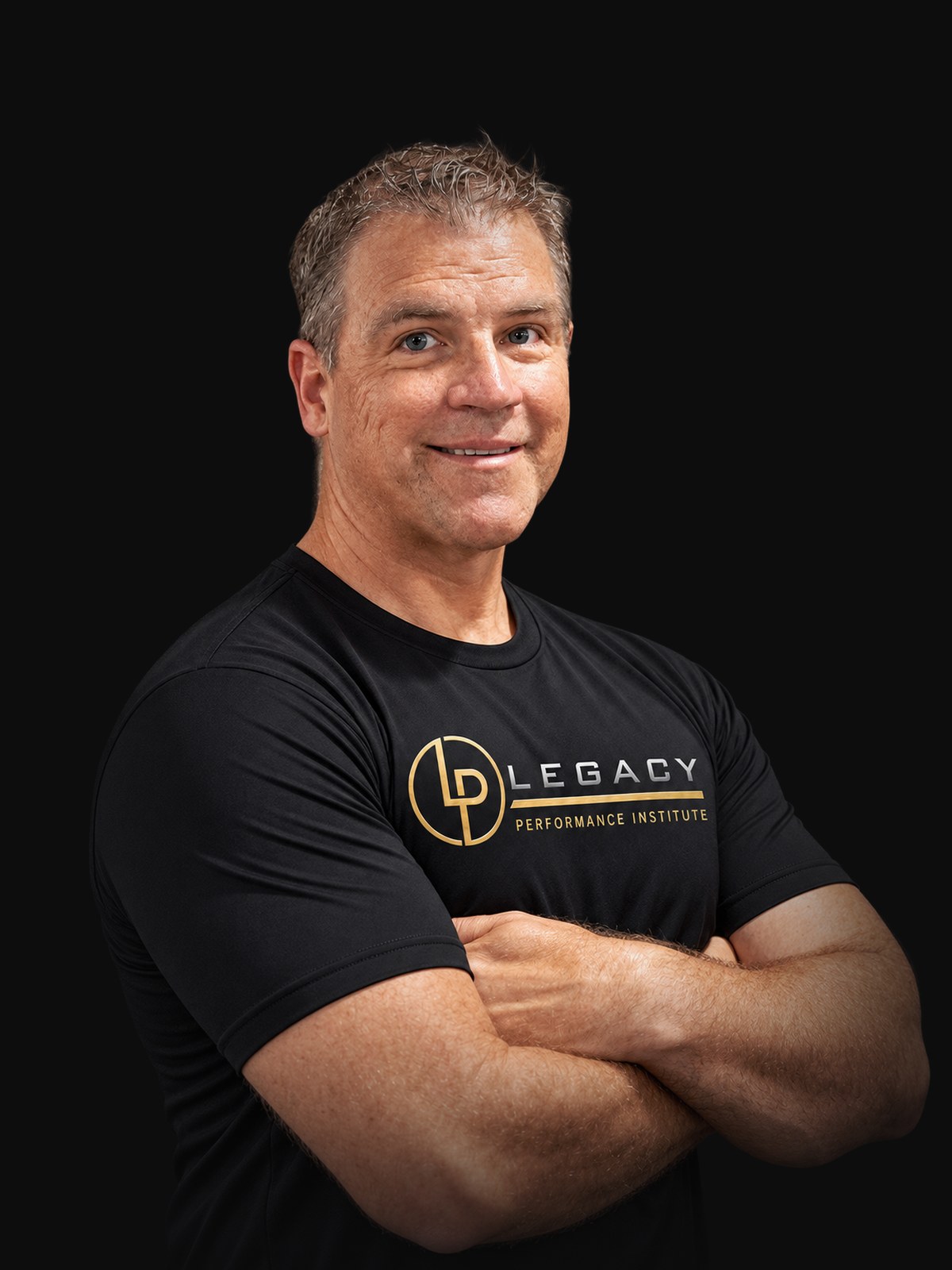
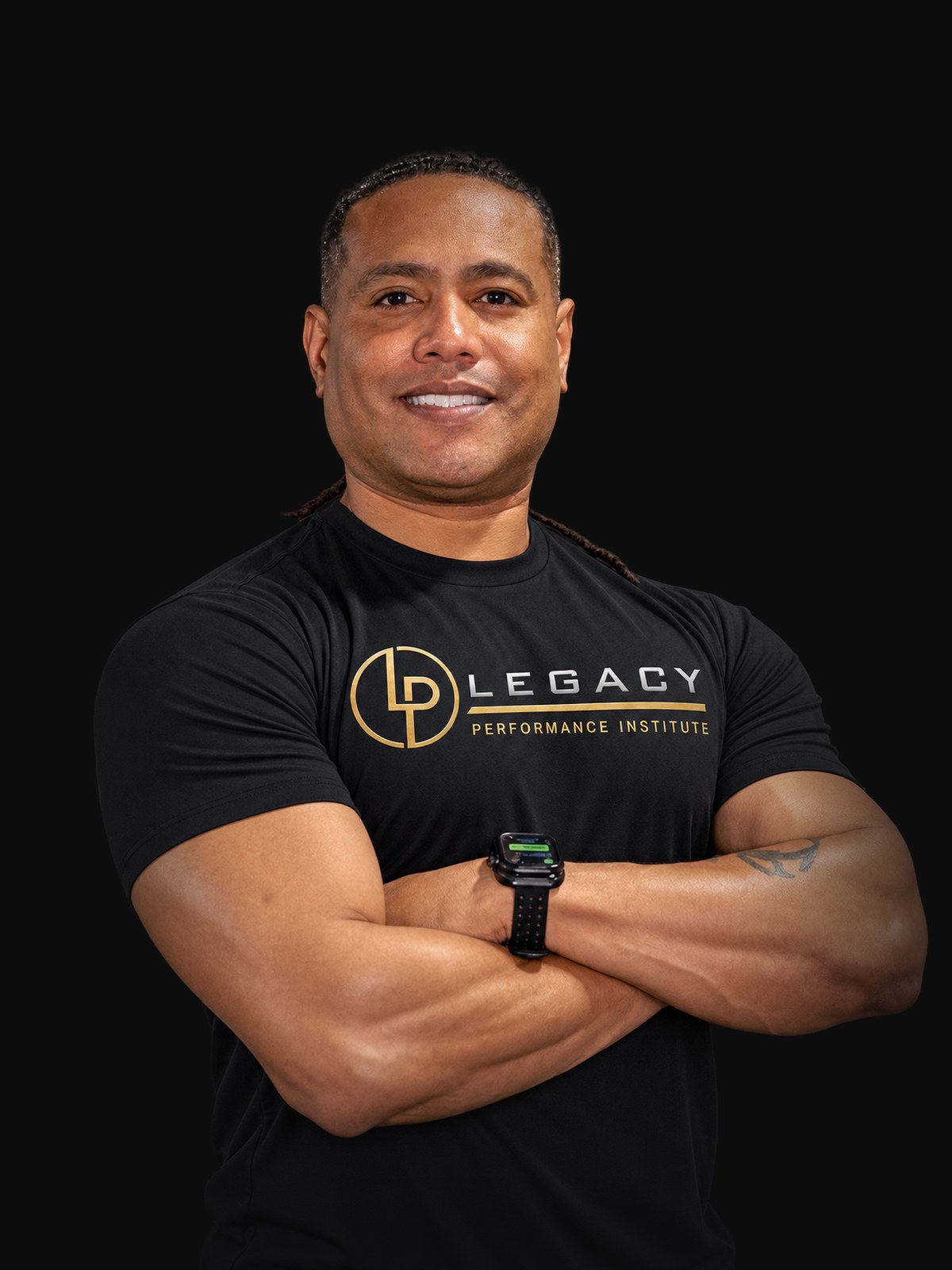
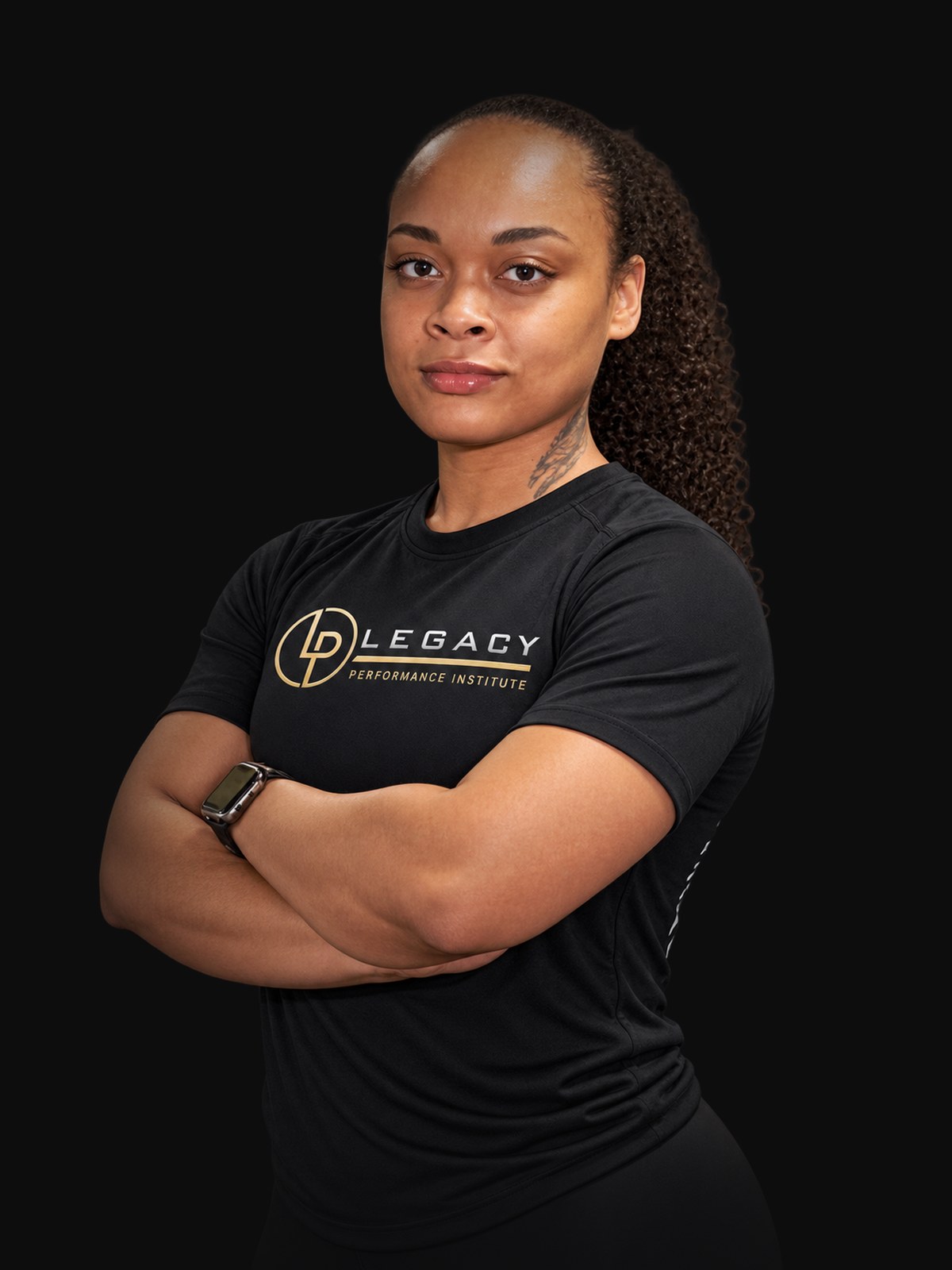
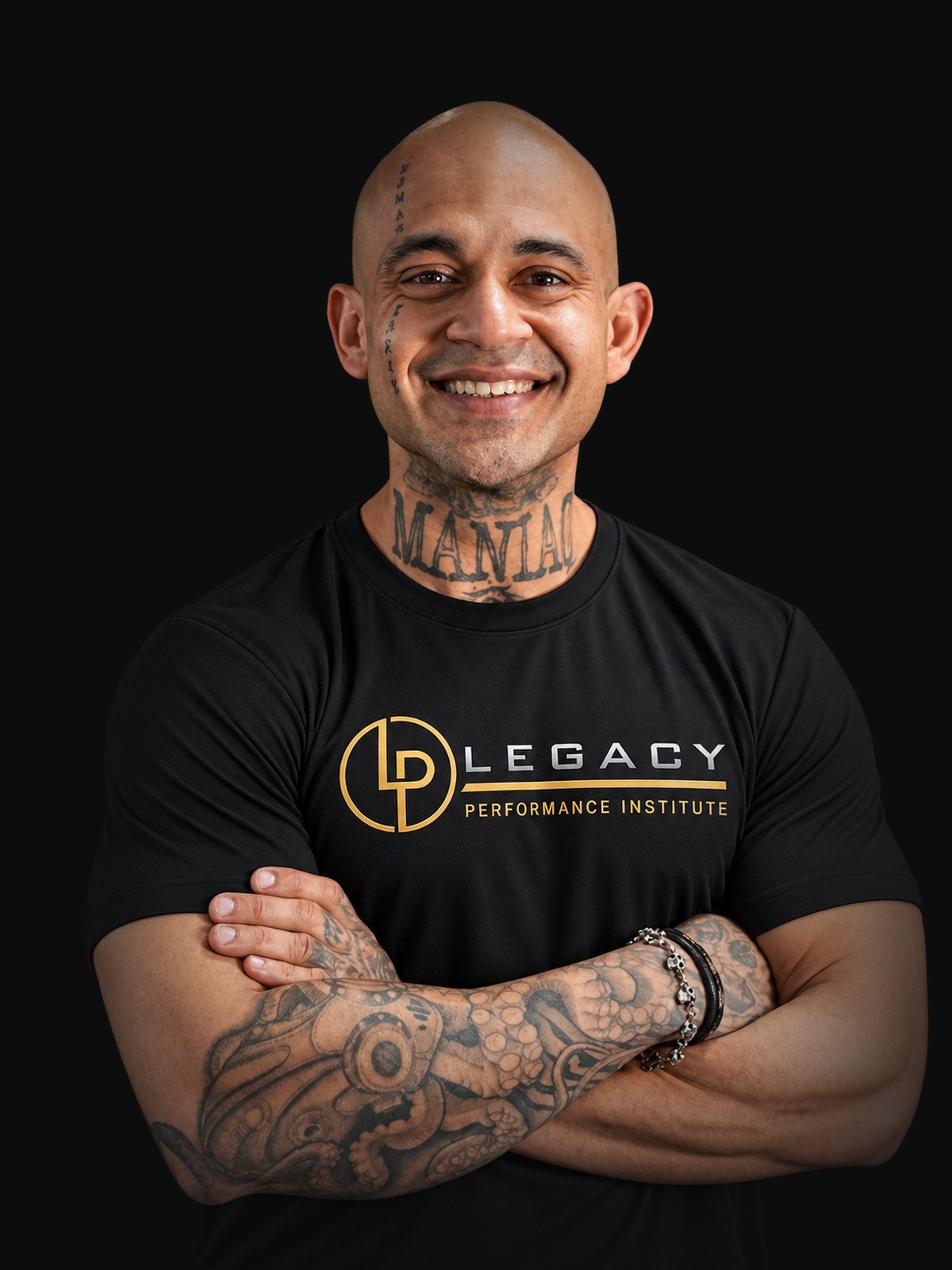
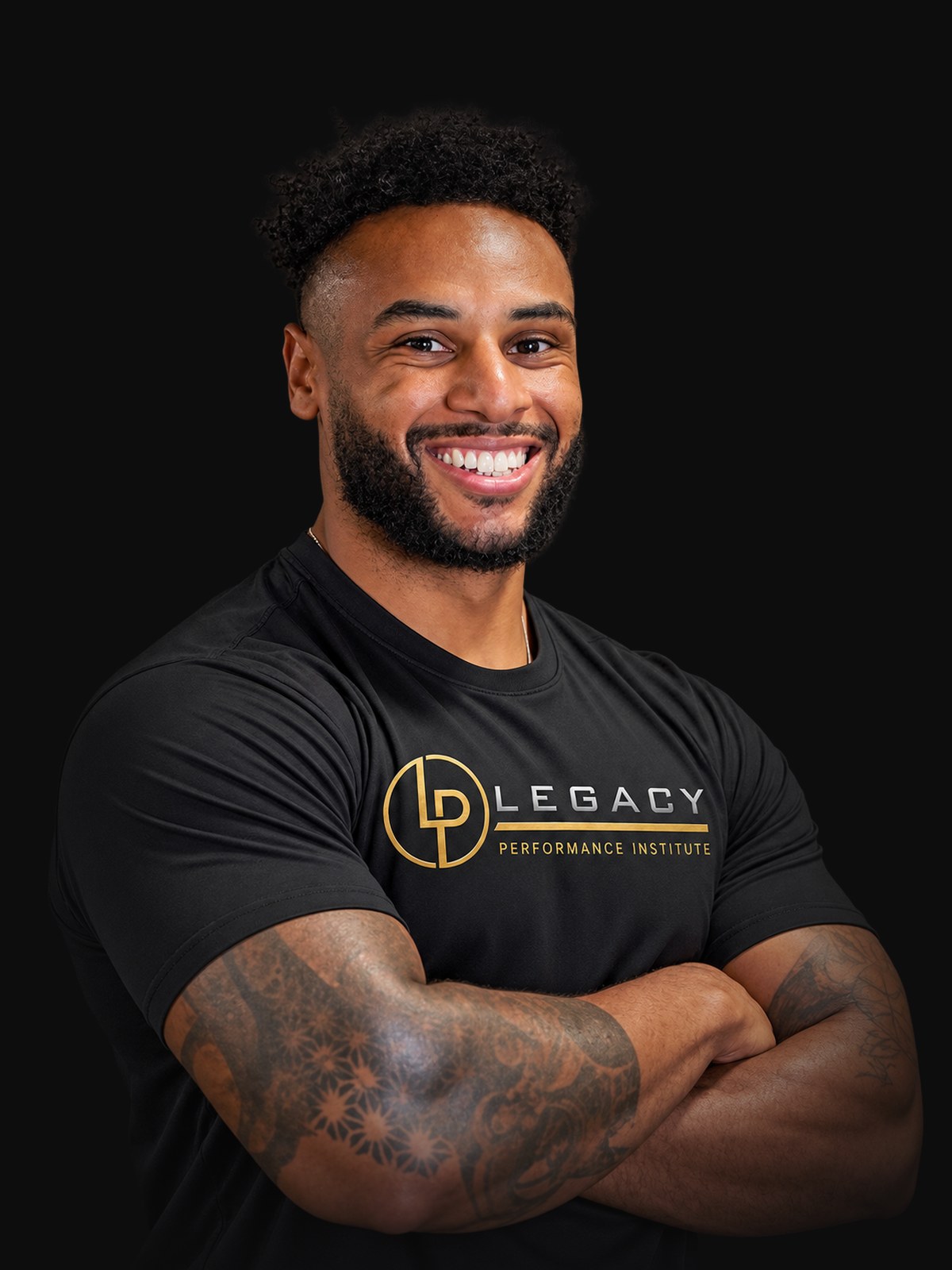
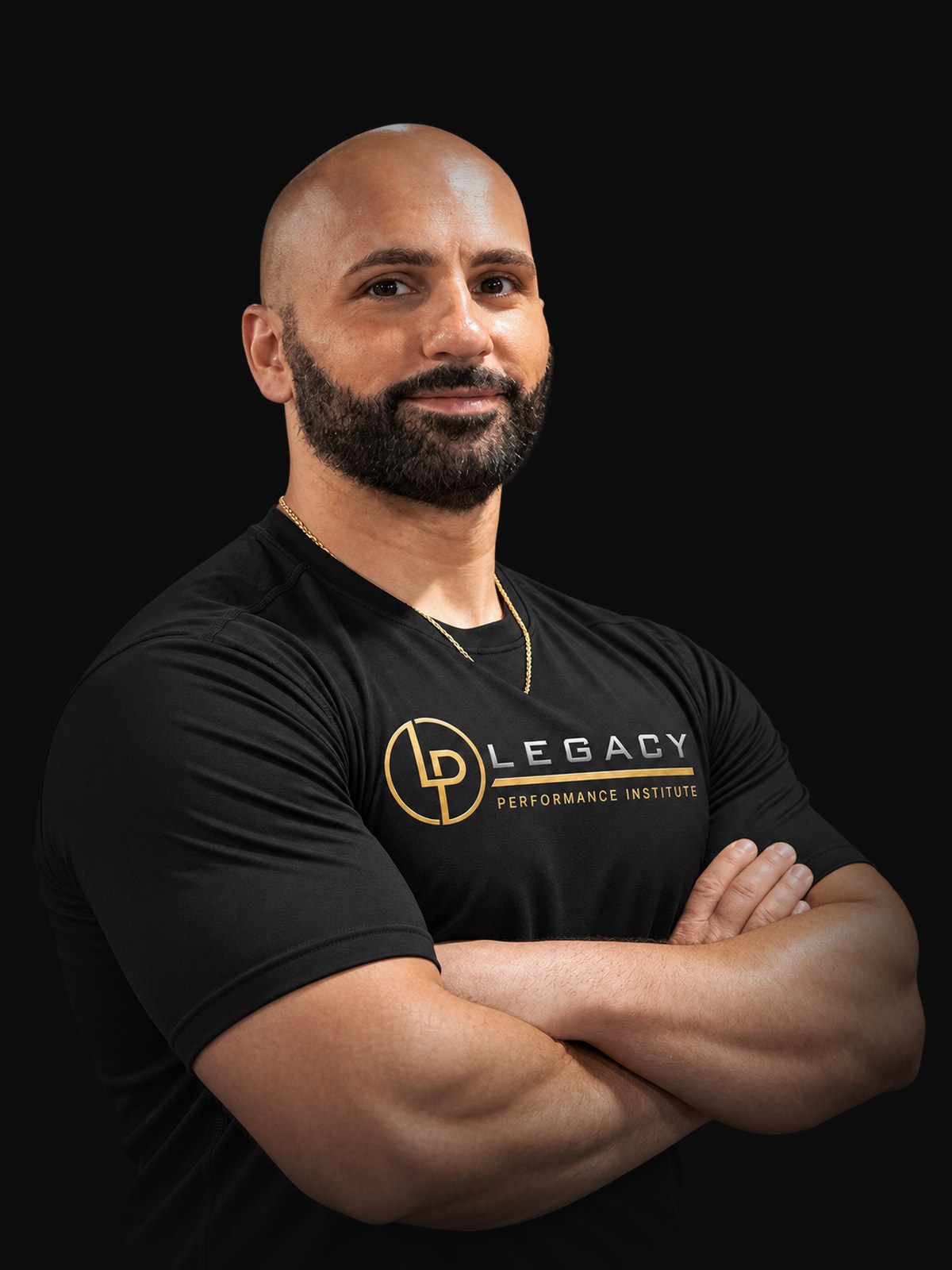
Every coach here names this specialty on their own profile. Open one to read their story, then request a free introduction.





Boot camp sessions are built around stations or rounds: squats, lunges, push-ups, carries, rows, jumps, sprints and core work, performed for time or reps with brief rests. The name borrows from military-style training, but a good modern boot camp is coached rather than shouted.
Formats vary a lot. Some coaches run boot camp style sessions one on one; others use semi-private or small-group setups. Ask at your introduction how a coach runs theirs and how many people are typically in a session.
Expect a dynamic warm-up, then two to four blocks of circuit work, each mixing a strength move, a conditioning move and a core or carry exercise, and a short cool-down. Sessions are often 45 to 60 minutes and leave you breathing hard.
The coach's job is to keep the pace up while scaling each exercise so everyone works hard at their own level. A beginner might do incline push-ups while someone experienced does a harder variation in the same round.
Boot camp suits people who like energy, variety and a clear finish line, and who get more out of training when there is momentum in the room. It fits the early-morning crowd in Carmel Valley and Del Mar who want a full workout done before school drop-off or a commute.
It is less ideal if you need slow, precise technique work on heavy lifts, are recovering from an injury, or are new to exercise and want to learn foundational movements one at a time first. Anyone with heart, joint or other health concerns, or who is pregnant, should get physician clearance before high-intensity circuits.
Common measures include completing more rounds or reps in a set time, moving to harder exercise variations, recovering faster between efforts, and repeat benchmark workouts every few weeks. Many people also simply notice that daily life, from carrying beach gear to climbing stairs, feels easier.
If you want numbers, ask the coach to pick two or three benchmark tests at your first session, such as a timed circuit or a max set of a bodyweight exercise, and repeat them every six weeks. That turns a workout that feels hard every time into a record of how far you have come.
Functional and endurance training builds the capacity to move well and keep moving: carrying, pushing, pulling, climbing and holding a pace. It develops strength through full-body patterns and builds the aerobic base that makes both daily life and sport feel easier.
Sessions are built from squats, hinges, pushes, pulls, carries and rotation, trained in ways that transfer to real life and sport.
Easy, steady work and harder intervals are programmed on purpose, so conditioning improves without running you into the ground.
Pace, distance, heart-rate response, loads and rep quality are tracked, so improvement is visible and the next step is clear.
Equipment and formats change, but the weekly structure stays consistent so each session builds on the last.
Watch how they scale exercises and correct form during fast-paced work. Ask how they adapt sessions for different fitness levels and injuries.
There is overlap. HIIT refers to the interval structure itself; boot camp is a broader circuit format that blends strength, bodyweight and conditioning work.
Two or three a week is common, with lighter days or rest between. Pairing them with some dedicated strength work rounds out the plan.
Often yes, with scaled exercises. Tell the coach your experience level at your introduction so they can adjust from the first session.
Andy Mog, Anna Zittel, Anthony Dain, Aqilah, Austin Camacho, Bree Norton, Charlie Torres, Chris Koo, Coach Kos, Dacey Perez, Eli Harned, Emma Warren, Fate Villa, Jaclyn Nguyen, Jalen Russell, Joel Maddock, Jonathan Fong, Kevin Lee, Mark Kern, Martin Jones, Maya Smith, Mo Ghori, Nima Naraghi, Randy Etheridge, Wiam Yaldo. Each one lists boot camp on their own Legacy profile. Open any profile to read their background and request a free introduction.
At Legacy Performance Institute Del Mar, 12264 El Camino Real, Suite 60, San Diego, CA 92130. Hours: 5:00 AM – 10:00 PM, seven days · 24/7 for VIP Access members.
Coaching is priced by each coach, typically per session or as a package, and quoted after your free introduction. No membership is required to train with a coach. Coaching is booked directly with the coach you choose.
No. Your coach starts with an assessment and builds the program to your level. Your first consultation and introductory session with a Legacy coach is free, with no obligation.
No. The same principles scale from first-time exercisers to competitive endurance athletes. Your coach sets the starting volume and intensity from your assessment, not from a fixed template.
This is general fitness information, not medical advice. Check with your physician before starting a new exercise or nutrition program, especially if you have a medical condition, an injury, or are pregnant.
Your first consultation and introductory session with a Legacy coach is free, with no obligation. Tell us about your goals and we will match you with the right coach.