How to Lose Body Fat While Building Muscle: A Del Mar Trainer’s Guide to Body Recomposition
Most clients who walk into our Del Mar facility for the first time want the same thing, even if they phrase it differently.
Body recomposition means changing what your body is made of, gaining muscle while losing fat, often with little change on the scale. People look for it when weight loss alone is not the goal and they want to look and feel firmer, stronger and leaner at roughly the same weight.
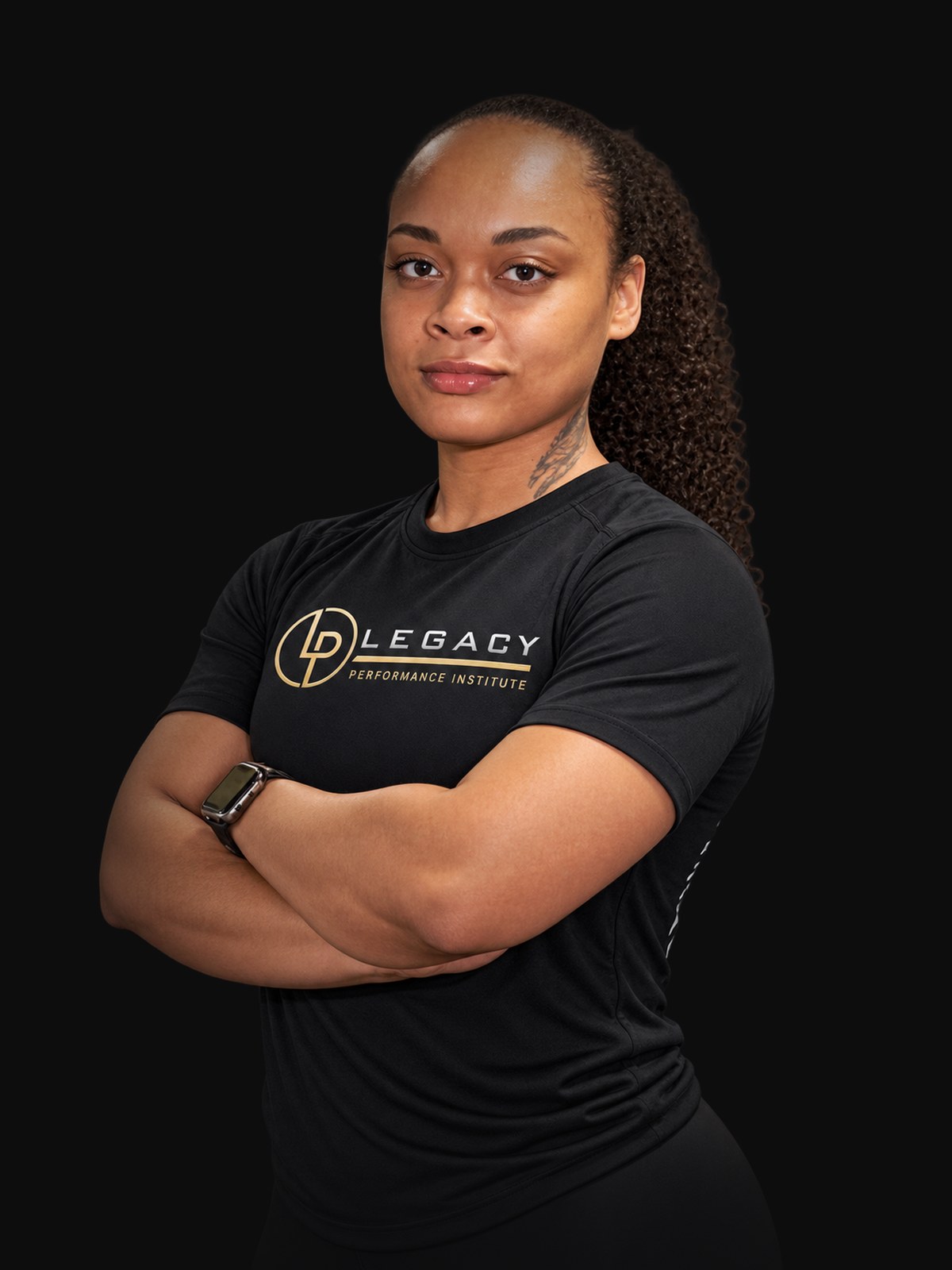
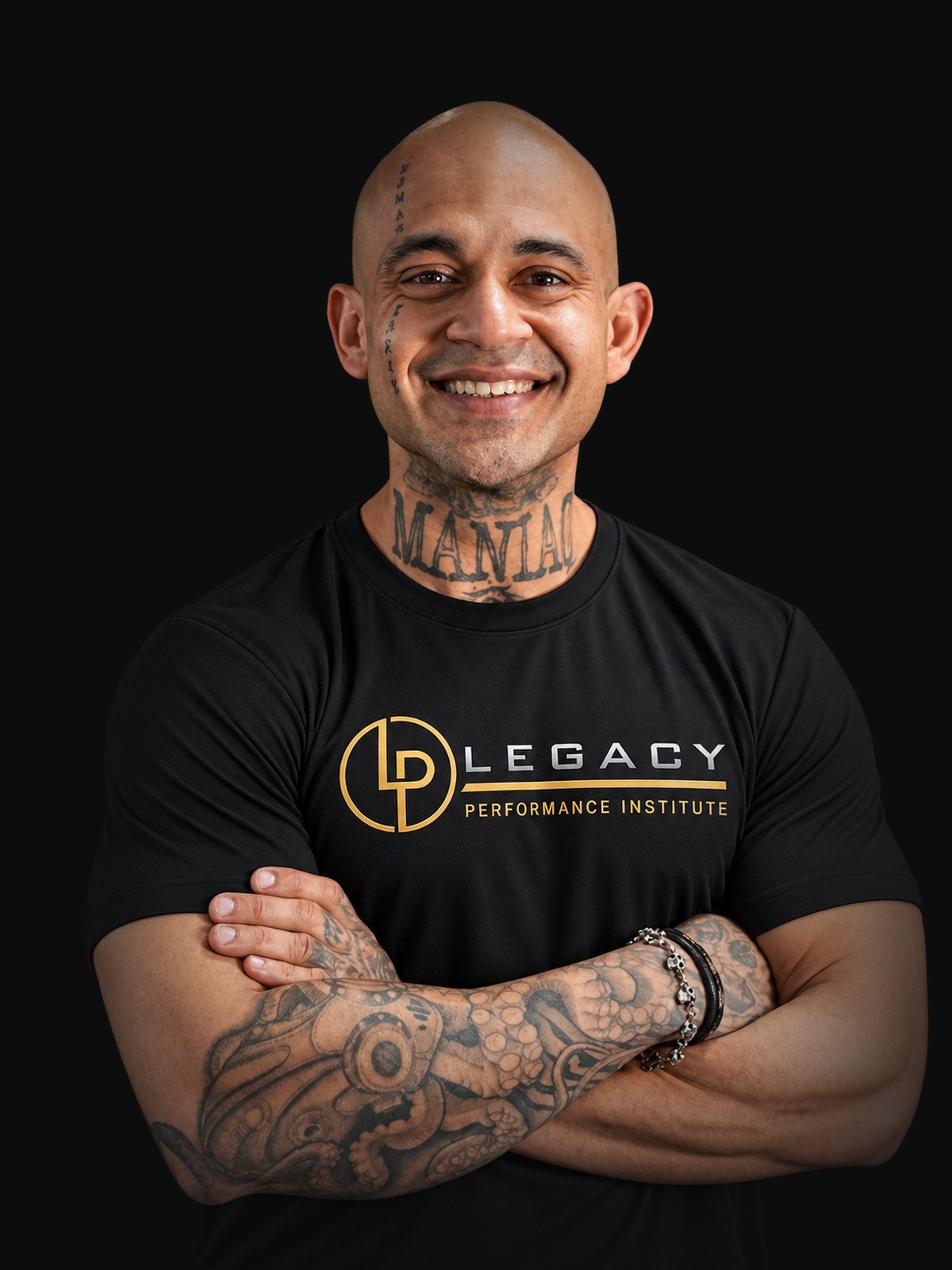
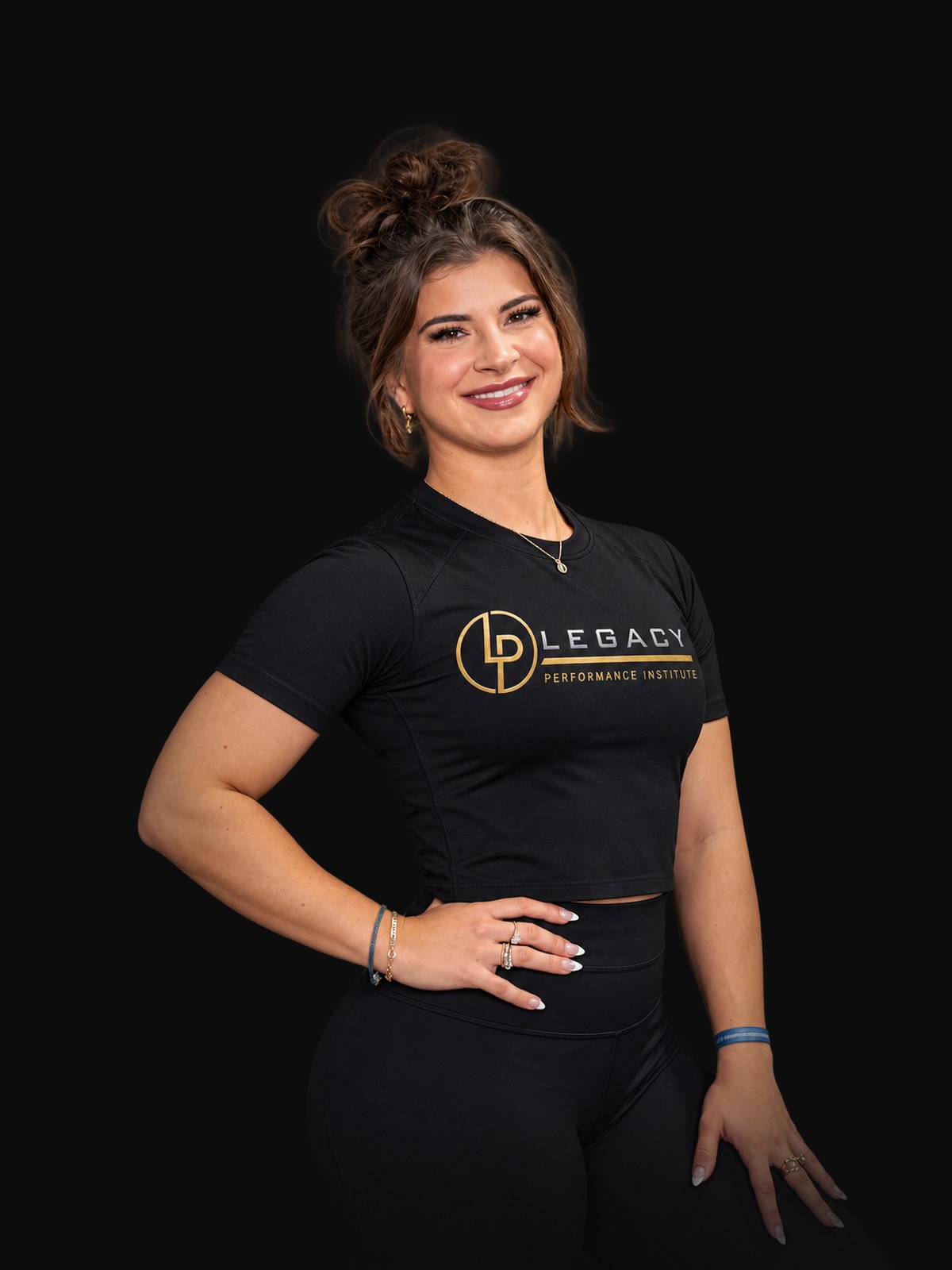
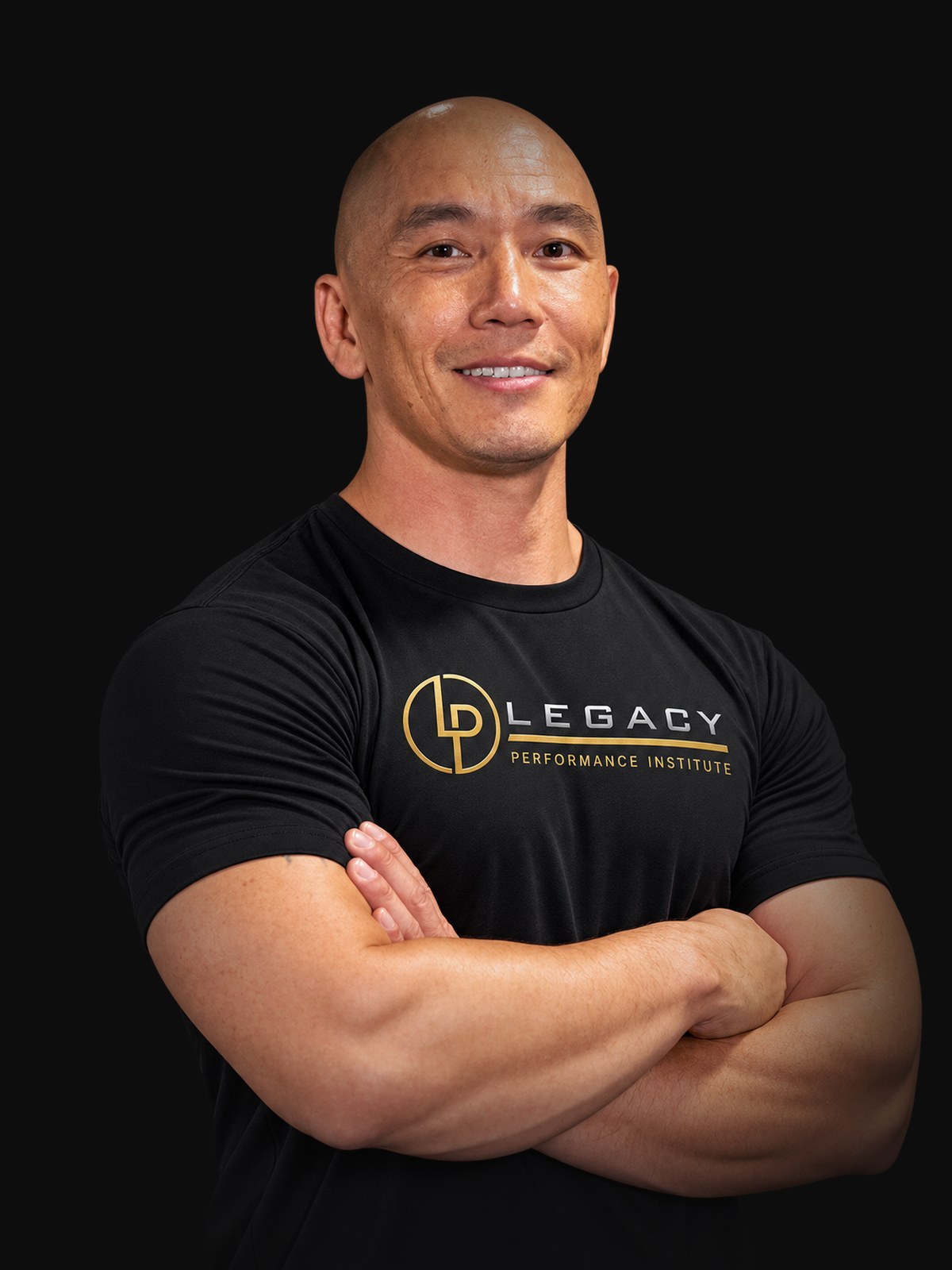
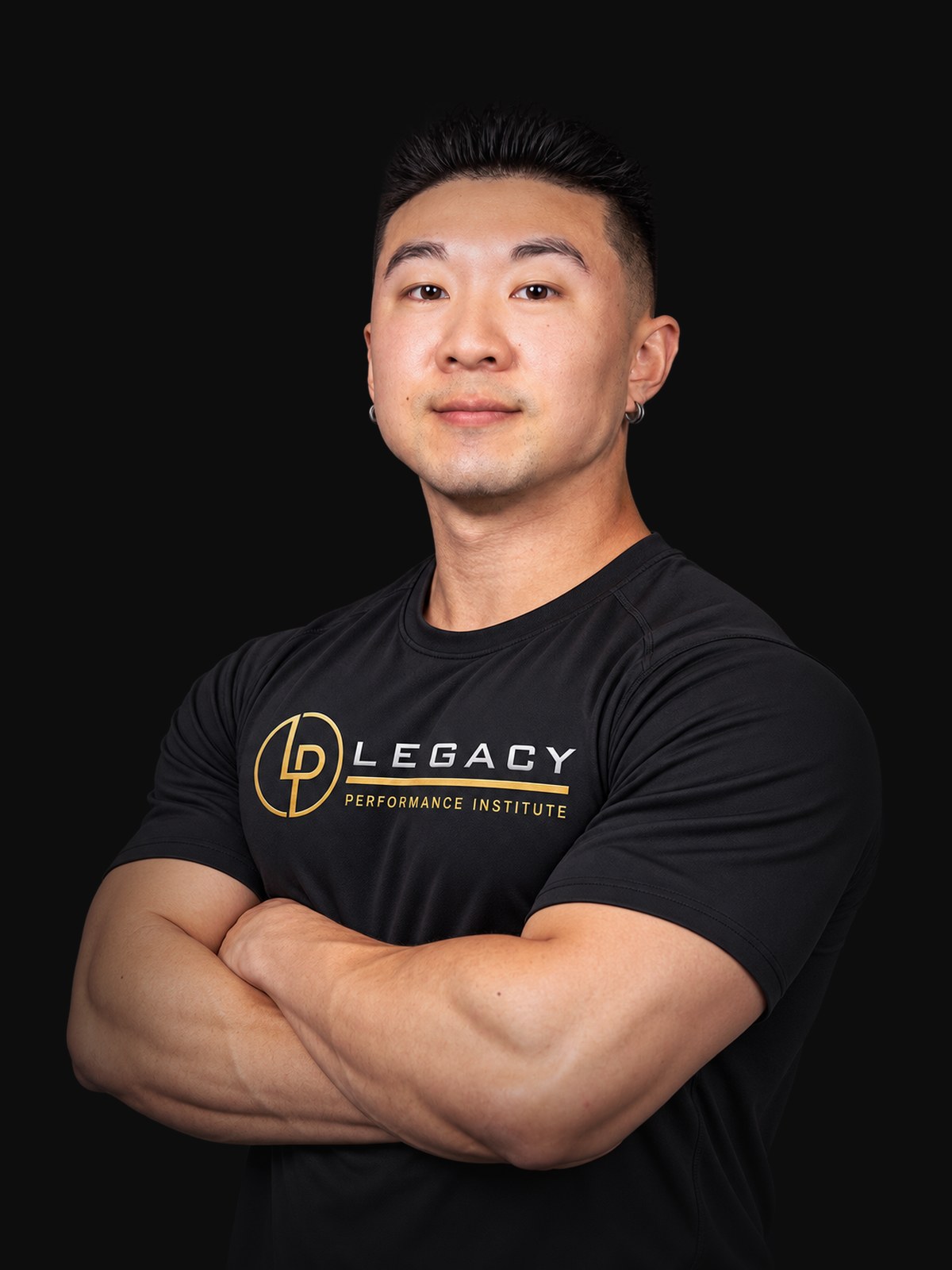
Every coach here names this specialty on their own profile. Open one to read their story, then request a free introduction.



Recomposition combines consistent resistance training with eating patterns that support muscle while gently reducing body fat. Adequate protein, a modest calorie deficit or maintenance, enough sleep and steady daily activity are the usual pillars.
It tends to work best for people who are new to strength training, returning after a break, or carrying some extra body fat. Very lean, experienced lifters usually see slower recomposition and may need separate building and cutting phases instead.
Training is typically three or four strength sessions a week built around full-body or upper and lower splits, with progressive overload as the main driver. Conditioning is usually included but kept to an amount that does not eat into recovery.
Many coaches pair this with simple nutrition habits rather than strict meal plans: a protein target, a few go-to meals, and a plan for weekends, which around Del Mar and Solana Beach often means brunches, barbecues and dinners out. For medical nutrition needs, a registered dietitian or physician is the right resource.
Because you may be adding muscle while losing fat, body weight can hold steady for weeks even when things are going well. Water, salt and carbohydrate intake also move the number day to day. People who judge recomposition by the scale alone often quit just as it starts working.
This is one reason recomposition appeals to people who have been frustrated by diets in the past. The focus moves from a number to how clothes fit, how strong you are and how you feel.
Coaches commonly use waist and hip measurements, progress photos, strength records and how clothing fits, reviewed every few weeks. Some people add body composition scans, which are useful for trends even though no method is perfectly precise.
A realistic expectation is gradual change across several months, with strength improving early and visible change following.
Body recomposition is the goal of losing fat and building or keeping muscle at the same time, so the scale matters less than what the body is made of. It is slower to read on a bathroom scale and more durable than a crash diet, because the training signal that tells the body to keep muscle stays on while energy intake is managed.
Your coach records starting measurements, movement quality, training history and current eating habits, so progress is compared with your own numbers rather than a generic target.
Programs are built around progressive strength work for the major muscle groups, with the load, volume and rest chosen for your experience level and schedule.
Food guidance is practical: protein targets, meal timing that matches your day, and adjustments when progress stalls. Coaches work within their scope and refer out for medical nutrition needs.
Measurements, photos, training logs and how you feel are reviewed on a schedule, and the plan changes when the data says it should.
Most clients who walk into our Del Mar facility for the first time want the same thing, even if they phrase it differently.
A client of ours, a device sales director who splits her week between Carmel Valley and quarterly trips to the East Coast, came in for her Tuesday 6am session and admitted she’d been awake…
A client came to us last year after two years of white-knuckling a 6 a.m. strength block.
If you need significant weight loss for medical reasons, are pregnant, or have a history of disordered eating, talk to your physician first. A different approach may be more appropriate.
No. Moderate aerobic activity like walking the bluffs or an easy bike ride supports health and recovery. A coach will just keep it from crowding out strength work.
Ask how they balance training and nutrition guidance, what they measure besides weight, and how they adjust when progress slows. Clear tracking and patience are good signs.
Strength often improves within weeks; visible changes usually take a few months of consistency. Timelines vary widely between people.
Anna Zittel, Anthony Dain, Brooke Heaton, Caden Sears, Cassie Wood, Chance Dyck, Chris Koo, Eli Harned, Emely Gonzalez, Emma Warren, Joel Maddock, Kevin Lee, Landon Bergenthal, Martin Jones, Maya Smith, Mo Ghori, Nima Naraghi, Sofia Beyer, Tim Chau, William Cui. Each one lists body recomposition on their own Legacy profile. Open any profile to read their background and request a free introduction.
At Legacy Performance Institute Del Mar, 12264 El Camino Real, Suite 60, San Diego, CA 92130. Hours: 5:00 AM – 10:00 PM, seven days · 24/7 for VIP Access members.
Coaching is priced by each coach, typically per session or as a package, and quoted after your free introduction. No membership is required to train with a coach. Coaching is booked directly with the coach you choose.
No. Your coach starts with an assessment and builds the program to your level. Your first consultation and introductory session with a Legacy coach is free, with no obligation.
It is gradual by design. Most people see measurable changes in strength and measurements over several weeks, with visible change building over a few months, and the pace depends on training history, consistency, sleep and food. Your coach sets expectations from your own baseline at the free introduction.
This is general fitness information, not medical advice. Check with your physician before starting a new exercise or nutrition program, especially if you have a medical condition, an injury, or are pregnant.
Your first consultation and introductory session with a Legacy coach is free, with no obligation. Tell us about your goals and we will match you with the right coach.