AED Certified means a coach has completed training in using an automated external defibrillator, the portable device that can deliver a shock during sudden cardiac arrest. It is usually taught alongside CPR, and people look for it as a basic safety marker when choosing who supervises their training.

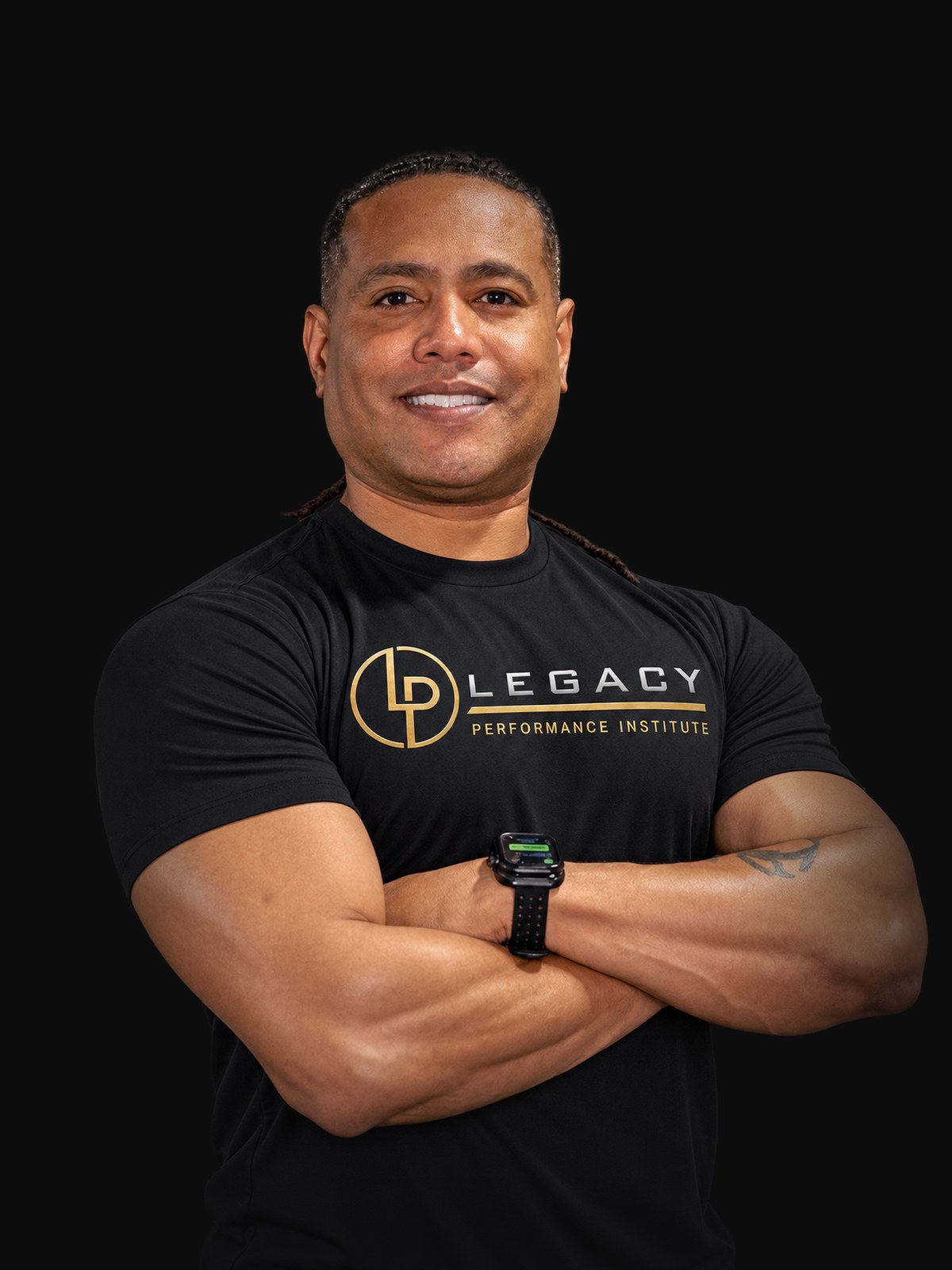
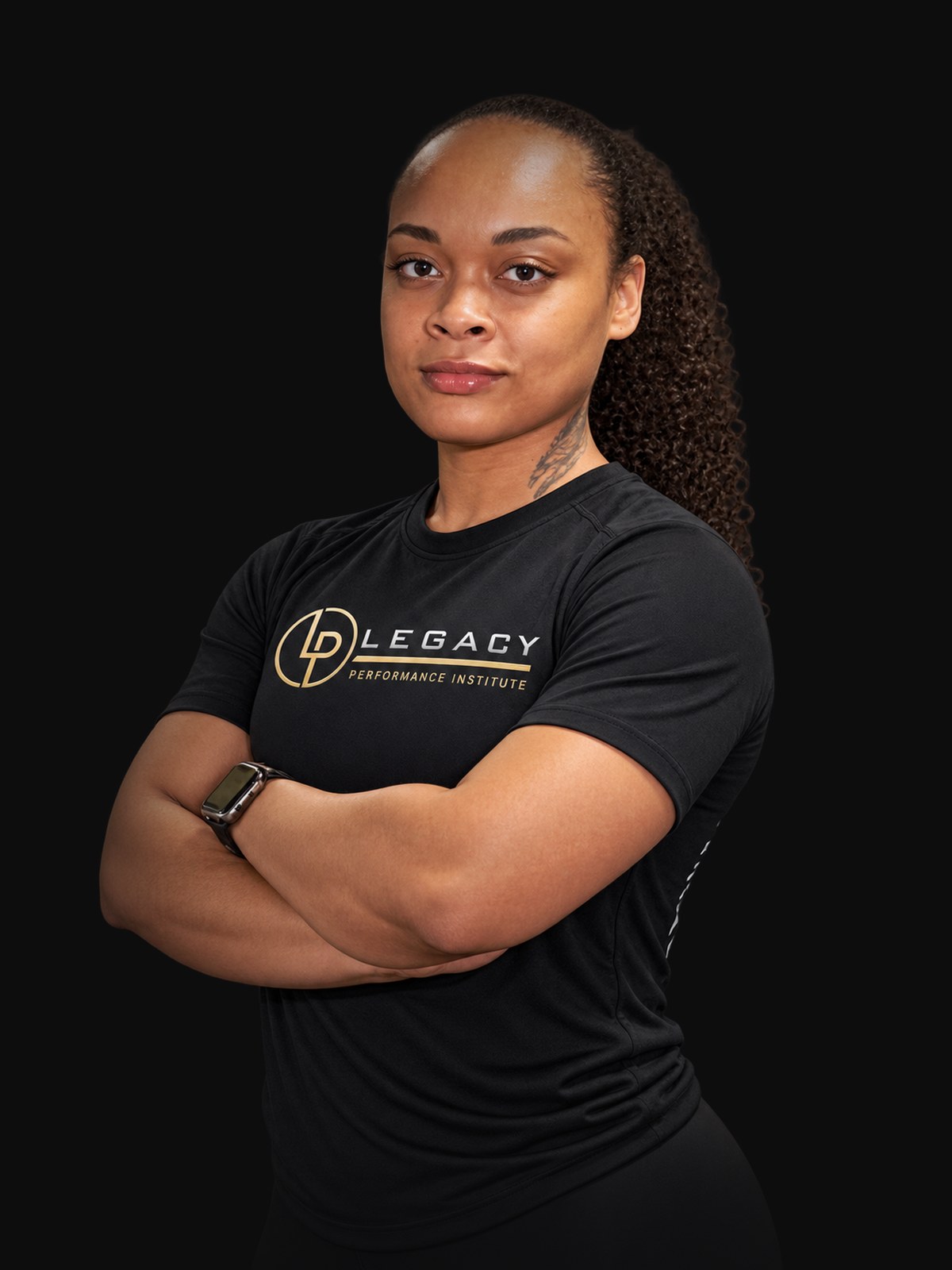
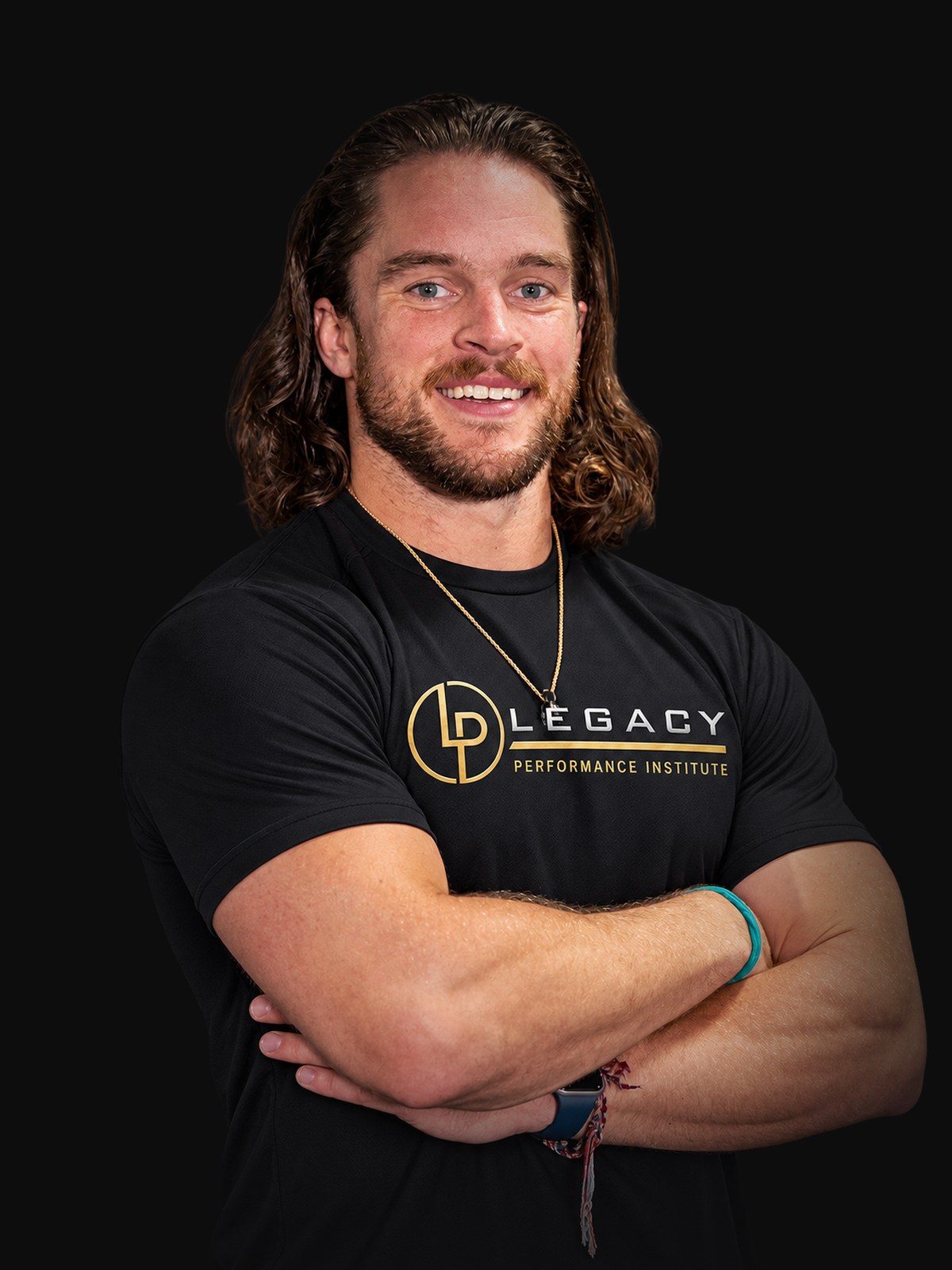
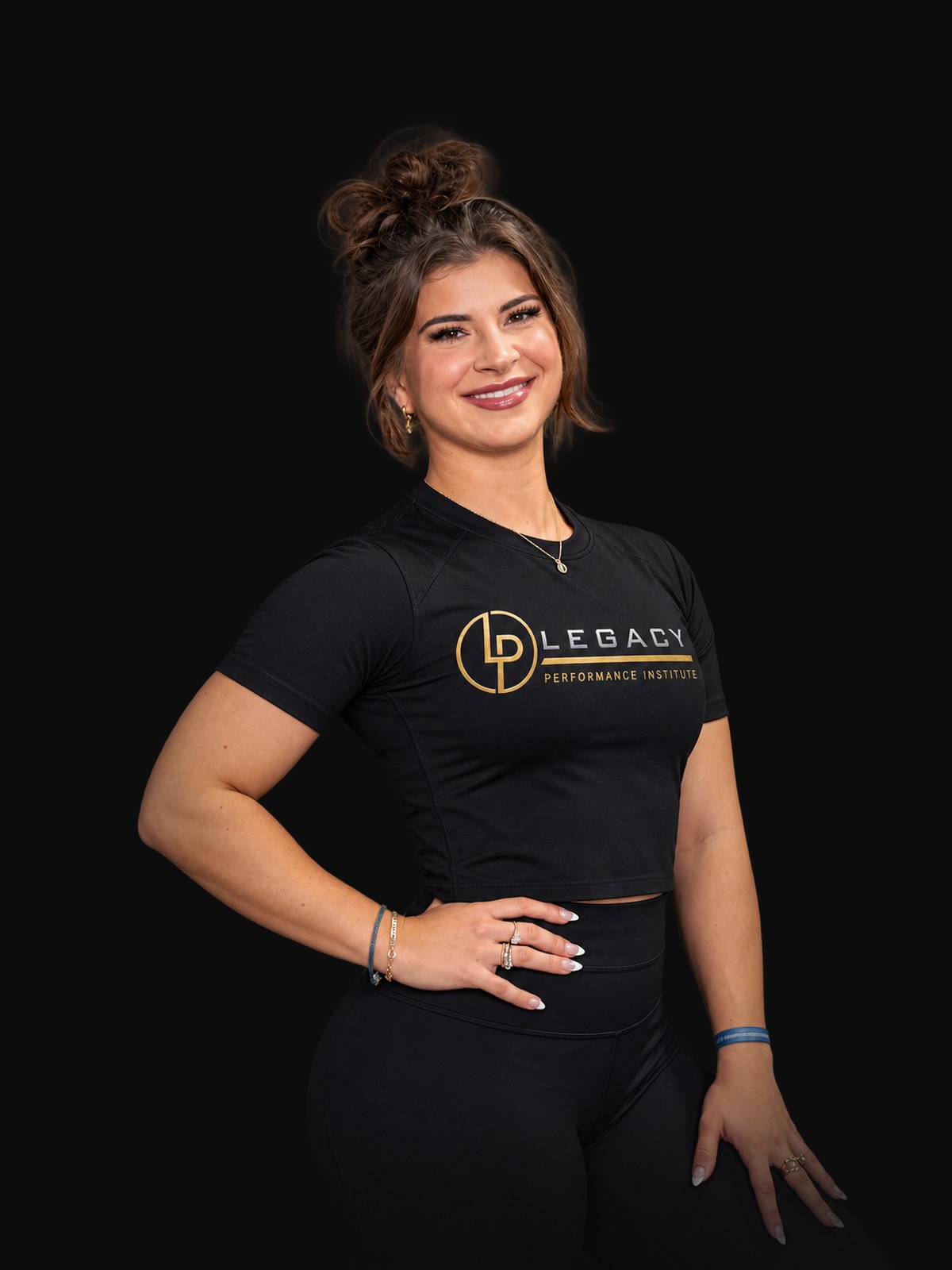
Every coach here names this specialty on their own profile. Open one to read their story, then request a free introduction.


AED courses are offered by organizations such as the American Heart Association and the American Red Cross, often combined with CPR and first aid. They teach how to recognize cardiac arrest, call for help, start compressions, and operate an AED by following its voice prompts.
Certificates typically expire after about two years, so renewal matters. A card from five years ago tells you less than one from last spring.
It tells you a coach has practiced responding to the rarest and most serious emergency in a gym setting, and has thought about what to do in the first minutes before paramedics arrive.
It says nothing about how a coach programs, cues technique or adjusts for injuries. Treat it as a floor every coach supervising hard exercise should meet, then judge coaching quality separately. It also does not mean a coach can assess heart health; that is your physician's job.
Del Mar and North County residents train hard: steep efforts on Torrey Pines trails, interval work before work, heavy lifting after a long day. Intense effort is safe for most people, but it is reasonable to want the person watching you to know what to do if something goes wrong.
This matters most if you are older, returning after a long break, or have a family history of heart problems. In those cases, the more important step is getting physician clearance before you start.
Think of AED training as part of a short safety checklist rather than a specialty. Alongside it, look for a coach who asks about your health history at the start, watches how you respond during hard intervals, and is willing to stop a session early when something seems off.
Because it is a short course, many coaches across different specialties hold it. That makes it a useful filter but a poor tiebreaker. Once you know a coach is current, compare them on the things that shape your results: how they plan, how they explain, and whether their schedule fits yours, early mornings before a commute or evenings after school pickup.
Personal training is one coach, one plan, built around you. It combines assessment, programming, coaching in the room and accountability, so the time you invest goes toward your own goals rather than a generic routine.
Your coach learns your goals, history, schedule and limitations, and screens how you move before writing anything down.
Exercises, loads and session structure are chosen for your body and goal, and they change as you improve.
Your coach teaches technique, adjusts loads in real time and keeps sessions productive, which is the part an app or a video cannot do.
Strength, measurements, consistency and how you feel are tracked so you can see the direction, not just guess at it.
They are related but not identical. Many courses combine them, while some cover one or the other. Ask the coach whether their card includes both.
Ask to see the card or the expiration date. Most AED and CPR certifications need renewal roughly every two years.
No. It covers emergency response only. If you have symptoms, a heart condition or risk factors, talk to your physician before beginning a training program.
Ask how the coach screens new clients, how they adjust intensity on a bad day, and what they do if you report dizziness or chest discomfort during a session.
Anthony Dain, Aqilah, Brooke Heaton, Caden Sears, Catia Assis, Emely Gonzalez, Emiko Jaffe, Joel Maddock, Kevin Lee, Landon Bergenthal, Mark Kern, Martin Jones, Maya Smith, Shane Dempsey, Sofia Beyer. Each one lists aed certified on their own Legacy profile. Open any profile to read their background and request a free introduction.
At Legacy Performance Institute Del Mar, 12264 El Camino Real, Suite 60, San Diego, CA 92130. Hours: 5:00 AM – 10:00 PM, seven days · 24/7 for VIP Access members.
Coaching is priced by each coach, typically per session or as a package, and quoted after your free introduction. No membership is required to train with a coach. Coaching is booked directly with the coach you choose.
No. Your coach starts with an assessment and builds the program to your level. Your first consultation and introductory session with a Legacy coach is free, with no obligation.
It depends on your goal, schedule and budget. Many clients work with their coach one to three times a week and train on their own in between. Your coach recommends a frequency after your free introduction.
This is general fitness information, not medical advice. Check with your physician before starting a new exercise or nutrition program, especially if you have a medical condition, an injury, or are pregnant.
Your first consultation and introductory session with a Legacy coach is free, with no obligation. Tell us about your goals and we will match you with the right coach.