
How to Lose Body Fat While Building Muscle: A Del Mar Trainer’s Guide to Body Recomposition
Most clients who walk into our Del Mar facility for the first time want the same thing, even if they phrase it differently.
Bodybuilding is training aimed at building muscle size, shape and symmetry, judged by how the physique looks rather than how much it lifts. People in Del Mar look for it whether they plan to step on a competition stage or simply want a more muscular, balanced build.
Every coach here names this specialty on their own profile. Open one to read their story, then request a free introduction.




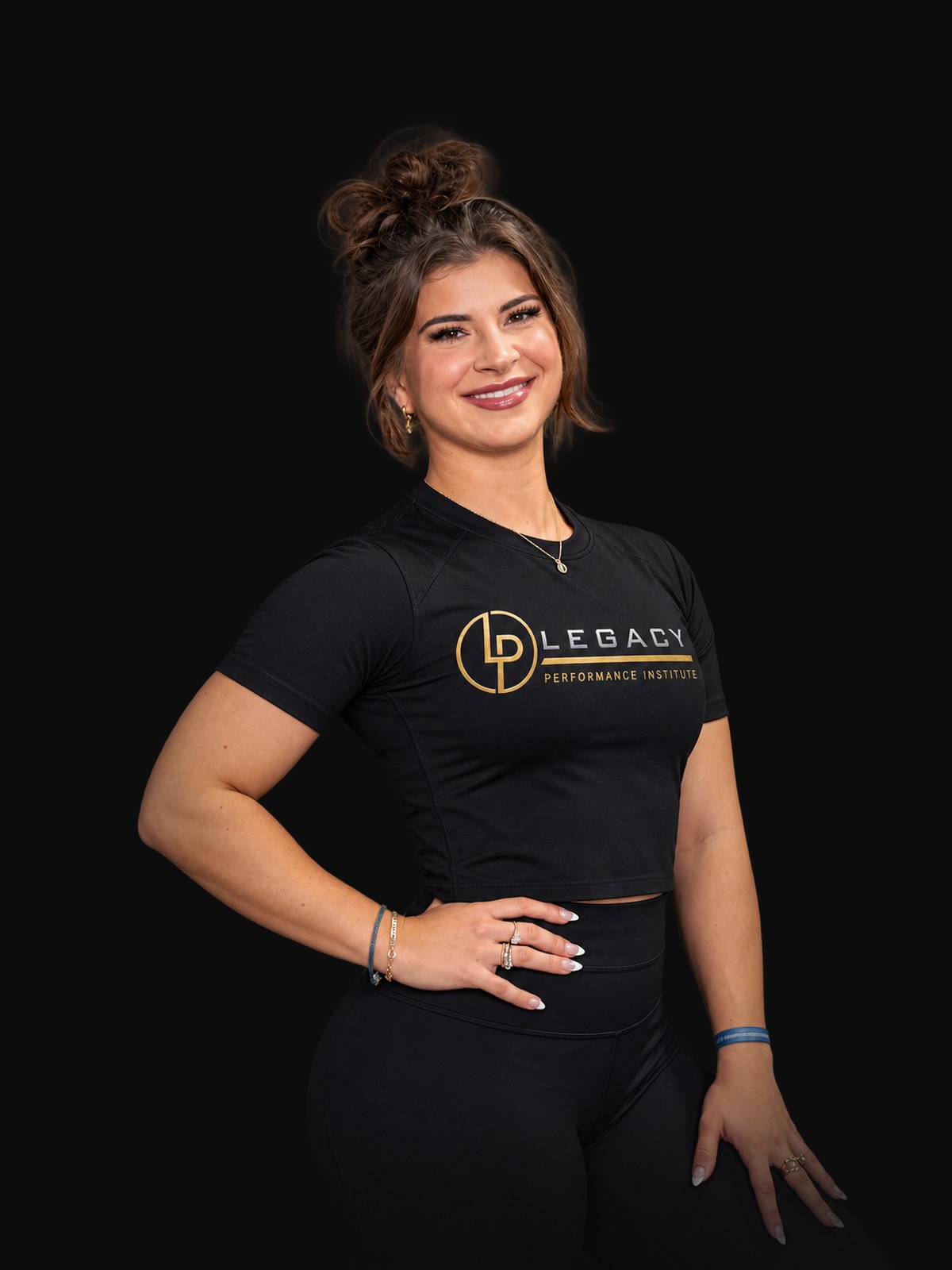
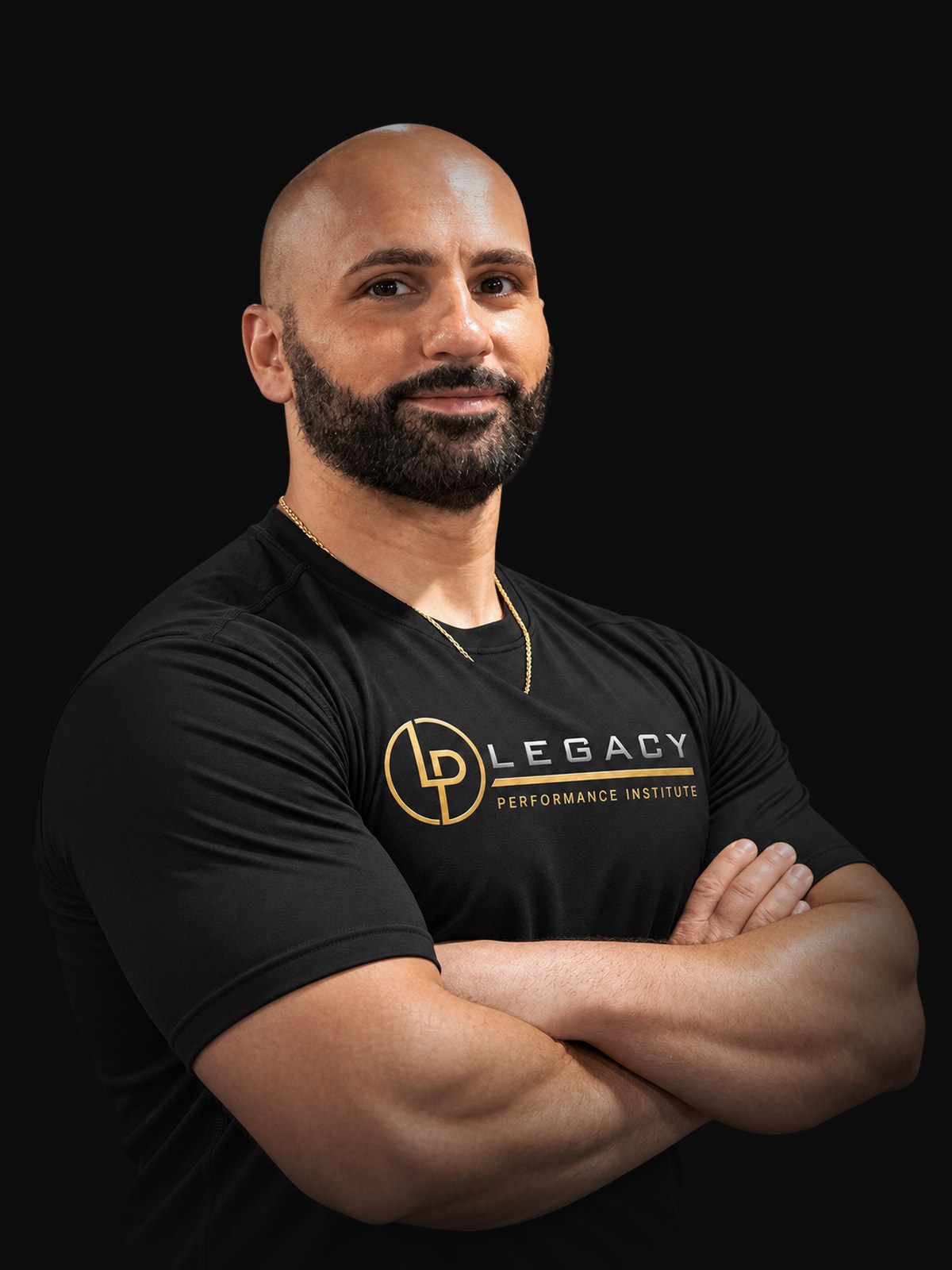
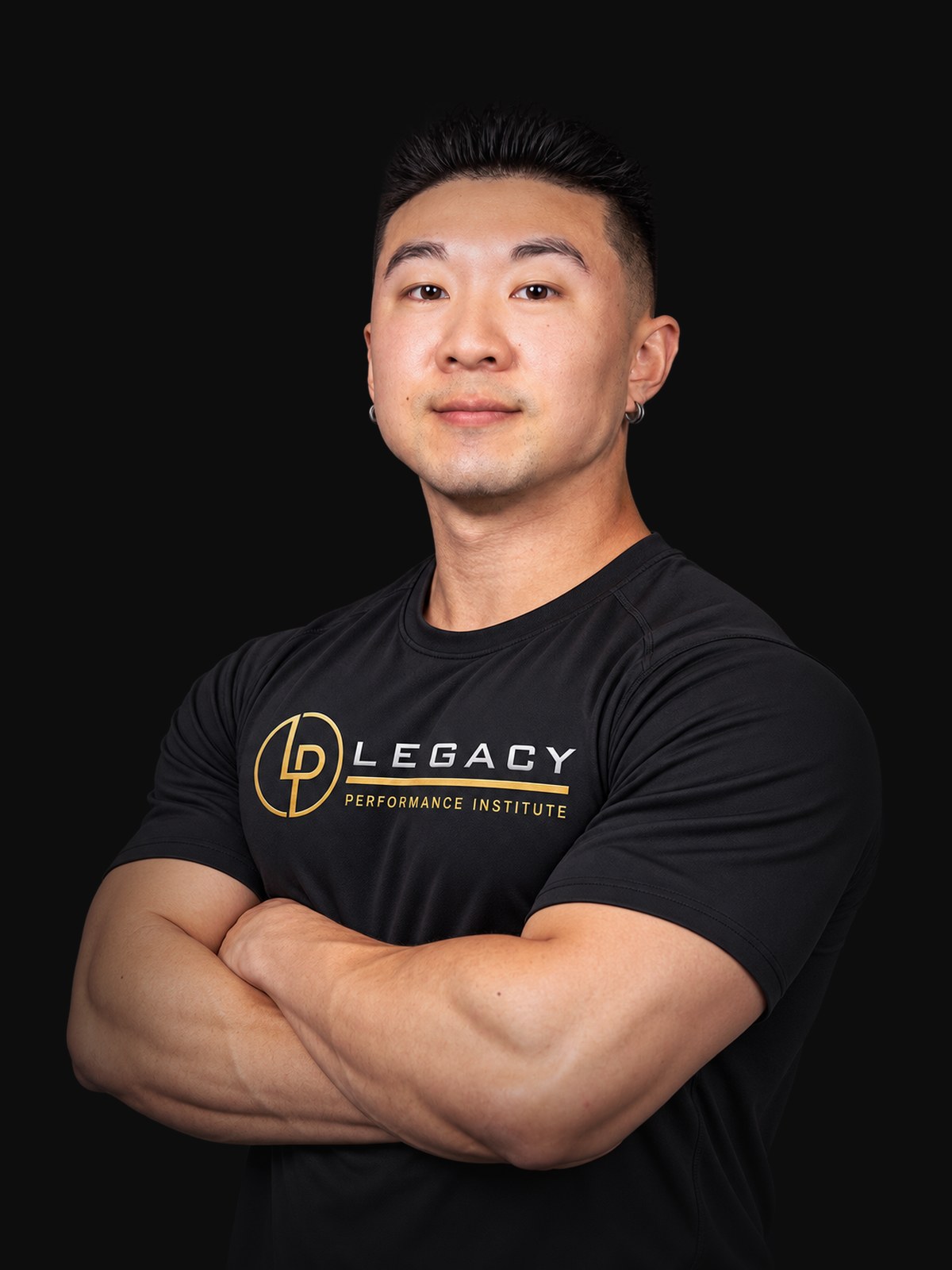
Bodybuilding uses resistance training to grow specific muscles and bring lagging areas up to match the rest. Where strength sports chase heavier single lifts, bodybuilding chases muscle growth, which responds well to moderate loads, controlled reps taken close to failure, and enough weekly volume per muscle group.
Nutrition is half of it. Building muscle generally needs adequate protein and enough total food, and revealing it needs a period of eating less. Many people alternate between building phases and leaner phases over a year.
Most programs split the body across the week, for example upper and lower days or push, pull and legs. A session might start with one or two heavier compound movements, then several isolation exercises for specific muscles, with attention on tempo, range of motion and feeling the target muscle work.
A coach's real value is in the details: choosing exercise variations that suit your joints and proportions, adjusting volume when recovery lags, and noticing when you are leaving too many reps in reserve or grinding past good form.
It suits people who enjoy the gym itself, like seeing measurable change in the mirror, and are willing to be consistent with food. It is also a sound framework for anyone who wants more muscle for health or confidence, competition or not.
If you are brand new to lifting, a few months of general strength and technique work first makes later bodybuilding training more productive. Anyone with injuries, a heart condition or a history of disordered eating should talk to a physician before starting an aggressive diet or training plan.
Common measures are progress photos in consistent lighting, tape measurements at the arms, chest, waist and thighs, body weight trends, and rep and load records on key exercises. Because muscle grows slowly, coaches typically review these monthly rather than weekly.
For people around Del Mar who spend summer at the beach, that patience matters. Real muscle gain is measured in seasons, so starting a building phase in fall often makes more sense than a rush in May.
Body recomposition is the goal of losing fat and building or keeping muscle at the same time, so the scale matters less than what the body is made of. It is slower to read on a bathroom scale and more durable than a crash diet, because the training signal that tells the body to keep muscle stays on while energy intake is managed.
Your coach records starting measurements, movement quality, training history and current eating habits, so progress is compared with your own numbers rather than a generic target.
Programs are built around progressive strength work for the major muscle groups, with the load, volume and rest chosen for your experience level and schedule.
Food guidance is practical: protein targets, meal timing that matches your day, and adjustments when progress stalls. Coaches work within their scope and refer out for medical nutrition needs.
Measurements, photos, training logs and how you feel are reviewed on a schedule, and the plan changes when the data says it should.
Most clients who walk into our Del Mar facility for the first time want the same thing, even if they phrase it differently.
A client of ours, a device sales director who splits her week between Carmel Valley and quarterly trips to the East Coast, came in for her Tuesday 6am session and admitted she’d been awake…
A client came in on a Tuesday morning after a board meeting that ran long, a red-eye the night before, and a text from her kid’s school she hadn’t answered yet.
No. Most people who train this way never compete. The methods work for anyone who wants more muscle and a more balanced physique.
Bodybuilding prioritizes muscle size and symmetry, often with separate building and leaning phases. Recomposition aims to shift the fat-to-muscle ratio at a steadier body weight.
Ask how they structure weekly volume, how they handle nutrition (and whether they refer to a dietitian for medical needs), and how they track progress. Look for a coach who adjusts the plan to your joints and schedule.
Resistance training is widely encouraged for older adults. Get physician clearance if you have health conditions and ask your coach to favor joint-friendly exercise choices.
Andy Mog, Anna Zittel, Anthony Dain, Aqilah, Austin Camacho, Bree Norton, Brooke Heaton, Caden Sears, Chance Dyck, Charlie Torres, Chris Koo, Coach Kos, Dacey Perez, Eli Harned, Emely Gonzalez, Emma Warren, Eric Brown Jr, Fate Villa, Gordon Gebauer, Jalen Russell, Joel Maddock, Jonathan Fong, Kevin Lee, Landon Bergenthal, Mark Kern, Martin Jones, Mo Ghori, Nima Naraghi, Randy Etheridge, Shane Dempsey, Sofia Beyer, Wiam Yaldo, William Cui. Each one lists body building on their own Legacy profile. Open any profile to read their background and request a free introduction.
At Legacy Performance Institute Del Mar, 12264 El Camino Real, Suite 60, San Diego, CA 92130. Hours: 5:00 AM – 10:00 PM, seven days · 24/7 for VIP Access members.
Coaching is priced by each coach, typically per session or as a package, and quoted after your free introduction. No membership is required to train with a coach. Coaching is booked directly with the coach you choose.
No. Your coach starts with an assessment and builds the program to your level. Your first consultation and introductory session with a Legacy coach is free, with no obligation.
It is gradual by design. Most people see measurable changes in strength and measurements over several weeks, with visible change building over a few months, and the pace depends on training history, consistency, sleep and food. Your coach sets expectations from your own baseline at the free introduction.
This is general fitness information, not medical advice. Check with your physician before starting a new exercise or nutrition program, especially if you have a medical condition, an injury, or are pregnant.
Your first consultation and introductory session with a Legacy coach is free, with no obligation. Tell us about your goals and we will match you with the right coach.