Optimizing Your 4-Week Periodized Upper Body Strength Program in San Diego
As a fitness professional, trainers consistently see the importance of periodization in achieving maximum gains.
Body recomposition means losing fat while building or keeping muscle at the same time, so your shape changes even when the scale barely moves. It is one of the most common goals behind people booking a coach in San Diego, especially those who have tried dieting alone and ended up lighter but softer.
Every coach here names this specialty on their own profile. Open one to read their story, then request a free introduction.

The core ingredients are steady strength training that pushes your muscles a little harder over time, enough protein to support repair, and an eating pattern at or modestly below maintenance. Daily movement such as walks around Liberty Station or the Bay Park hills helps tip the balance without adding much fatigue.
A coached week often includes three or four full-body or split strength sessions, light conditioning, and regular check-ins on food and sleep. The plan avoids aggressive calorie cuts, because those tend to cost muscle and make training feel flat.
Recomposition tends to work well for people new to lifting, people returning after a long break, and those carrying more body fat. Their bodies respond quickly to a new training stimulus. Very lean, experienced lifters often see slower change and may do better alternating dedicated building and cutting phases; a coach can help you decide.
If you are managing diabetes, thyroid issues, are pregnant or postpartum, take medications that affect appetite or weight, or have a history of disordered eating, talk with your physician before changing how you eat.
Because weight can stay flat, coaches lean on other markers: waist and hip measurements, progress photos taken in the same spot and lighting, how clothes fit, and strength numbers on a few key lifts. Body composition scans or scales can add context, but they carry real error from day to day, so look at the trend over several readings rather than a single number.
Expect meaningful visual change to take months, not weeks. Early wins are usually strength and energy. Water retention from new training, salt or travel can mask fat loss for a week or two, which is why a coach will usually ask you to stay the course before making big changes.
Ask how they set protein and calorie targets, how often they check in on nutrition, and what they do when progress stalls. Ask how they measure success beyond the scale. At your introduction at Legacy San Diego on Sports Arena Blvd, bring a rough picture of your current week of eating and training so the conversation starts from reality.
Body recomposition is the goal of losing fat and building or keeping muscle at the same time, so the scale matters less than what the body is made of. It is slower to read on a bathroom scale and more durable than a crash diet, because the training signal that tells the body to keep muscle stays on while energy intake is managed.
Your coach records starting measurements, movement quality, training history and current eating habits, so progress is compared with your own numbers rather than a generic target.
Programs are built around progressive strength work for the major muscle groups, with the load, volume and rest chosen for your experience level and schedule.
Food guidance is practical: protein targets, meal timing that matches your day, and adjustments when progress stalls. Coaches work within their scope and refer out for medical nutrition needs.
Measurements, photos, training logs and how you feel are reviewed on a schedule, and the plan changes when the data says it should.
As a fitness professional, trainers consistently see the importance of periodization in achieving maximum gains.
You’ve probably seen the 6-week transformation ads. Maybe you’ve done one. Six weeks later, you’re marginally stronger, not quite sure what changed, and back to square one by month three.
Research broadly suggests it is possible, particularly for beginners, returning lifters and people with more fat to lose, given good strength training and enough protein.
During recomposition, fat loss and muscle gain can offset each other on the scale. Check measurements, photos and strength before deciding it is not working.
Not necessarily. Strength training and daily walking usually do more for recomposition than long cardio sessions, though some conditioning supports health.
Afolabi Adeoti, Alex Kosinski, Apryl Ortega, Camryn Elyse Wemmer, Conscious Body Recovery, Lauren Aros, Lydia Flowers, Martin Dowers, Ryan Pearl, Sarah Vandekar, Takeyia Harvey, Tony Palladino. Each one lists body recomposition on their own Legacy profile. Open any profile to read their background and request a free introduction.
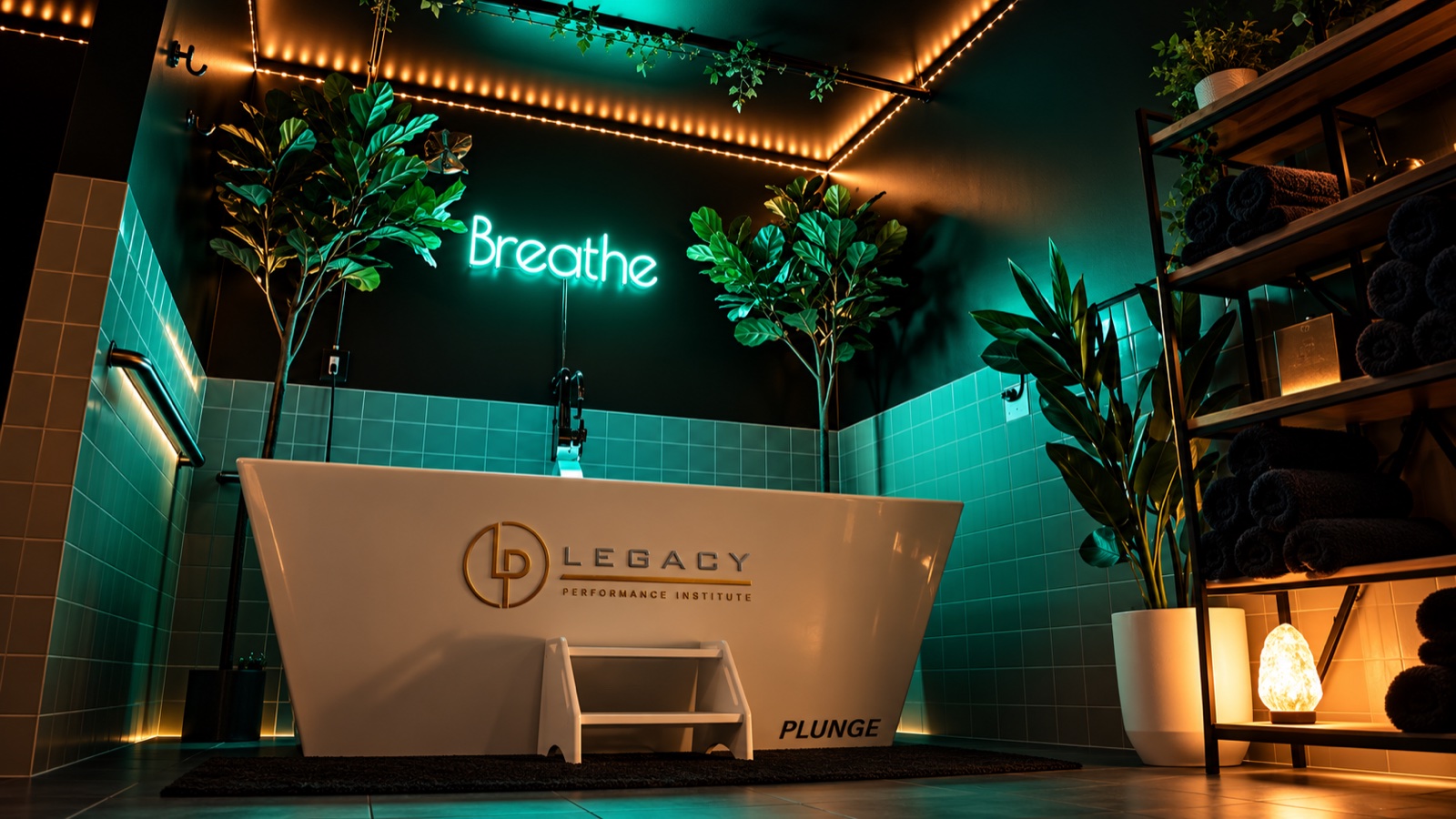
At Legacy Performance Institute San Diego, 4030B Sports Arena Blvd, San Diego, CA 92110. Hours: Mon–Fri 6:00 AM – 9:00 PM · Sat–Sun 8:00 AM – 6:00 PM · 24/7 for VIP Access members.
Coaching is priced by each coach, typically per session or as a package, and quoted after your free introduction. No membership is required to train with a coach. Coaching is booked directly with the coach you choose.
No. Your coach starts with an assessment and builds the program to your level. Your first consultation and introductory session with a Legacy coach is free, with no obligation.
It is gradual by design. Most people see measurable changes in strength and measurements over several weeks, with visible change building over a few months, and the pace depends on training history, consistency, sleep and food. Your coach sets expectations from your own baseline at the free introduction.
This is general fitness information, not medical advice. Check with your physician before starting a new exercise or nutrition program, especially if you have a medical condition, an injury, or are pregnant.
Your first consultation and introductory session with a Legacy coach is free, with no obligation. Tell us about your goals and we will match you with the right coach.