
Building Muscle With Personal Training in San Diego: A Structured Approach That Actually Works
You have been training three, maybe four days a week for the past eighteen months. You are consistent — more consistent than most people you know.
Muscle building, often called hypertrophy training, is resistance training set up to grow muscle size over time. People look for it to look more athletic, to build strength reserves as they age, or to put muscle back after injury or a long break. Four coaches at Legacy San Diego list muscle building, with strength and performance as their most common main focus.
Every coach here names this specialty on their own profile. Open one to read their story, then request a free introduction.
Sessions usually feature moderate weights lifted for roughly six to fifteen reps, taken close to the point where another clean rep would be hard. A coach chooses a mix of compound lifts, such as squats, rows and presses, and targeted work for individual muscle groups.
Most people grow best when each muscle group is trained more than once a week. With limited sessions, a coach will often give you a short plan to run on your own between visits.
It suits beginners who want visible change, experienced lifters who have stalled, and older adults who want to slow the gradual muscle loss that tends to come with age. It also suits people whose goal is a stronger frame for sports, from surfing at Sunset Cliffs to beach volleyball in Mission Beach.
If you have high blood pressure, a heart condition or a recent injury, see your physician before lifting heavy. One of the San Diego coaches in this group lists corrective exercise as a main focus, which may help if old injuries limit your options.
Training gives the signal; food and rest supply the material. Most people building muscle need enough total energy and protein spread across the day, plus regular sleep. A coach can give general guidance, but specific diets for medical conditions belong with a registered dietitian or your doctor.
Measure with a training log, tape measurements at the arms, chest and thighs, and progress photos in the same light every few weeks. Bodyweight on its own can mislead, because water and food swing it day to day.
Expect slow, steady changes. Ask your coach how often they plan to change your program and how they decide when to push load versus reps.
Strength gains on key lifts are another useful signal, since a muscle that is growing usually gets stronger in the rep ranges you train.
Body recomposition is the goal of losing fat and building or keeping muscle at the same time, so the scale matters less than what the body is made of. It is slower to read on a bathroom scale and more durable than a crash diet, because the training signal that tells the body to keep muscle stays on while energy intake is managed.
Your coach records starting measurements, movement quality, training history and current eating habits, so progress is compared with your own numbers rather than a generic target.
Programs are built around progressive strength work for the major muscle groups, with the load, volume and rest chosen for your experience level and schedule.
Food guidance is practical: protein targets, meal timing that matches your day, and adjustments when progress stalls. Coaches work within their scope and refer out for medical nutrition needs.
Measurements, photos, training logs and how you feel are reviewed on a schedule, and the plan changes when the data says it should.
You have been training three, maybe four days a week for the past eighteen months. You are consistent — more consistent than most people you know.
A woman walked into our San Diego facility last spring holding a spreadsheet. Six months earlier she’d paid a trainer she found through Instagram $3,600 for a package of sessions built…
A client walked into our San Diego facility last spring frustrated that her bench press had been stuck at 95 pounds for eight weeks.
Gaining significant size takes deliberate eating and years of training. Most people find their shape changes gradually and they can steer it along the way.
Many people progress on three or four sessions a week. Your coach should base it on your schedule and recovery.
Not necessarily. Food usually covers the basics. Ask your doctor before starting any supplement, especially if you take medication.
Adults of many ages can gain muscle with consistent resistance training. Get physician clearance first if you have health conditions, and let the coach progress load gradually.
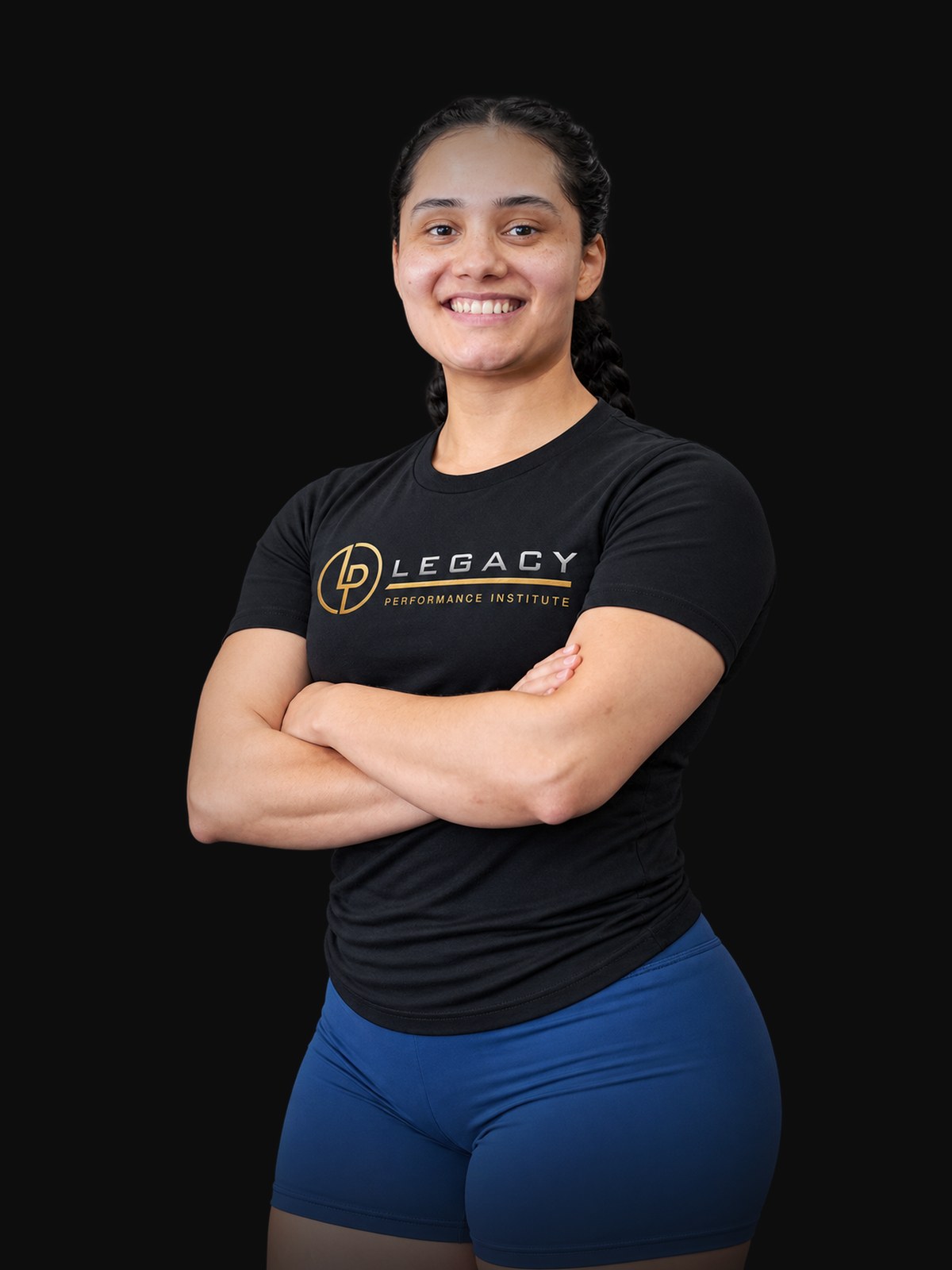
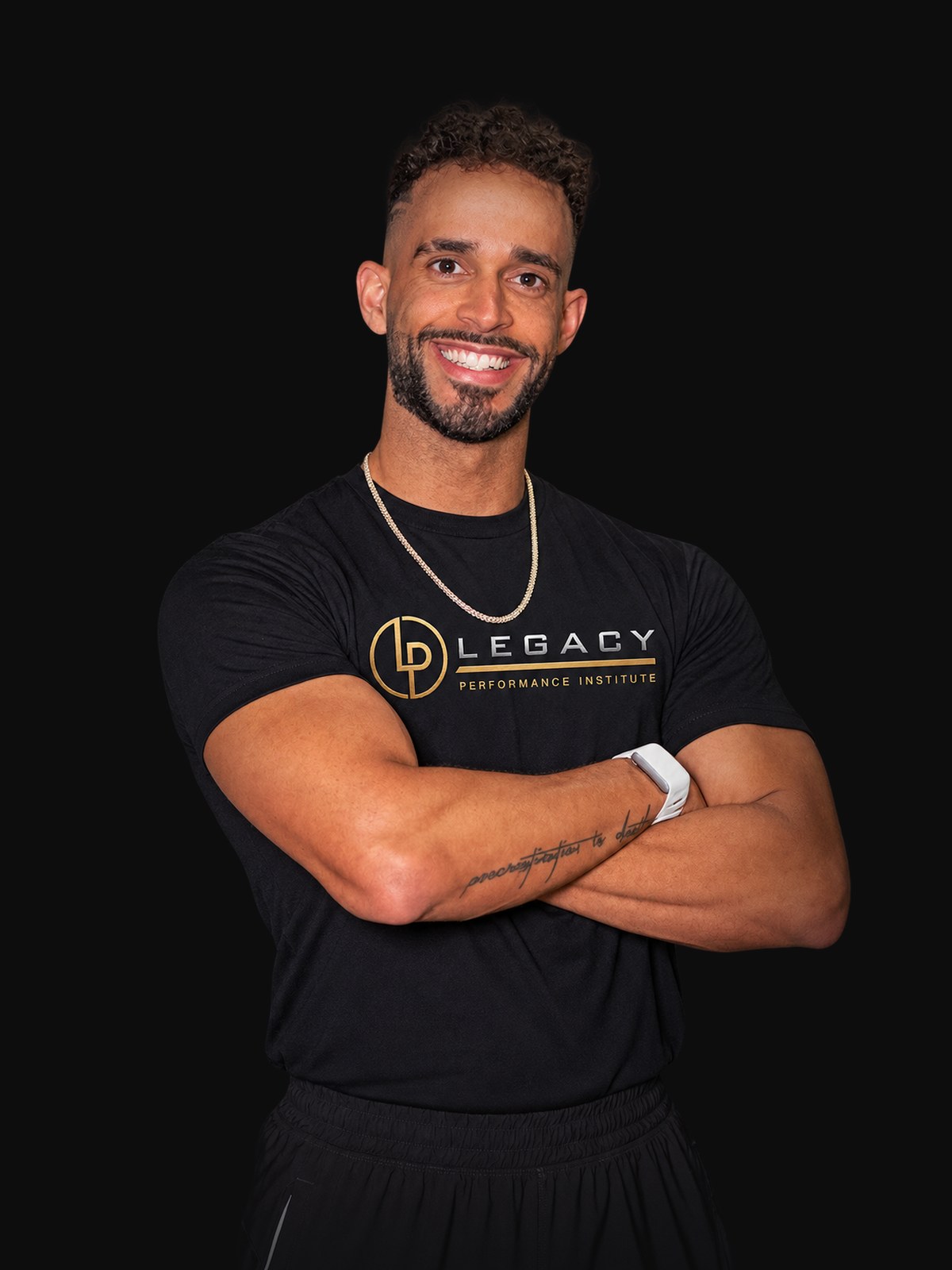
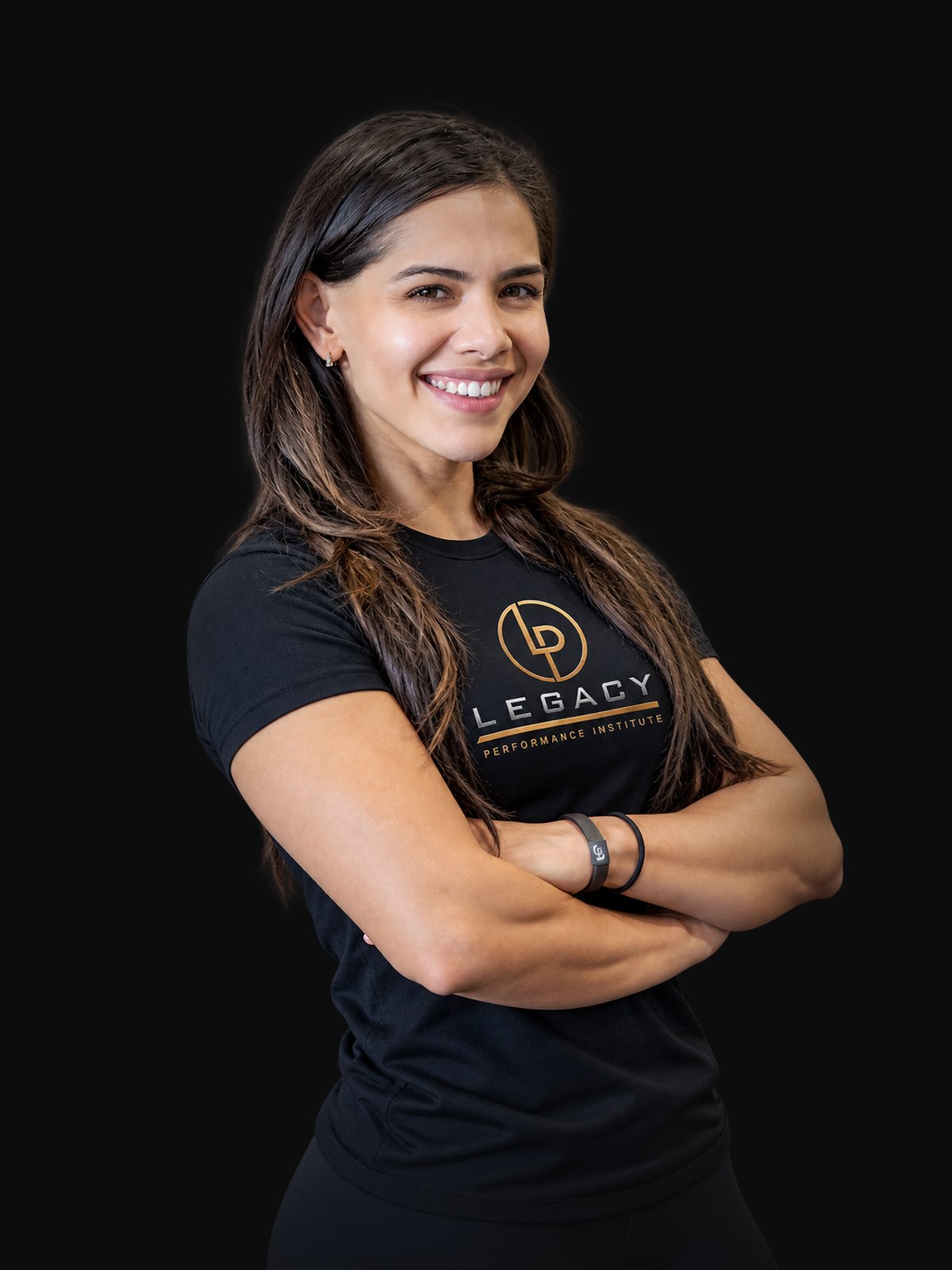
Apryl Ortega, Austin Camacho, Camryn Elyse Wemmer, Lauren Aros. Each one lists muscle building on their own Legacy profile. Open any profile to read their background and request a free introduction.
At Legacy Performance Institute San Diego, 4030B Sports Arena Blvd, San Diego, CA 92110. Hours: Mon–Fri 6:00 AM – 9:00 PM · Sat–Sun 8:00 AM – 6:00 PM · 24/7 for VIP Access members.
Coaching is priced by each coach, typically per session or as a package, and quoted after your free introduction. No membership is required to train with a coach. Coaching is booked directly with the coach you choose.
No. Your coach starts with an assessment and builds the program to your level. Your first consultation and introductory session with a Legacy coach is free, with no obligation.
It is gradual by design. Most people see measurable changes in strength and measurements over several weeks, with visible change building over a few months, and the pace depends on training history, consistency, sleep and food. Your coach sets expectations from your own baseline at the free introduction.
This is general fitness information, not medical advice. Check with your physician before starting a new exercise or nutrition program, especially if you have a medical condition, an injury, or are pregnant.
Your first consultation and introductory session with a Legacy coach is free, with no obligation. Tell us about your goals and we will match you with the right coach.