





The MethodMembershipCoaches
AboutQ & AContact
Request Access
Mobility, recovery and staying active

Active Lifestyle and Recovery Training in Del Mar

Active recovery training in Del Mar is about keeping the rest of your life going: surfing, running trails, riding, chasing kids or sitting through a long workday. Legacy coaches build strength, mobility and recovery habits around how you actually live, and your first session is free.

Facility
Legacy Performance Institute Del Mar · 12264 El Camino Real, Suite 60, San Diego, CA 92130
Hours
5:00 AM – 10:00 PM, seven days · 24/7 for VIP Access members
First Step
Your first consultation and introductory session with a Legacy coach is free, with no obligation.
The idea

Recovery is part of the program

Most people treat recovery as whatever happens when they are not training. In practice it is half of the work. Your body adapts to training during rest, which is why sleep, food and easier days decide how much of your effort turns into progress.

Coast-side San Diego pulls people outdoors. Surf sessions, runs through the canyons and trails around Torrey Pines, beach volleyball and long bike rides all add load on top of the gym. A program that ignores that load can leave you flat or sore. A program that plans around it keeps you moving well in both places.

This hub explains the main pieces of an active lifestyle and recovery plan and points you to the Legacy coaches and pages that go deeper.

Building blocks

What an active recovery plan includes

Coaches mix these elements depending on your week and your goal.

Mobility work

Targeted movement to keep joints moving through their full range, chosen for the positions your sport or desk job pushes you into.

Strength as protection

Stronger muscles and connective tissue handle the repeated loads of running, paddling and lifting more comfortably.

Planned easy weeks

Deloads, meaning a short stretch of lighter training, let accumulated fatigue clear so the next block starts fresher.

Sleep and habits

Consistent sleep, regular meals and hydration do more for recovery than any single trick.

Low-intensity movement

Walking, easy cycling or gentle mobility sessions keep blood moving on rest days without adding stress.

Who it suits

Who benefits from this kind of training

An active lifestyle plan fits more people than you might expect.

  • Surfers and paddlers who want shoulders, hips and trunk that keep up with the water.
  • Runners and trail hikers who want strength work that supports their mileage.
  • Desk-bound professionals whose hips and upper back feel stiff by the afternoon.
  • People in midlife and beyond who want to recover well between sessions and keep training for the long game.
  • Anyone returning to exercise who wants to rebuild gradually.
Weekly rhythm

How to fit training around the outdoors

The simplest rule is to treat your outdoor activity as training, not as an extra. If you surf on Saturday morning, a heavy lower-body day on Friday evening is probably a poor choice. A coach can place hard sessions and easy sessions around what you already do, so you are not stacking fatigue on top of fatigue.

Frequency matters less than most people think. Two or three well-planned strength sessions per week can support an active week if recovery between them is protected. More is not automatically better, and the right amount depends on your age, sleep and stress.

Go deeper

Related Legacy pages

If your focus is a particular goal, start with the page that matches. For movement quality and general athleticism near the coast, see functional fitness near Torrey Pines. For flexibility and body awareness, see yoga and Pilates near Solana Beach. If building a base of strength comes first, read about strength training in Del Mar, and for training later in life see senior fitness in Carmel Valley.

Fuel matters too. Our page on nutrition and fat loss in Del Mar covers the food side of recovery.

Safety

Injuries, pain and clearance

Coaches work on training and movement. They do not diagnose or treat injuries. If you have pain that does not ease, a recent injury, a surgery or a medical condition, see your physician or physical therapist first and get clearance before you start. Tell your coach what you were cleared for so the program stays inside those limits.

Soreness after hard training is normal. Sharp pain, pain that gets worse or pain that persists is a reason to stop and get it checked.

Start here

Meeting a Legacy coach

Legacy Del Mar has 39 coaches working independently in one facility at 12264 El Camino Real, Suite 60, San Diego, CA 92130. Browse the roster for coaches in mobility, athletic recovery, corrective exercise and sports performance, then book directly with the one who fits.

Your first consultation and introductory session is free, with no obligation. No membership is required to train, and coaches set their own rates, which your coach quotes after the introduction.

The Coaches

Coaches at Legacy Del Mar.

These coaches name this specialty on their own Legacy profile.

See all 39 Del Mar coaches →

The Legacy FloorTraining at Legacy · Del Mar
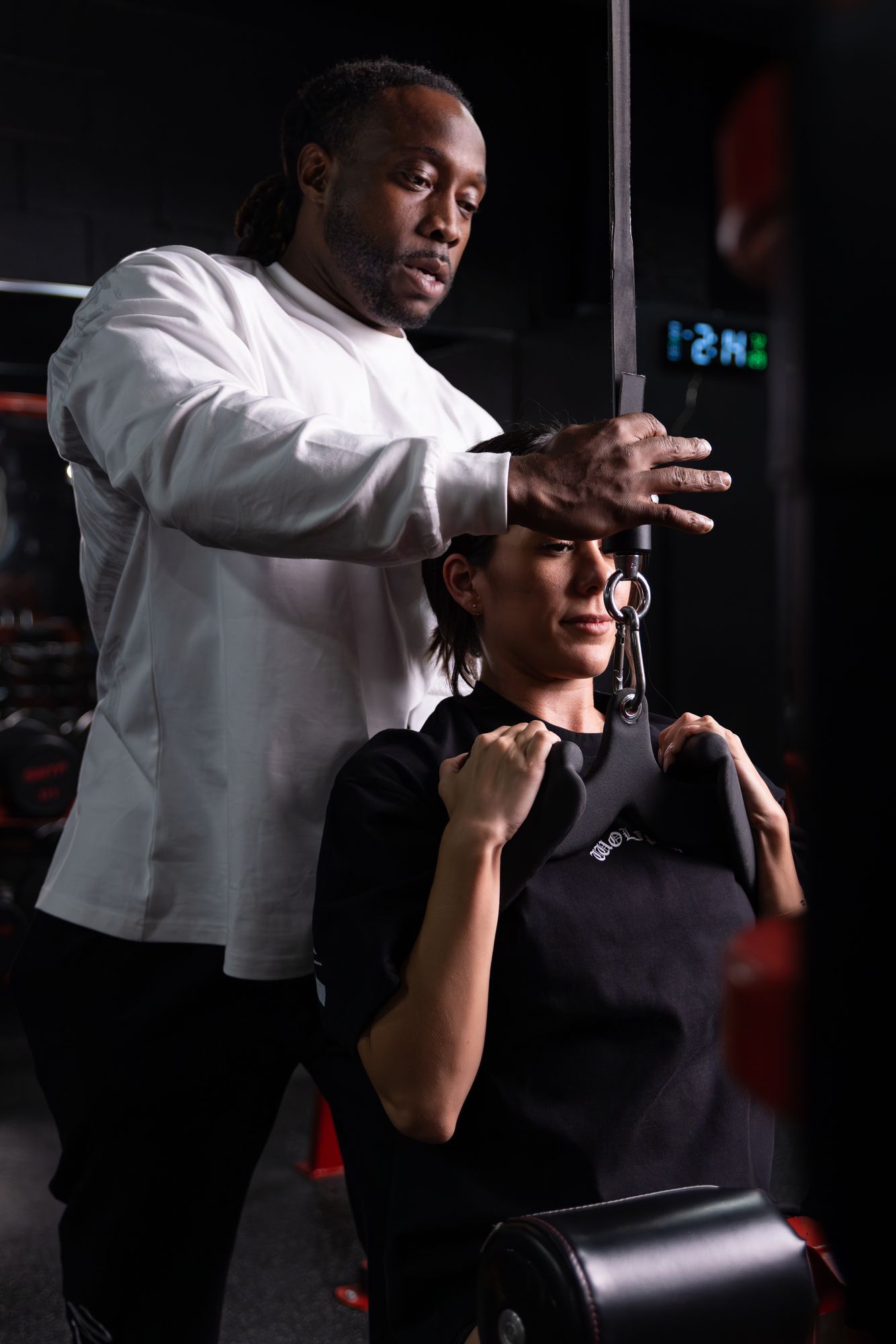
Hands-on cable coaching at Legacy Performance Institute
Strength and conditioning coaching at Legacy Performance Institute
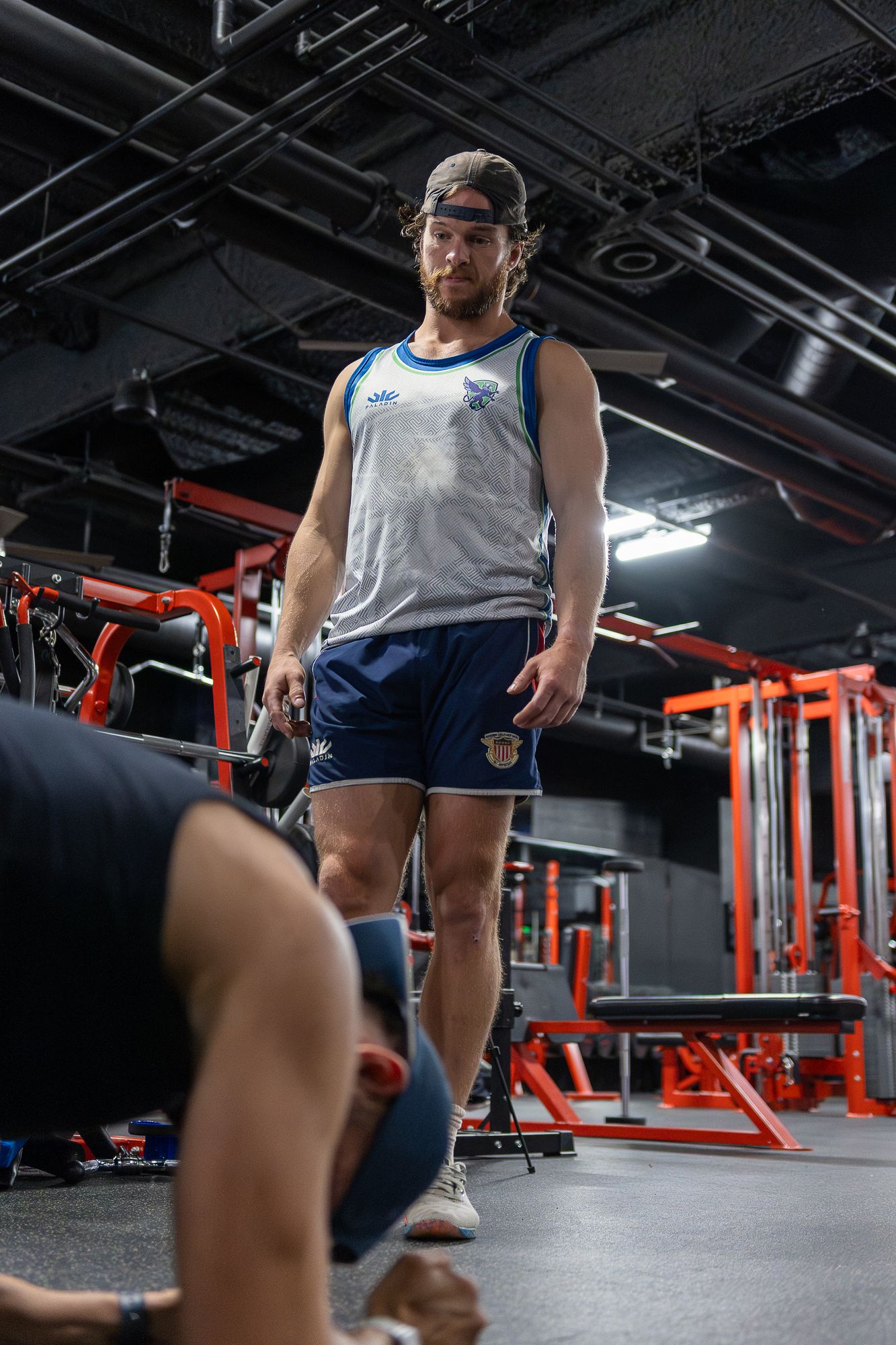
Coach watching form at Legacy Performance Institute
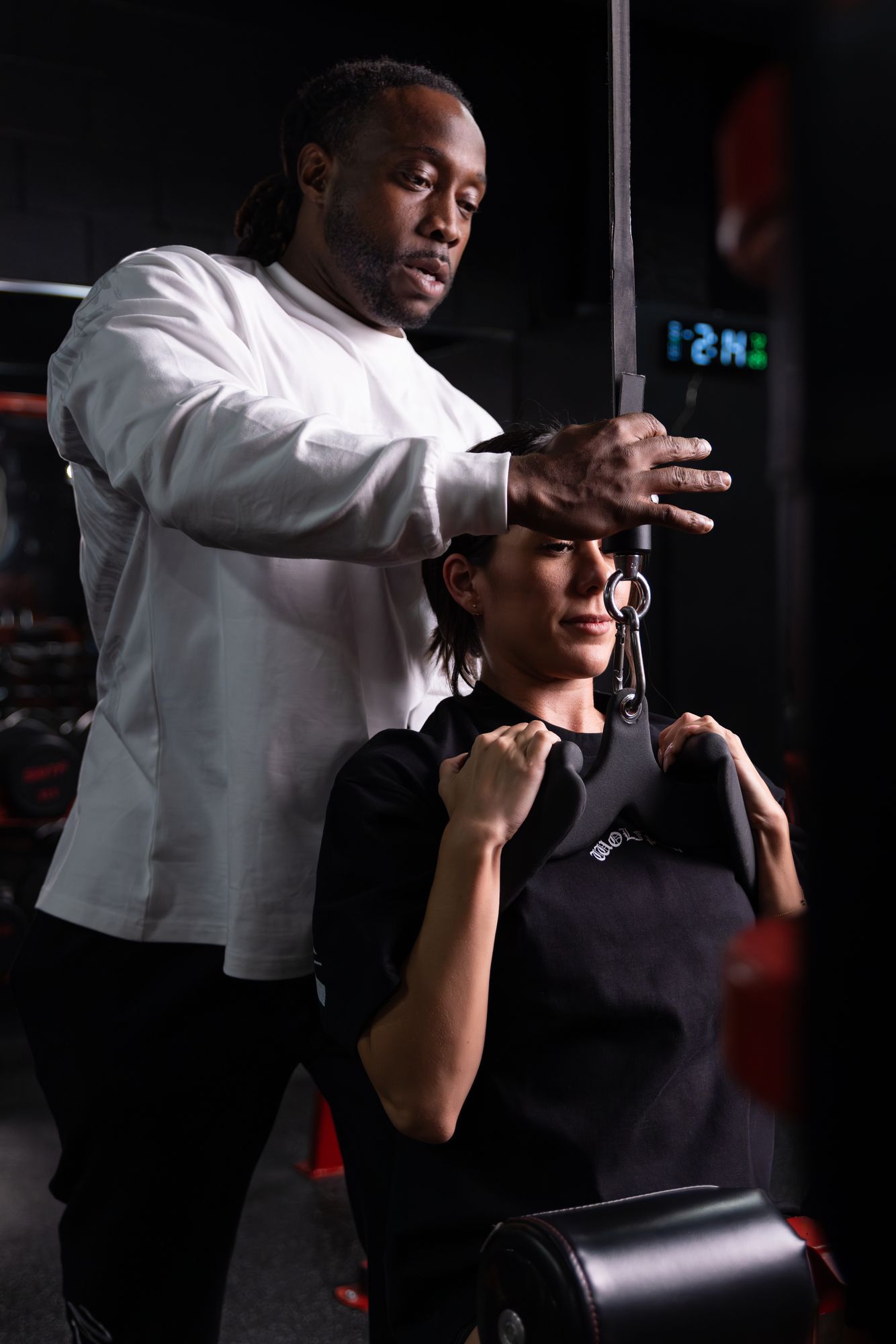
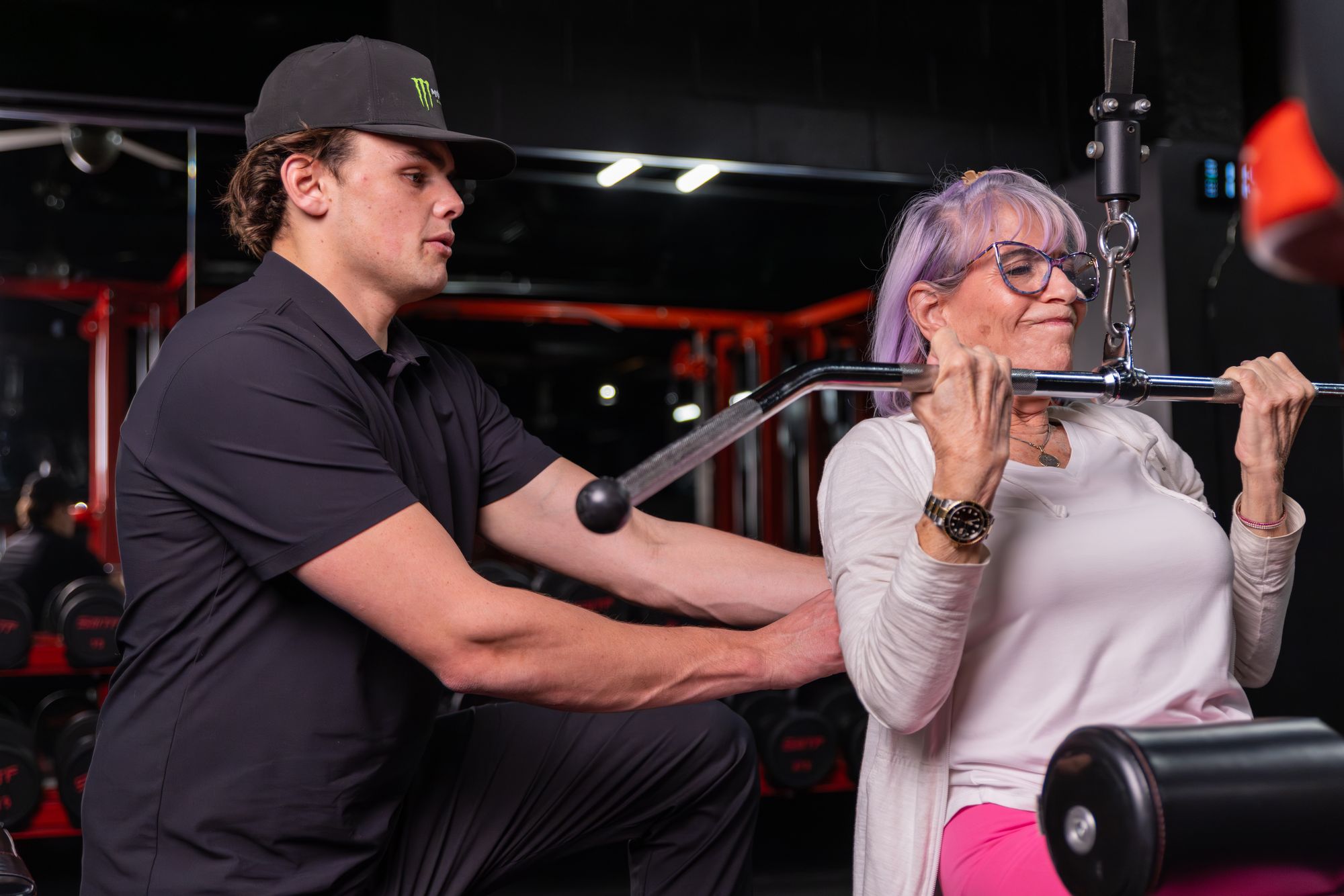
Coach guiding a lat pulldown at Legacy Performance Institute
Further Reading

Guides from the Del Mar coaches.

Related pages
What is active recovery training?

It is exercise and habits that help your body recover while keeping you moving: mobility work, easy aerobic activity, planned lighter weeks, and good sleep and food. It supports harder training instead of replacing it.

Can I train if I surf or run most days?

Yes. A coach plans strength sessions around your outdoor activity so hard days and easy days are placed sensibly, and you avoid stacking fatigue.

How many rest days do I need?

It depends on your age, training load, sleep and stress. Many people do well with at least one or two lighter days a week. Your coach adjusts this to how you respond.

Is mobility work the same as stretching?

Not quite. Stretching usually means holding a position to lengthen a muscle. Mobility work trains control through a joint's range, often with load or active movement, so you can use the range you have.

I have pain. Can a coach fix it?

Coaches do not diagnose or treat injuries. See your physician or physical therapist first. Once you have clearance, a coach can build training that works within the limits you were given.

Do I need a membership to work with a coach?

No. No membership is required to train with a coach. You book directly with the coach you choose.

What are your hours?

The facility is open 5:00 AM to 10:00 PM, seven days a week. VIP Access Pass members receive a key fob and 24/7 access.

This is general fitness information, not medical advice. Check with your physician before starting a new exercise or nutrition program, especially if you have a medical condition, an injury, or are pregnant.

Start Here

Start with a free introduction.

Your first consultation and introductory session with a Legacy coach is free, with no obligation. Tell us about your goals and we will match you with the right coach.