
Kung fu is an umbrella term for many Chinese martial arts, including Shaolin, Wing Chun and Hung Gar, each with its own forms, stances and philosophy. One coach at Legacy Del Mar lists kung fu training, with a holistic and mindset focus. People who look for it usually want discipline, coordination and a practice with deep roots rather than a pure workout.
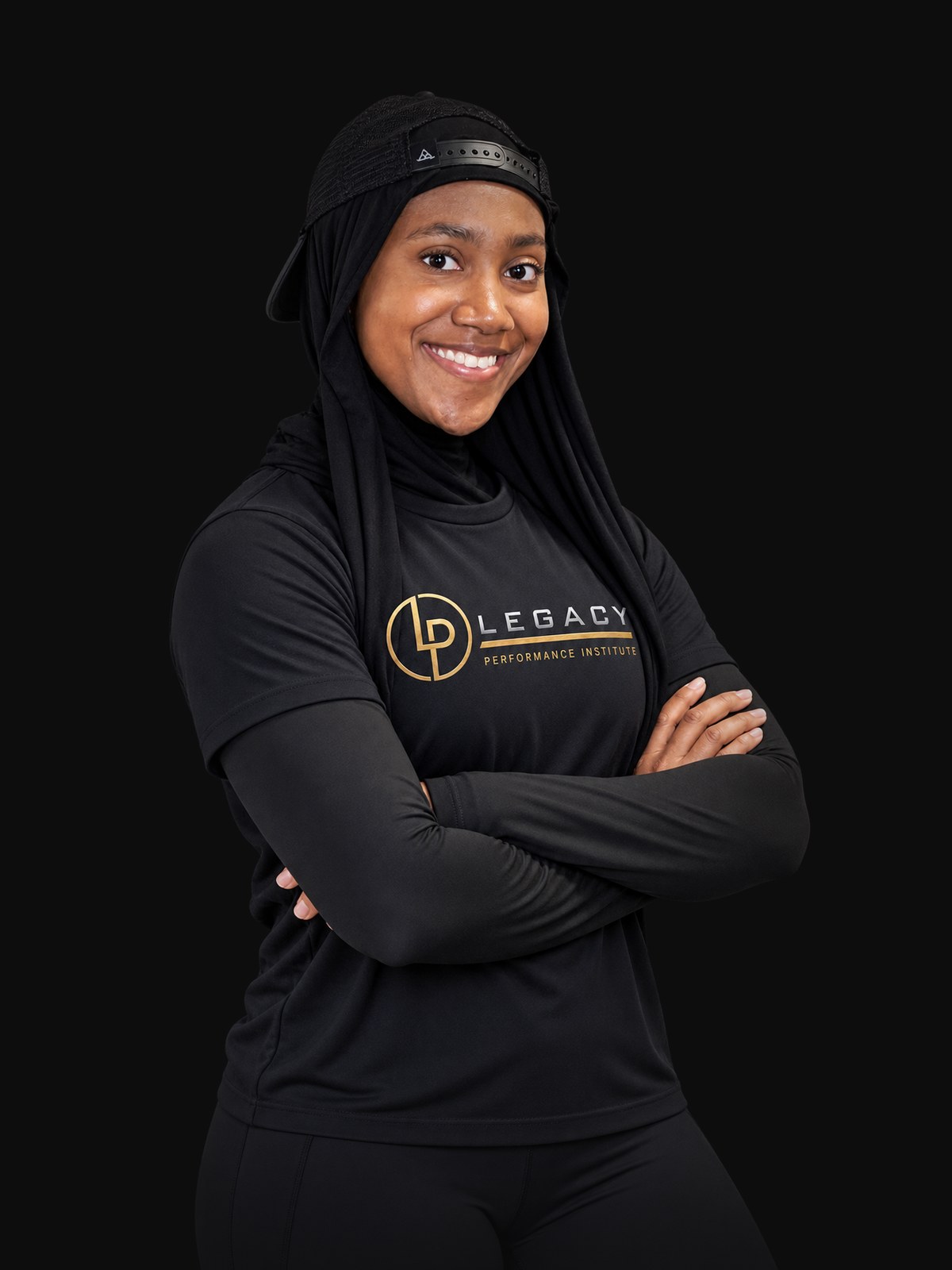
Every coach here names this specialty on their own profile. Open one to read their story, then request a free introduction.
Wing Chun is compact and close-range, built around centerline striking and trapping. Northern styles tend to use long stances and big kicks. Southern styles often emphasize low, rooted stances and powerful hand techniques. Ask a coach which lineage they come from and what the style prioritizes, since two kung fu teachers can teach very different things under the same name.
Sessions commonly include stance training held for time, which builds leg strength and patience; basic strikes and blocks repeated many times; forms (taolu), which are choreographed sequences practiced solo; and partner drills that apply pieces of the forms. Breathing and focus are often woven in, and some styles include a meditative component. Progress is slow and steady by design.
In a private setting, a coach can break a form into short segments and spend a whole session on a single transition, which is hard to get in a crowded class. Expect plenty of feedback on posture and weight distribution, since small shifts in where your weight sits affect balance and power across the whole form. Some people pair kung fu sessions with strength work to support the leg demands of deep stances.
Kung fu suits people who enjoy repetition and detail and want a long-term practice. It can be scaled for many ages and fitness levels, but deep stances load the knees and hips, and higher kicks need hip mobility that takes time to build. With knee, hip or back problems, a joint replacement or a heart condition, get physician clearance first. Under Legacy's policy, teens aged 13 to 18 train one-on-one.
Traditional schools grade with sashes or ranks; a private coach may or may not use one. Practical markers include holding a horse stance longer with better alignment, performing a form from memory with clean transitions, staying balanced on one leg through kicks, and applying a technique smoothly with a cooperative partner.
Personal training is one coach, one plan, built around you. It combines assessment, programming, coaching in the room and accountability, so the time you invest goes toward your own goals rather than a generic routine.
Your coach learns your goals, history, schedule and limitations, and screens how you move before writing anything down.
Exercises, loads and session structure are chosen for your body and goal, and they change as you improve.
Your coach teaches technique, adjusts loads in real time and keeps sessions productive, which is the part an app or a video cannot do.
Strength, measurements, consistency and how you feel are tracked so you can see the direction, not just guess at it.
Some elements are, depending on the style and how it is trained. If self-defense is your main goal, say so; the coach can lean on partner drills and realistic scenarios over solo forms.
No. Flexibility develops through the practice. Stance depth and kick height are scaled to where you are.
Tai chi is itself a Chinese martial art, usually practiced slowly for health and balance. Many kung fu styles are faster and more combative, though some teachers include both.
Book the free introductory session with the coach at Legacy Del Mar on El Camino Real in Carmel Valley, explain your goals, and ask how they structure the first month.
Some traditional styles include weapons forms, such as staff or sword. Whether a private coach teaches them varies, so ask at your introduction.
Aqilah. Each one lists kung fu training on their own Legacy profile. Open any profile to read their background and request a free introduction.
At Legacy Performance Institute Del Mar, 12264 El Camino Real, Suite 60, San Diego, CA 92130. Hours: 5:00 AM – 10:00 PM, seven days · 24/7 for VIP Access members.
Coaching is priced by each coach, typically per session or as a package, and quoted after your free introduction. No membership is required to train with a coach. Coaching is booked directly with the coach you choose.
No. Your coach starts with an assessment and builds the program to your level. Your first consultation and introductory session with a Legacy coach is free, with no obligation.
It depends on your goal, schedule and budget. Many clients work with their coach one to three times a week and train on their own in between. Your coach recommends a frequency after your free introduction.
This is general fitness information, not medical advice. Check with your physician before starting a new exercise or nutrition program, especially if you have a medical condition, an injury, or are pregnant.
Your first consultation and introductory session with a Legacy coach is free, with no obligation. Tell us about your goals and we will match you with the right coach.