

Intra-Workout Nutrition Strategies for Endurance
A client of ours — a surgeon who trains for the Solana Beach Triathlon every June — came into a Saturday session in June describing what happened on a 2-hour bluff-trail run near Torrey…
Cardiovascular endurance training builds your capacity to sustain effort for a long time, measured in how far, how fast or how long you can go. People in Del Mar look for it when they have a target: a half marathon, an ocean swim, a long coastal ride, a multi-day hike, or a sport that demands repeated efforts deep into a match.
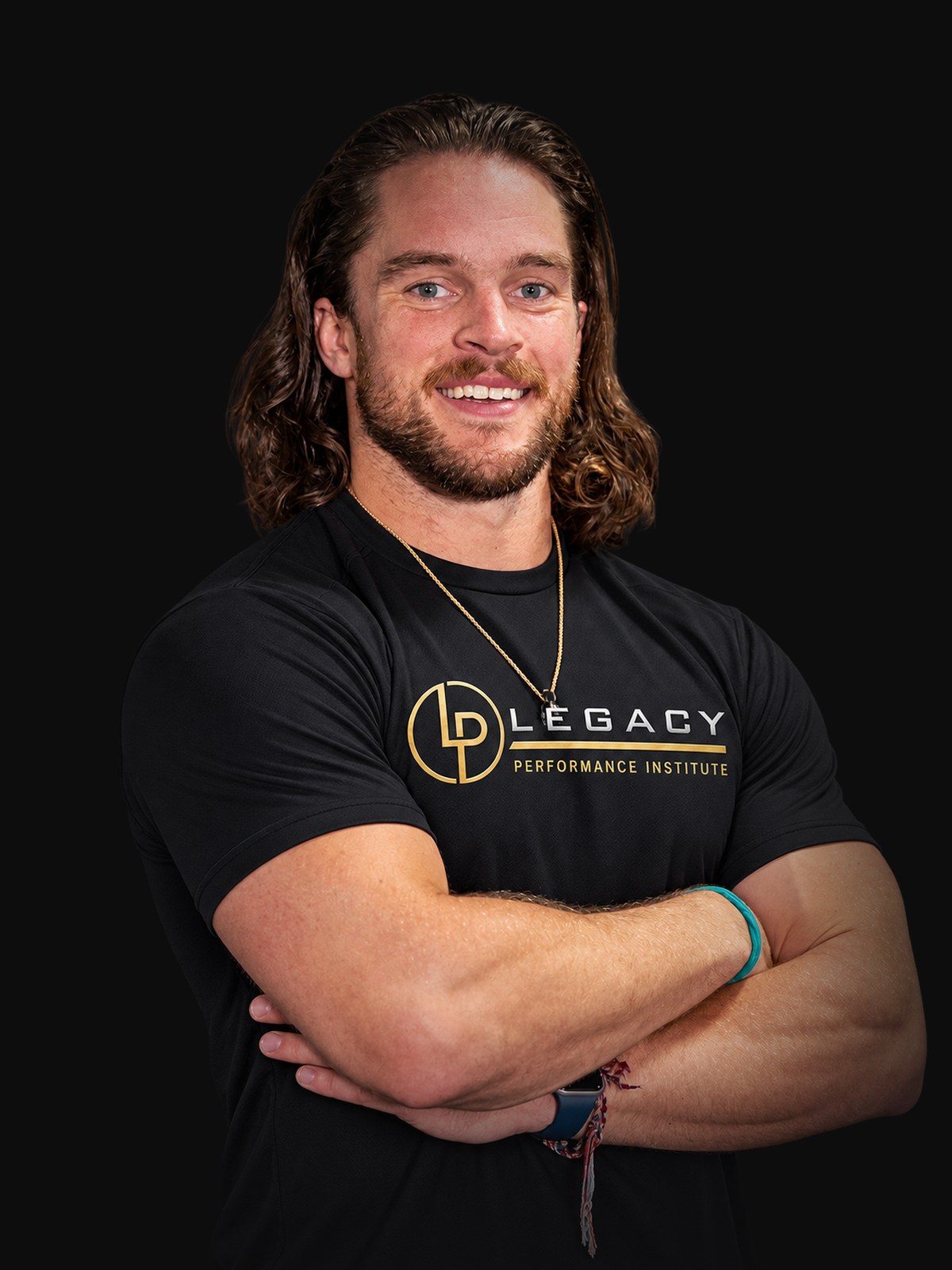
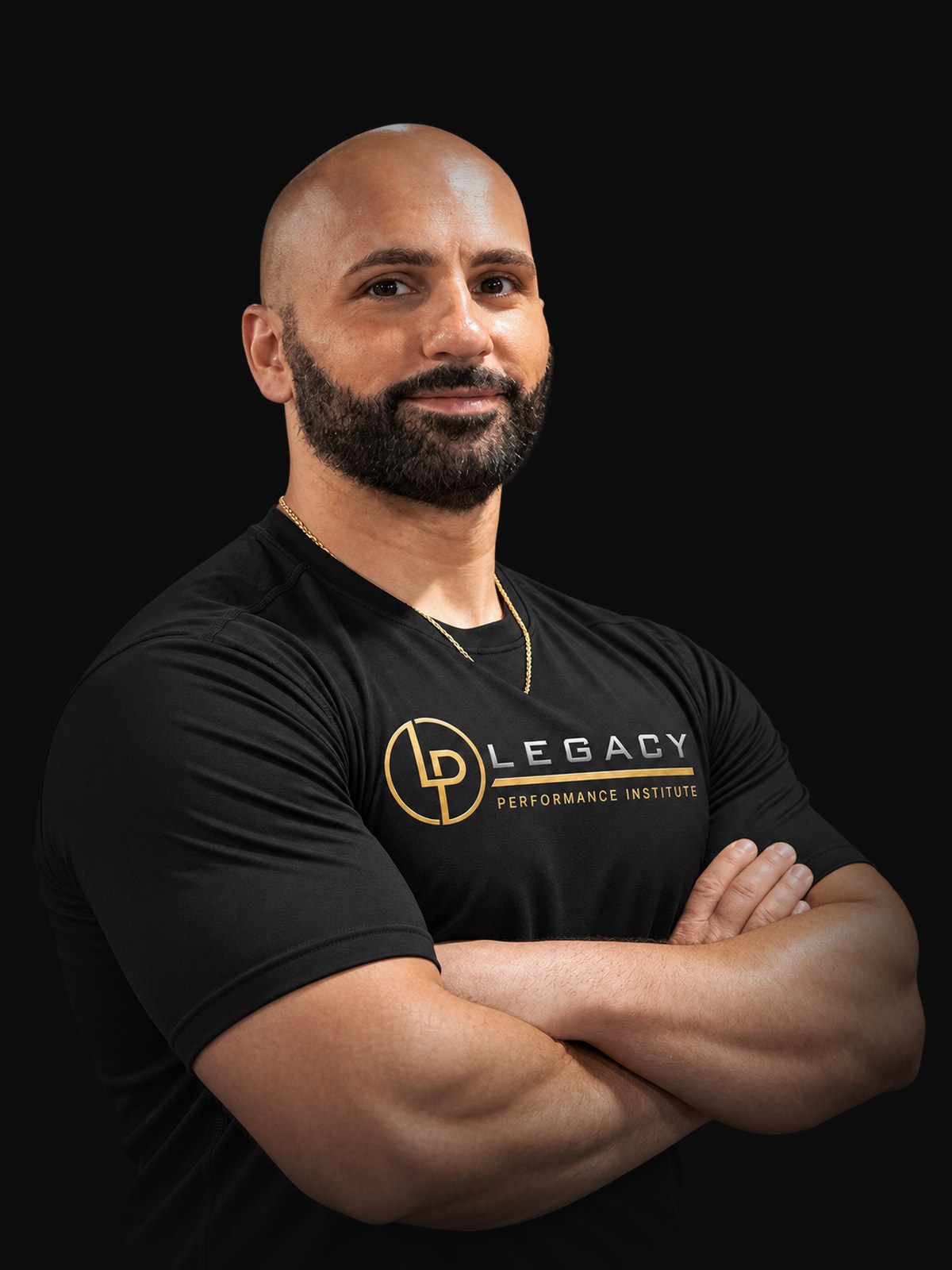
Every coach here names this specialty on their own profile. Open one to read their story, then request a free introduction.




Endurance training is aerobic exercise organized around a goal. It develops your aerobic base, the foundation that lets you go long at moderate effort, and your threshold, the hardest pace you can hold for an extended time before fatigue builds quickly.
It is more structured than general cardio. Weeks are planned in phases, long sessions grow gradually, and harder intervals are placed with recovery in mind.
Most plans include one longer session that steadily extends, one or two quality sessions with intervals or tempo work, and easy sessions in between. A coach also builds in strength training, because stronger legs, hips and trunk help many endurance athletes hold form and resist overuse injuries.
Coaching sessions often focus on the pieces that are hard to do alone: pacing practice, interval sessions, strength work, and reviewing your training log. The long runs, swims and rides along the coast usually happen on your own time.
It suits anyone with an endurance event on the calendar or a sport where fading late is the problem, from runners on the San Dieguito River trails to masters swimmers and tennis players heading into long tournament weekends.
If you are currently inactive, start with a few weeks of general cardio and strength before structured endurance work. If you have heart or lung conditions, high blood pressure, or have had chest discomfort or fainting with exercise, see your physician before training hard. Overuse pain that persists should be checked by a physician or physical therapist.
Endurance progress is very trackable. Coaches use time trials over a set distance, pace or power at a given heart rate, how long you can hold a target pace, and how quickly your heart rate drops after an effort. Repeating the same test every four to six weeks shows whether the plan is working.
On the event side, success is often pacing evenly and finishing strong rather than simply finishing.
Functional and endurance training builds the capacity to move well and keep moving: carrying, pushing, pulling, climbing and holding a pace. It develops strength through full-body patterns and builds the aerobic base that makes both daily life and sport feel easier.
Sessions are built from squats, hinges, pushes, pulls, carries and rotation, trained in ways that transfer to real life and sport.
Easy, steady work and harder intervals are programmed on purpose, so conditioning improves without running you into the ground.
Pace, distance, heart-rate response, loads and rep quality are tracked, so improvement is visible and the next step is clear.
Equipment and formats change, but the weekly structure stays consistent so each session builds on the last.
It depends on the event and your starting point. Many plans run twelve to twenty weeks. Starting earlier allows a gentler build and room for missed weeks.
Ask how they structure weeks around your event, how they balance hard and easy days, and how they include strength work. Experience with your specific sport is a plus.
It helps but is not required. Perceived effort and the talk test work well, and a coach can teach you to use both.
Cardio covers everyday aerobic exercise for health. Endurance training is goal-specific, built in phases, and progressively longer or faster.
Andy Mog, Anna Zittel, Anthony Dain, Aqilah, Austin Camacho, Bree Norton, Caden Sears, Cassie Wood, Charlie Torres, Chris Koo, Coach Kos, Dacey Perez, Eli Harned, Emely Gonzalez, Emma Warren, Fate Villa, Jalen Russell, Joel Maddock, Jonathan Fong, Kevin Lee, Mark Kern, Martin Jones, Mo Ghori, Nima Naraghi, Randy Etheridge, Shane Dempsey, Wiam Yaldo. Each one lists cardiovascular endurance on their own Legacy profile. Open any profile to read their background and request a free introduction.
At Legacy Performance Institute Del Mar, 12264 El Camino Real, Suite 60, San Diego, CA 92130. Hours: 5:00 AM – 10:00 PM, seven days · 24/7 for VIP Access members.
Coaching is priced by each coach, typically per session or as a package, and quoted after your free introduction. No membership is required to train with a coach. Coaching is booked directly with the coach you choose.
No. Your coach starts with an assessment and builds the program to your level. Your first consultation and introductory session with a Legacy coach is free, with no obligation.
No. The same principles scale from first-time exercisers to competitive endurance athletes. Your coach sets the starting volume and intensity from your assessment, not from a fixed template.
This is general fitness information, not medical advice. Check with your physician before starting a new exercise or nutrition program, especially if you have a medical condition, an injury, or are pregnant.
Your first consultation and introductory session with a Legacy coach is free, with no obligation. Tell us about your goals and we will match you with the right coach.