

Intra-Workout Nutrition Strategies for Endurance
A client of ours — a surgeon who trains for the Solana Beach Triathlon every June — came into a Saturday session in June describing what happened on a 2-hour bluff-trail run near Torrey…
Calisthenics is strength training with your own body weight: push-ups, pull-ups, dips, squats, lunges, and progressions toward advanced skills like handstands, muscle-ups and levers. People in Del Mar like it because it builds real strength and control and travels anywhere, from a hotel room to a park bar by the beach.
Every coach here names this specialty on their own profile. Open one to read their story, then request a free introduction.
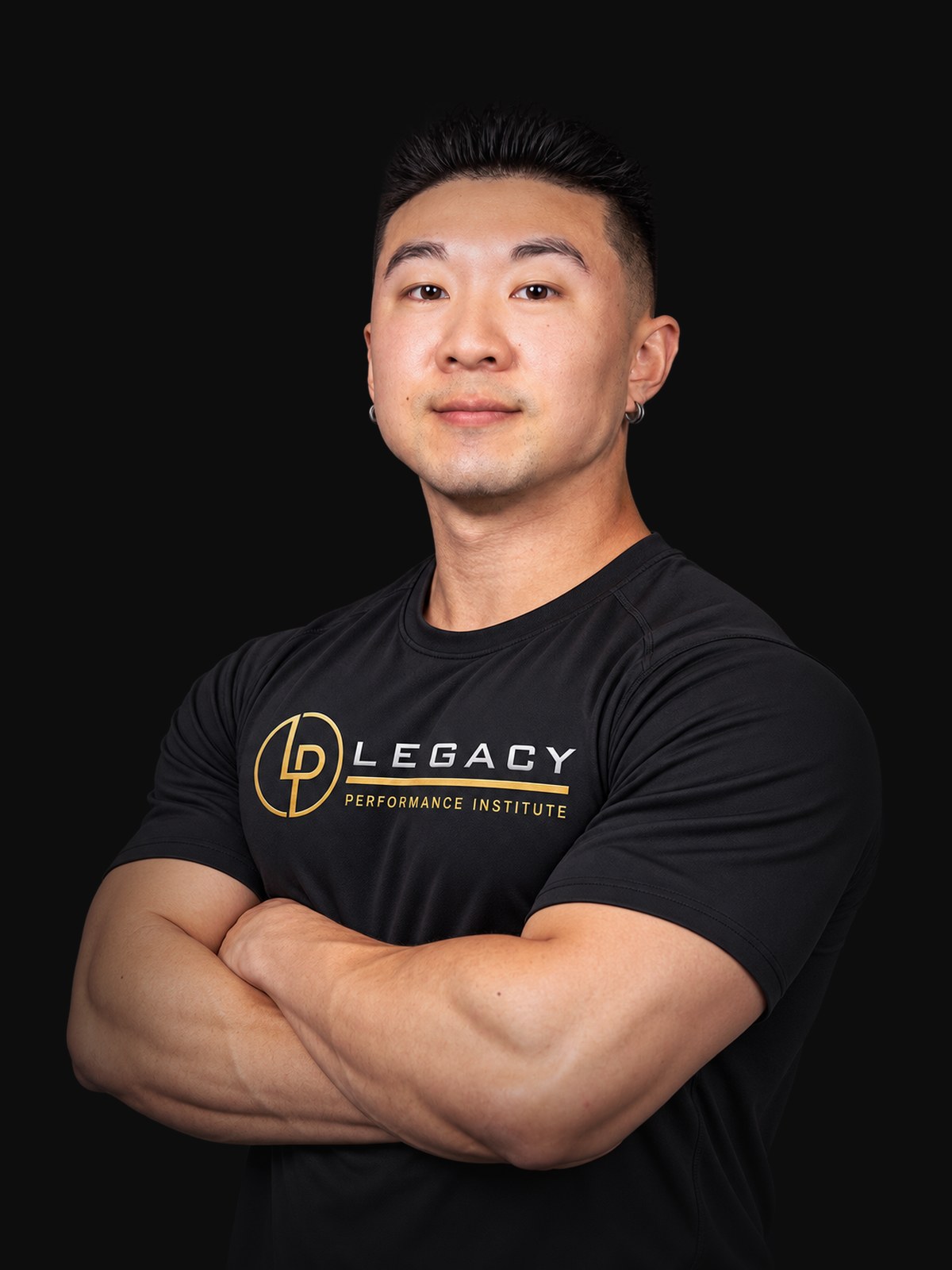
Calisthenics builds strength by changing leverage instead of adding plates. A push-up becomes harder as you raise your feet, move your hands, or shift weight onto one arm. Every movement has a progression, so a beginner and an advanced athlete can follow the same structure at different levels.
It rewards body control: keeping a tight midline, stable shoulders and full range of motion. That is why many people notice better posture and coordination alongside strength.
Sessions usually begin with wrist, shoulder and hip preparation, since bodyweight skills put unique load on those joints. Then comes a skill block, such as handstand or pull-up practice while fresh, followed by strength work in pushing, pulling, squatting and hinging patterns, and finally core and mobility work.
A coach's job is choosing the right progression for each movement and knowing when you are ready to move up. That prevents the classic calisthenics plateau of doing endless easy reps or stalling on a move that is too hard.
It suits people who like skill goals, travel often, or want to train outdoors when the weather is good, which in coastal North County is most of the year. Surfers and climbers often take to it because pulling, pressing and shoulder stability carry over directly.
If you have significant shoulder, elbow or wrist problems, or carry a lot of body weight relative to your strength, some bodyweight moves may be harder on joints than loaded alternatives at first. Get physician clearance for injuries and ask your coach to start with regressions.
Calisthenics progress is unusually visible: your first full push-up or pull-up, adding reps, moving to a harder variation, holding a handstand against a wall and then away from it. Coaches often track max reps on a few benchmarks and hold times on skills every few weeks.
Functional and endurance training builds the capacity to move well and keep moving: carrying, pushing, pulling, climbing and holding a pace. It develops strength through full-body patterns and builds the aerobic base that makes both daily life and sport feel easier.
Sessions are built from squats, hinges, pushes, pulls, carries and rotation, trained in ways that transfer to real life and sport.
Easy, steady work and harder intervals are programmed on purpose, so conditioning improves without running you into the ground.
Pace, distance, heart-rate response, loads and rep quality are tracked, so improvement is visible and the next step is clear.
Equipment and formats change, but the weekly structure stays consistent so each session builds on the last.
Yes, if exercises are progressed so they stay challenging. Some people later add weight with a vest or belt to keep growing.
Ask how they progress a beginner from zero pull-ups and how they protect wrists and shoulders. A clear progression plan is a good sign.
Very little. A bar for pulling and something stable for dips covers most needs. Ask your coach what they use and what you can do at home or on the road.
Bodyweight strength is valuable at any age. Start with gentle progressions, and get physician clearance if you have health conditions or joint concerns.
Andy Mog, Anna Zittel, Anthony Dain, Aqilah, Austin Camacho, Bree Norton, Brooke Heaton, Chance Dyck, Charlie Torres, Chris Koo, Coach Kos, Dacey Perez, Eli Harned, Emely Gonzalez, Emma Warren, Fate Villa, Joel Maddock, Jonathan Fong, Kevin Lee, Mark Kern, Martin Jones, Mo Ghori, Nima Naraghi, Randy Etheridge, Wiam Yaldo, William Cui. Each one lists calisthenics on their own Legacy profile. Open any profile to read their background and request a free introduction.
At Legacy Performance Institute Del Mar, 12264 El Camino Real, Suite 60, San Diego, CA 92130. Hours: 5:00 AM – 10:00 PM, seven days · 24/7 for VIP Access members.
Coaching is priced by each coach, typically per session or as a package, and quoted after your free introduction. No membership is required to train with a coach. Coaching is booked directly with the coach you choose.
No. Your coach starts with an assessment and builds the program to your level. Your first consultation and introductory session with a Legacy coach is free, with no obligation.
No. The same principles scale from first-time exercisers to competitive endurance athletes. Your coach sets the starting volume and intensity from your assessment, not from a fixed template.
This is general fitness information, not medical advice. Check with your physician before starting a new exercise or nutrition program, especially if you have a medical condition, an injury, or are pregnant.
Your first consultation and introductory session with a Legacy coach is free, with no obligation. Tell us about your goals and we will match you with the right coach.