
Wrestling coaching at a training facility usually means physical preparation for the sport: the strength, power, grip, neck and conditioning a wrestler needs to compete through a full match and a full season. One coach at Legacy Del Mar lists it. High school and club wrestlers from Carmel Valley, Torrey Pines and nearby schools, plus adults in grappling sports, are the most likely to look for it.
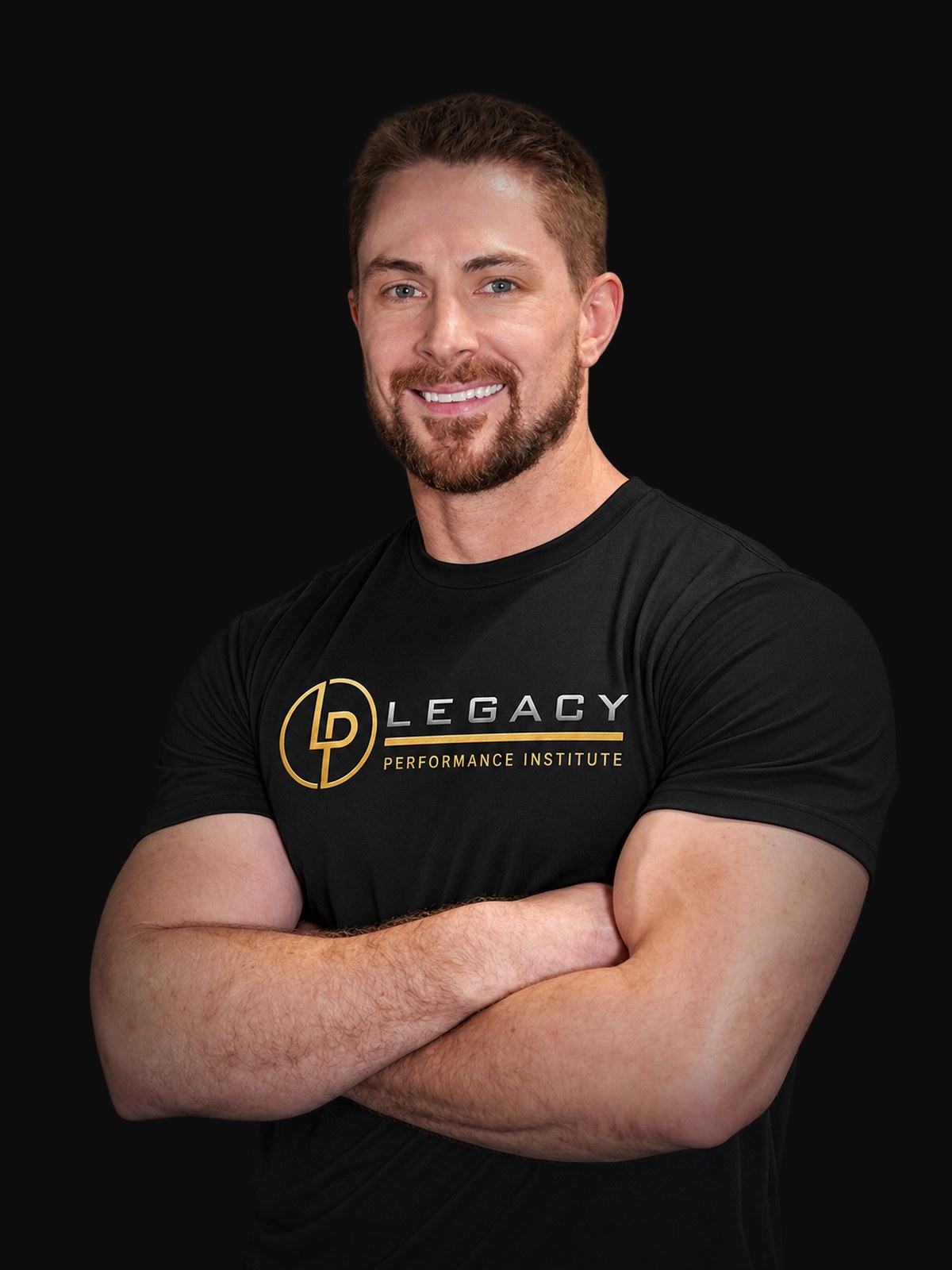
Every coach here names this specialty on their own profile. Open one to read their story, then request a free introduction.
Wrestling combines short bursts of maximal effort with sustained grinding, often across several periods and multiple matches in a tournament day. It requires strength in awkward positions, explosive level changes, a powerful hip drive, durable neck and shoulders, and a grip that holds under fatigue. Few sports test so many qualities at once.
The sport also rewards mental toughness: staying composed when tired, recovering between matches and coming back after a loss. Strength coaches often build that resilience indirectly, through hard but well-planned training that teaches an athlete what they can handle.
Making weight and staying strong at that weight is a constant theme, which is why year-round strength work and good nutrition habits matter.
Expect strength work such as squats, deadlifts, pulls and carries; explosive work like jumps and medicine-ball throws; grip and neck training; and conditioning that mimics match intensity. Mobility for hips and the upper back is common, since wrestlers spend a lot of time in bent, twisted positions. In season, sessions get shorter so they support mat practice rather than add fatigue.
Technique on the mat, such as shots, sprawls and escapes, is typically taught by a wrestling club or school coach. Ask whether the coach here includes any skill work or focuses on physical preparation only.
Athletes aged 13 to 18 train at Legacy Del Mar in one-on-one sessions only. Children under 13 are not permitted on the training floor except supervised boxing and MMA sessions in designated areas, so younger wrestlers would need to check those options directly.
Rapid weight cutting carries real health risks. Weight-cutting methods are not something a strength coach should prescribe; weight class decisions should involve a physician and the athlete's school or club. Any wrestler returning from injury, especially to the neck, shoulder or knee, should get physician or physical therapist clearance first. Coaches do not diagnose or treat injuries.
Markers include strength relative to bodyweight, grip endurance, repeated-effort conditioning tests and, most importantly, how the wrestler feels late in matches. Ask how the coach plans the off-season, pre-season and tournament weeks.
Personal training is one coach, one plan, built around you. It combines assessment, programming, coaching in the room and accountability, so the time you invest goes toward your own goals rather than a generic routine.
Your coach learns your goals, history, schedule and limitations, and screens how you move before writing anything down.
Exercises, loads and session structure are chosen for your body and goal, and they change as you improve.
Your coach teaches technique, adjusts loads in real time and keeps sessions productive, which is the part an app or a video cannot do.
Strength, measurements, consistency and how you feel are tracked so you can see the direction, not just guess at it.
One coach lists wrestling as a specialty. Ask at the free introduction whether they coach technique or focus on strength and conditioning for wrestlers.
Yes. Adults in wrestling, jiu-jitsu or other grappling sports benefit from the same strength, grip and conditioning work. Mention your sport so the plan fits.
The off-season is ideal for building strength. In-season training is still worthwhile, kept shorter and timed around matches.
Landon Bergenthal. Each one lists wrestling on their own Legacy profile. Open any profile to read their background and request a free introduction.
At Legacy Performance Institute Del Mar, 12264 El Camino Real, Suite 60, San Diego, CA 92130. Hours: 5:00 AM – 10:00 PM, seven days · 24/7 for VIP Access members.
Coaching is priced by each coach, typically per session or as a package, and quoted after your free introduction. No membership is required to train with a coach. Coaching is booked directly with the coach you choose.
No. Your coach starts with an assessment and builds the program to your level. Your first consultation and introductory session with a Legacy coach is free, with no obligation.
It depends on your goal, schedule and budget. Many clients work with their coach one to three times a week and train on their own in between. Your coach recommends a frequency after your free introduction.
This is general fitness information, not medical advice. Check with your physician before starting a new exercise or nutrition program, especially if you have a medical condition, an injury, or are pregnant.
Your first consultation and introductory session with a Legacy coach is free, with no obligation. Tell us about your goals and we will match you with the right coach.