
A cold plunge is a short, deliberate immersion in very cold water, usually up to the neck, for a few minutes at a time. Around Point Loma and Ocean Beach the idea is familiar from dawn ocean dips, and people search for it when they want guidance on whether it fits their training, how to time it, and how to do it safely.
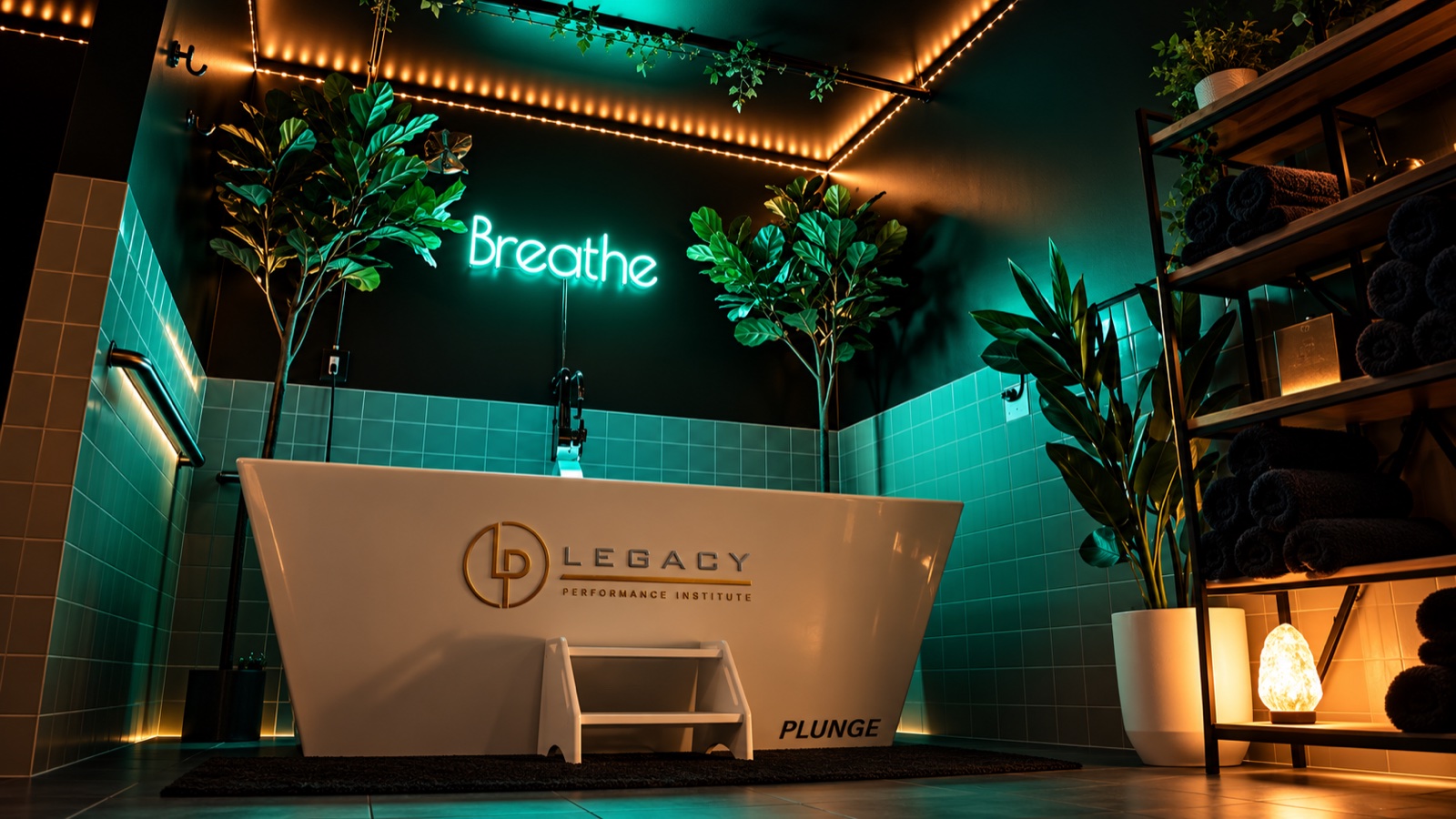
Every coach here names this specialty on their own profile. Open one to read their story, then request a free introduction.
Legacy San Diego is a private training facility, and this page is about coaching, not equipment. The coach listed here includes cold-water immersion as part of their practice, mainly in how they advise clients who already plunge at home, in the ocean or elsewhere: when to do it relative to training, how long to stay in, and how to build tolerance gradually.
Ask at your introduction how they use it with clients who have goals like yours, and whether they recommend it for you at all.
Some research suggests cold-water immersion may reduce perceived muscle soreness and help people feel recovered after hard or repeated sessions, which is why it is popular in team sports and endurance events. Many people also say it lifts their mood and alertness, though studies on those effects are smaller and less consistent.
There is a trade-off worth knowing. Several studies suggest that plunging soon after strength training may blunt some of the muscle and strength gains from that session. For that reason many coaches recommend separating a plunge from lifting by several hours, or saving it for days focused on conditioning or competition. The evidence is still developing, so treat any strong claims with caution.
Sudden cold triggers a gasp reflex and a spike in heart rate and blood pressure. Do not plunge without your physician's approval if you have heart disease, high blood pressure, arrhythmia, a history of stroke, Raynaud's phenomenon, cold urticaria, poorly controlled diabetes or nerve damage in your hands or feet, or if you are pregnant.
Even when healthy, never plunge alone, never hold your breath under the water, and get out if you feel numbness spreading, confusion or uncontrollable shivering. Start with short exposures and less extreme temperatures, and warm up gradually afterward with dry clothes and movement rather than a scalding shower.
A plunge is one specific, whole-body, high-intensity form of cold exposure. Ice packs on a sore knee or a cold finish to your shower are milder, more targeted tools with different uses. If you are unsure which suits you, the coach can help you think it through, and your physician should have the last word on safety.
Personal training is one coach, one plan, built around you. It combines assessment, programming, coaching in the room and accountability, so the time you invest goes toward your own goals rather than a generic routine.
Your coach learns your goals, history, schedule and limitations, and screens how you move before writing anything down.
Exercises, loads and session structure are chosen for your body and goal, and they change as you improve.
Your coach teaches technique, adjusts loads in real time and keeps sessions productive, which is the part an app or a video cannot do.
Strength, measurements, consistency and how you feel are tracked so you can see the direction, not just guess at it.
Studies use a wide range, often roughly 10 to 15 degrees Celsius (50 to 59 Fahrenheit) for a few minutes. Beginners usually start warmer and shorter. Colder and longer is not necessarily better.
If muscle and strength gain is your main goal, many coaches suggest waiting several hours, since some research suggests immediate cold may reduce those adaptations.
The Pacific here is cool for much of the year, so it can produce a similar cold response, with added surf and current risks. Go with others and respect posted conditions.
Conscious Body Recovery. Each one lists cold plunge on their own Legacy profile. Open any profile to read their background and request a free introduction.
At Legacy Performance Institute San Diego, 4030B Sports Arena Blvd, San Diego, CA 92110. Hours: Mon–Fri 6:00 AM – 9:00 PM · Sat–Sun 8:00 AM – 6:00 PM · 24/7 for VIP Access members.
Coaching is priced by each coach, typically per session or as a package, and quoted after your free introduction. No membership is required to train with a coach. Coaching is booked directly with the coach you choose.
No. Your coach starts with an assessment and builds the program to your level. Your first consultation and introductory session with a Legacy coach is free, with no obligation.
It depends on your goal, schedule and budget. Many clients work with their coach one to three times a week and train on their own in between. Your coach recommends a frequency after your free introduction.
This is general fitness information, not medical advice. Check with your physician before starting a new exercise or nutrition program, especially if you have a medical condition, an injury, or are pregnant.
Your first consultation and introductory session with a Legacy coach is free, with no obligation. Tell us about your goals and we will match you with the right coach.