
Cold therapy is the broad family of ways people apply cold to the body for recovery or comfort: ice packs and cold compression on a sore area, cold showers, cold-water immersion and whole-body cryotherapy chambers. People search for it when they want to understand which of these tools, if any, fits their training and how to use them without doing harm.
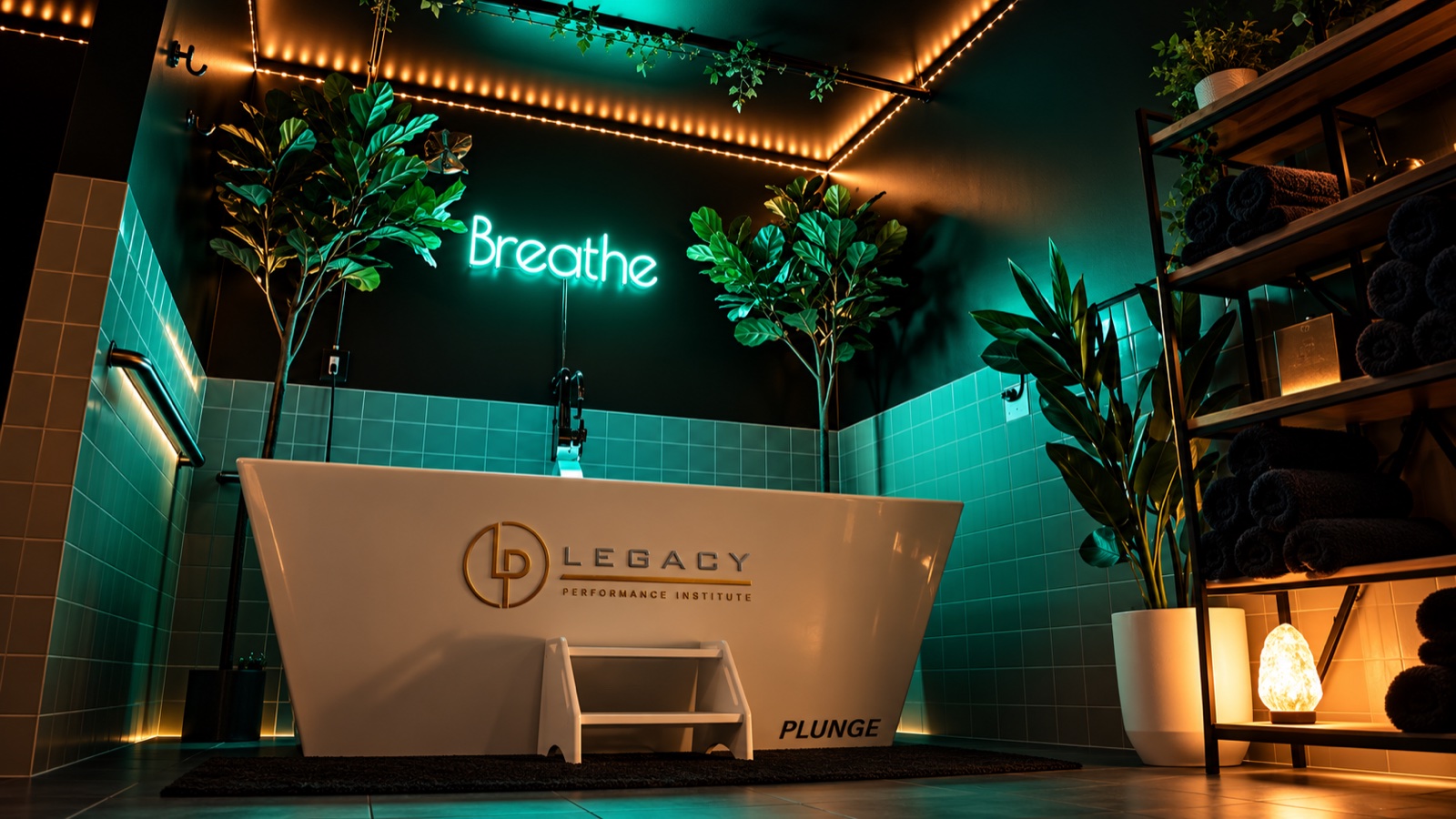
Every coach here names this specialty on their own profile. Open one to read their story, then request a free introduction.
Local cold targets one area. An ice pack wrapped in a thin towel or a cold compression sleeve on a knee after a long session may dull pain and reduce the feeling of swelling for a while. Whole-body methods, such as a cold shower finish or full immersion, aim at a general recovery or alertness effect and place much more stress on the heart and circulation.
Choosing between them depends on the goal. A coach can help you match the tool to the problem, such as easing a sore spot versus feeling fresher between two hard days of training.
Legacy San Diego in Point Loma is a private training facility, and this page describes a coaching approach rather than any service on site. The coach listed includes cold therapy in their practice as advice: when it might help, when to skip it, and how it fits around your strength and conditioning work. Ask at your introduction how they use it and whether it suits your goals.
Some studies suggest cold may modestly reduce perceived soreness and short-term pain. Evidence that it speeds true tissue healing is weaker, and thinking about acute injuries has shifted away from heavy, prolonged icing toward gentle movement and gradual loading once a clinician has assessed the injury. Some research also suggests intense cold right after strength training may reduce gains from that session.
Overall, cold therapy is best seen as an optional comfort and recovery tool, not a treatment. Sleep, nutrition and sensible training load still carry most of the weight.
Never put ice directly on bare skin, limit local icing to short sessions with breaks, and stop if the skin turns white, waxy or numb. Avoid cold over areas with poor sensation or circulation. Check with your physician before using any form of cold therapy if you have Raynaud's phenomenon, cold urticaria, peripheral neuropathy, diabetes, heart or blood pressure conditions, or are pregnant. For a new or worsening injury, see a physician or physical therapist before reaching for ice.
Personal training is one coach, one plan, built around you. It combines assessment, programming, coaching in the room and accountability, so the time you invest goes toward your own goals rather than a generic routine.
Your coach learns your goals, history, schedule and limitations, and screens how you move before writing anything down.
Exercises, loads and session structure are chosen for your body and goal, and they change as you improve.
Your coach teaches technique, adjusts loads in real time and keeps sessions productive, which is the part an app or a video cannot do.
Strength, measurements, consistency and how you feel are tracked so you can see the direction, not just guess at it.
Some people find a cold finish to a shower makes them feel more alert. The research is limited, so treat it as a personal preference rather than a requirement.
Short icing may help with pain, but see a physician or physical therapist for a new injury, especially with significant swelling, bruising or trouble bearing weight.
No. Cryotherapy chambers use very cold, dry air for a short time; a plunge uses cold water. Both carry risks for people with certain health conditions.
Conscious Body Recovery. Each one lists cold therapy on their own Legacy profile. Open any profile to read their background and request a free introduction.
At Legacy Performance Institute San Diego, 4030B Sports Arena Blvd, San Diego, CA 92110. Hours: Mon–Fri 6:00 AM – 9:00 PM · Sat–Sun 8:00 AM – 6:00 PM · 24/7 for VIP Access members.
Coaching is priced by each coach, typically per session or as a package, and quoted after your free introduction. No membership is required to train with a coach. Coaching is booked directly with the coach you choose.
No. Your coach starts with an assessment and builds the program to your level. Your first consultation and introductory session with a Legacy coach is free, with no obligation.
It depends on your goal, schedule and budget. Many clients work with their coach one to three times a week and train on their own in between. Your coach recommends a frequency after your free introduction.
This is general fitness information, not medical advice. Check with your physician before starting a new exercise or nutrition program, especially if you have a medical condition, an injury, or are pregnant.
Your first consultation and introductory session with a Legacy coach is free, with no obligation. Tell us about your goals and we will match you with the right coach.