


The MethodMembershipCoaches
AboutQ & AContact
Request Access
San Diego · Specialty

Mental Health coaches in San Diego.

This page is for people who want regular exercise to be one part of how they look after their wellbeing. Fitness coaches are not mental-health providers, and nothing here is therapy or treatment. Four coaches at Legacy San Diego list mental health as an area they pay attention to in their training, meaning they aim to build a routine that respects stress, mood and energy alongside physical goals.

The Coaches

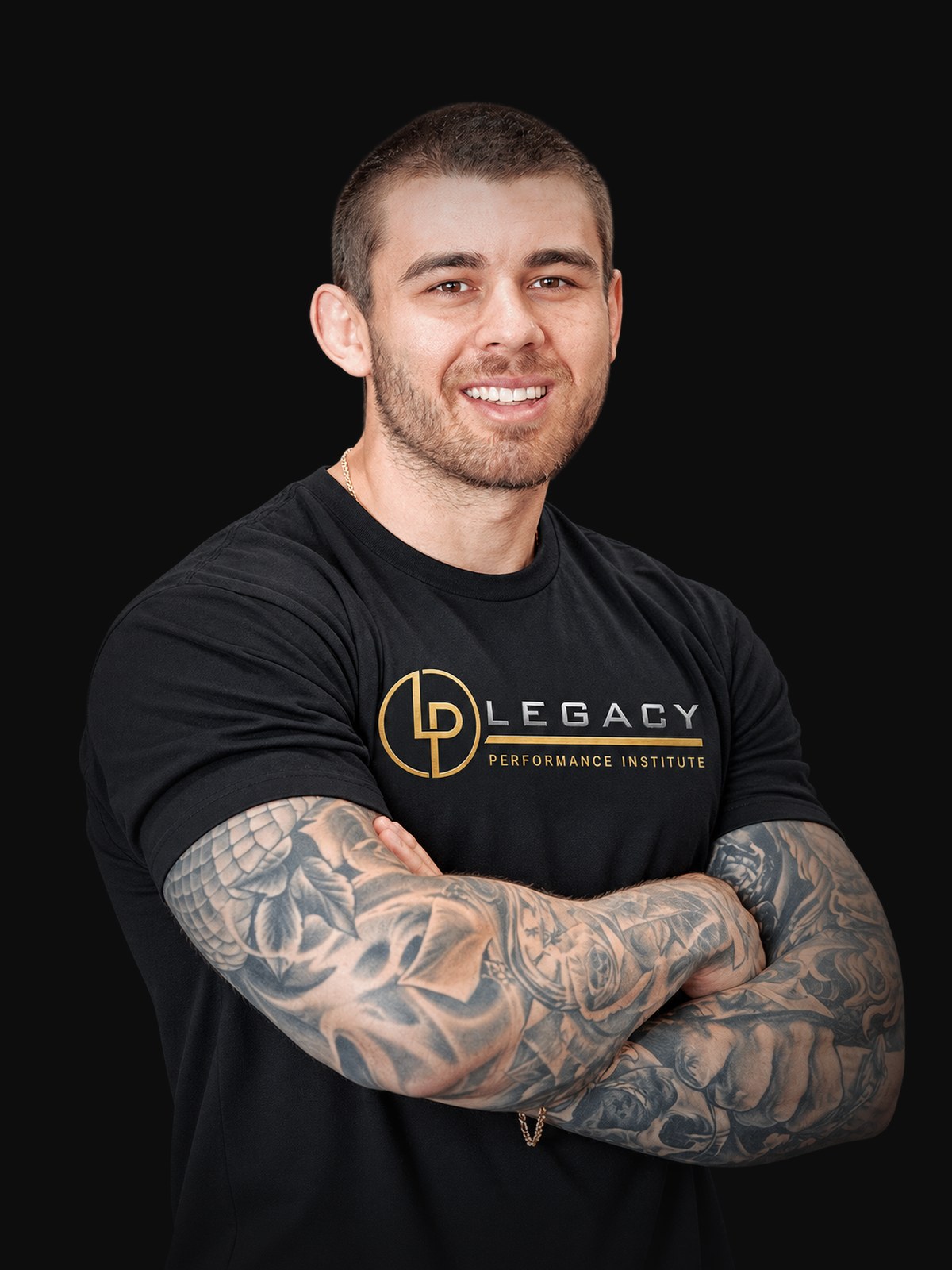
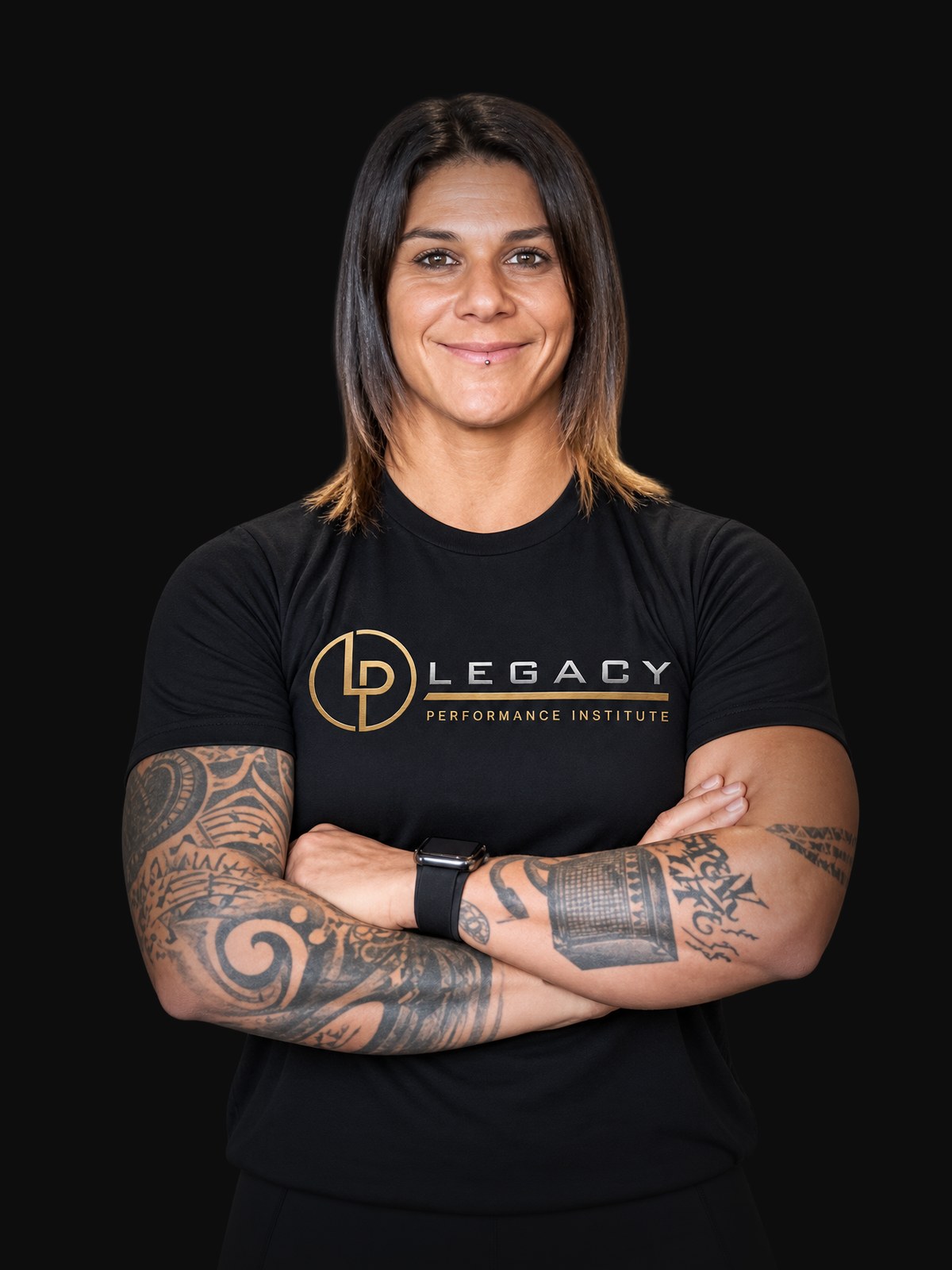
Meet the mental health coaches.

Every coach here names this specialty on their own profile. Open one to read their story, then request a free introduction.

See all 28 San Diego coaches →

Mental Health

What exercise can and cannot do

A large body of research suggests that regular physical activity may help with mood, sleep quality and stress for many people. The effect varies from person to person, and exercise is generally studied as a support alongside professional care, not as a substitute for it.

If you are dealing with depression, anxiety, an eating disorder, trauma or any other mental-health condition, see a licensed professional such as a psychologist, licensed therapist or psychiatrist, or start with your primary care doctor. A coach can then fit training around the plan you and that professional agree on.

Mental Health

What a supportive coach does differently

In practice this looks like flexible session plans that scale down on rough days instead of pushing through, a focus on consistency over intensity, and check-ins about sleep and stress before deciding how hard to train. It can also mean steering clear of weight-focused language if that is unhelpful for you.

Some clients in Point Loma pair gym sessions with a walk along the bay paths or Ocean Beach on off days. Small routines like that are often easier to keep than ambitious plans.

Mental Health

Boundaries worth knowing about

A coach should not diagnose, counsel you through a crisis or advise on medication. If a coach notices you are struggling, the right move is to encourage you to reach out to a professional, and you should expect that.

Among the San Diego coaches who list this area, body recomposition is the most common main focus. Ask at your introduction how they keep a physique goal from becoming a source of extra pressure.

It helps to treat the gym as a steady, low-pressure part of the week rather than another place to perform. Agree with the coach on what a good session looks like on a hard day.

How It Is Coached

Personal Training at Legacy.

Personal training is one coach, one plan, built around you. It combines assessment, programming, coaching in the room and accountability, so the time you invest goes toward your own goals rather than a generic routine.

01

A conversation and an assessment

Your coach learns your goals, history, schedule and limitations, and screens how you move before writing anything down.

02

A program that belongs to you

Exercises, loads and session structure are chosen for your body and goal, and they change as you improve.

03

Coaching in the room

Your coach teaches technique, adjusts loads in real time and keeps sessions productive, which is the part an app or a video cannot do.

04

Measured progress

Strength, measurements, consistency and how you feel are tracked so you can see the direction, not just guess at it.

Who it suits
  • People starting or restarting exercise who want guidance
  • Anyone who wants accountability and a plan they do not have to build
  • Those with a specific goal and a deadline
  • Experienced trainees who want expert feedback
Related specialties in San Diego
Further Reading

Guides from the San Diego coaches.

Can personal training replace therapy?

No. Training may support wellbeing, but it is not treatment. For mental-health care, see a licensed professional or your doctor, and let the coach work alongside that care.

What if I am in crisis or thinking about harming myself?

In the US, call or text 988 to reach the 988 Suicide and Crisis Lifeline, available any time. If you are in immediate danger, call 911. Do not wait for a training session to ask for help.

Should I tell my coach about my mental health?

Share only what you are comfortable with. It can help to mention things that affect training, like poor sleep or medications that change energy, so the plan fits how you actually feel.

Which coaches at Legacy San Diego offer mental health?

Conscious Body Recovery, Martin Dowers, Sarah Vandekar, Teryn Stanley. Each one lists mental health on their own Legacy profile. Open any profile to read their background and request a free introduction.

Where do mental health sessions take place?

At Legacy Performance Institute San Diego, 4030B Sports Arena Blvd, San Diego, CA 92110. Hours: Mon–Fri 6:00 AM – 9:00 PM · Sat–Sun 8:00 AM – 6:00 PM · 24/7 for VIP Access members.

How much does it cost?

Coaching is priced by each coach, typically per session or as a package, and quoted after your free introduction. No membership is required to train with a coach. Coaching is booked directly with the coach you choose.

Do I need experience to start?

No. Your coach starts with an assessment and builds the program to your level. Your first consultation and introductory session with a Legacy coach is free, with no obligation.

How often should I train with a coach?

It depends on your goal, schedule and budget. Many clients work with their coach one to three times a week and train on their own in between. Your coach recommends a frequency after your free introduction.

This is general fitness information, not medical advice. Check with your physician before starting a new exercise or nutrition program, especially if you have a medical condition, an injury, or are pregnant.

Start Here

Start mental health with a coach.

Your first consultation and introductory session with a Legacy coach is free, with no obligation. Tell us about your goals and we will match you with the right coach.