CPR certification shows that a person has completed training in cardiopulmonary resuscitation, the emergency response to someone who has stopped breathing or whose heart has stopped. People searching for a CPR-certified trainer in San Diego are usually thinking about safety: an older parent starting to lift, a heart history in the family, or simply wanting the person running their session to know what to do if something goes wrong.
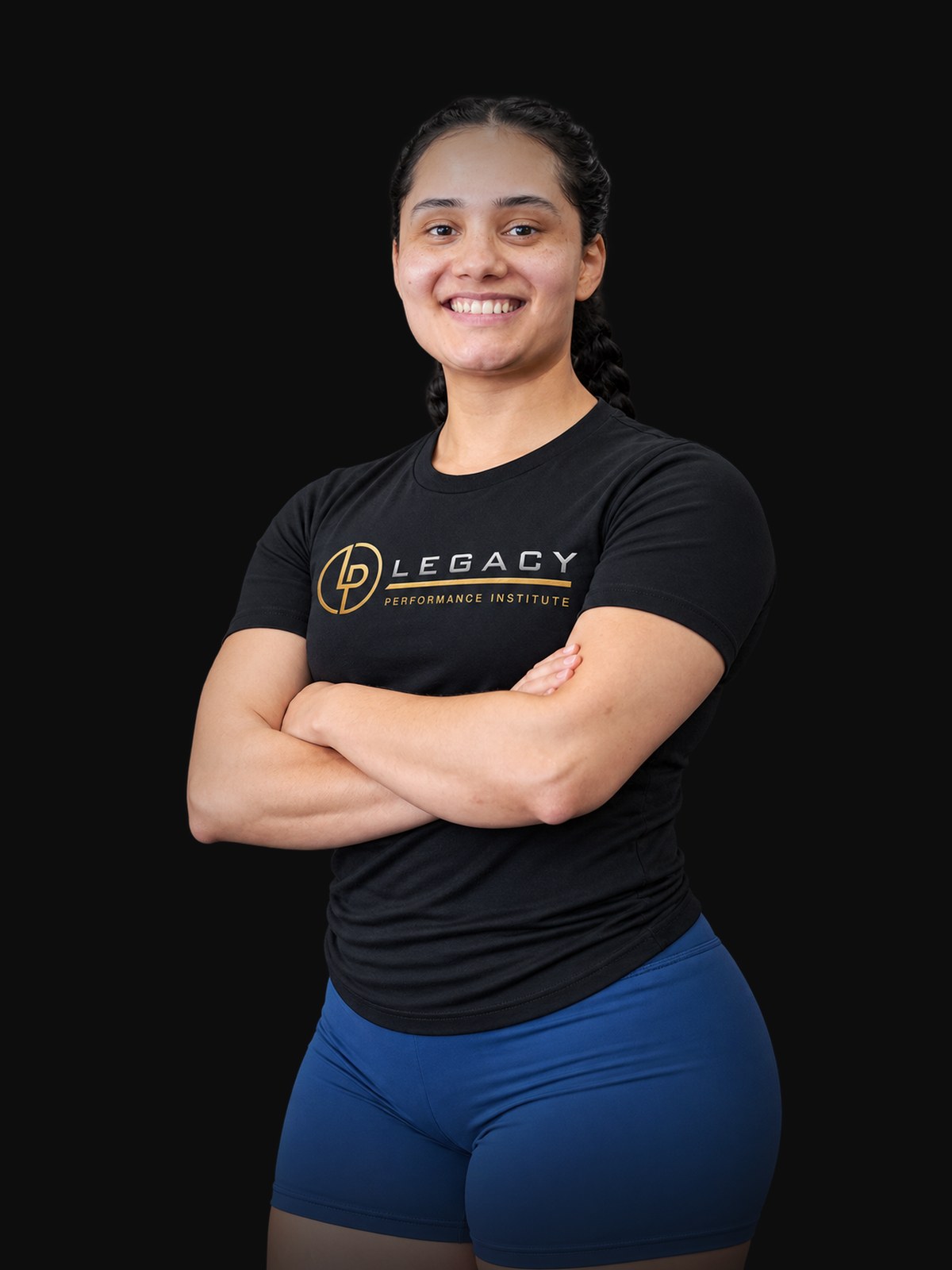
Every coach here names this specialty on their own profile. Open one to read their story, then request a free introduction.
In the United States, CPR courses are most commonly issued by the American Heart Association and the American Red Cross, among other providers. Courses generally cover recognizing an emergency, calling for help, chest compressions, rescue breaths and often use of an AED. Certifications typically expire and need renewal, often every two years.
Many fitness certification bodies require a current CPR certification to sit for or maintain a trainer credential, so it is a common baseline in the industry.
It tells you a coach has been trained to respond in an emergency and practiced it at least once within the certification period. It does not tell you anything about how well they program training, coach technique or manage injuries. It is a safety floor, not a measure of coaching skill.
It also does not make a coach a medical provider. A CPR-certified trainer should still send you to a physician for anything diagnostic.
Serious cardiac events in a training session are uncommon, but hard efforts can expose underlying conditions people did not know they had. Clients over 50, people returning after illness and anyone with known cardiovascular risk benefit most from a coach who keeps the certification current. If that describes you, get clearance from your physician before starting a new program.
Ask when the coach last renewed, which organization issued it, and whether the course included hands-on skills practice rather than online only. Ask what their plan is if a client feels faint or has chest pain mid-session.
It is also fair to ask how they screen new clients before hard efforts. A coach who asks about medications, past cardiac events and how you feel on stairs or hills is showing the same safety mindset the certification is meant to build. Use CPR status as one factor next to experience, communication style and fit with your goals, not as the only reason to choose someone.
Personal training is one coach, one plan, built around you. It combines assessment, programming, coaching in the room and accountability, so the time you invest goes toward your own goals rather than a generic routine.
Your coach learns your goals, history, schedule and limitations, and screens how you move before writing anything down.
Exercises, loads and session structure are chosen for your body and goal, and they change as you improve.
Your coach teaches technique, adjusts loads in real time and keeps sessions productive, which is the part an app or a video cannot do.
Strength, measurements, consistency and how you feel are tracked so you can see the direction, not just guess at it.
No. CPR is emergency response training. Personal training credentials cover exercise science and coaching. Every coach on the Legacy roster is certified and vetted before joining; CPR is a separate, additional credential.
Ask to see it. Cards from the major issuers show an issue or expiration date, and most coaches are happy to show it at the free introduction.
Many courses combine the two, but not all. AED certification has its own page on the Legacy San Diego specialty list if that matters to you.
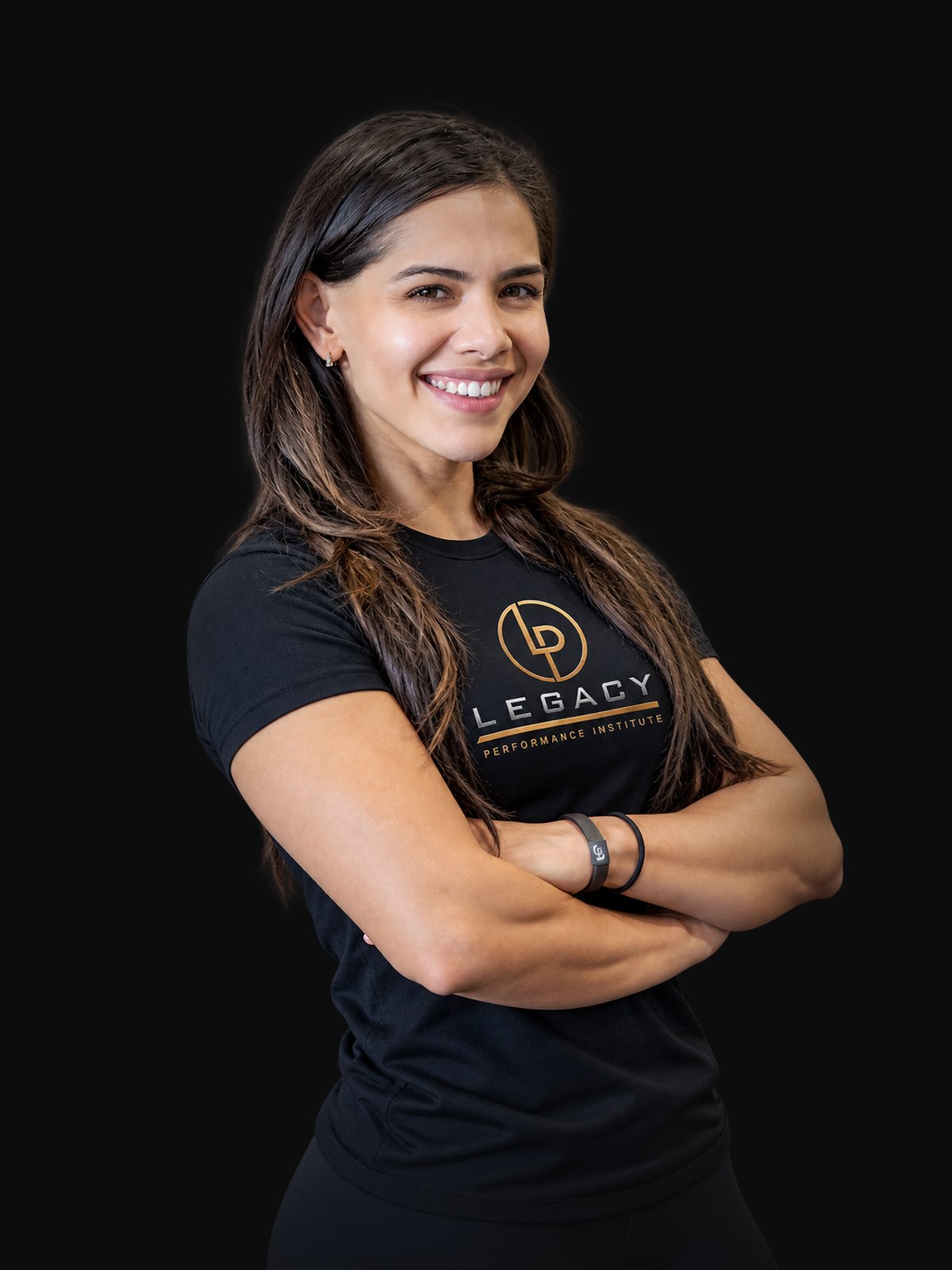
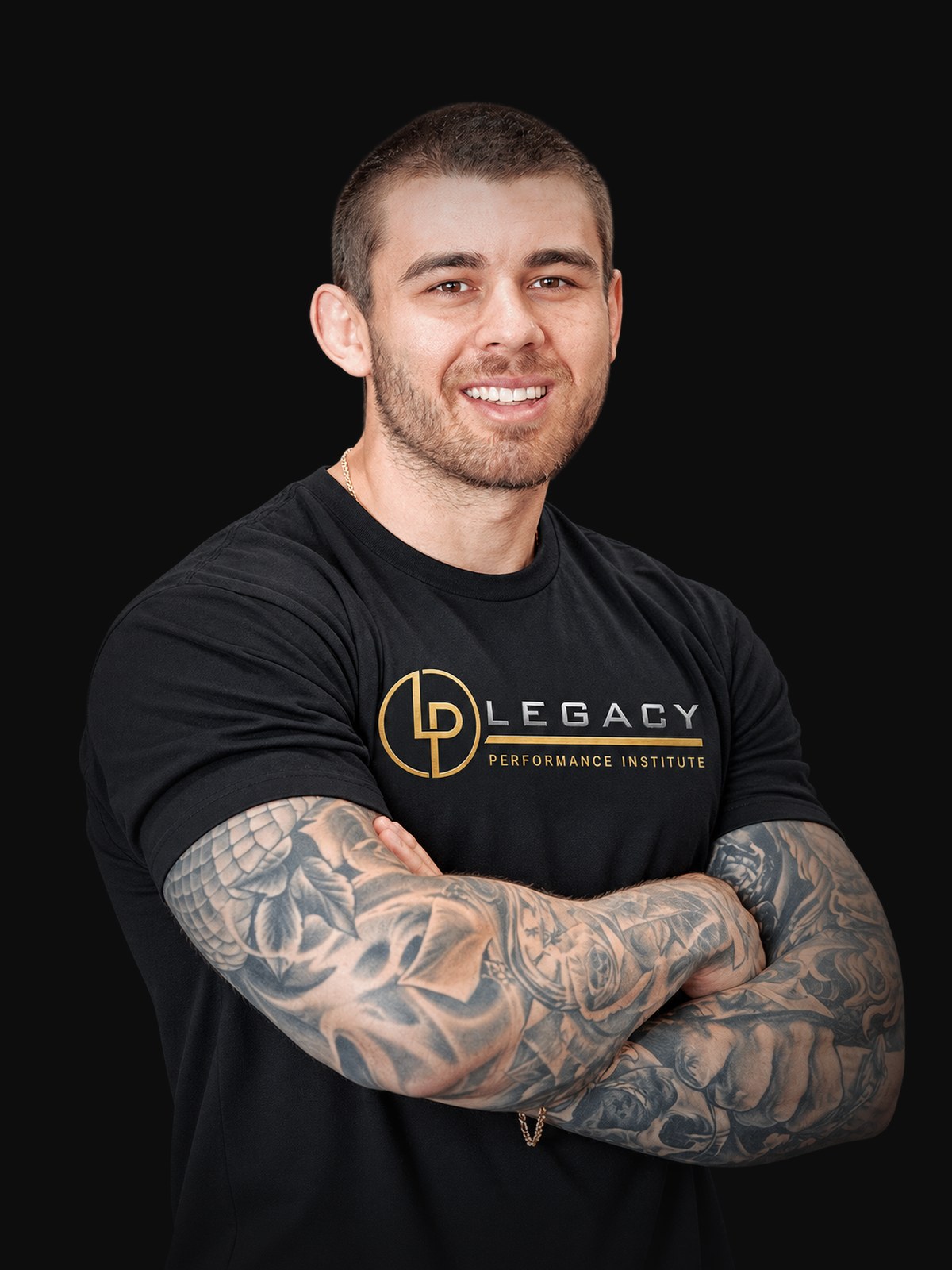
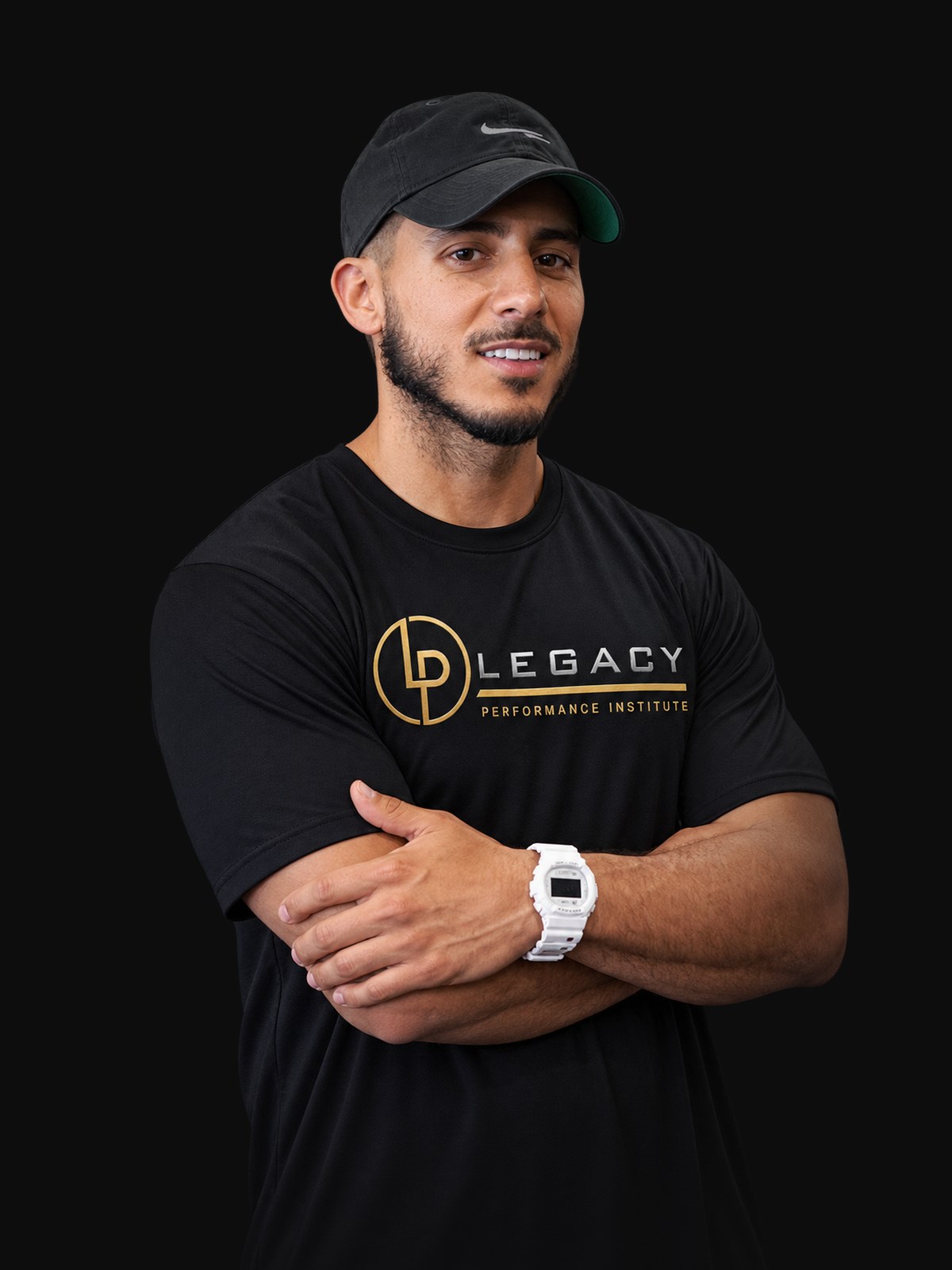
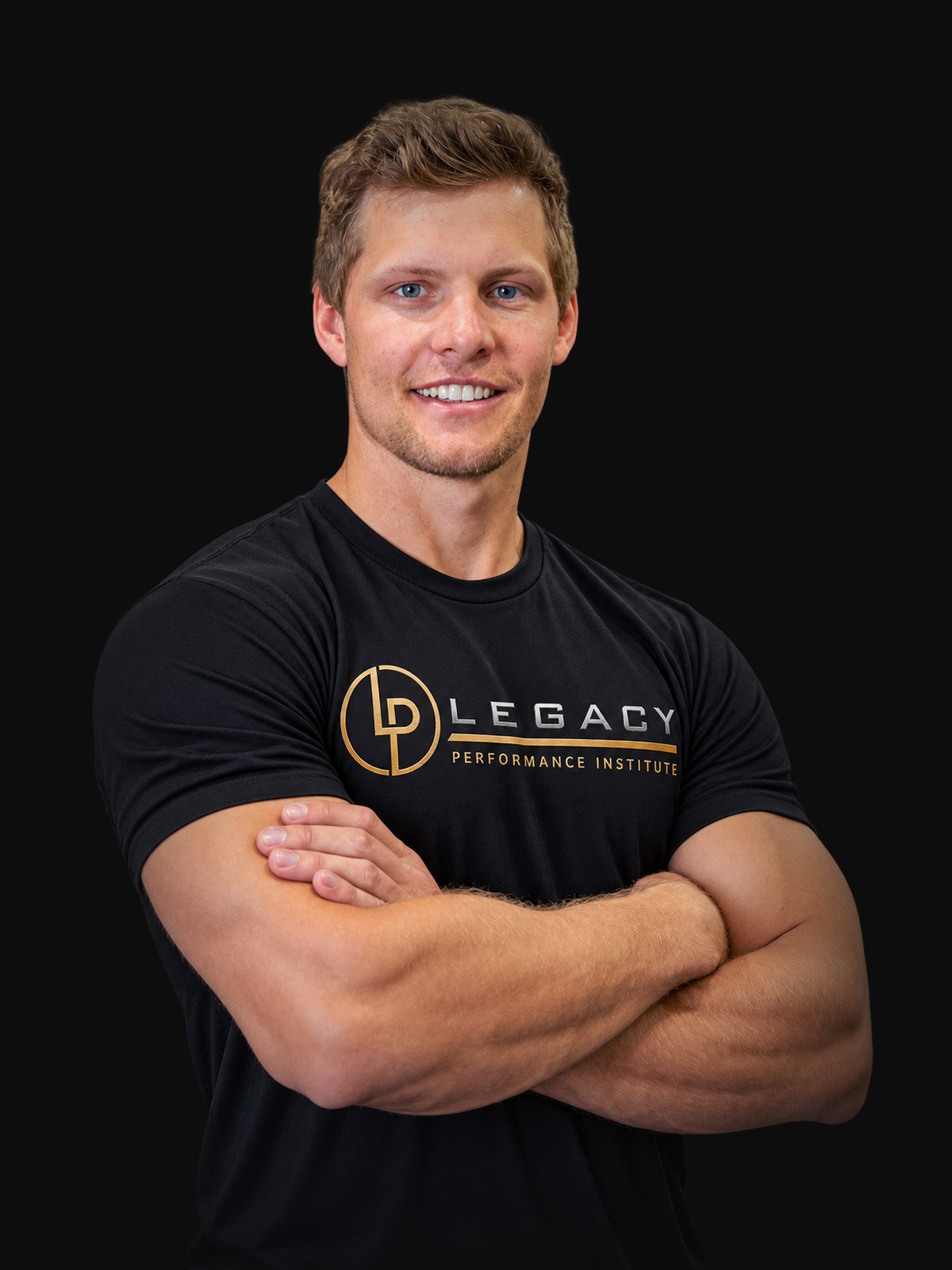
Apryl Ortega, Camryn Elyse Wemmer, Lauren Aros, Martin Dowers, Michael Alvarado, Wyatt Wermager. Each one lists cpr certified on their own Legacy profile. Open any profile to read their background and request a free introduction.
At Legacy Performance Institute San Diego, 4030B Sports Arena Blvd, San Diego, CA 92110. Hours: Mon–Fri 6:00 AM – 9:00 PM · Sat–Sun 8:00 AM – 6:00 PM · 24/7 for VIP Access members.
Coaching is priced by each coach, typically per session or as a package, and quoted after your free introduction. No membership is required to train with a coach. Coaching is booked directly with the coach you choose.
No. Your coach starts with an assessment and builds the program to your level. Your first consultation and introductory session with a Legacy coach is free, with no obligation.
It depends on your goal, schedule and budget. Many clients work with their coach one to three times a week and train on their own in between. Your coach recommends a frequency after your free introduction.
This is general fitness information, not medical advice. Check with your physician before starting a new exercise or nutrition program, especially if you have a medical condition, an injury, or are pregnant.
Your first consultation and introductory session with a Legacy coach is free, with no obligation. Tell us about your goals and we will match you with the right coach.