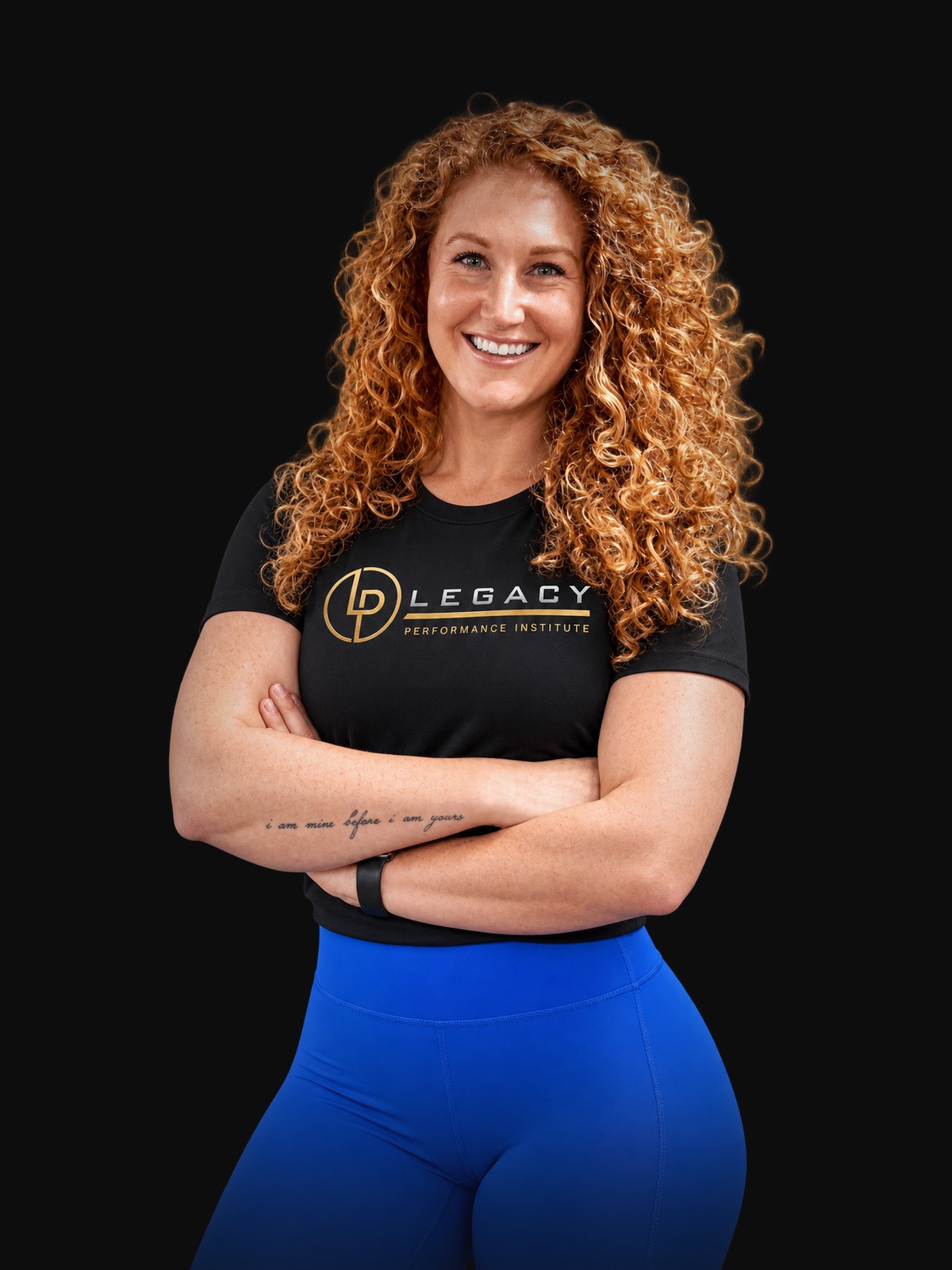
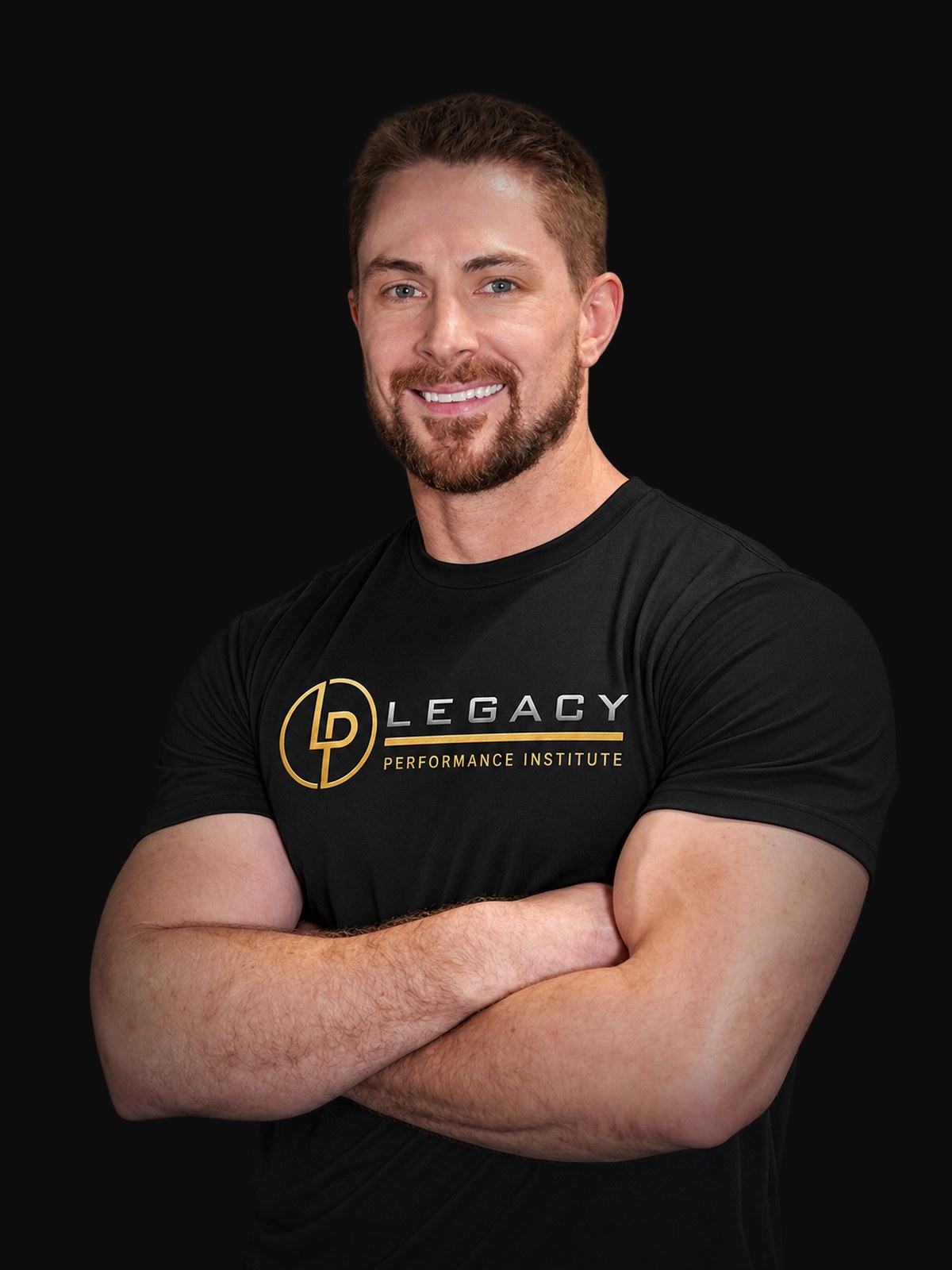
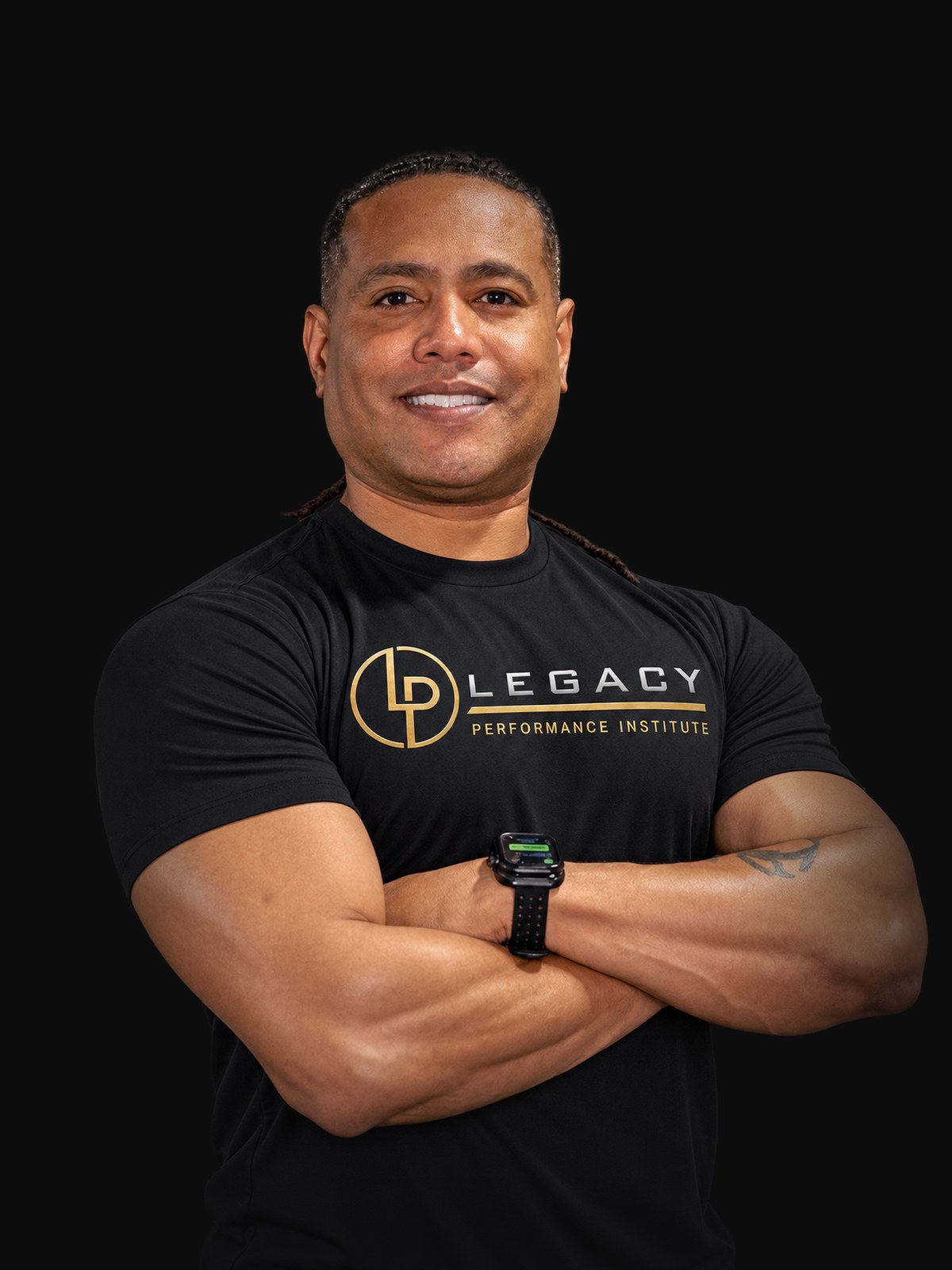
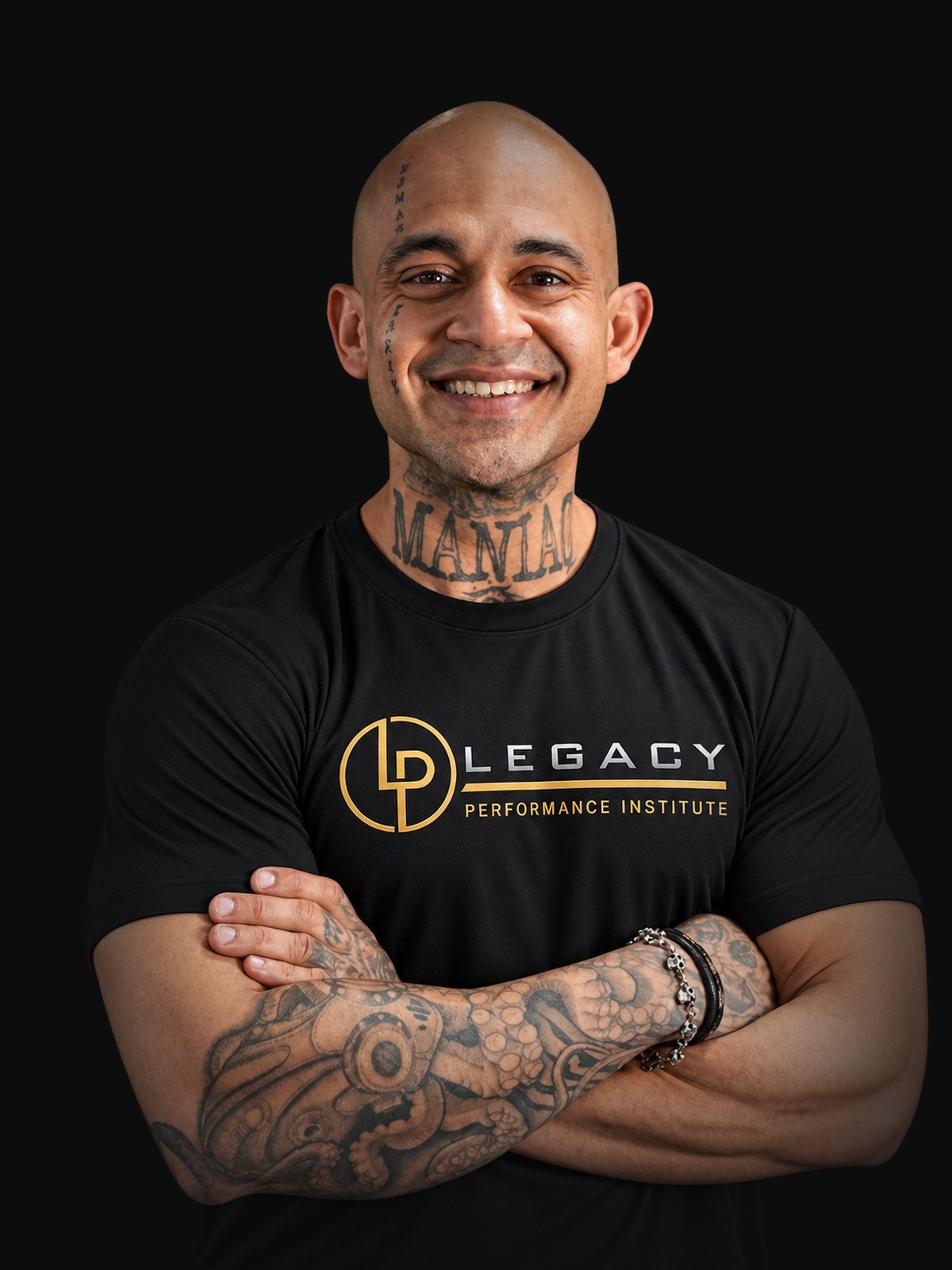
Mixed martial arts (MMA) combines striking, wrestling and submission grappling into one sport. Ten coaches at Legacy Del Mar list MMA, most with a strength and performance focus. People ask for it to compete, to learn well-rounded self-defense, or because MMA conditioning is famously demanding and they want that challenge.

Every coach here names this specialty on their own profile. Open one to read their story, then request a free introduction.


MMA training is organized around three ranges: striking at distance (punches, kicks, and under some rule sets knees and elbows), the clinch (fighting while tied up standing, including takedowns), and the ground (control, escapes and submissions). Much of the difficulty lives in the transitions: a punch that sets up a takedown, a scramble back to the feet. A coach will often focus on one range per session and tie them together over time.
A typical private session moves from a mobility warm-up into technical drilling on pads or with the coach as partner, then situational drills (start pinned, get back to your feet) and conditioning in round-length intervals that mirror competition. For people who will not compete, sparring is optional and should be controlled. MMA conditioning is anaerobic and grueling, so coaches usually build it gradually.
It suits people who want variety and a hard physical challenge and are comfortable with contact. It is a poor fit for anyone who must avoid head impact or heavy joint load; those with a concussion history, neck or back problems, or cardiovascular conditions should get physician clearance first. Under Legacy's policy, children under 13 may be on the training floor only in supervised boxing or MMA sessions in designated areas, and ages 13 to 18 train one-on-one.
Track technical benchmarks (a clean double-leg takedown, getting up from your back), conditioning (rounds completed at quality, heart-rate recovery) and, for competitors, sparring performance reviewed on video.
Because MMA mixes skills, it is easy to try to do everything at once and progress at nothing. Coaches often rotate emphasis: one session on striking, one on takedowns and wrestling, one on ground work, with conditioning woven through. Training two or three times a week at Legacy Del Mar can produce steady progress this way, especially with shadowboxing and solo movement drills at home. Recovery matters more than people expect; grappling and hard rounds leave the neck, hands and shins sore, and sleep is part of the program.
Boxing and combat training teaches striking, footwork, defense and conditioning, either as a skill to pursue or as one of the hardest cardiovascular workouts available. Sessions combine technique, pad work and bag rounds with the stamina and coordination that carry over to any sport.
Stance, footwork, guard and basic punches are drilled until they are clean, before speed and power are layered on.
Timed rounds on pads and bags build rhythm, accuracy, endurance and the ability to stay relaxed under effort.
Roadwork-style intervals, core work and strength training support the skill work and keep sessions challenging.
Beginners start with non-contact drills. Any sparring is introduced gradually, with proper protective gear and clear rules.
No. Many people train MMA for fitness and self-defense and never compete or spar hard.
Not required. Some coaches start you in MMA directly; others build a striking or grappling base first. Ask which approach a coach prefers and why.
A mouthguard and open-finger MMA gloves or boxing gloves are typical, plus shin guards if you will spar. Check with the coach before buying anything.
Ask about their own fight or coaching background, which ranges they are strongest in, and how they keep sparring safe. Use the free introduction to see how they teach.
It trains the ranges a real confrontation may move through, which is why many people choose it. Self-defense also involves awareness and avoidance, so ask the coach whether they cover those.
Andy Mog, Anna Zittel, Austin Camacho, Bree Norton, Charlie Torres, Chris Koo, Emma Warren, Landon Bergenthal, Martin Jones, Mo Ghori. Each one lists mma on their own Legacy profile. Open any profile to read their background and request a free introduction.
At Legacy Performance Institute Del Mar, 12264 El Camino Real, Suite 60, San Diego, CA 92130. Hours: 5:00 AM – 10:00 PM, seven days · 24/7 for VIP Access members.
Coaching is priced by each coach, typically per session or as a package, and quoted after your free introduction. No membership is required to train with a coach. Coaching is booked directly with the coach you choose.
No. Your coach starts with an assessment and builds the program to your level. Your first consultation and introductory session with a Legacy coach is free, with no obligation.
No. Most clients train non-contact: technique, pad work and bag rounds. Sparring is optional and only introduced when you ask for it and your skills are ready.
This is general fitness information, not medical advice. Check with your physician before starting a new exercise or nutrition program, especially if you have a medical condition, an injury, or are pregnant.
Your first consultation and introductory session with a Legacy coach is free, with no obligation. Tell us about your goals and we will match you with the right coach.