
Periodized Nutrition: San Diego’s Best-Kept Secret
A client walked into our San Diego facility in January having tracked the same 1,800-calorie, 150g-protein target for four straight months. Her lifts hadn’t moved in six weeks.
Youth fitness is coached training for teenagers, focused on learning to move well, building a foundation of strength and coordination, and developing habits that last. At Legacy San Diego in Point Loma it is mostly sought by families of teens who play school or club sports, or who simply want a structured, supervised way to get fit.
Every coach here names this specialty on their own profile. Open one to read their story, then request a free introduction.
Children under 13 are not permitted on the Legacy training floor. The one exception is supervised boxing or MMA sessions held in designated areas.
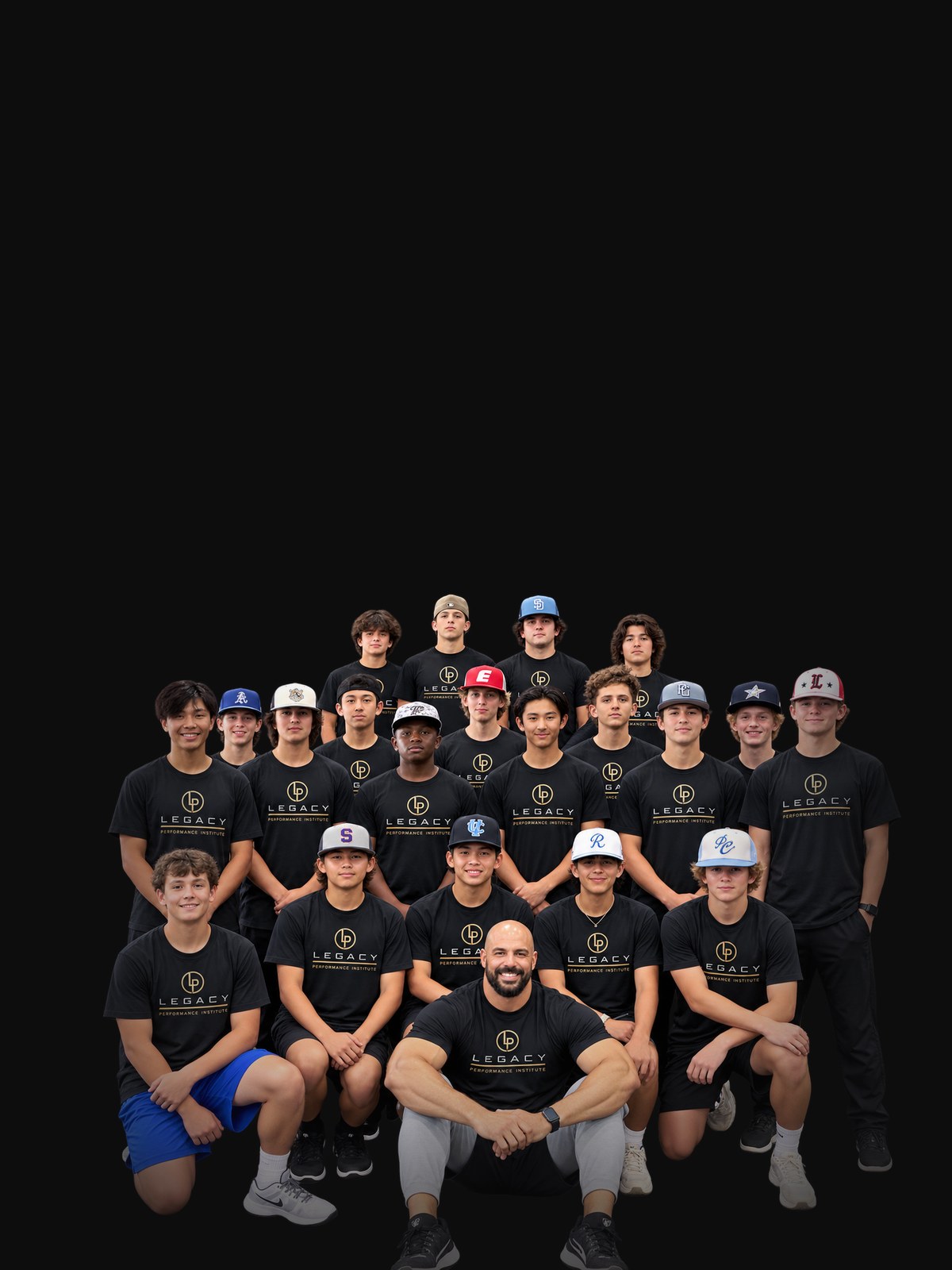
Teenagers aged 13 to 18 train in one-on-one sessions only. That means every session has a coach's full attention, which is well suited to young athletes who are still learning how to lift and how to judge their own effort.
For most teens, the early priority is technique and body control: squatting, hinging, pushing, pulling, jumping and landing with good positions. Loads increase gradually once those patterns are consistent. Coordination, balance, sprinting mechanics and basic conditioning are often part of the mix.
Major health organizations broadly support supervised strength training for adolescents when it is well coached and progressed sensibly. Maximal lifting and very high volumes are usually not the starting point.
If your teen has asthma, a heart condition, diabetes, a recent injury or any other medical concern, get clearance from their physician before training starts and share any restrictions with the coach. Coaches do not diagnose or treat injuries or conditions.
It helps when parents and coaches agree on goals at the start and check in regularly. Teens who also play a sport benefit when the coach knows their season and practice schedule so training does not pile on top of an already heavy week.
Ask how they teach new lifts, how they decide when to add weight, how they handle growth-related aches, and how they communicate with parents. A coach who is patient, explains the reasons behind each exercise, and keeps sessions engaging is usually a good match for a younger athlete.
Personal training is one coach, one plan, built around you. It combines assessment, programming, coaching in the room and accountability, so the time you invest goes toward your own goals rather than a generic routine.
Your coach learns your goals, history, schedule and limitations, and screens how you move before writing anything down.
Exercises, loads and session structure are chosen for your body and goal, and they change as you improve.
Your coach teaches technique, adjusts loads in real time and keeps sessions productive, which is the part an app or a video cannot do.
Strength, measurements, consistency and how you feel are tracked so you can see the direction, not just guess at it.
A client walked into our San Diego facility in January having tracked the same 1,800-calorie, 150g-protein target for four straight months. Her lifts hadn’t moved in six weeks.
A client of ours — an anesthesiologist who’s at Scripps La Jolla by 7:30 most mornings — used to train whenever her schedule allowed, which in practice meant she trained maybe six times a…
A woman came into our studio last year after two years of self-directed training at a big-box gym in Mission Valley.
Children under 13 are not permitted on the training floor, except for supervised boxing or MMA sessions in designated areas. Contact Legacy to ask about those options.
No. Under Legacy's policy, ages 13 to 18 train in one-on-one sessions only, so each teen books their own sessions with a coach.
When it is supervised and progressed gradually, strength training is widely considered appropriate for adolescents. Check with your teen's physician if they have any health concerns.
Book the free consultation and introductory session, and plan for a parent to come along. Bring your teen's sports schedule and any medical notes. No membership is needed to train with a coach; the coach sets their own rates and will quote you after the introduction. Legacy San Diego is open 6 AM to 9 PM on weekdays and 8 AM to 6 PM on weekends, which leaves room for after-school and weekend sessions.
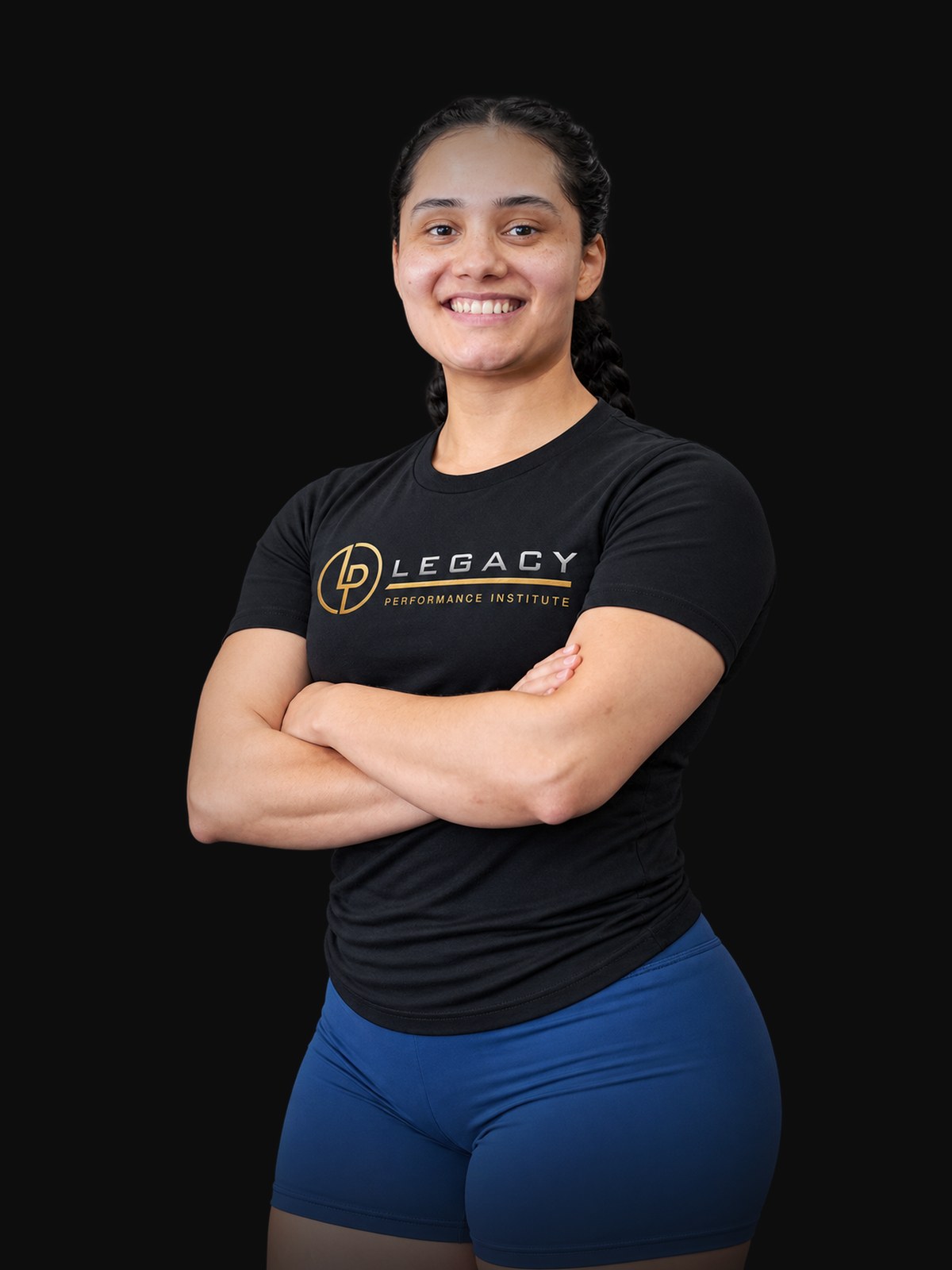
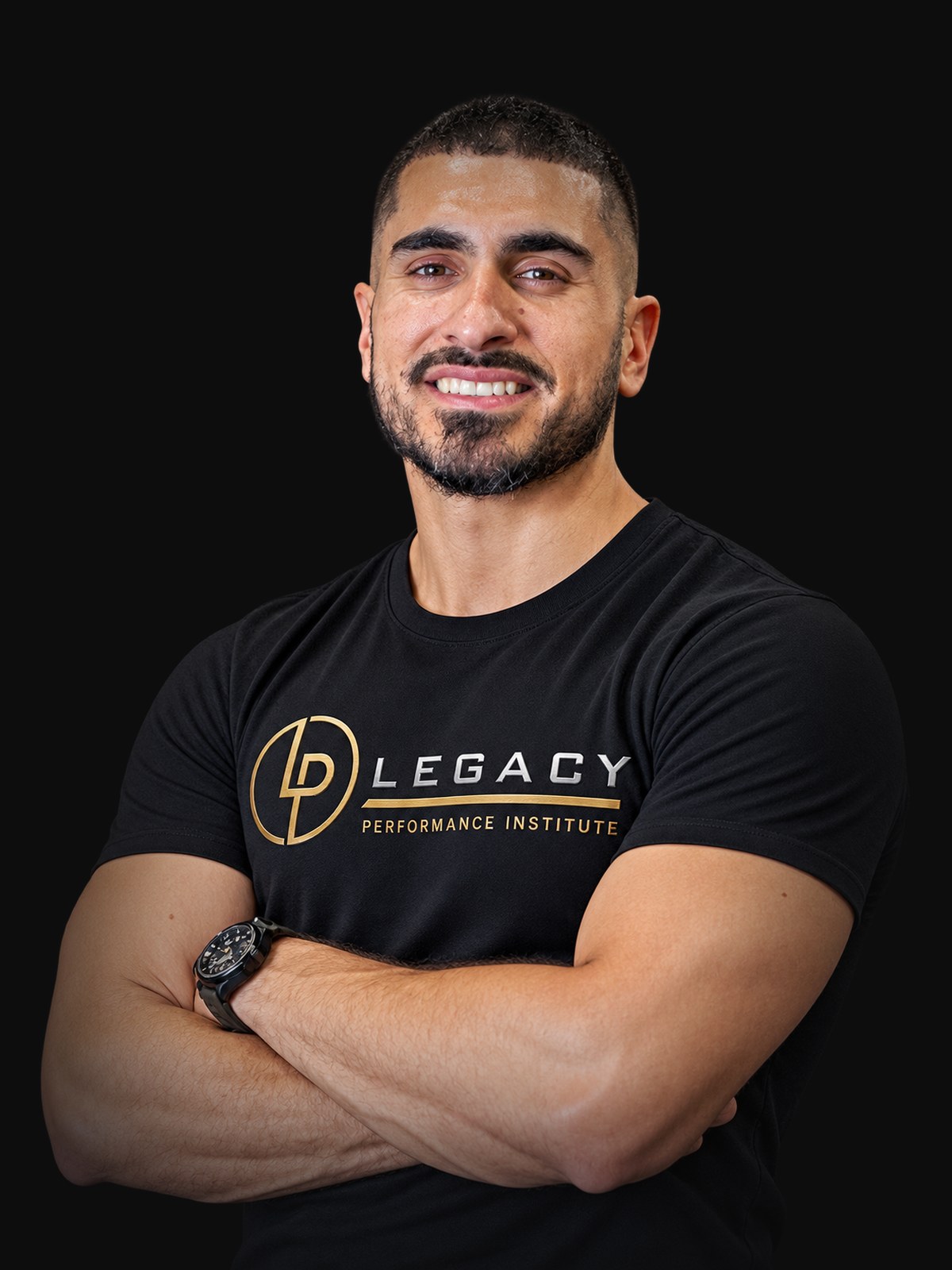
Apryl Ortega, Kasra Iranpour, Teryn Stanley. Each one lists youth fitness on their own Legacy profile. Open any profile to read their background and request a free introduction.
At Legacy Performance Institute San Diego, 4030B Sports Arena Blvd, San Diego, CA 92110. Hours: Mon–Fri 6:00 AM – 9:00 PM · Sat–Sun 8:00 AM – 6:00 PM · 24/7 for VIP Access members.
Coaching is priced by each coach, typically per session or as a package, and quoted after your free introduction. No membership is required to train with a coach. Coaching is booked directly with the coach you choose.
No. Your coach starts with an assessment and builds the program to your level. Your first consultation and introductory session with a Legacy coach is free, with no obligation.
It depends on your goal, schedule and budget. Many clients work with their coach one to three times a week and train on their own in between. Your coach recommends a frequency after your free introduction.
This is general fitness information, not medical advice. Check with your physician before starting a new exercise or nutrition program, especially if you have a medical condition, an injury, or are pregnant.
Your first consultation and introductory session with a Legacy coach is free, with no obligation. Tell us about your goals and we will match you with the right coach.