Periodized Nutrition: San Diego’s Best-Kept Secret
A client walked into our San Diego facility in January having tracked the same 1,800-calorie, 150g-protein target for four straight months. Her lifts hadn’t moved in six weeks.
Pre- and post-natal fitness means exercise planned around pregnancy and the months after birth: keeping strength and fitness while the body changes, then rebuilding carefully once the baby arrives. Coaches at Legacy San Diego in Point Loma who list this work with expecting and new parents from around the city who want guidance instead of guessing.
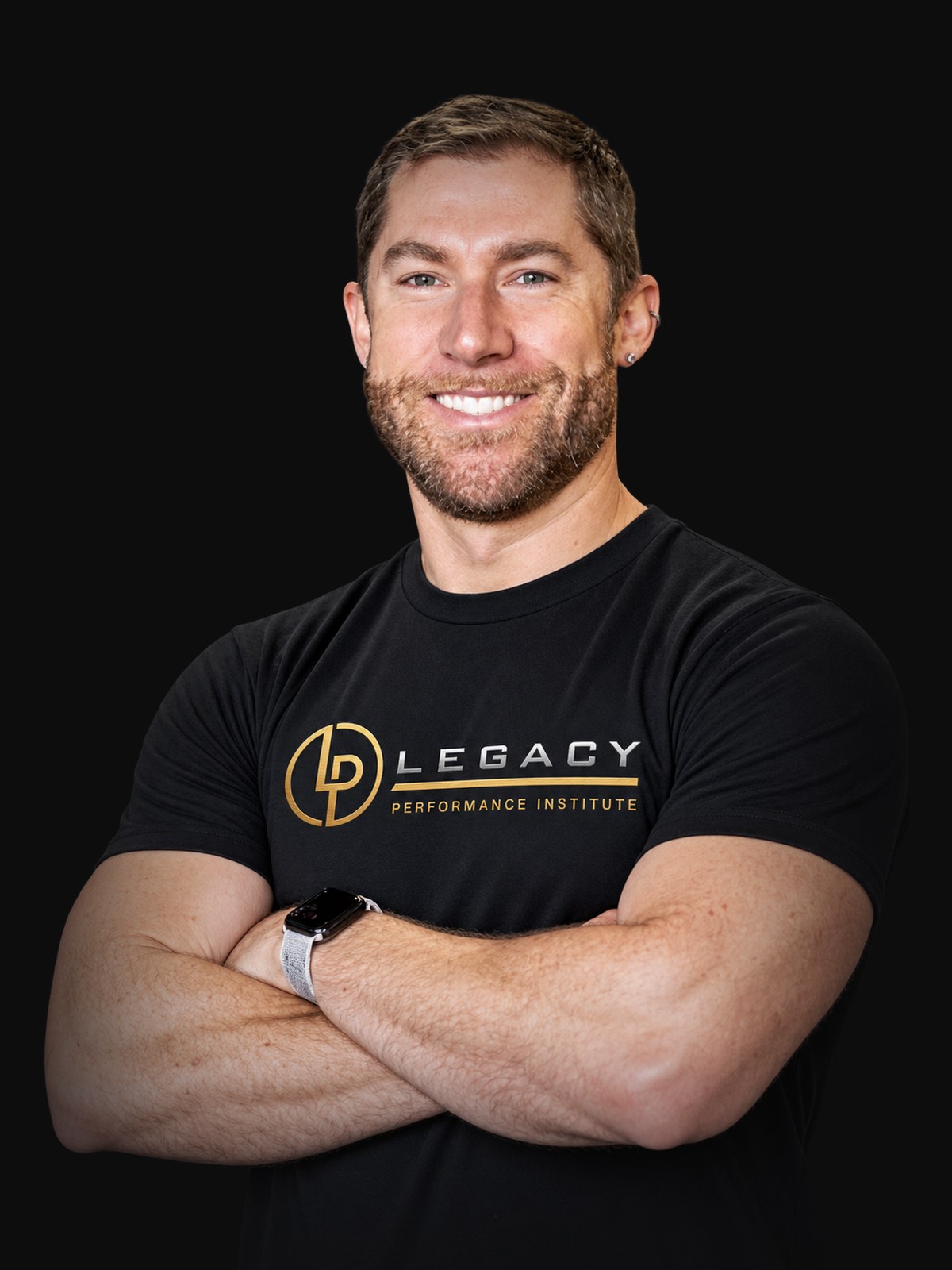
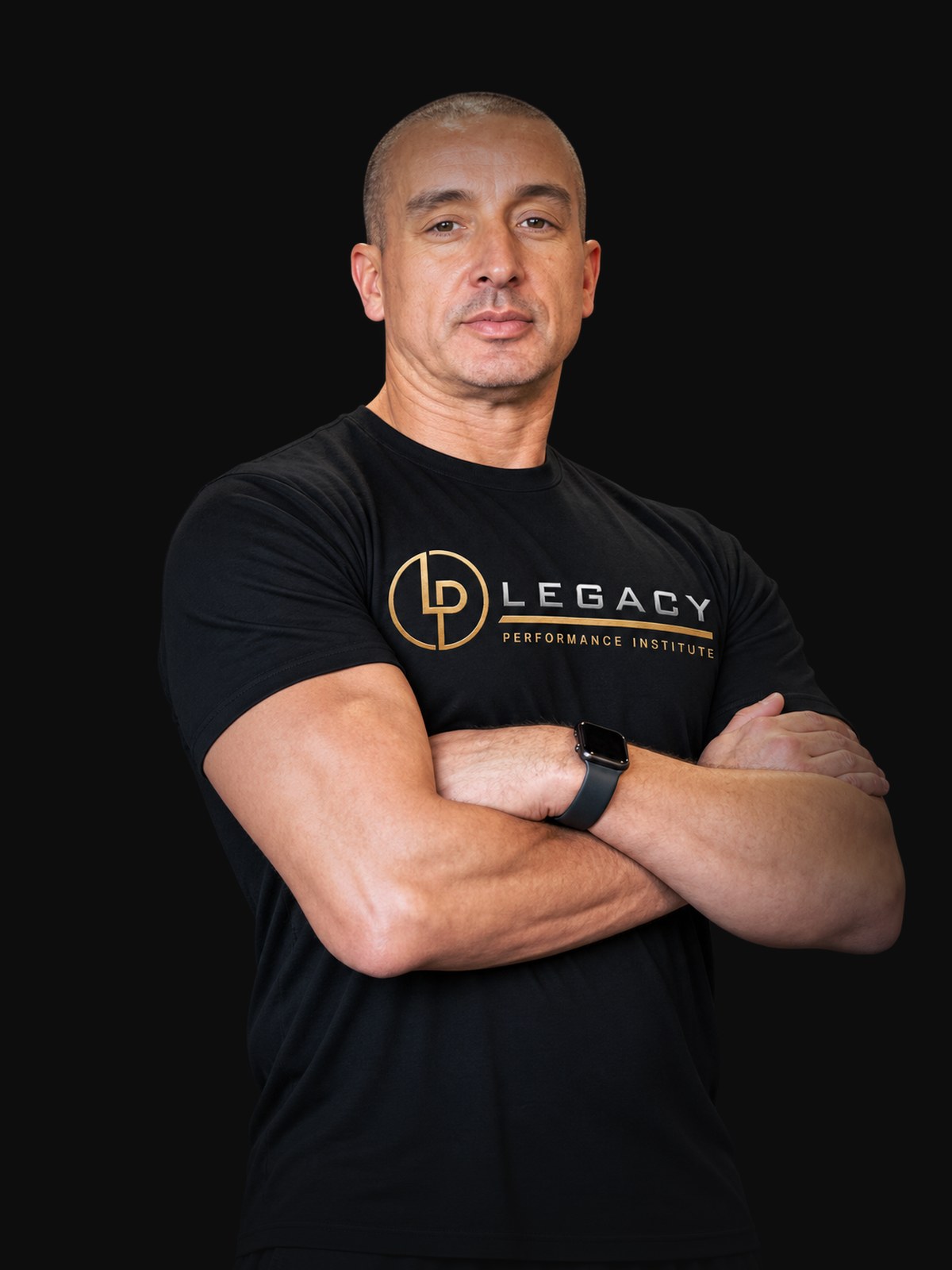
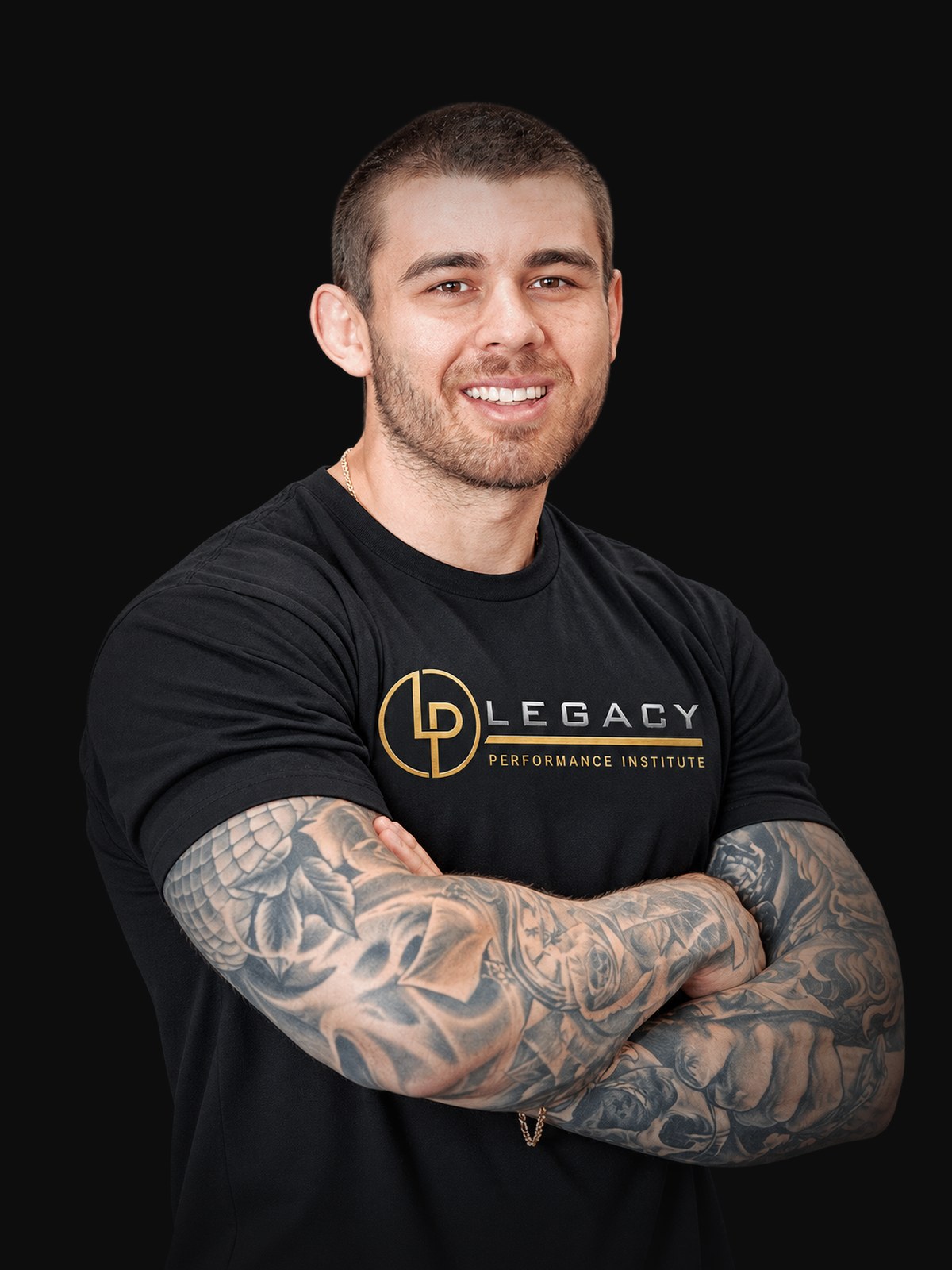
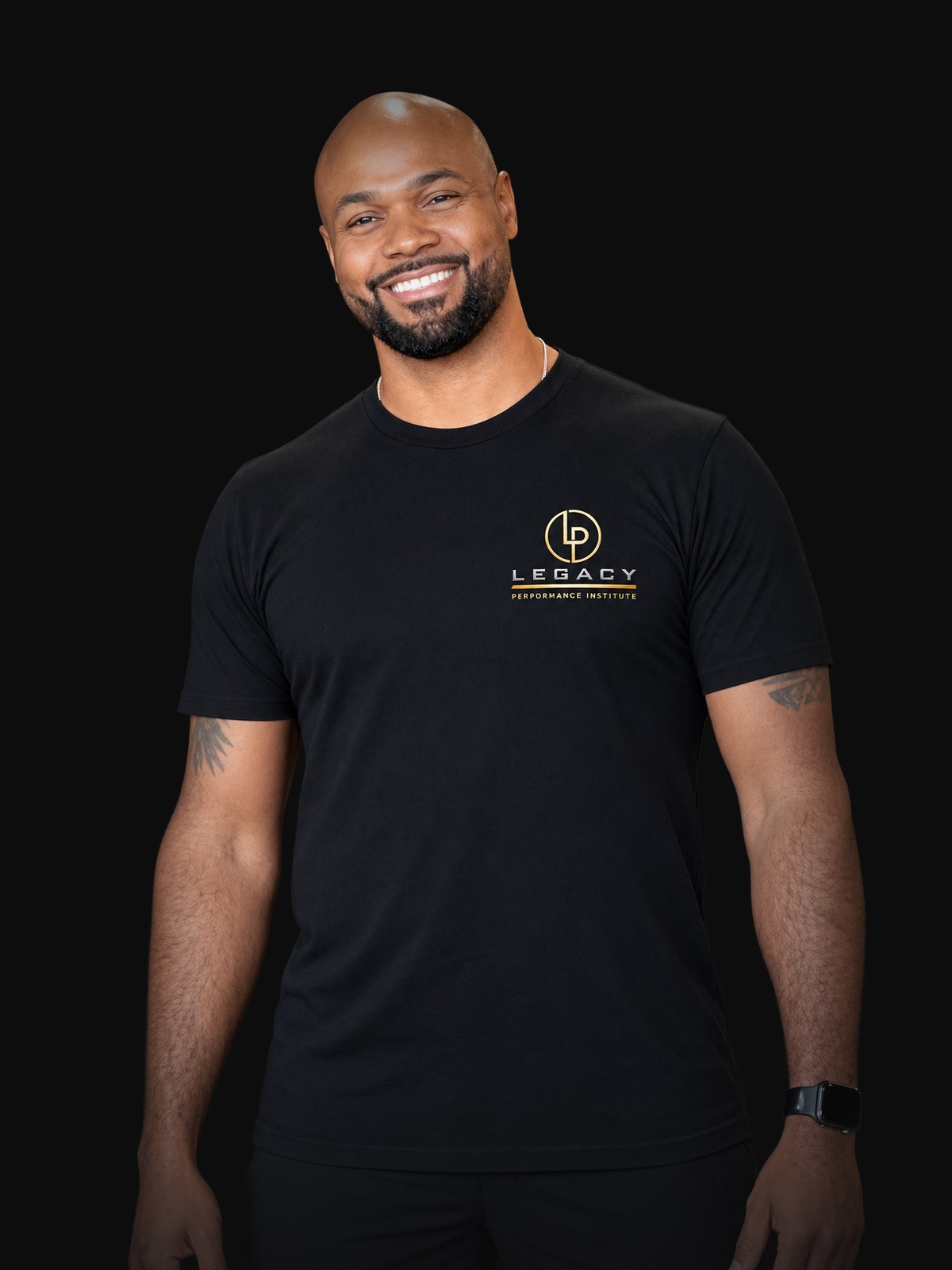
Every coach here names this specialty on their own profile. Open one to read their story, then request a free introduction.

Before training during pregnancy or after delivery, get clearance from your OB, midwife or physician, and bring any restrictions they give you to your first session. Legacy coaches are fitness professionals, not medical providers: they do not diagnose or treat pregnancy-related conditions, and they will work inside the limits your care team sets.
After birth, many clinicians suggest an assessment with a pelvic floor physical therapist before returning to heavier lifting or running. A coach can build on that assessment but should not replace it.
During pregnancy, sessions often keep the familiar basics, squats, hinges, rows, carries, while adjusting load, range and position as the trimesters progress. Breathing and trunk control get extra attention, and anything that involves lying flat for long stretches or a risk of falling is usually modified.
Postpartum work typically starts small: breathing, gentle core and pelvic floor coordination, walking, then a gradual return to strength training. Progress is set by how your body responds and what your clinician has cleared, not by a calendar.
Children under 13 are not permitted on the Legacy training floor, so plan childcare before you book. Many new parents find weekend mornings easiest, when a partner or family member can take over; Legacy San Diego is open 8 AM to 6 PM on Saturdays and Sundays and 6 AM to 9 PM on weekdays.
Coaches here are independent and set their own schedules, so ask early whether a coach can be flexible when a night of broken sleep means moving a session.
Stop and contact your provider if you notice dizziness, chest pain, bleeding, fluid loss, painful contractions, calf pain or swelling, or a sense of heaviness in the pelvis. A good coach will ask how you are feeling at the start of every session and will end it without hesitation if something seems off.
Personal training is one coach, one plan, built around you. It combines assessment, programming, coaching in the room and accountability, so the time you invest goes toward your own goals rather than a generic routine.
Your coach learns your goals, history, schedule and limitations, and screens how you move before writing anything down.
Exercises, loads and session structure are chosen for your body and goal, and they change as you improve.
Your coach teaches technique, adjusts loads in real time and keeps sessions productive, which is the part an app or a video cannot do.
Strength, measurements, consistency and how you feel are tracked so you can see the direction, not just guess at it.
A client walked into our San Diego facility in January having tracked the same 1,800-calorie, 150g-protein target for four straight months. Her lifts hadn’t moved in six weeks.
A client of ours — an anesthesiologist who’s at Scripps La Jolla by 7:30 most mornings — used to train whenever her schedule allowed, which in practice meant she trained maybe six times a…
A woman came into our studio last year after two years of self-directed training at a big-box gym in Mission Valley.
Often yes, at a gentle level, but ask your OB or midwife first. A coach can start with walking-pace intensity and simple strength work rather than anything new and demanding.
That depends on your delivery and recovery, and the answer should come from your provider. Many people are advised to wait for their postpartum check before structured training resumes.
No. Legacy's policy keeps children under 13 off the training floor, so arrange care for the hour you train.
Ask how they have adapted training for pregnancy or postpartum before, how they would change your plan from one trimester to the next, and whether they are comfortable following written guidance from your OB, midwife or pelvic floor therapist.
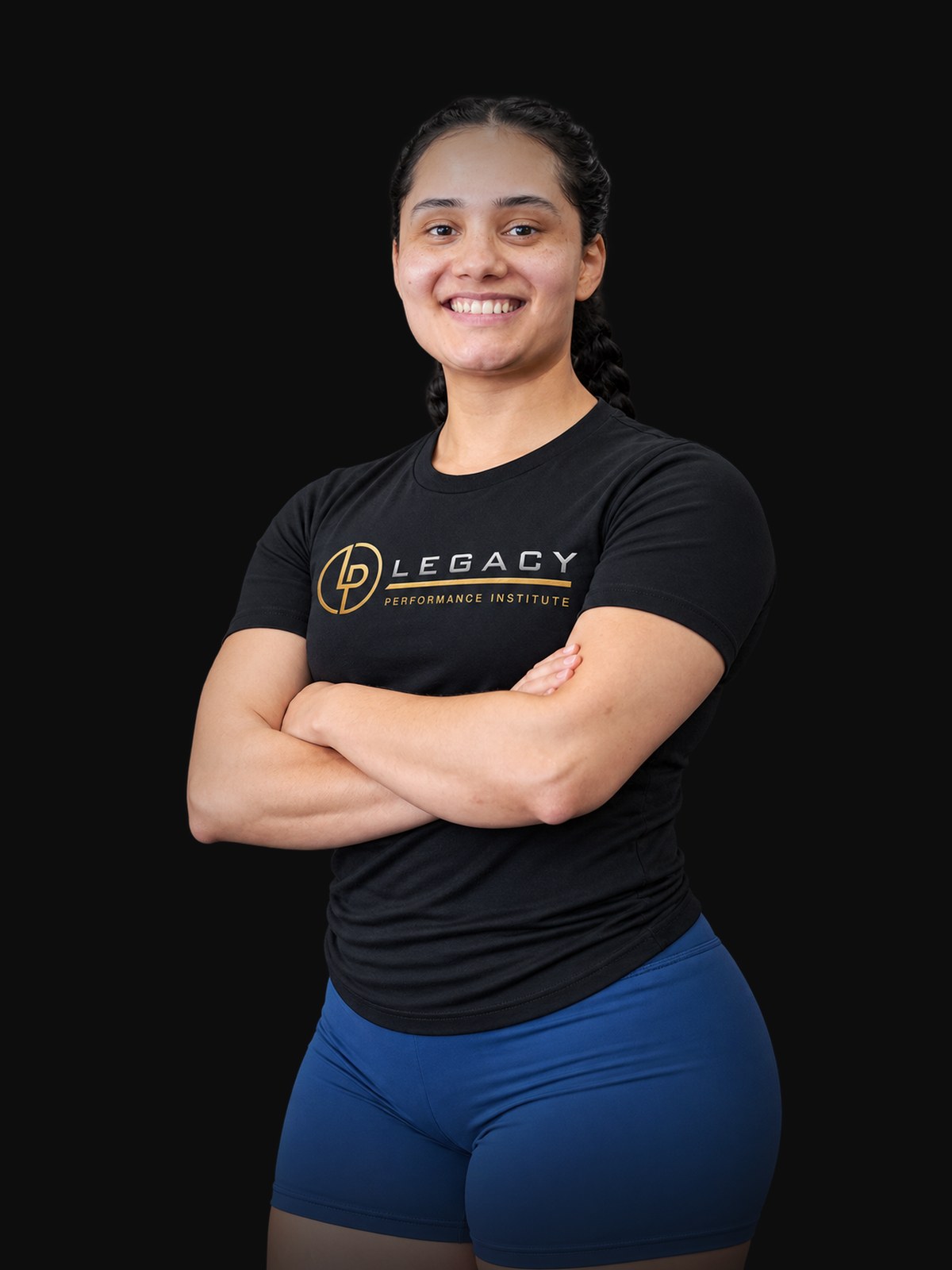
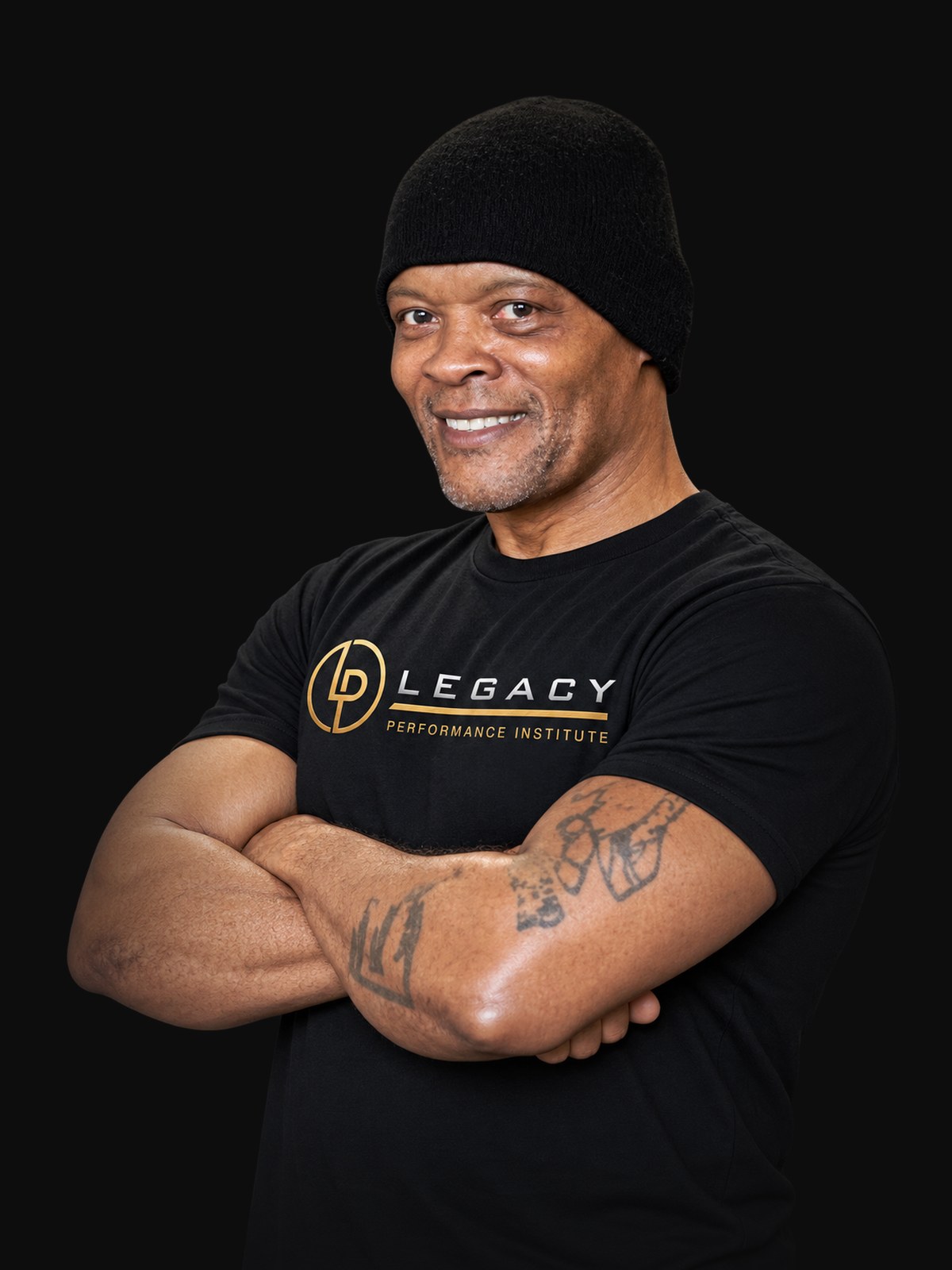
Apryl Ortega, Coach Bizz Devers, Cody Jensen, Greg Fraser, Jorge Martinez, Martin Dowers, Mike Gonzalez, Ryan Pearl, Sarah Vandekar, Teryn Stanley, Tyler Durant, Wyatt Wermager. Each one lists pre-and post-natal fitness on their own Legacy profile. Open any profile to read their background and request a free introduction.
At Legacy Performance Institute San Diego, 4030B Sports Arena Blvd, San Diego, CA 92110. Hours: Mon–Fri 6:00 AM – 9:00 PM · Sat–Sun 8:00 AM – 6:00 PM · 24/7 for VIP Access members.
Coaching is priced by each coach, typically per session or as a package, and quoted after your free introduction. No membership is required to train with a coach. Coaching is booked directly with the coach you choose.
No. Your coach starts with an assessment and builds the program to your level. Your first consultation and introductory session with a Legacy coach is free, with no obligation.
It depends on your goal, schedule and budget. Many clients work with their coach one to three times a week and train on their own in between. Your coach recommends a frequency after your free introduction.
This is general fitness information, not medical advice. Check with your physician before starting a new exercise or nutrition program, especially if you have a medical condition, an injury, or are pregnant.
Your first consultation and introductory session with a Legacy coach is free, with no obligation. Tell us about your goals and we will match you with the right coach.