Triathlon Training With a Personal Trainer in San Diego: Build Strength, Speed, and Race-Specific Endurance
He’d finished three Olympic-distance triathlons and couldn’t figure out why the run always fell apart. His swim splits were improving.
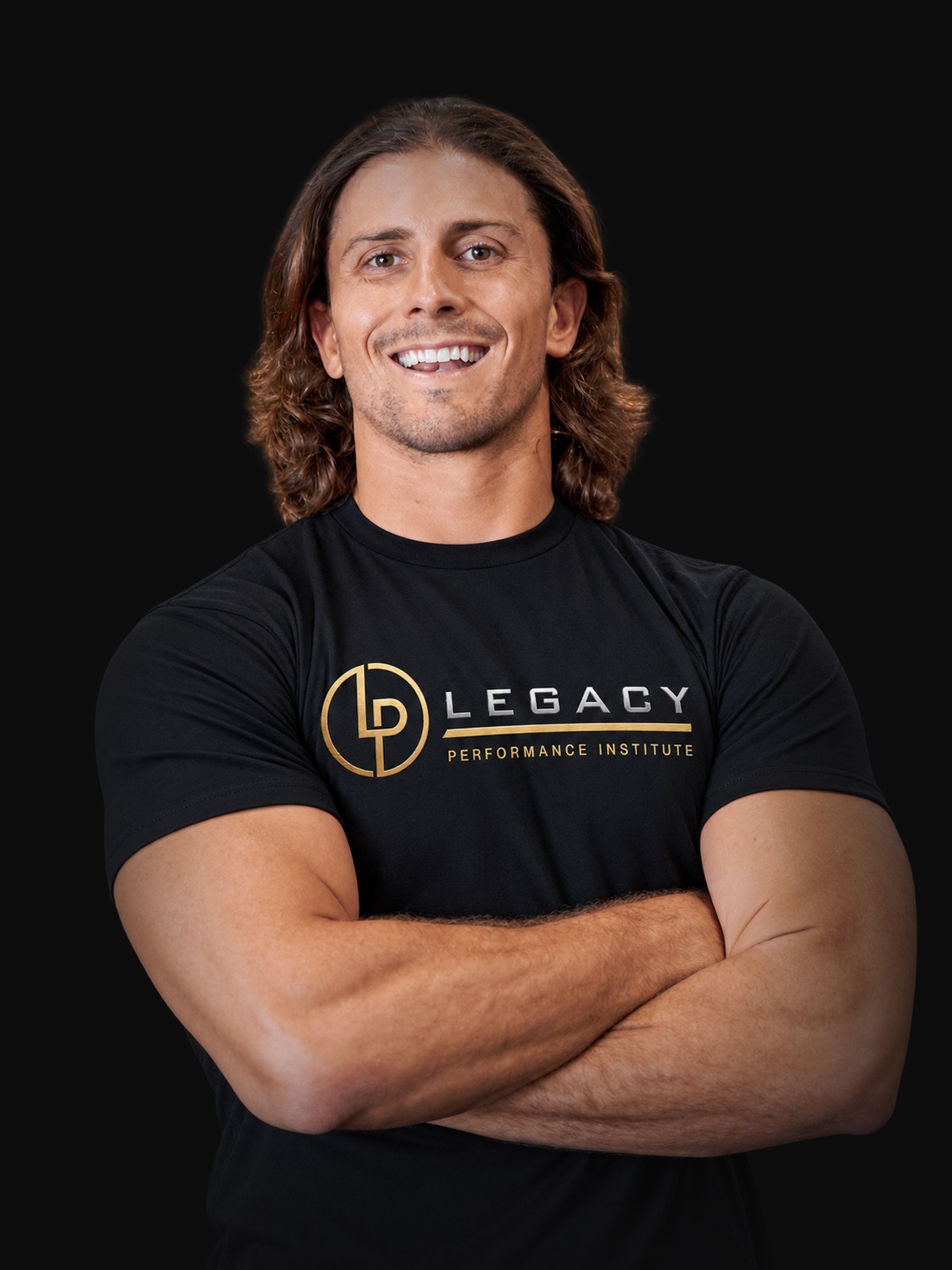
Speed and agility training targets how fast you accelerate, how well you stop, and how quickly you change direction. Coaches at Legacy San Diego in Point Loma who list it work with athletes in field and court sports, beach volleyball players, and adults in competitive rec leagues who want to be quicker without getting hurt along the way.
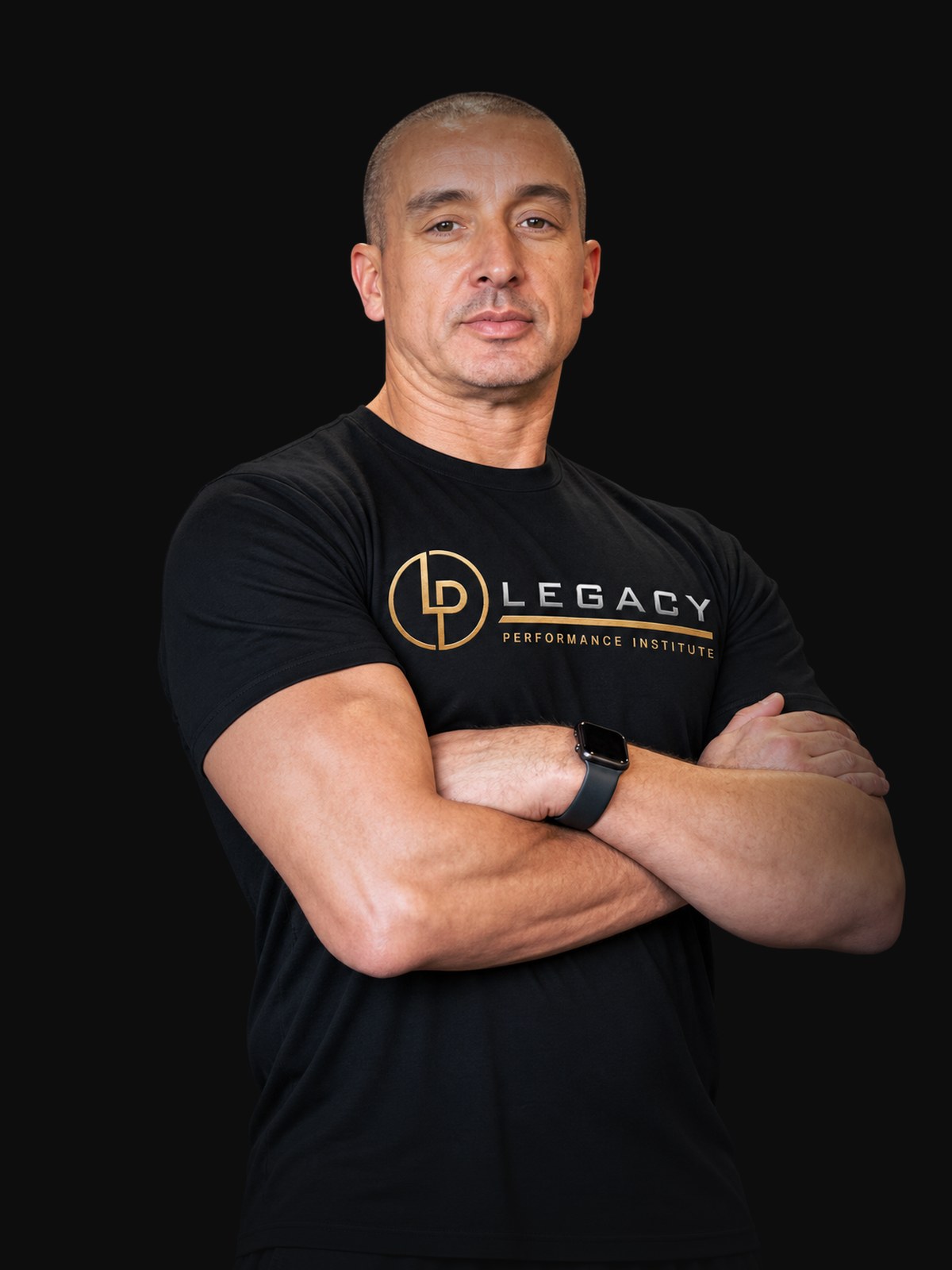
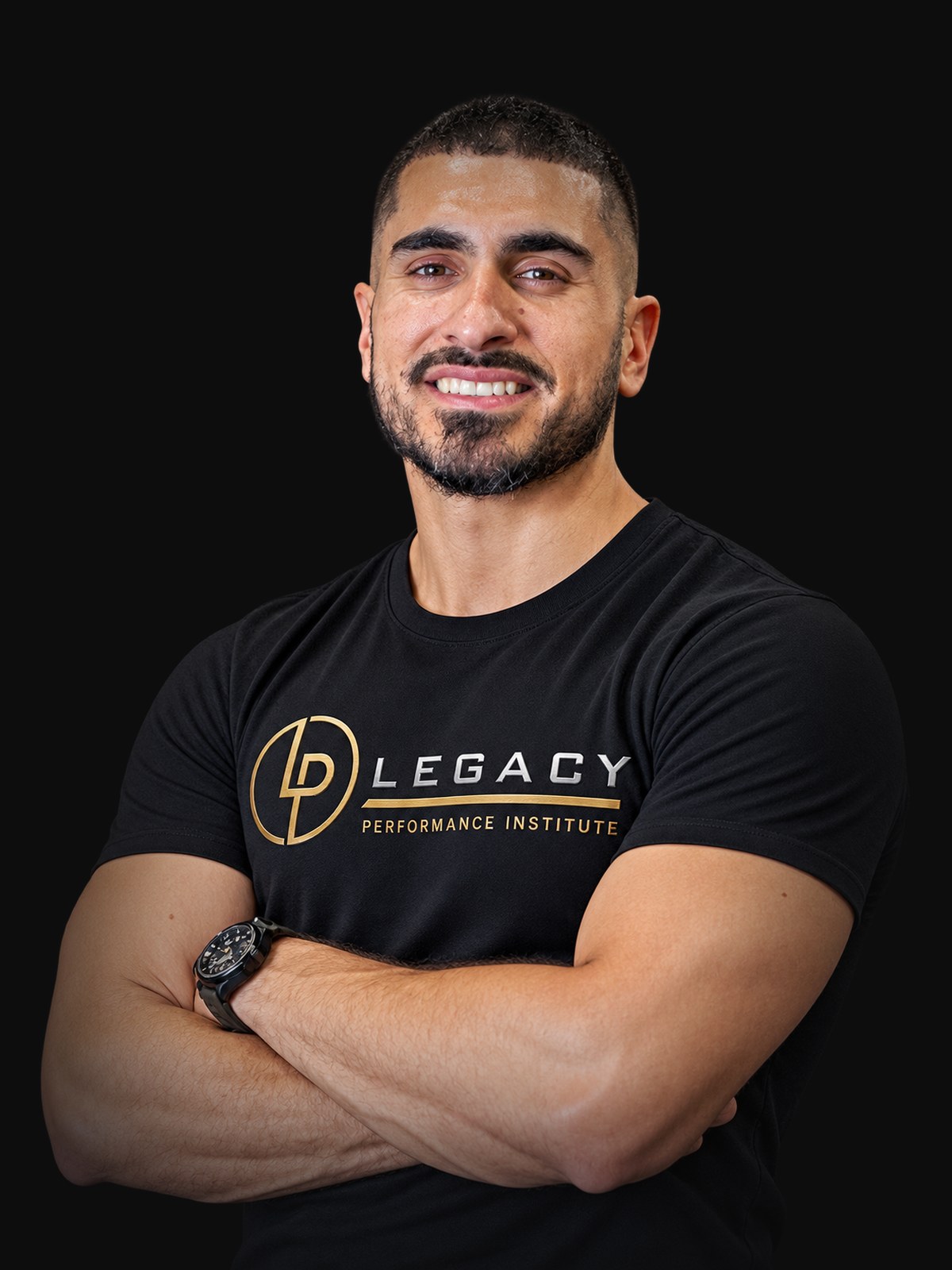
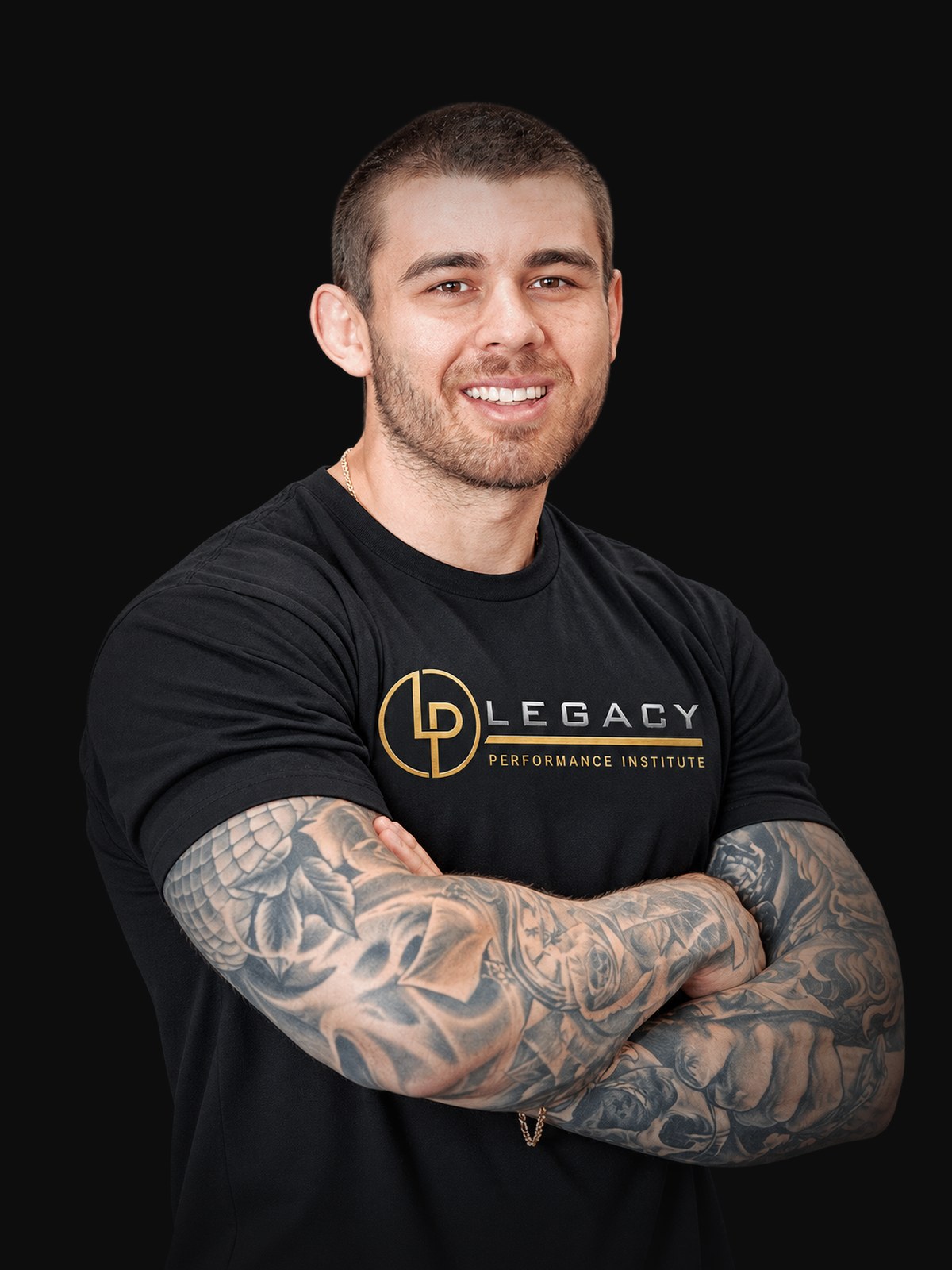
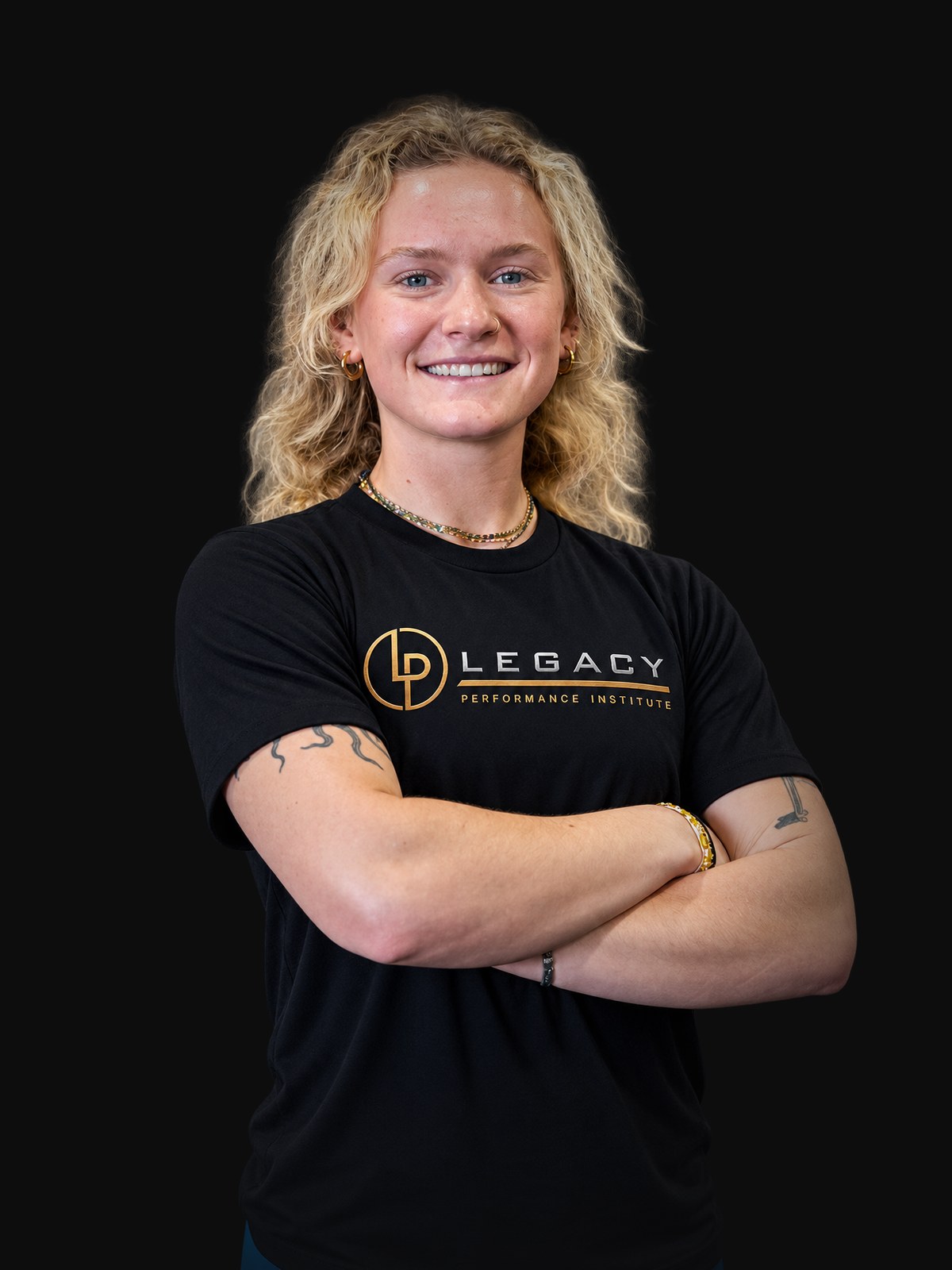
Every coach here names this specialty on their own profile. Open one to read their story, then request a free introduction.

Acceleration: the first few steps from a standstill, where body angle and how hard you push into the ground matter most. Deceleration: stopping under control, which is where many non-contact injuries happen and which is often undertrained. Change of direction: planting, turning and re-accelerating efficiently. Reactive agility: doing all of that in response to a cue rather than a set pattern.
Most sessions combine short, high-quality sprint or footwork drills with strength and plyometric work, since force production in the weight room supports what happens on the field.
Speed work is done fresh, early in the session, with full rest between efforts. A typical session might be a thorough warm-up, several technical drills, a handful of short sprints or cutting reps, jumps and landings, then strength work. Total sprinting volume is small; quality matters more than quantity.
Sprint and cutting work needs room to move. Ask a prospective coach where they run those drills and what they use for timing.
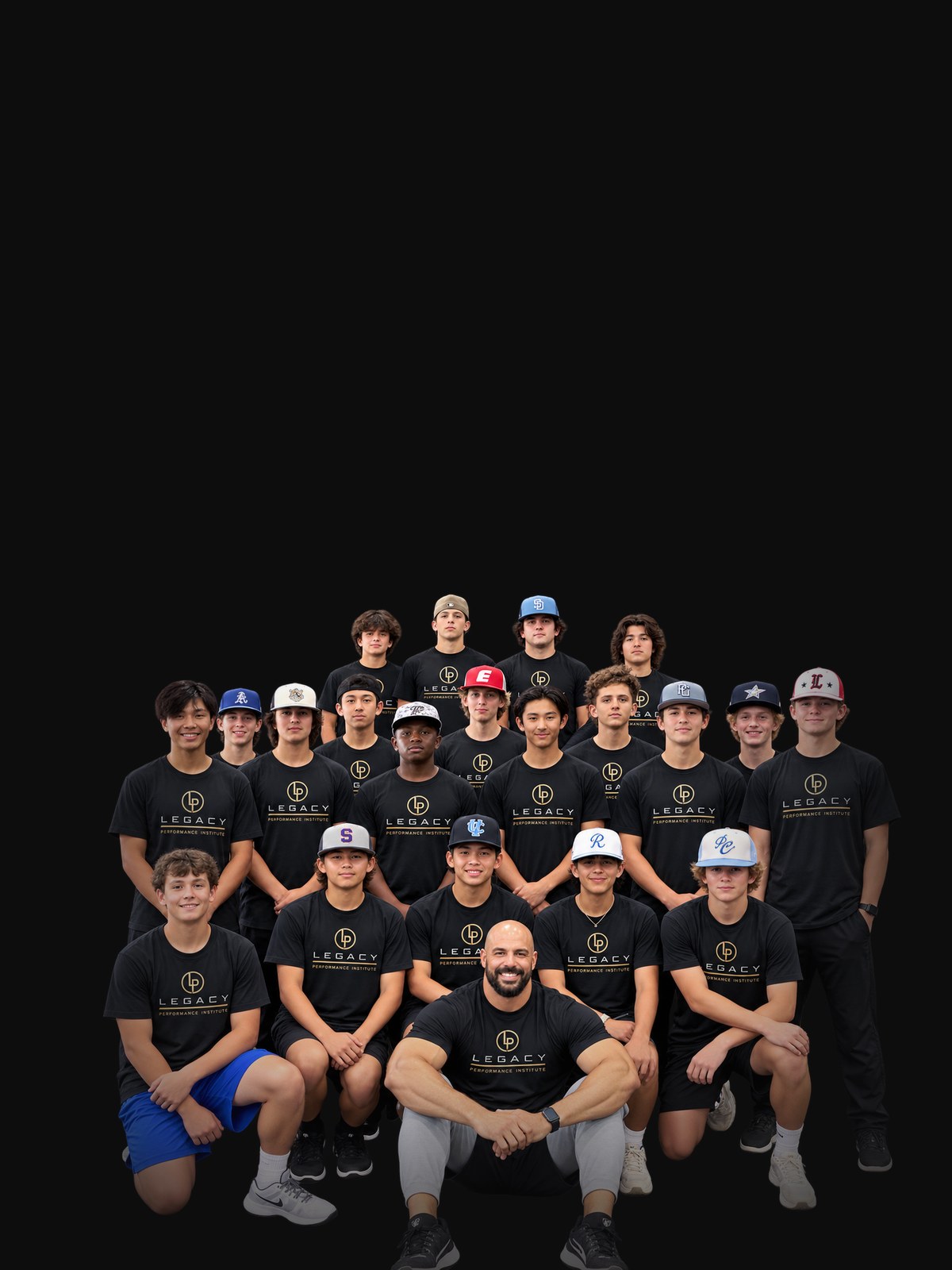
It suits athletes in soccer, basketball, football, lacrosse, tennis and sand volleyball, and any adult whose weekend league has started to feel faster than they are. Younger athletes aged 13 to 18 train one-on-one at Legacy.
If you have a recent hamstring, groin, knee or ankle injury, or have not run hard in years, check with your physician and expect to spend a few weeks on landing mechanics, strength and gradual running before full-speed work begins.
Common tests include a timed 10- or 20-yard sprint, the 5-10-5 shuttle, and jump height or distance. Video helps too: a coach can show you body position at your first step or as you plant to cut. Retest every few weeks under similar conditions so the numbers are comparable.
Functional and endurance training builds the capacity to move well and keep moving: carrying, pushing, pulling, climbing and holding a pace. It develops strength through full-body patterns and builds the aerobic base that makes both daily life and sport feel easier.
Sessions are built from squats, hinges, pushes, pulls, carries and rotation, trained in ways that transfer to real life and sport.
Easy, steady work and harder intervals are programmed on purpose, so conditioning improves without running you into the ground.
Pace, distance, heart-rate response, loads and rep quality are tracked, so improvement is visible and the next step is clear.
Equipment and formats change, but the weekly structure stays consistent so each session builds on the last.
He’d finished three Olympic-distance triathlons and couldn’t figure out why the run always fell apart. His swim splits were improving.
Marcus is 44, works in biotech near Torrey Pines, and is registered for his third Rock ‘n’ Roll San Diego Marathon.
A client came to us in March after logging four months of the same Saturday long run along Mission Bay — same 8-mile loop, same 9:15 pace, same result.
Many can, especially those who have never trained acceleration or deceleration specifically. Improvements tend to come from better technique and more strength and power.
One to three short sessions a week is common, depending on what else you are doing. Your coach will fit it around your games and practices.
Ladder drills can help with foot rhythm, but real agility includes reacting, braking and re-accelerating. A good program covers all of those.
Ask how they assess your starting point, which tests they use to track speed, how they progress jumping and landing volume, and how they adjust the plan around games. Your first consultation and introductory session at Legacy are free, so it is a low-stakes place to ask.
Alex Kosinski, Apryl Ortega, Austin Camacho, Camryn Elyse Wemmer, Coach Bizz Devers, Cody Jensen, Greg Fraser, Jorge Martinez, Kasra Iranpour, Martin Dowers, Mikayla Thoits, Mike Gonzalez, Ryan Pearl, Sarah Vandekar, Teryn Stanley, Tyler Durant, Wyatt Wermager. Each one lists speed & agility on their own Legacy profile. Open any profile to read their background and request a free introduction.
At Legacy Performance Institute San Diego, 4030B Sports Arena Blvd, San Diego, CA 92110. Hours: Mon–Fri 6:00 AM – 9:00 PM · Sat–Sun 8:00 AM – 6:00 PM · 24/7 for VIP Access members.
Coaching is priced by each coach, typically per session or as a package, and quoted after your free introduction. No membership is required to train with a coach. Coaching is booked directly with the coach you choose.
No. Your coach starts with an assessment and builds the program to your level. Your first consultation and introductory session with a Legacy coach is free, with no obligation.
No. The same principles scale from first-time exercisers to competitive endurance athletes. Your coach sets the starting volume and intensity from your assessment, not from a fixed template.
This is general fitness information, not medical advice. Check with your physician before starting a new exercise or nutrition program, especially if you have a medical condition, an injury, or are pregnant.
Your first consultation and introductory session with a Legacy coach is free, with no obligation. Tell us about your goals and we will match you with the right coach.