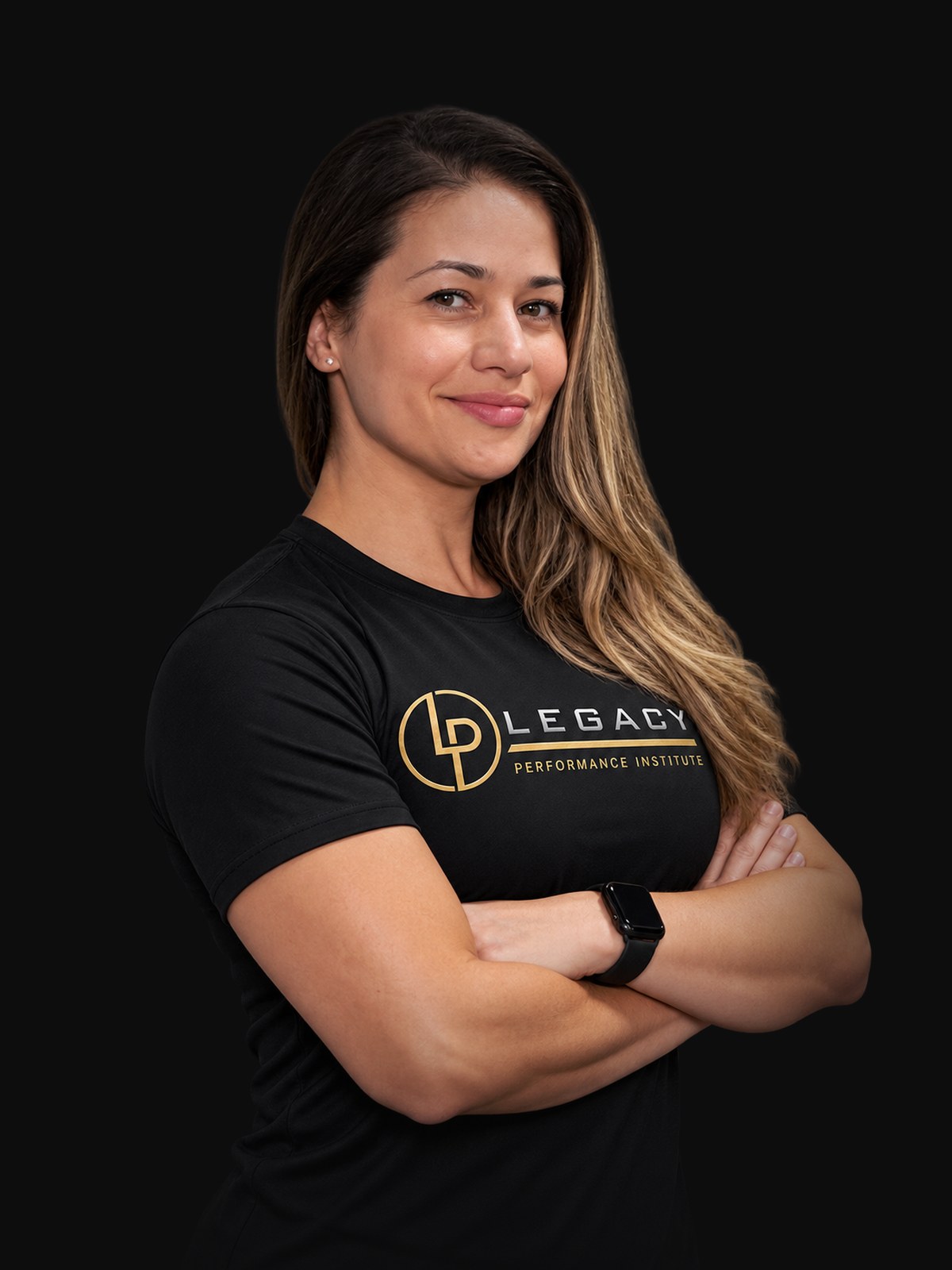
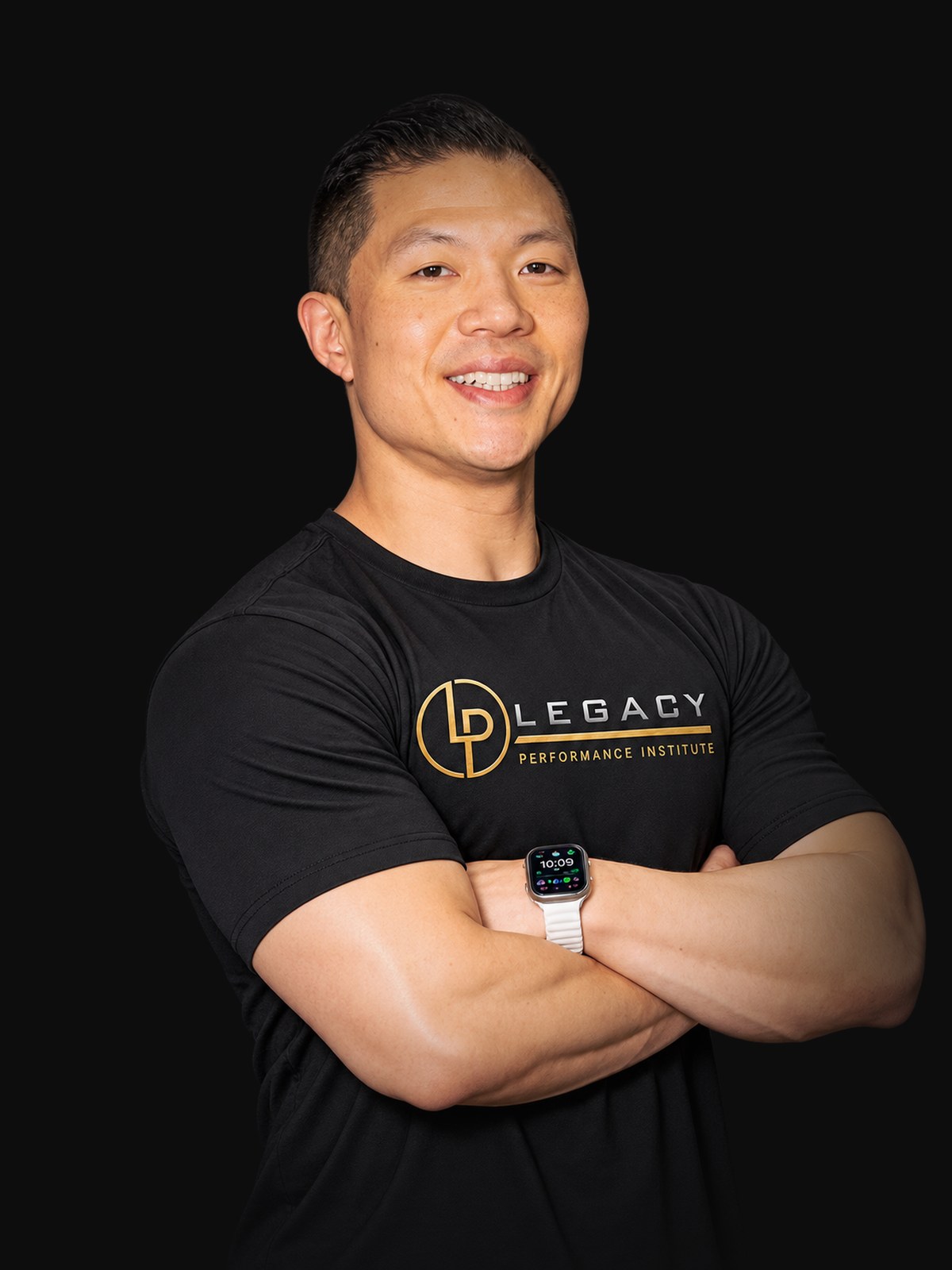
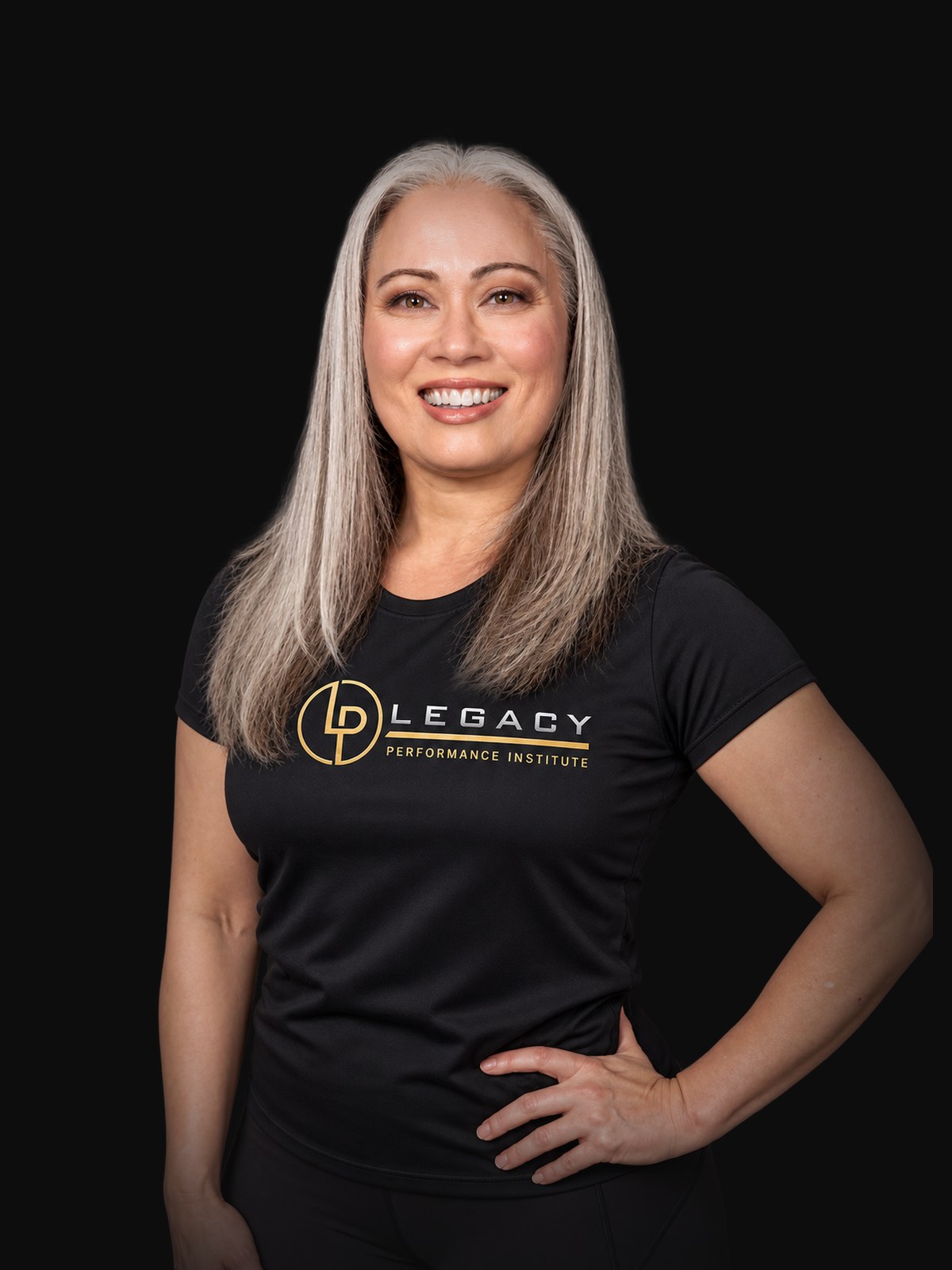
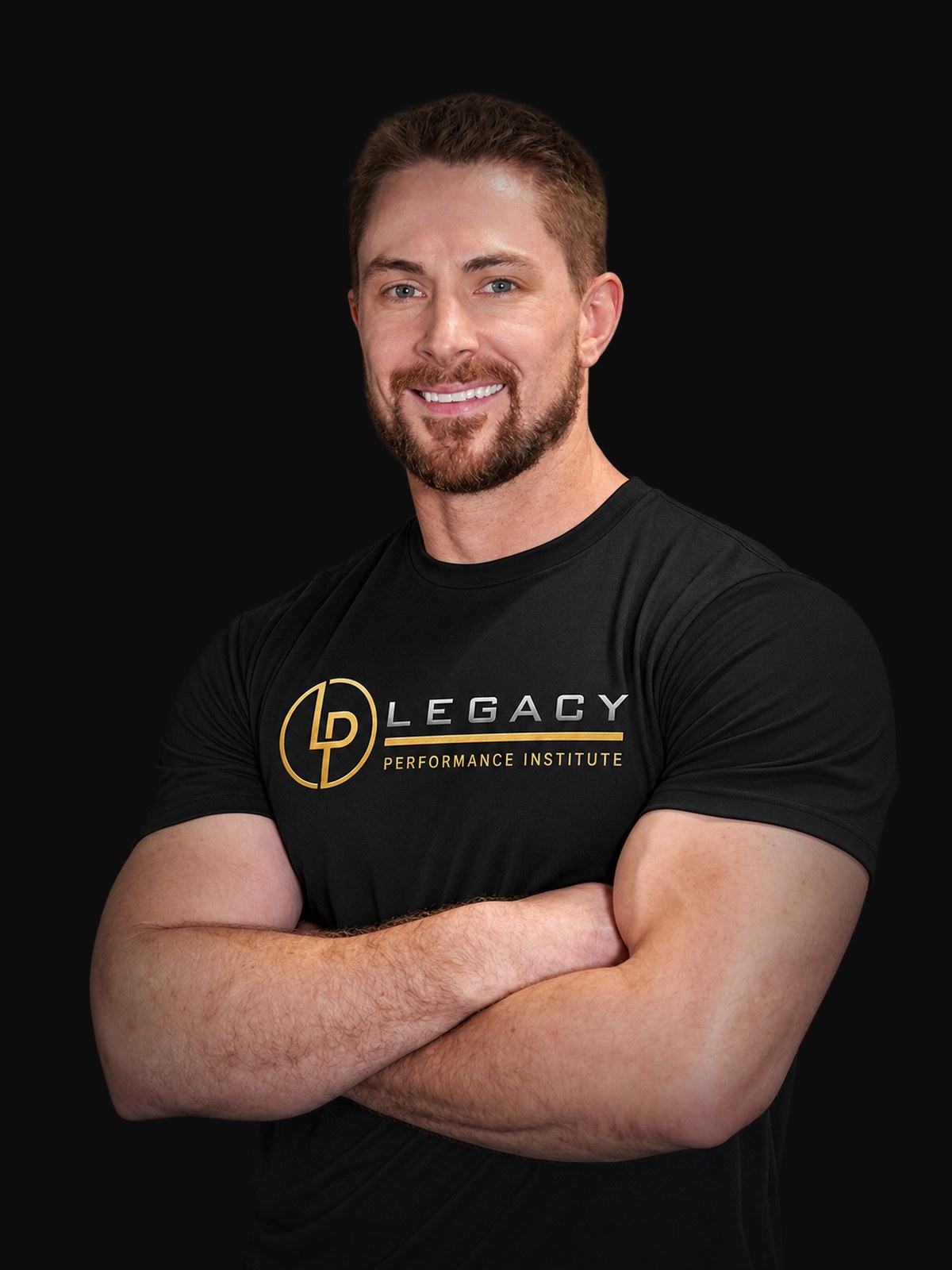
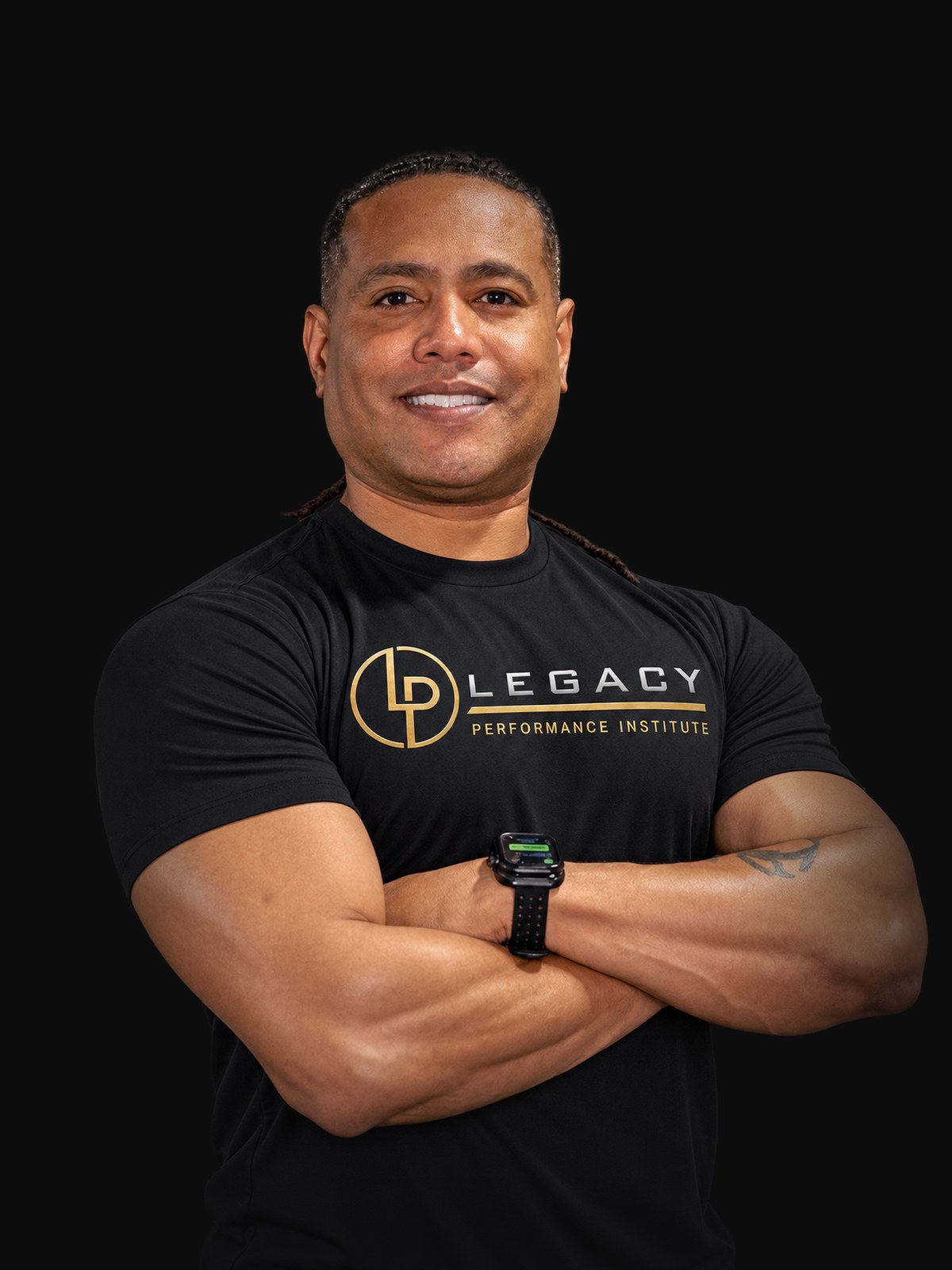
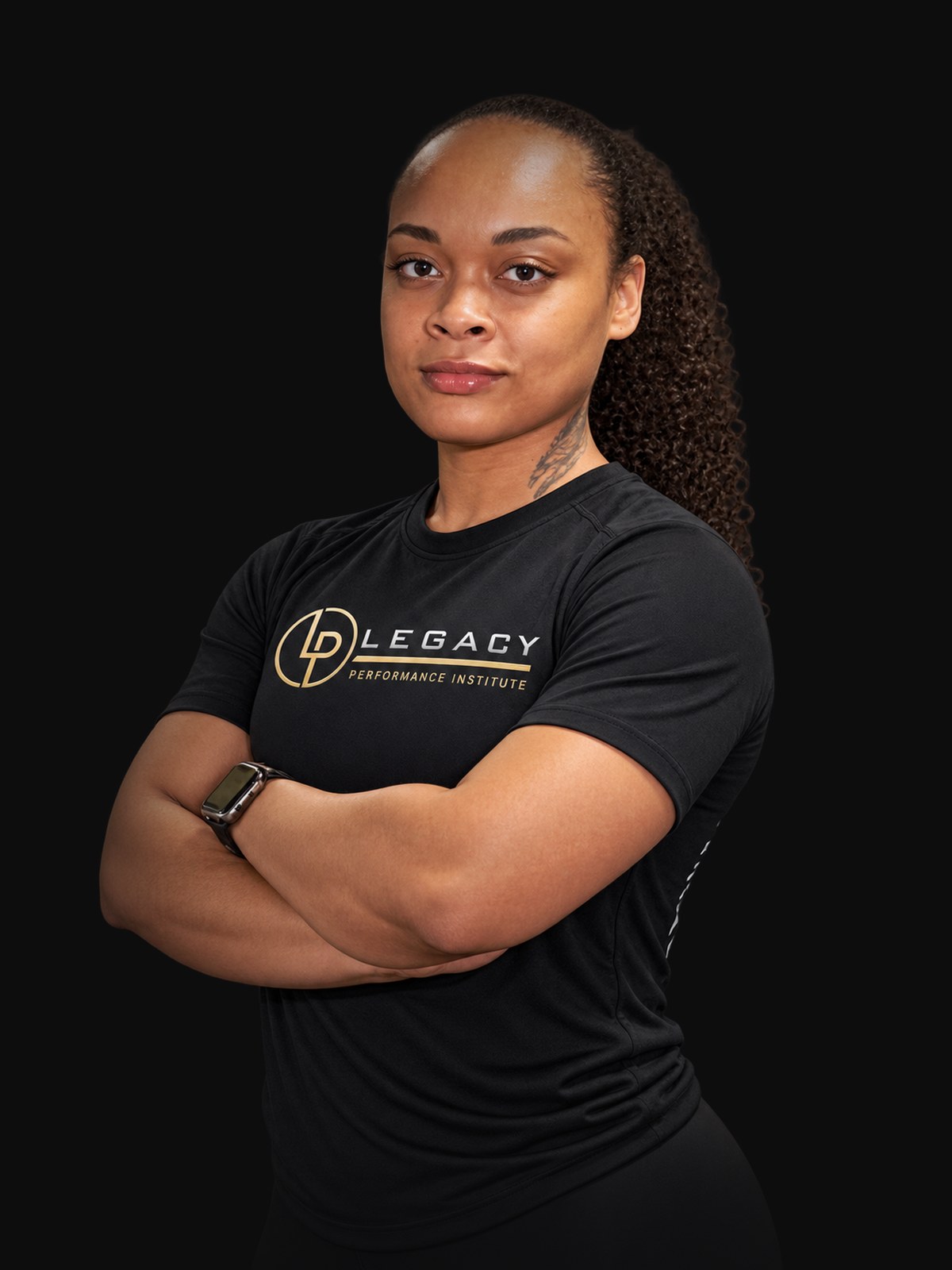
A CPR certification means a coach has completed a course in cardiopulmonary resuscitation and passed a skills check within the card's validity window. People in Carmel Valley and Del Mar tend to look for it when they are returning to exercise after a long break, training a parent or teenager, or simply want to know the person beside them could act in the first minutes of an emergency. 17 coaches at Legacy Del Mar list this.

Every coach here names this specialty on their own profile. Open one to read their story, then request a free introduction.


In the United States the two most familiar providers are the American Heart Association and the American Red Cross, and many other organizations teach courses built on similar guidelines. A typical adult course covers recognizing an unresponsive person, calling for help, chest compressions, rescue breaths and how to use an AED. Some versions add infant and child CPR or choking relief.
Cards generally carry an expiration date, commonly two years from the class. A card that has lapsed does not mean the skills vanished, but it does mean the coach has not been re-tested recently.
CPR is an emergency-response skill, not a training qualification. It says nothing about how well a coach writes a program, cues a deadlift or scales a session for a sore knee. Think of it as a floor: a sensible thing for anyone supervising hard exercise to hold, and one item to weigh next to their training education, experience with people like you and how they communicate.
It also does not make a coach a medical provider. If you have a heart condition, high blood pressure or have had chest pain or dizziness during exercise, get clearance from your physician before starting, and share what they tell you with your coach.
The credential matters most when effort runs high or the client carries more risk: interval work that pushes heart rate near its ceiling, a client in their seventies rebuilding strength, or someone managing a known cardiac history with their doctor's approval. Intensity is where an emergency is most likely to show up, so a coach who programs hard conditioning should have current training.
For a North County family where grandparents, parents and kids all train, a coach who has also completed infant and child CPR can be a reasonable thing to ask about.
Ask which organization issued the card and when it expires. Ask whether the course included AED use and a hands-on skills test rather than an online-only module. Ask how the coach would like you to share health changes between sessions, such as new medication or a recent episode of lightheadedness. A coach who answers these plainly is usually just as clear about the rest of their work.
Personal training is one coach, one plan, built around you. It combines assessment, programming, coaching in the room and accountability, so the time you invest goes toward your own goals rather than a generic routine.
Your coach learns your goals, history, schedule and limitations, and screens how you move before writing anything down.
Exercises, loads and session structure are chosen for your body and goal, and they change as you improve.
Your coach teaches technique, adjusts loads in real time and keeps sessions productive, which is the part an app or a video cannot do.
Strength, measurements, consistency and how you feel are tracked so you can see the direction, not just guess at it.
Not quite. Many employers and certifying bodies expect an in-person skills check where the student practices compressions on a manikin. Online courses can teach the steps, but the hands-on portion is what confirms the technique. Ask which format your coach completed.
Most cards are valid for about two years. Renewal involves a shorter review class and another skills check. A current card is a reasonable expectation for anyone running intense sessions.
No. CPR prepares someone to respond in an emergency, not to assess or manage a medical condition. Your physician should decide what exercise is safe for you, and your coach should work within that guidance.
Anthony Dain, Aqilah, Brooke Heaton, Caden Sears, Catia Assis, Chris Koo, Emely Gonzalez, Emiko Jaffe, Emma Warren, Jaclyn Nguyen, Joel Maddock, Kevin Lee, Landon Bergenthal, Mark Kern, Martin Jones, Maya Smith, Shane Dempsey. Each one lists cpr certified on their own Legacy profile. Open any profile to read their background and request a free introduction.
At Legacy Performance Institute Del Mar, 12264 El Camino Real, Suite 60, San Diego, CA 92130. Hours: 5:00 AM – 10:00 PM, seven days · 24/7 for VIP Access members.
Coaching is priced by each coach, typically per session or as a package, and quoted after your free introduction. No membership is required to train with a coach. Coaching is booked directly with the coach you choose.
No. Your coach starts with an assessment and builds the program to your level. Your first consultation and introductory session with a Legacy coach is free, with no obligation.
It depends on your goal, schedule and budget. Many clients work with their coach one to three times a week and train on their own in between. Your coach recommends a frequency after your free introduction.
This is general fitness information, not medical advice. Check with your physician before starting a new exercise or nutrition program, especially if you have a medical condition, an injury, or are pregnant.
Your first consultation and introductory session with a Legacy coach is free, with no obligation. Tell us about your goals and we will match you with the right coach.