Power Development Training in San Diego: Build Explosive Strength for Sports Performance
A 41-year-old recreational tennis player from Pacific Beach came to Legacy two years into consistent strength training.
Powerlifting is the strength sport built on three lifts: the back squat, the bench press and the deadlift, each tested for a single heaviest repetition. At Legacy San Diego on Sports Arena Boulevard in Point Loma, the coaches who list it work with people who simply want to get measurably stronger as well as lifters getting ready for their first meet.
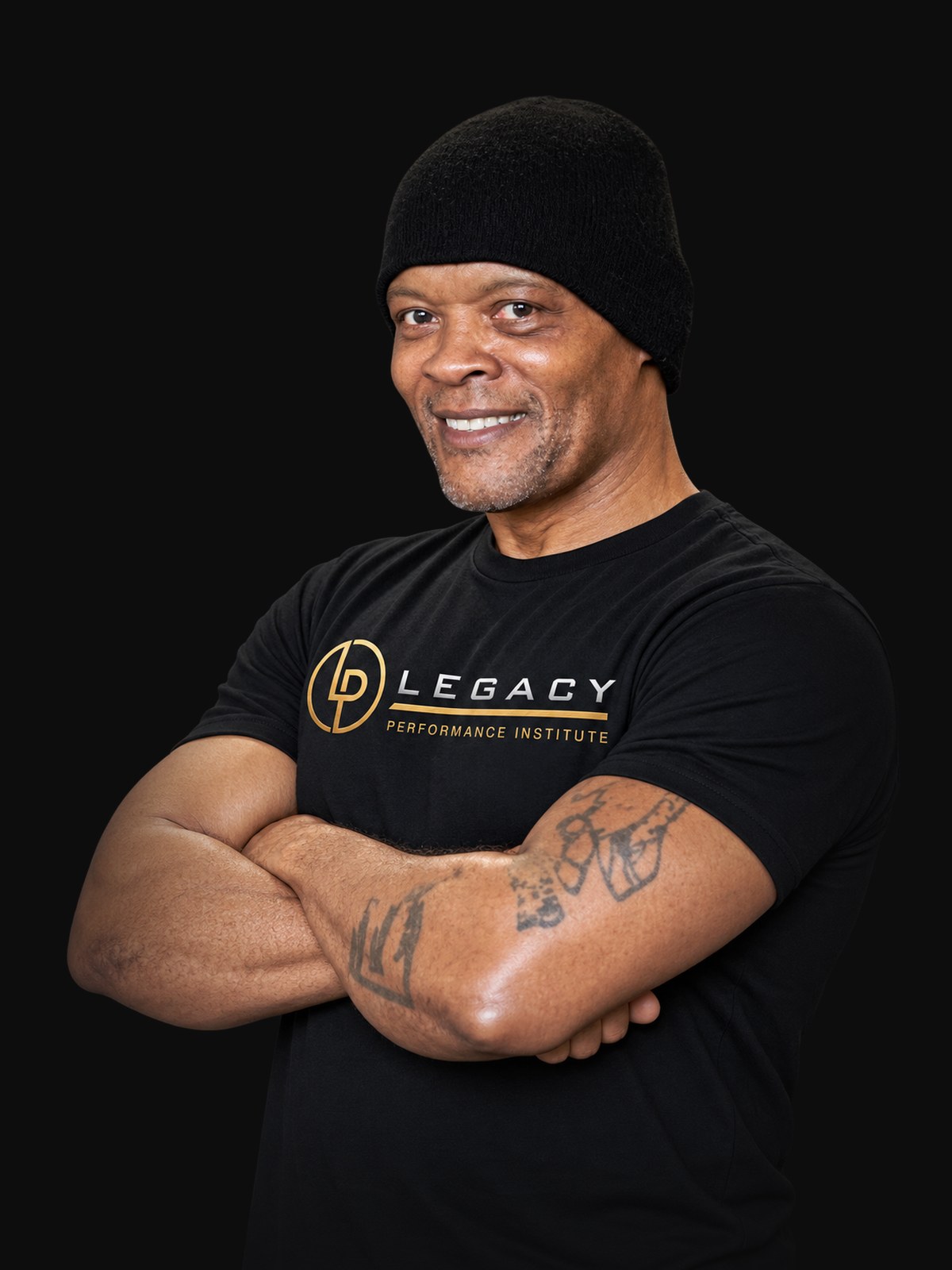
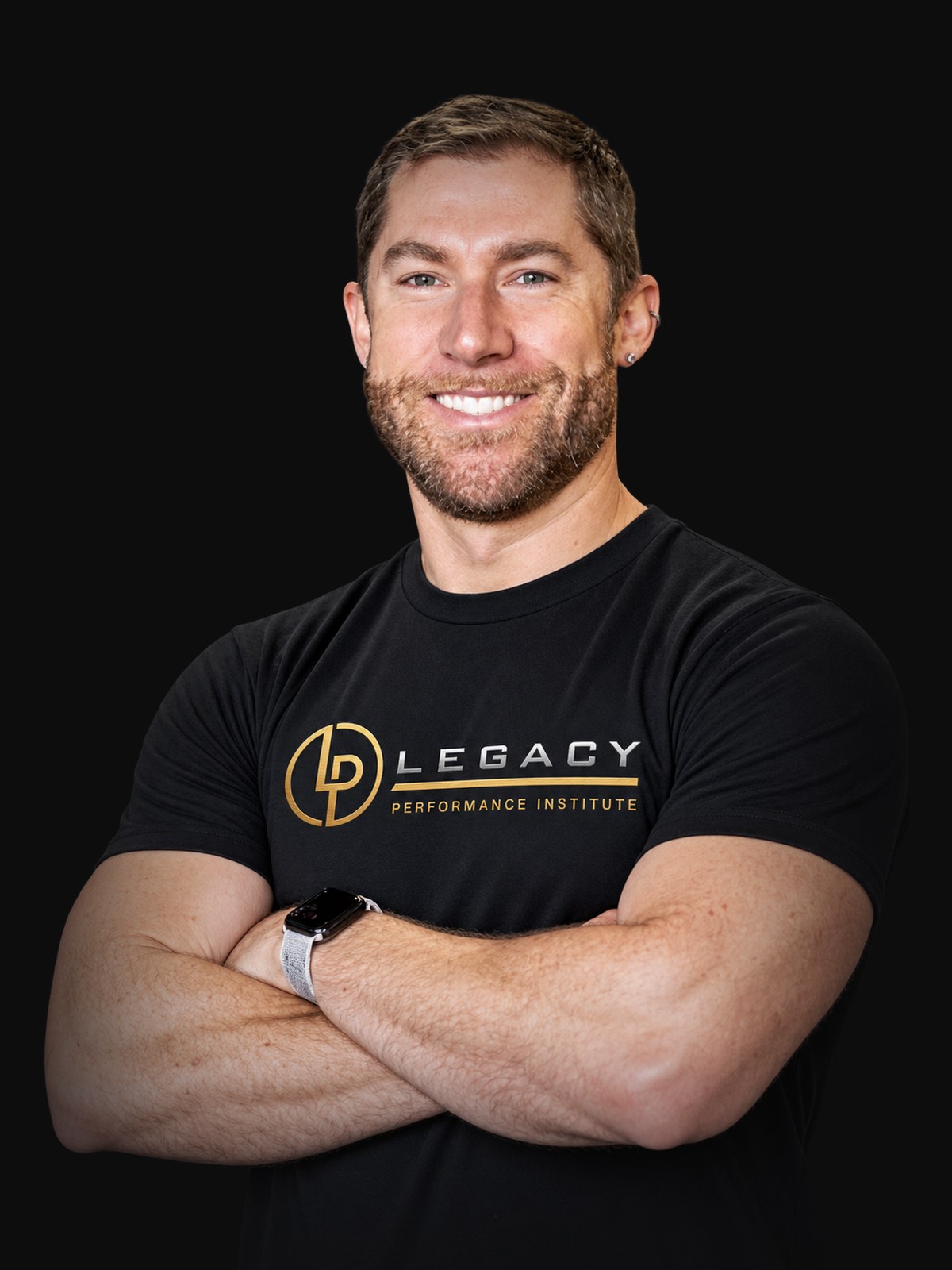
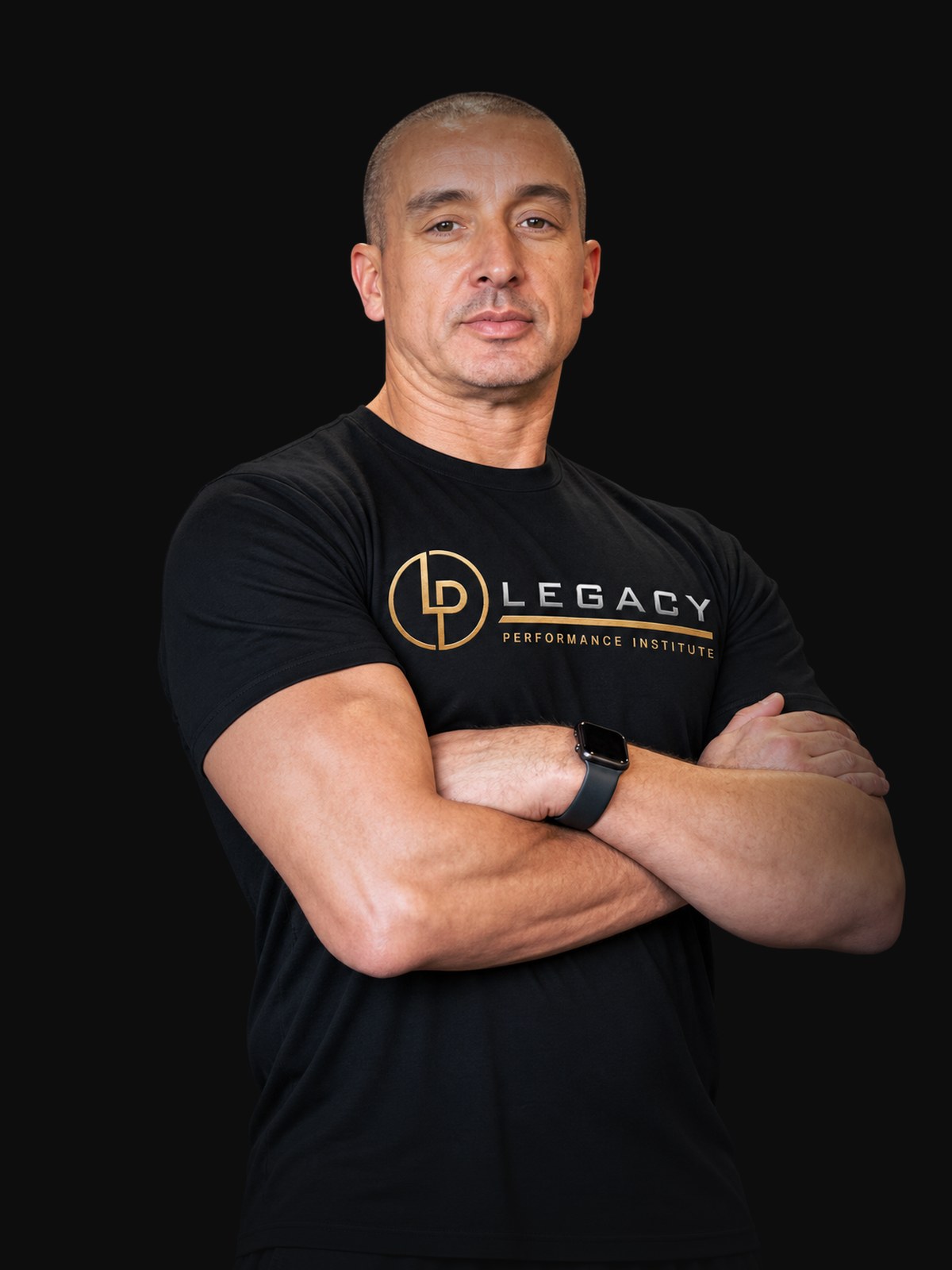
Every coach here names this specialty on their own profile. Open one to read their story, then request a free introduction.
Expect a session organized around one main lift. You warm up for that pattern, work up through planned sets, then spend the back half on accessory movements that shore up whatever limits the big lift: upper-back strength for the bench, hamstrings and trunk for the pull, hip and knee control for the squat.
Loads are usually set from a percentage of your best single or from how hard a set feels on a 1-10 effort scale. Rest between heavy sets is long, often three minutes or more, so sessions tend to run longer than a circuit-style workout. Because Legacy is a private training facility rather than a public gym, you are not waiting on someone else to finish with the rack between those sets.
Powerlifting suits people who like a clear number to chase and are patient with slow, steady progress. It is a good fit for someone in Ocean Beach or Mission Valley who has done general gym work and wants more structure around the barbell.
If you have never lifted, have a current back, shoulder or knee problem, or have a heart or blood pressure condition, start with general strength training and get clearance from your physician before heavy single-rep work. A coach can teach the movements with light loads long before any maximal attempts make sense.
The obvious markers are your squat, bench and deadlift numbers, but a good coach watches more than that: how fast the bar moves at a known weight, how hard a set felt compared with last month, and whether your positions hold up on video as the load climbs.
If you plan to compete, your coach will also train you to the federation's standards, such as squat depth and the pause on the bench press, so the lifts you practice in Point Loma are the lifts the judges will accept.
Ask how they structure a training block, how they adjust when a session goes badly, and whether they film lifts and talk through them with you. If a meet is your goal, ask whether they have helped someone through meet preparation: attempt selection, weigh-ins and peaking.
Strength and performance training uses progressive overload on the major lifts and athletic movements to build force, power and resilience. It serves anyone who wants to be stronger, from a first barbell squat to a competitive athlete preparing for a season.
Lifts are taught and reviewed first, because a clean pattern makes heavier weight safer and more productive.
Weights, sets and reps are laid out across weeks, with built-in lighter weeks, so strength climbs without constant plateaus or burnout.
For athletes, the program is matched to the demands and calendar of the sport: strength in the off-season, power and maintenance as competition nears.
Every session is logged, so you can see what you lifted last month and what the next target is.
A 41-year-old recreational tennis player from Pacific Beach came to Legacy two years into consistent strength training.
Derek had been surfing San Diego for 18 years. He knew Windansea’s quirks, could read the peaks at Tourmaline before anyone else paddled for them, and surfed three to four times per week…
A client walked into our studio last spring — 31, a surgical nurse from Hillcrest, three years into a training habit that had stalled at the same working weights since 2023.
No. Plenty of people use the three lifts and the structure of powerlifting programming purely to get stronger. Competing is an option, not a requirement.
Many programs use three or four sessions a week, each focused on one or two of the main lifts. Your coach can fit that around Legacy San Diego's hours: weekdays 6 AM to 9 PM and weekends 8 AM to 6 PM, or around the clock with a VIP Access Pass.
Not to start. Most coaches have beginners learn to brace without a belt first, then introduce gear once the technique is consistent. Ask at your free introduction what they recommend and when.
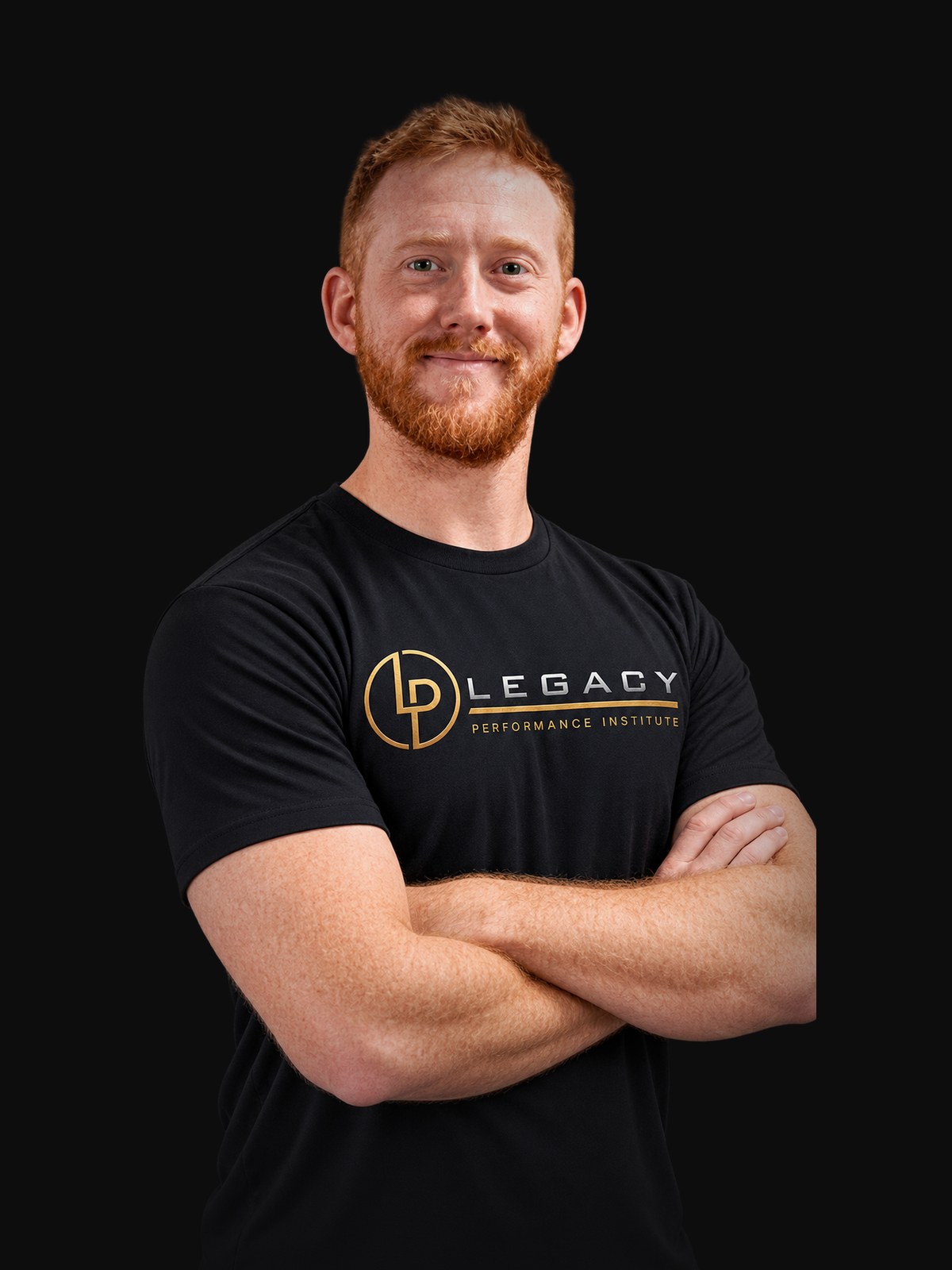
Andy Mog, Camryn Elyse Wemmer, Coach Bizz Devers, Cody Jensen, Greg Fraser, Jorge Martinez, Martin Dowers, Mikayla Thoits, Mike Gonzalez, Ryan Pearl, Sarah Vandekar, Teryn Stanley, Tyler Durant, Wyatt Wermager. Each one lists power lifting on their own Legacy profile. Open any profile to read their background and request a free introduction.
At Legacy Performance Institute San Diego, 4030B Sports Arena Blvd, San Diego, CA 92110. Hours: Mon–Fri 6:00 AM – 9:00 PM · Sat–Sun 8:00 AM – 6:00 PM · 24/7 for VIP Access members.
Coaching is priced by each coach, typically per session or as a package, and quoted after your free introduction. No membership is required to train with a coach. Coaching is booked directly with the coach you choose.
No. Your coach starts with an assessment and builds the program to your level. Your first consultation and introductory session with a Legacy coach is free, with no obligation.
Yes, when it is coached. A good coach starts with a movement assessment, teaches the patterns with light loads, and progresses only when your technique is solid. Tell your coach about any injuries or medical conditions at your introduction.
This is general fitness information, not medical advice. Check with your physician before starting a new exercise or nutrition program, especially if you have a medical condition, an injury, or are pregnant.
Your first consultation and introductory session with a Legacy coach is free, with no obligation. Tell us about your goals and we will match you with the right coach.