Training by Chronotype: How to Build a Fitness Plan Around Your Body’s Natural Rhythm
A client came to us last year after two years of white-knuckling a 6 a.m. strength block.
Mind-body fitness covers training that deliberately links movement with attention and breathing: yoga, Pilates, tai chi, breath-led mobility work, and strength training done with close attention to body awareness. Sixteen coaches at Legacy Del Mar list it. Their main focus areas include strength and performance, mindset, corrective exercise and women's fitness, which shows how broadly the term is used.
Every coach here names this specialty on their own profile. Open one to read their story, then request a free introduction.




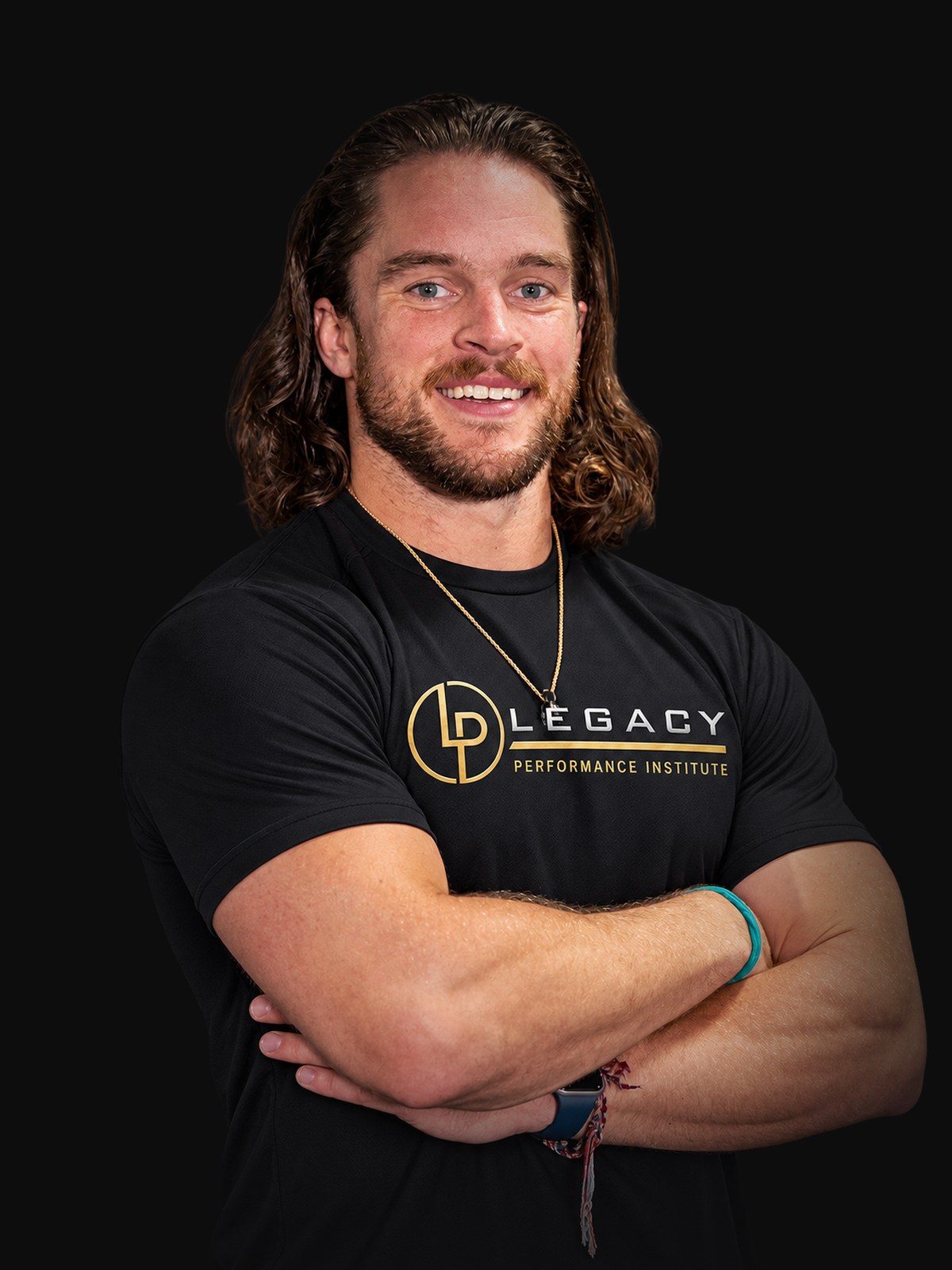
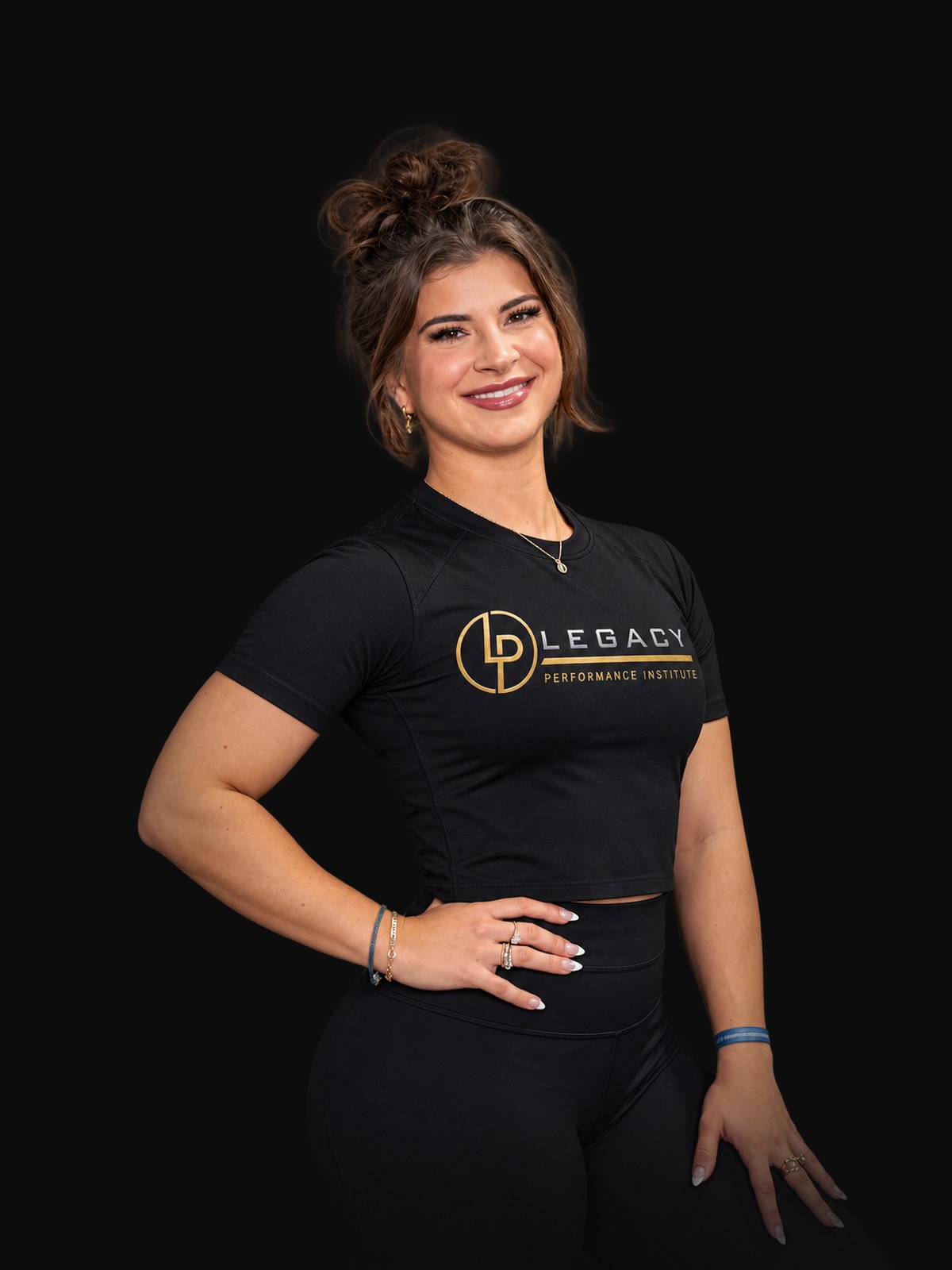
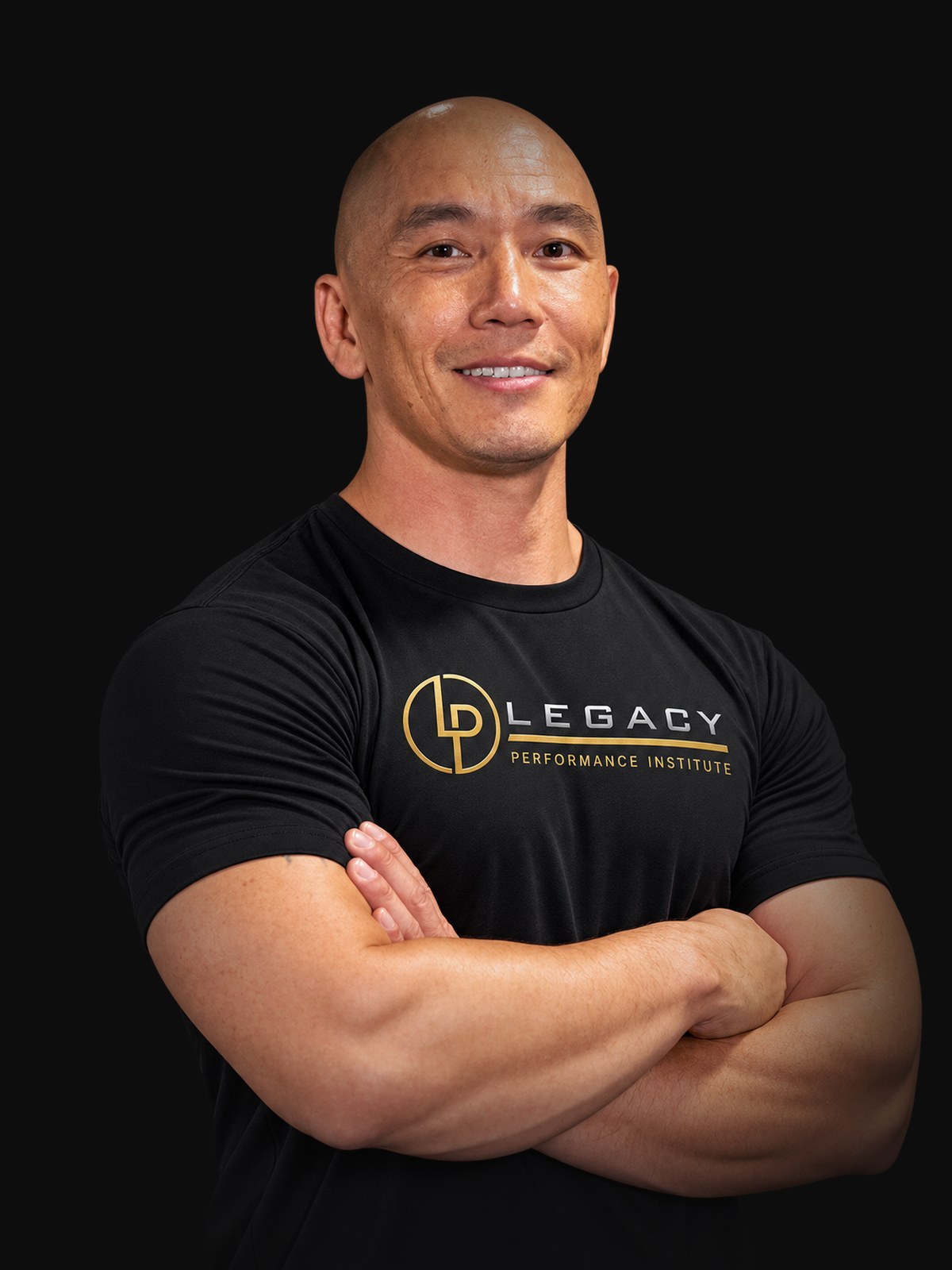

In a mind-body session, how you move counts as much as how much you lift or how long you last. A coach might begin with a few minutes of breathing, then move through controlled movements while cueing you to notice where you hold tension or compensate. Strength-oriented coaches may use slow tempos and pauses; Pilates-oriented coaches focus on trunk control; yoga-oriented coaches build flexibility and balance through held postures.
People who feel disconnected from their bodies after years at a desk, athletes who want better body awareness, people managing day-to-day stress, and those returning from injury who need to rebuild trust in movement. Some research suggests practices like yoga and tai chi may help with balance, flexibility and perceived stress, though findings vary, and these practices are not treatments for medical or mental health conditions.
Because the label is broad, ask what a coach actually does. Is the base yoga, Pilates, strength training or something else? What training did they complete for it? How do they balance the physical and attentional parts of a session? A coach whose primary focus is strength will run a different hour from one whose focus is holistic wellbeing. With 16 listed at Legacy Del Mar, trying an introduction or two is worth the time.
Physical markers include range of motion, balance holds, controlled tempo under load and fewer compensation patterns. Some people also track sleep, stress ratings or how often they practice breathing outside sessions.
Picture an hour that starts lying down with five minutes of slow nasal breathing, moves into joint circles and spinal waves, then into a strength block done at a deliberate tempo, perhaps three seconds down and a pause at the bottom, with the coach asking where you feel the work. It might close with a longer held stretch or balance practice and a few more minutes of breathing. The heart rate rarely spikes, but the concentration involved can be more demanding than people expect.
Holistic and mindset coaching treats training as one part of a larger system that also includes sleep, stress, habits and the way you talk to yourself about progress. The aim is a routine you can keep up for years, not a six-week sprint that ends when motivation does.
The first conversation covers what you want your days to feel like, not only what you want your body to look like, and the program is built to serve both.
Coaching focuses on small, repeatable actions with clear triggers, so showing up becomes the default instead of a daily negotiation.
Intensity is matched to your stress and sleep that week. Hard weeks and easy weeks are planned, not guessed.
Regular check-ins keep you honest about what is working, and setbacks are treated as information to adjust around.
A client came to us last year after two years of white-knuckling a 6 a.m. strength block.
A client of ours, a device sales director who splits her week between Carmel Valley and quarterly trips to the East Coast, came in for her Tuesday 6am session and admitted she’d been awake…
A client of ours spent eleven months losing 32 pounds and pulling her deadlift from 95 to 205 pounds.
No. Yoga is one form. Pilates, tai chi, breath-led mobility and mindful strength work all fall under the label.
Mind-body work is not mainly about burning calories. It may support weight goals indirectly through steadier habits, often alongside other training.
Some forms can be adapted, but get clearance from your physician and tell the coach so positions can be modified.
Yes. Ask a coach how they would structure a week that includes both, and whether sessions can start early or late; Legacy Del Mar is open from 5:00 AM to 10:00 PM.
No. Flexibility is something the practice builds, not a prerequisite. Coaches modify positions for stiff hips, tight shoulders or old injuries.
Anthony Dain, Aqilah, Chance Dyck, Emely Gonzalez, Emiko Jaffe, Jaclyn Nguyen, Joel Maddock, Kevin Lee, Landon Bergenthal, Martin Jones, Nima Naraghi, Randy Etheridge, Shane Dempsey, Sofia Beyer, Tim Chau, William Cui. Each one lists mind body fitness on their own Legacy profile. Open any profile to read their background and request a free introduction.
At Legacy Performance Institute Del Mar, 12264 El Camino Real, Suite 60, San Diego, CA 92130. Hours: 5:00 AM – 10:00 PM, seven days · 24/7 for VIP Access members.
Coaching is priced by each coach, typically per session or as a package, and quoted after your free introduction. No membership is required to train with a coach. Coaching is booked directly with the coach you choose.
No. Your coach starts with an assessment and builds the program to your level. Your first consultation and introductory session with a Legacy coach is free, with no obligation.
No. Fitness coaches work on training, habits and accountability. They are not licensed mental health providers, and a good coach will say so and suggest a qualified professional when something is outside coaching scope.
This is general fitness information, not medical advice. Check with your physician before starting a new exercise or nutrition program, especially if you have a medical condition, an injury, or are pregnant.
Your first consultation and introductory session with a Legacy coach is free, with no obligation. Tell us about your goals and we will match you with the right coach.