


The MethodMembershipCoaches
AboutQ & AContact
Request Access
Del Mar · Specialty

Myofascial Release coaches in Del Mar.

Myofascial release refers to techniques that apply sustained pressure to muscles and the connective tissue around them, usually with a foam roller, a massage ball or a practitioner's hands, to ease feelings of tightness and change how movement feels. Twenty-five coaches at Legacy Del Mar list it as part of their practice, across focus areas from mindset to strength and body recomposition.

The Coaches

Meet the myofascial release coaches.

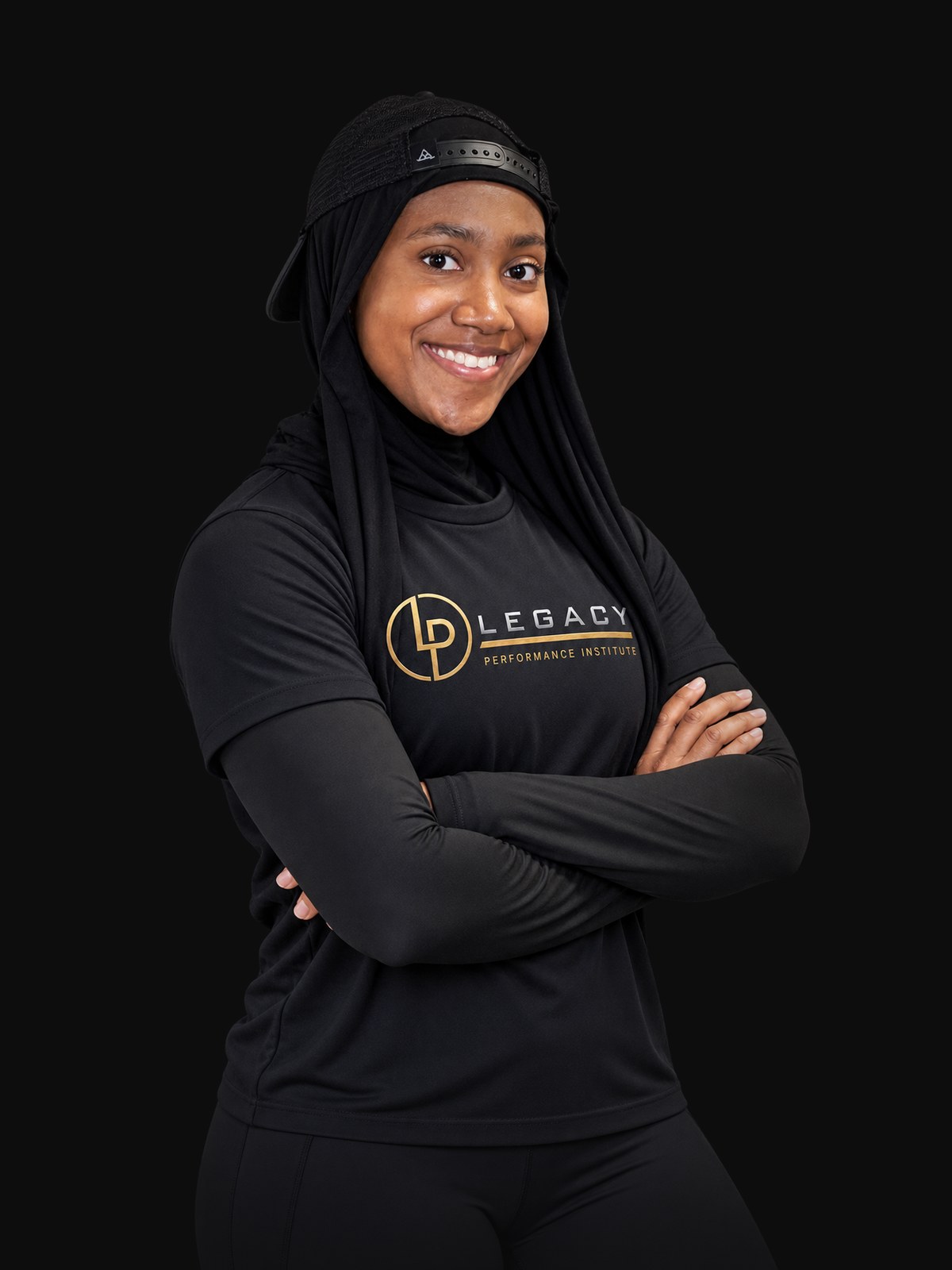
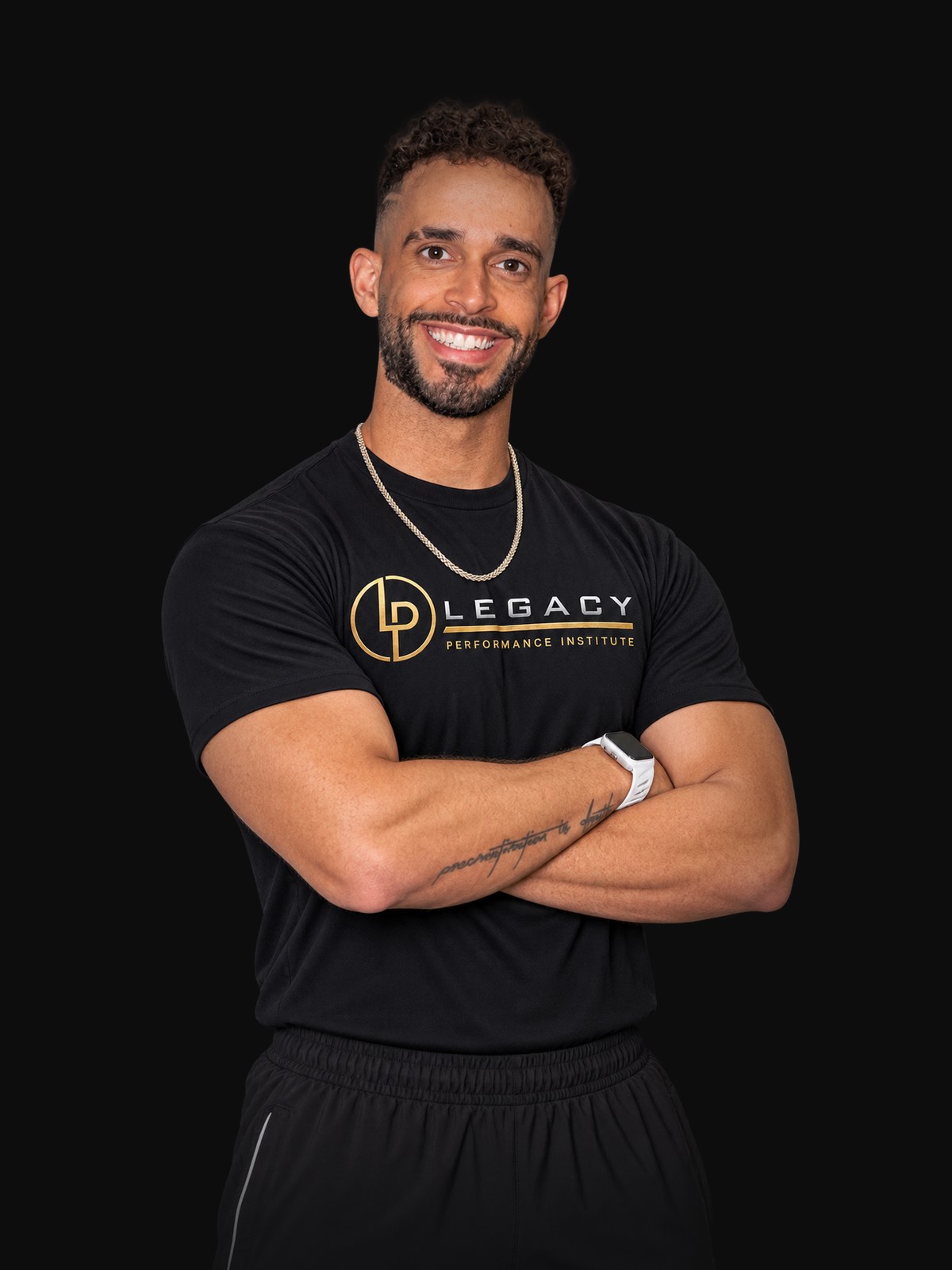
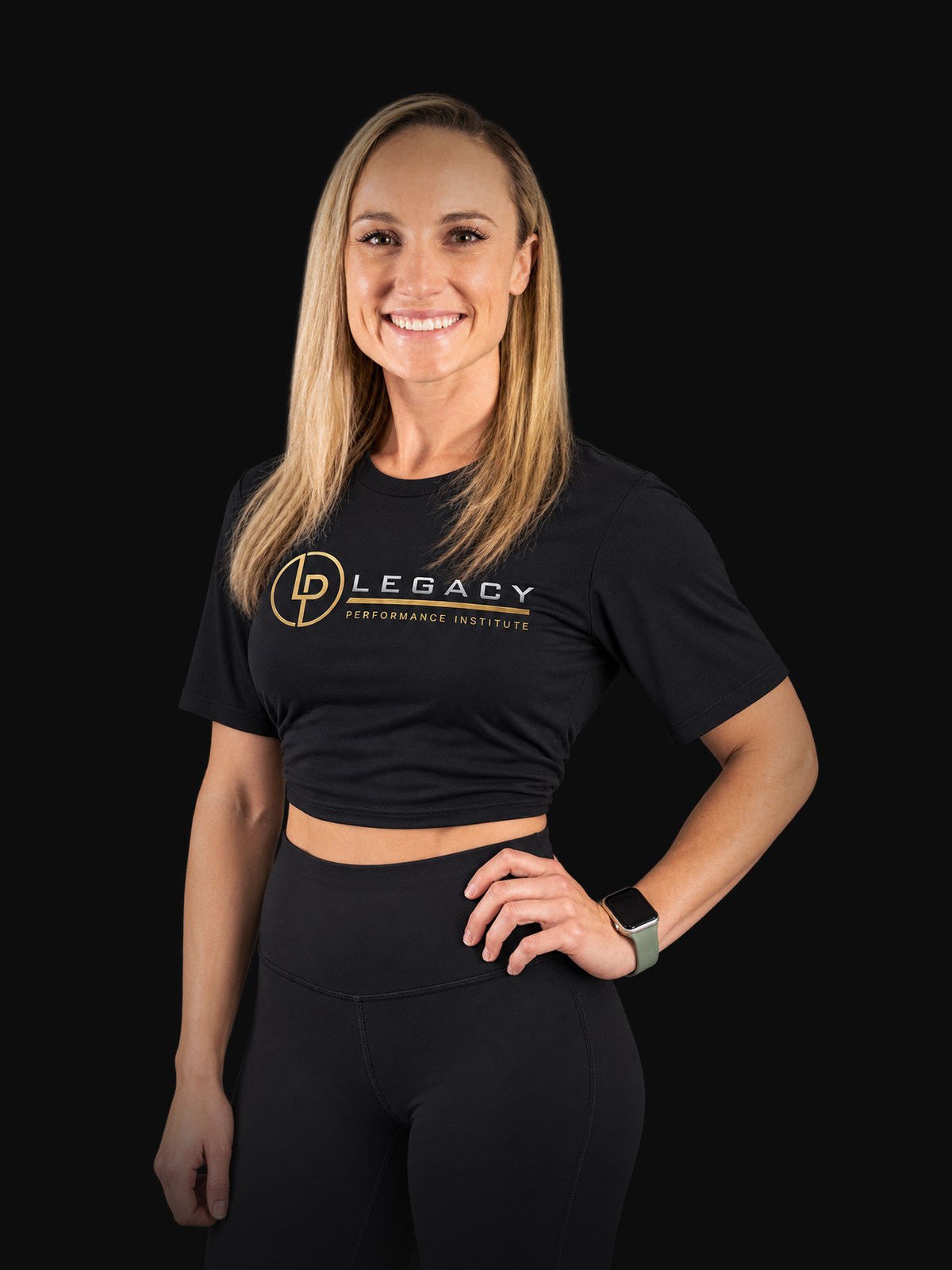
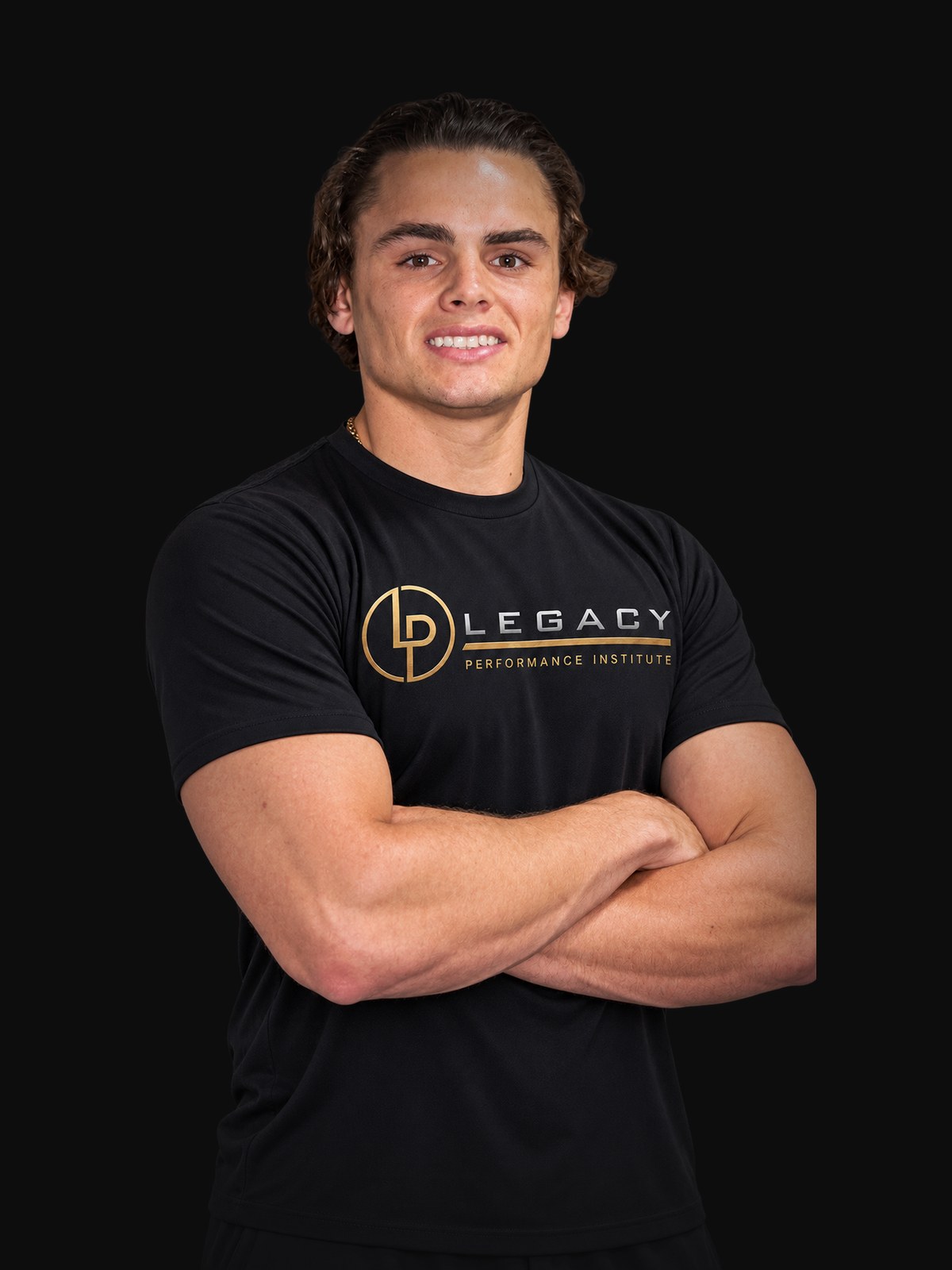
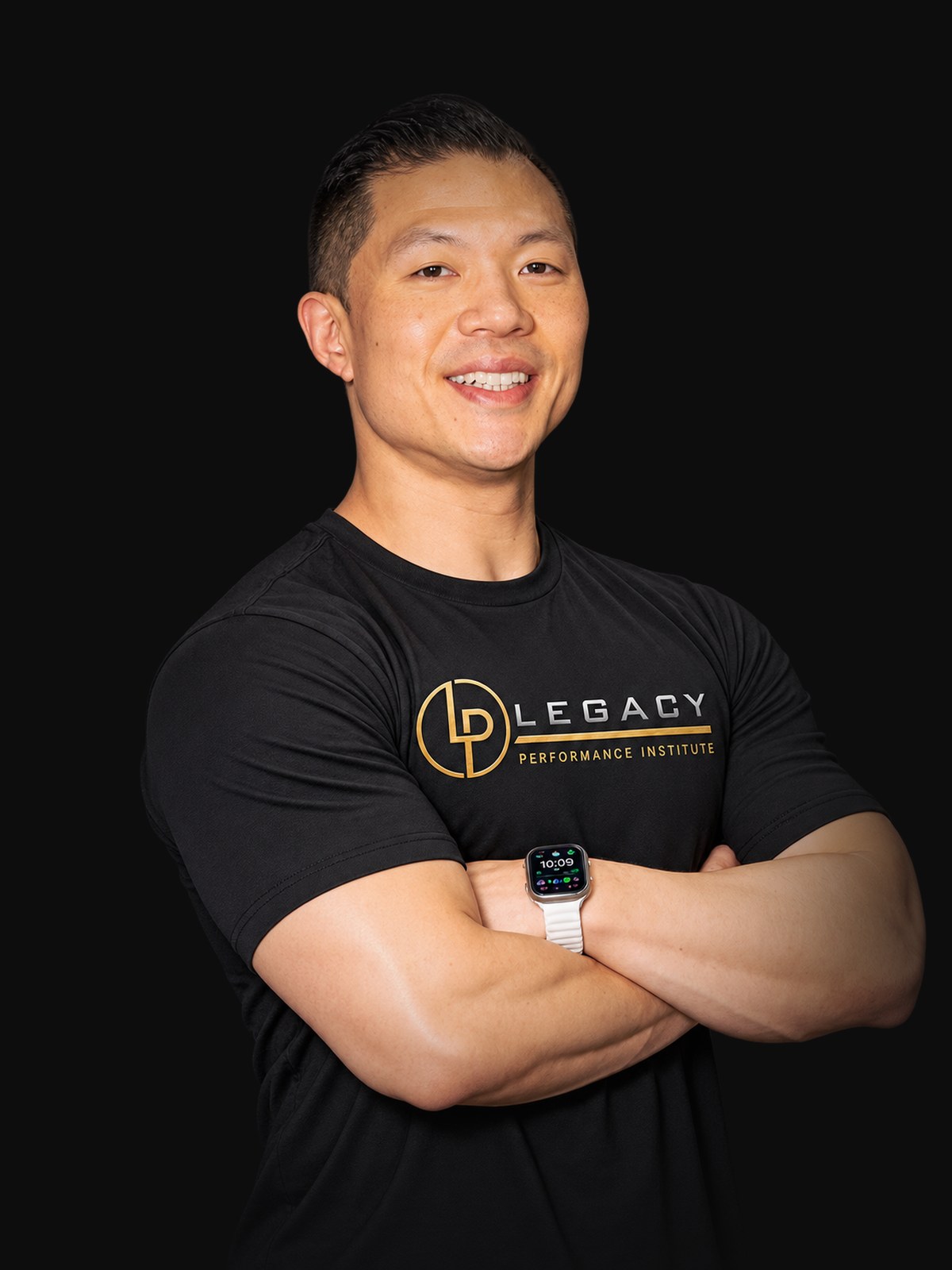
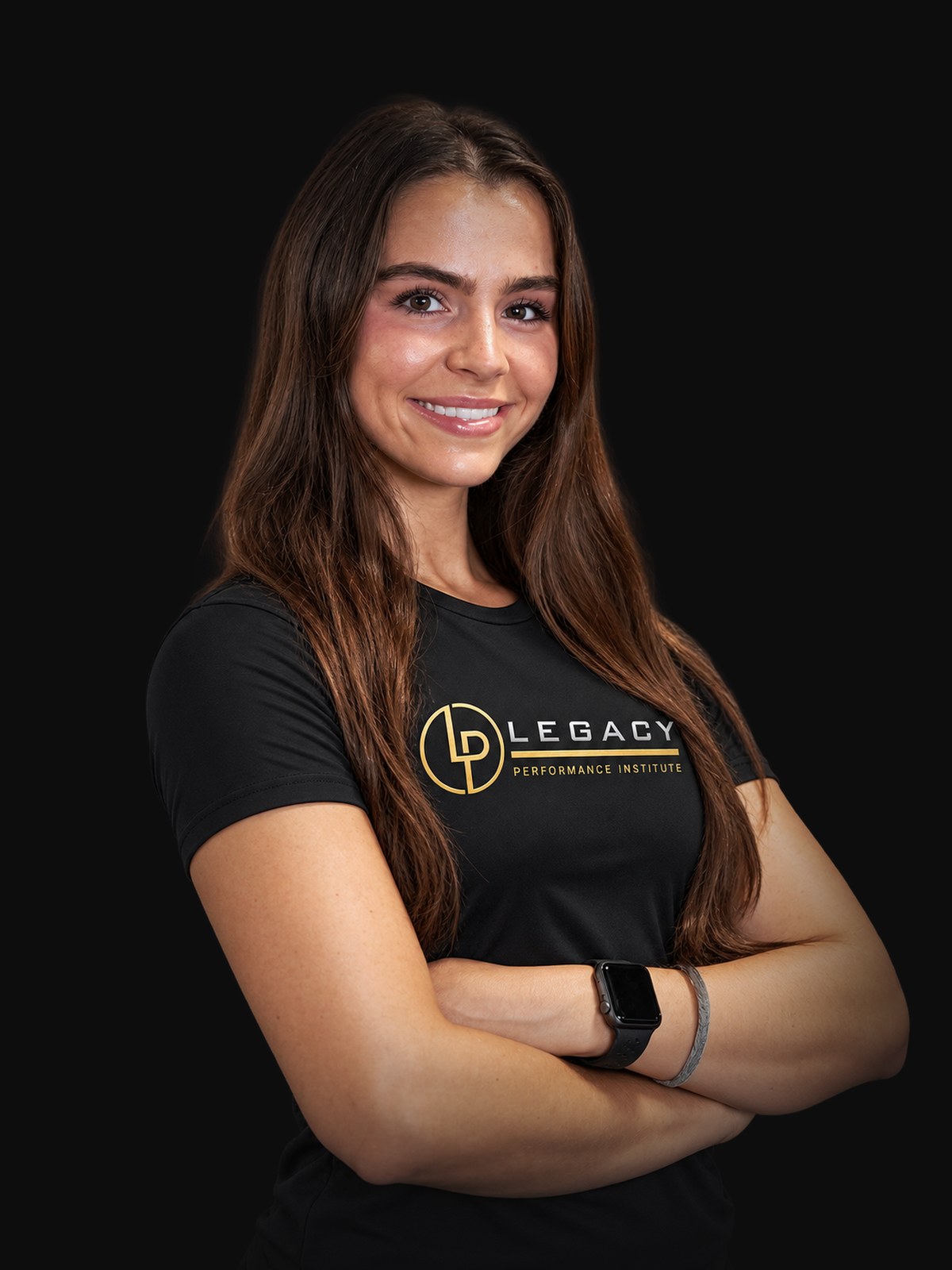
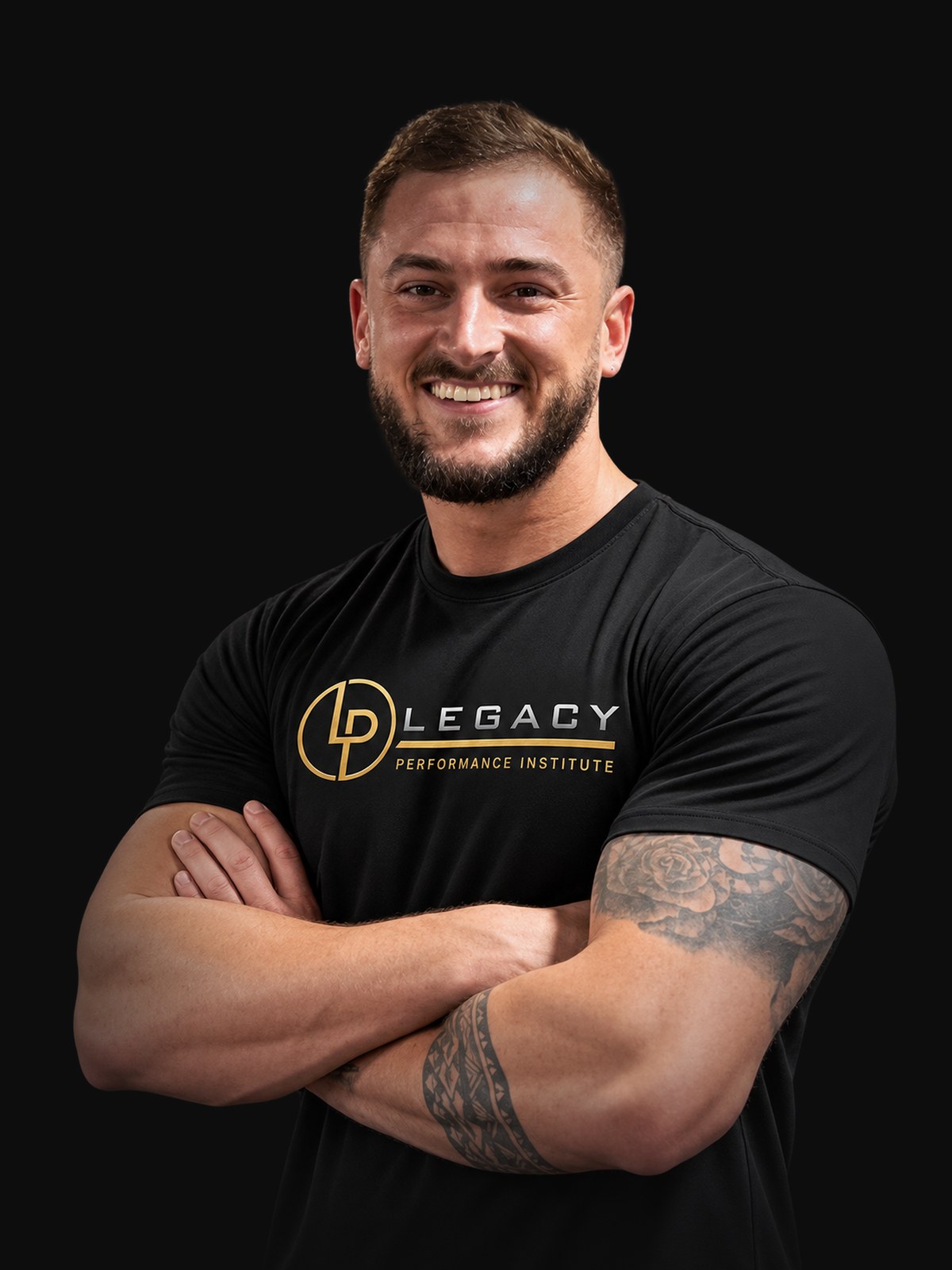
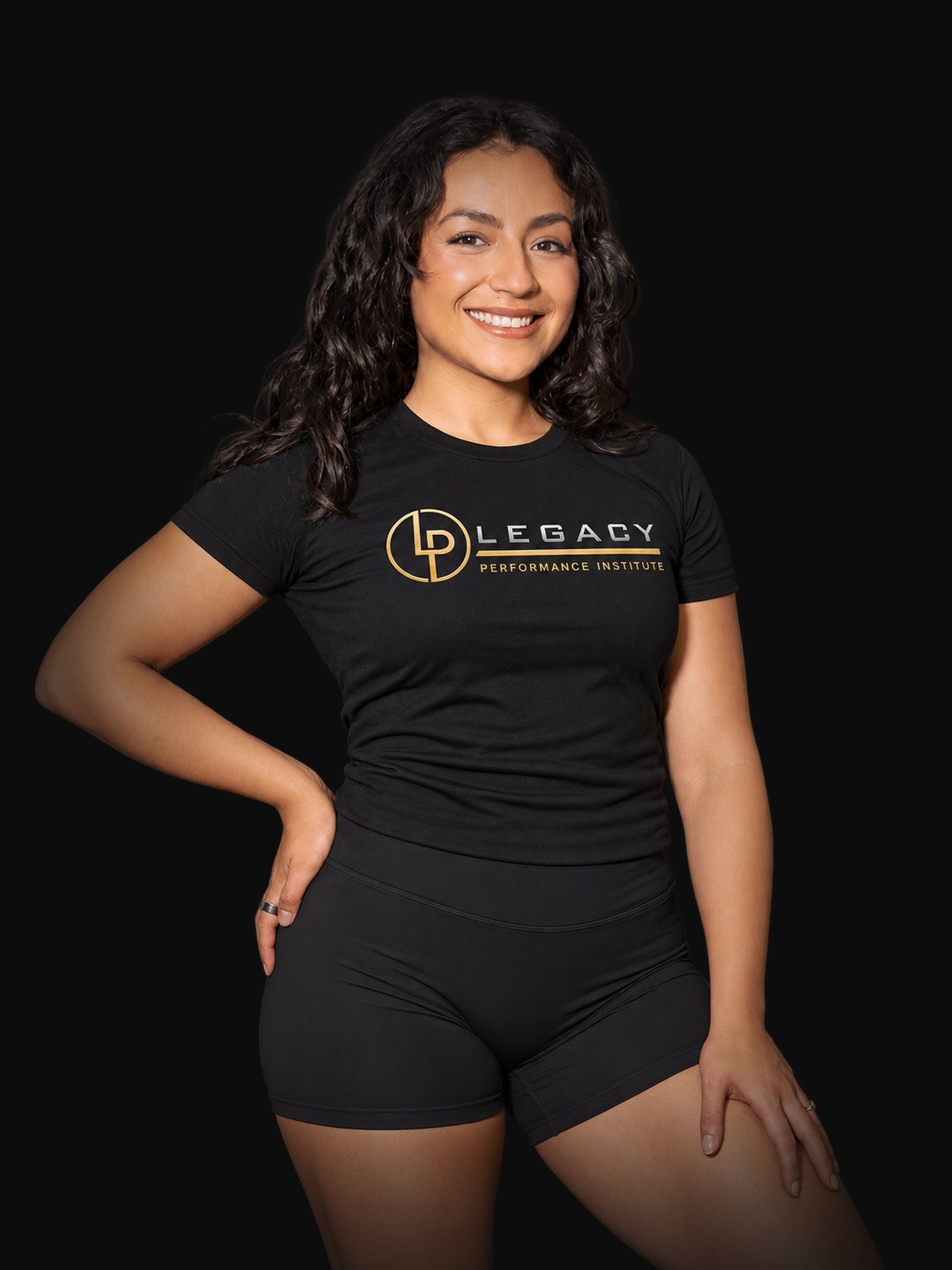
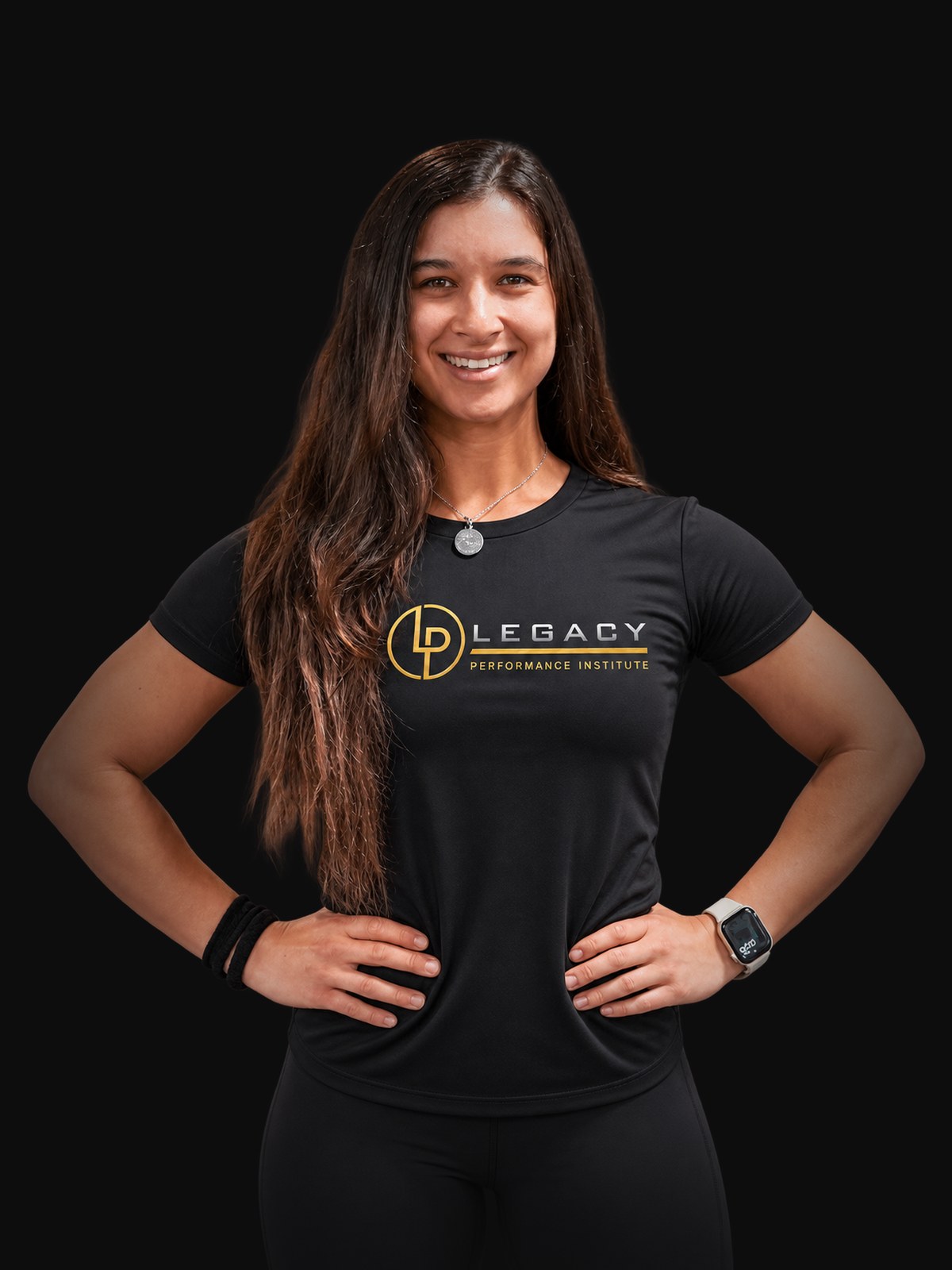
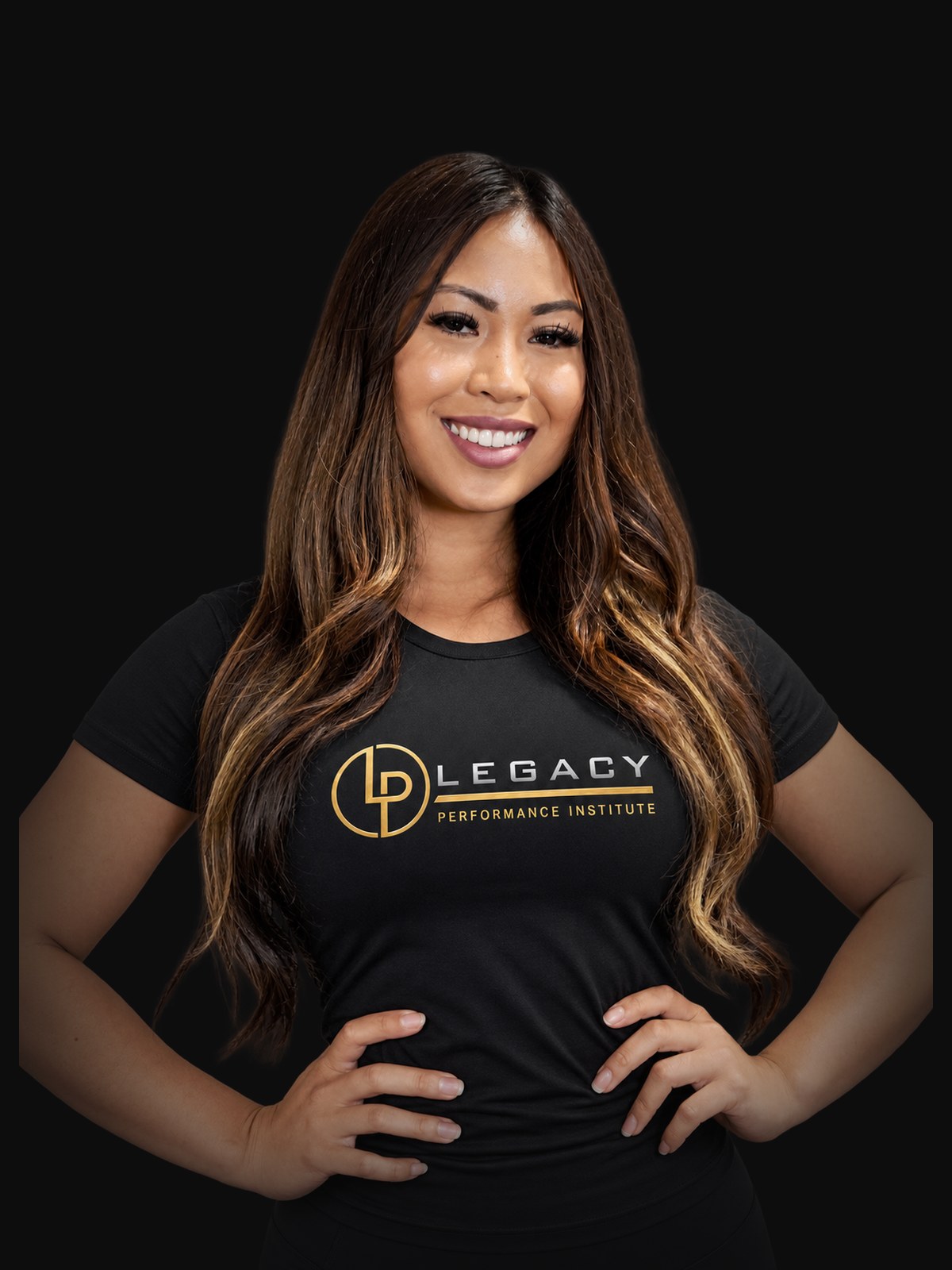
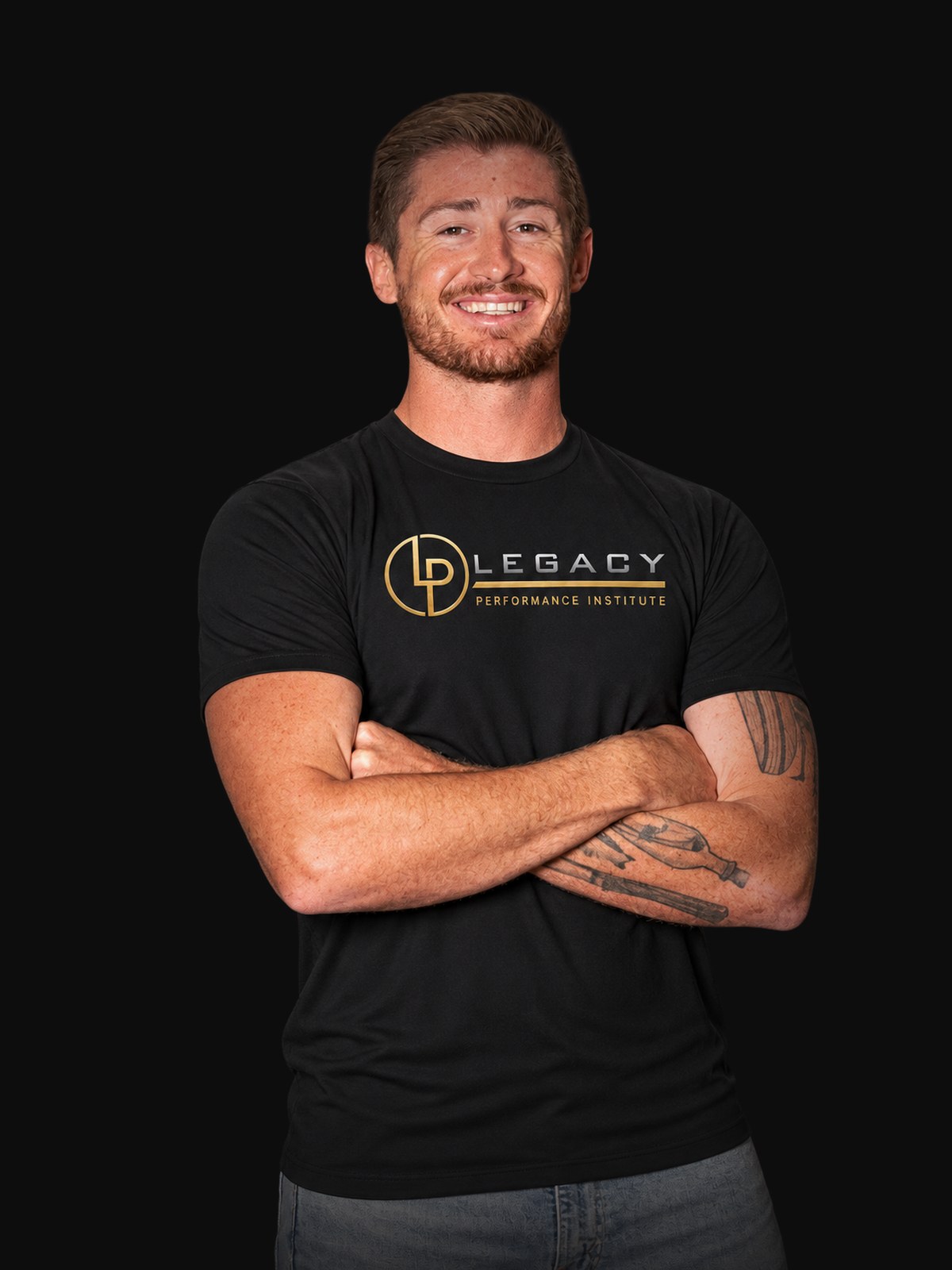
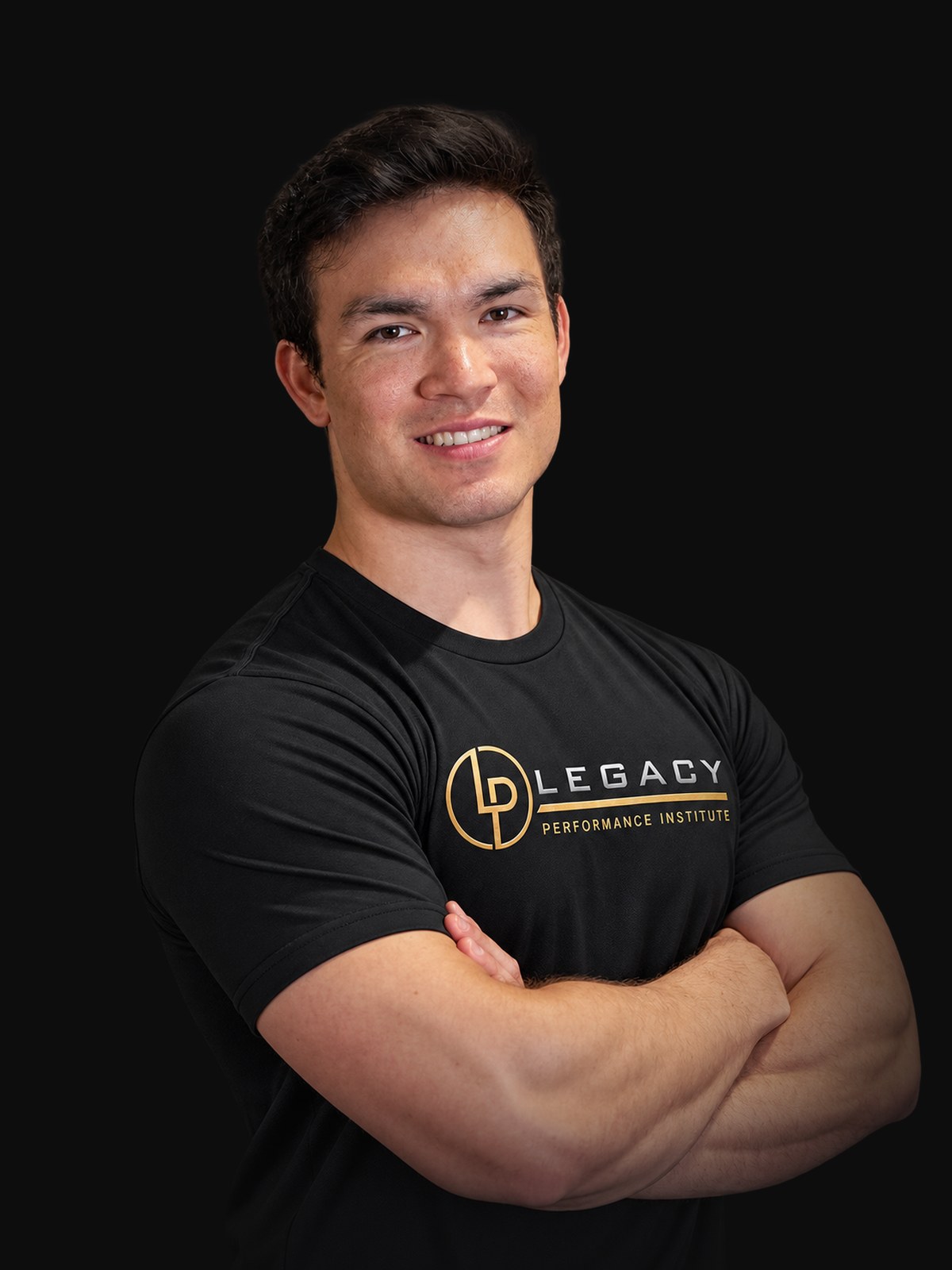
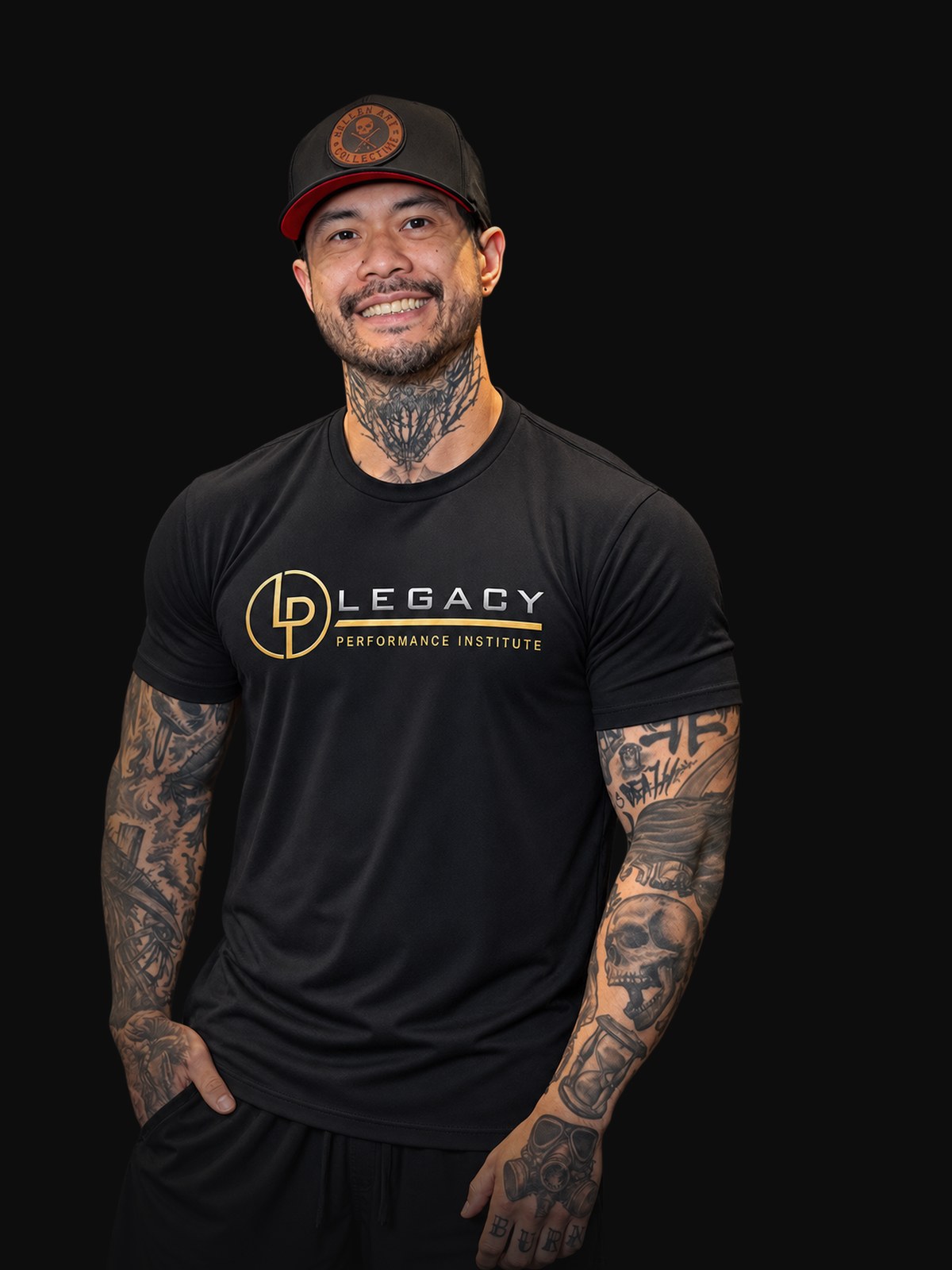
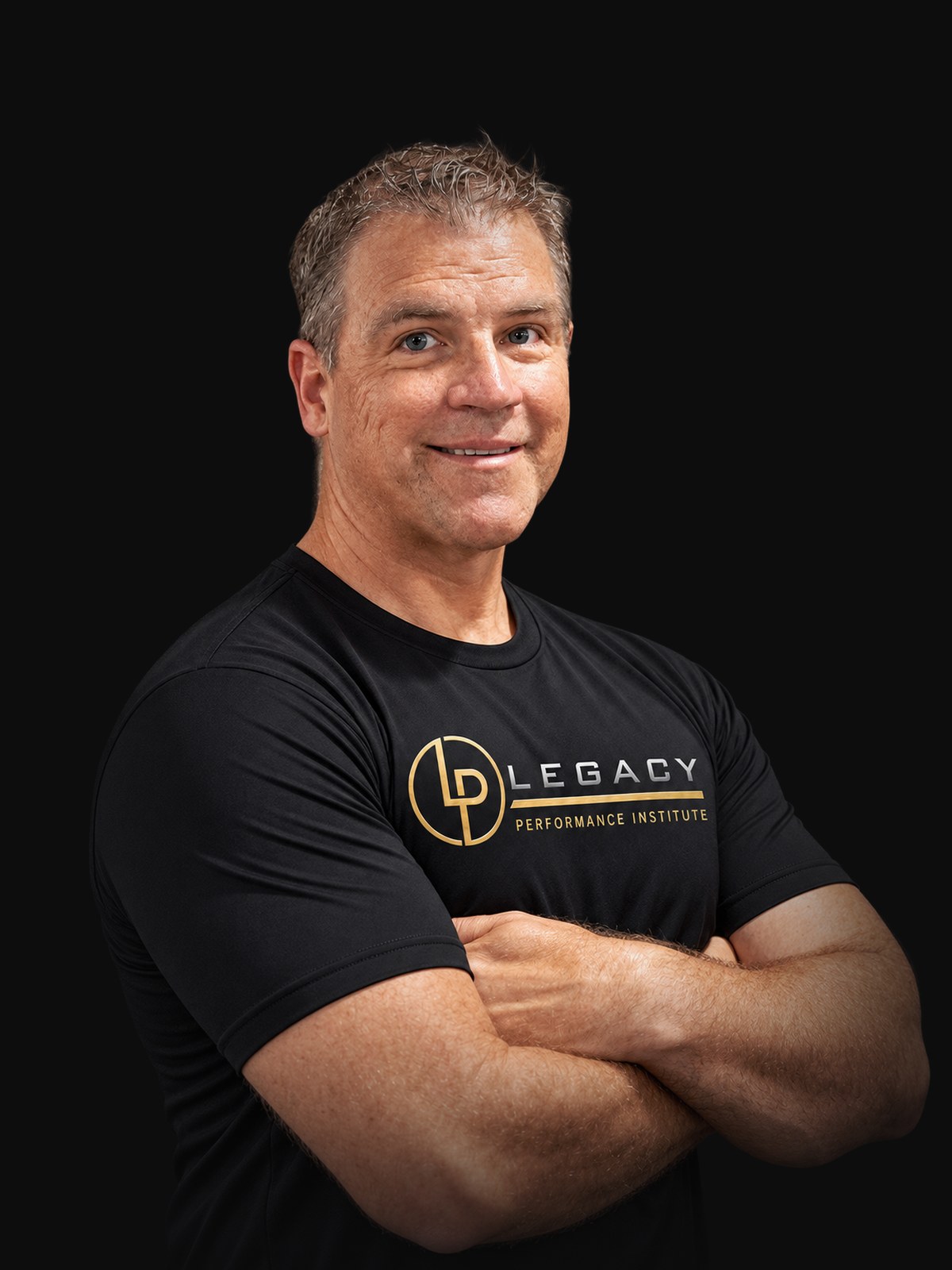
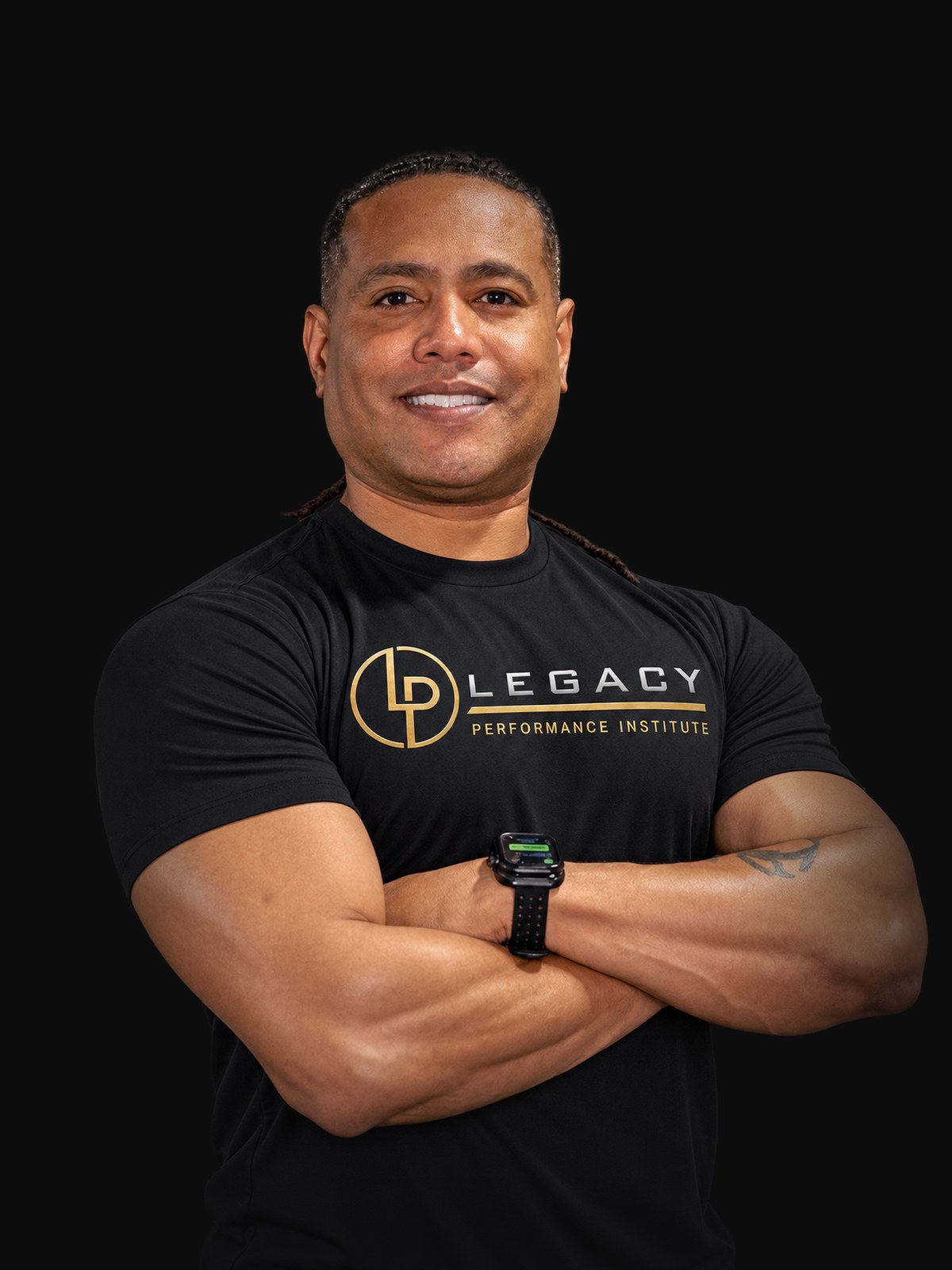
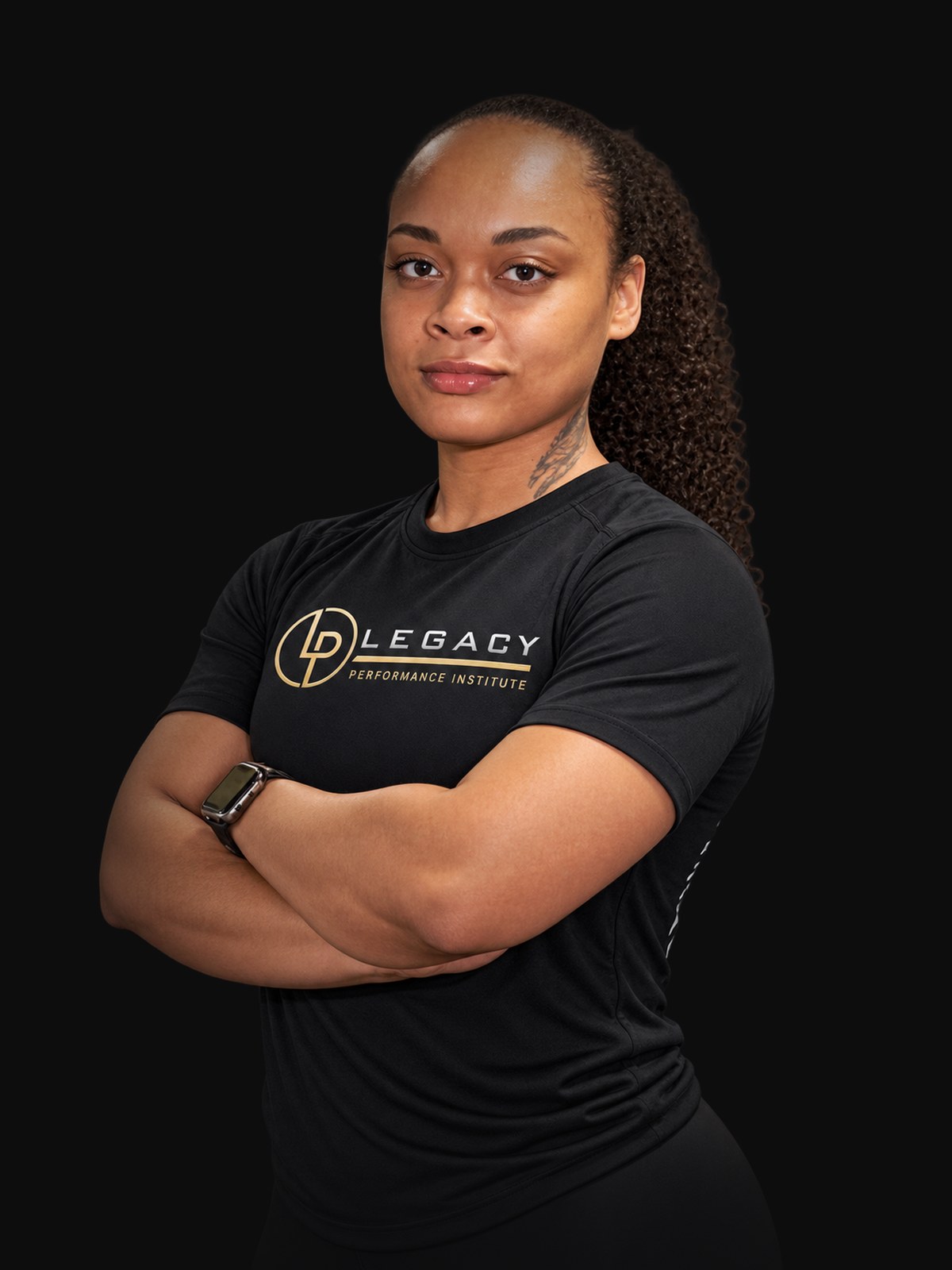
Every coach here names this specialty on their own profile. Open one to read their story, then request a free introduction.

See all 39 Del Mar coaches →

Myofascial Release

What it is, and what it is not

Most of what happens in a training context is self-myofascial release: you roll a foam roller or ball along a muscle, pause on tender spots and breathe. A coach teaches where to roll and for how long. Hands-on manual therapy is a different matter; depending on the technique, it may fall within the scope of licensed professionals such as massage therapists or physical therapists. Ask any coach which techniques they use and what training they have in them.

Massage balls, sticks and rollers of different densities all fall under this umbrella, and the right tool depends on the area and your tolerance. A softer roller is usually the place to start.

Myofascial Release

What the evidence broadly says

Some research suggests foam rolling may produce short-term gains in range of motion and may reduce perceived muscle soreness after hard training, without clearly hurting performance when done beforehand. The effects appear modest and temporary, and the mechanism is still debated; it may have more to do with how the nervous system responds to pressure than with physically changing fascia. Treat it as a warm-up or cool-down tool rather than a fix.

Myofascial Release

Safety, and who should check first

Avoid rolling directly over bones, joints, the front of the neck, or areas with bruising, open wounds or recent injury. People with clotting disorders or on blood thinners, people with osteoporosis, varicose veins or nerve conditions, and anyone who is pregnant should check with a physician first. Pain that is sharp, radiates or causes numbness is a reason to stop.

Myofascial Release

How coaches use it

Coaches who use myofascial work typically spend a few minutes on it at the start of a session to prepare tight areas, between sets for a stubborn spot, or at the end as part of a cool-down. At your free introduction at Legacy Del Mar, ask how a coach uses it, how much session time it takes, and how they would teach you to do it at home.

Coaches in this listing work across very different goals, so the time spent on rolling varies widely from one to the next.

How It Is Coached

Corrective Exercise at Legacy.

Corrective exercise looks at how you move, finds the patterns that are limited, compensated or painful, and builds a program of mobility, activation and strengthening to improve them. It is training, not medical treatment, and good coaches coordinate with your physician or physical therapist when an injury is involved.

01

A movement assessment

Posture, range of motion and basic movement patterns are screened so the plan targets what is actually limiting you.

02

Targeted mobility and activation

Short, specific drills open restricted areas and wake up underused muscles before and between strength work.

03

Strength built through better positions

Once a pattern improves, it is loaded progressively so the gain holds up under real weight and real life.

04

Clear boundaries

Coaches do not diagnose or treat injuries. Pain that is new, severe or lasting should be seen by a medical professional first.

Who it suits
  • People with stiffness, postural habits or nagging aches from desk work or past injuries
  • Lifters and athletes who want to move better and stay training
  • Those returning to exercise after time off
  • Anyone cleared by a clinician and looking for the next step after rehab
Related specialties in Del Mar
Further Reading

Guides from the Del Mar coaches.

How long should I roll each area?

Somewhere around 30 to 90 seconds per area is common in practice and in studies. More is not clearly better. Ask your coach for a routine sized to your sessions.

Should it hurt?

Mild discomfort is common; sharp pain is not. Ease off the pressure, and stop if you feel numbness or tingling.

Can myofascial release fix back pain?

It is not a medical treatment. Persistent or severe pain needs evaluation by a physician or physical therapist.

Do I need my own roller?

It helps for practice at home. Ask your coach what density and size suit you before buying.

Is foam rolling the same as stretching?

No. Stretching lengthens a muscle by moving a joint through its range; rolling applies pressure to the tissue. Some coaches pair the two, rolling first and then stretching or moving through the newly comfortable range.

Which coaches at Legacy Del Mar offer myofascial release?

Andy Mog, Anna Zittel, Anthony Dain, Aqilah, Austin Camacho, Bree Norton, Caden Sears, Charlie Torres, Chris Koo, Dacey Perez, Eli Harned, Emely Gonzalez, Emma Warren, Fate Villa, Jaclyn Nguyen, Joel Maddock, Jonathan Fong, Kevin Lee, Mark Kern, Martin Jones, Maya Smith, Mo Ghori, Nima Naraghi, Randy Etheridge, Wiam Yaldo. Each one lists myofascial release on their own Legacy profile. Open any profile to read their background and request a free introduction.

Where do myofascial release sessions take place?

At Legacy Performance Institute Del Mar, 12264 El Camino Real, Suite 60, San Diego, CA 92130. Hours: 5:00 AM – 10:00 PM, seven days · 24/7 for VIP Access members.

How much does it cost?

Coaching is priced by each coach, typically per session or as a package, and quoted after your free introduction. No membership is required to train with a coach. Coaching is booked directly with the coach you choose.

Do I need experience to start?

No. Your coach starts with an assessment and builds the program to your level. Your first consultation and introductory session with a Legacy coach is free, with no obligation.

Can corrective exercise replace physical therapy?

No. Corrective exercise is coached training. If you are recovering from an injury or surgery, follow your physician or physical therapist first, and ask your coach to work alongside their guidance.

This is general fitness information, not medical advice. Check with your physician before starting a new exercise or nutrition program, especially if you have a medical condition, an injury, or are pregnant.

Start Here

Start myofascial release with a coach.

Your first consultation and introductory session with a Legacy coach is free, with no obligation. Tell us about your goals and we will match you with the right coach.