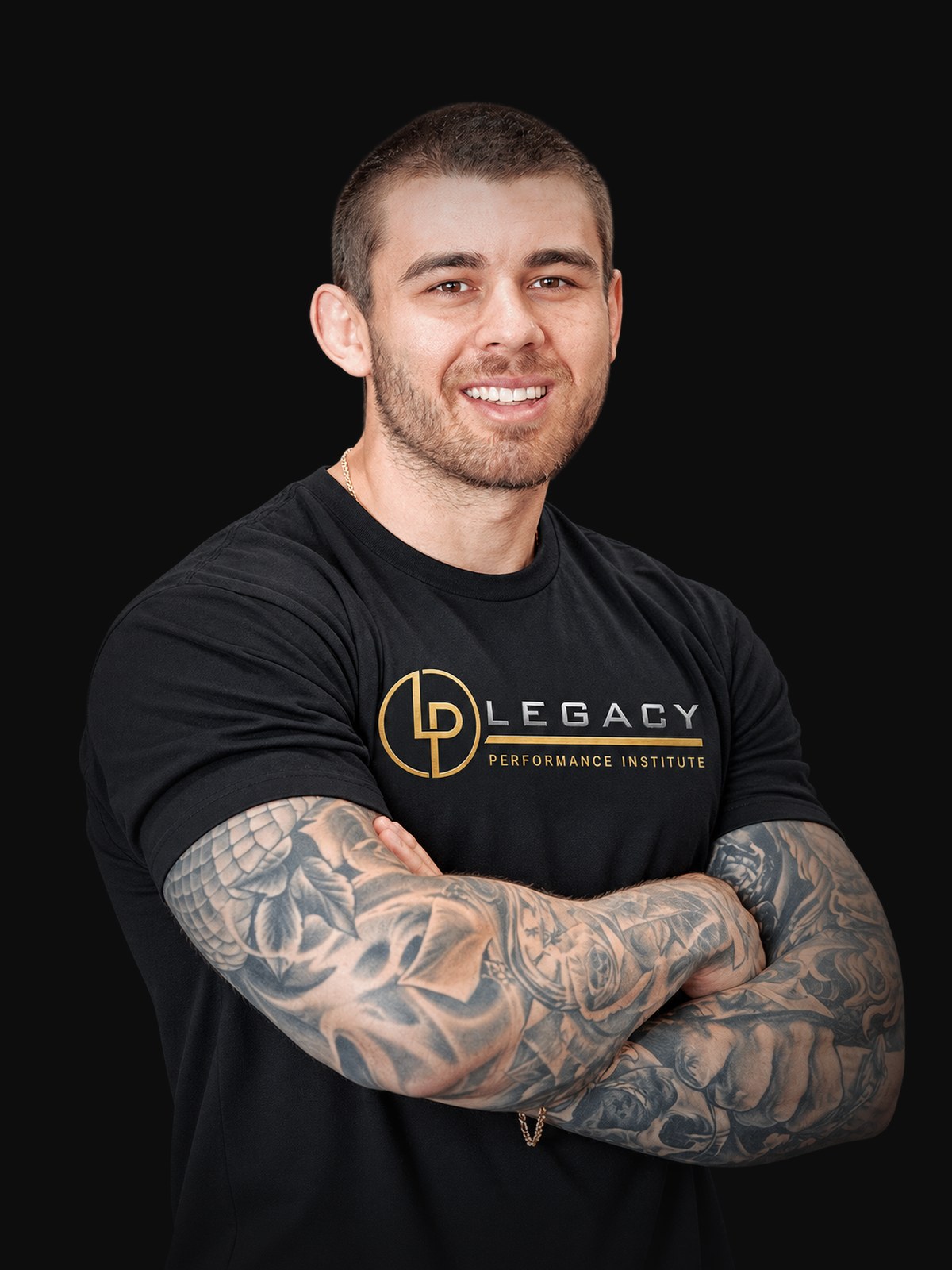
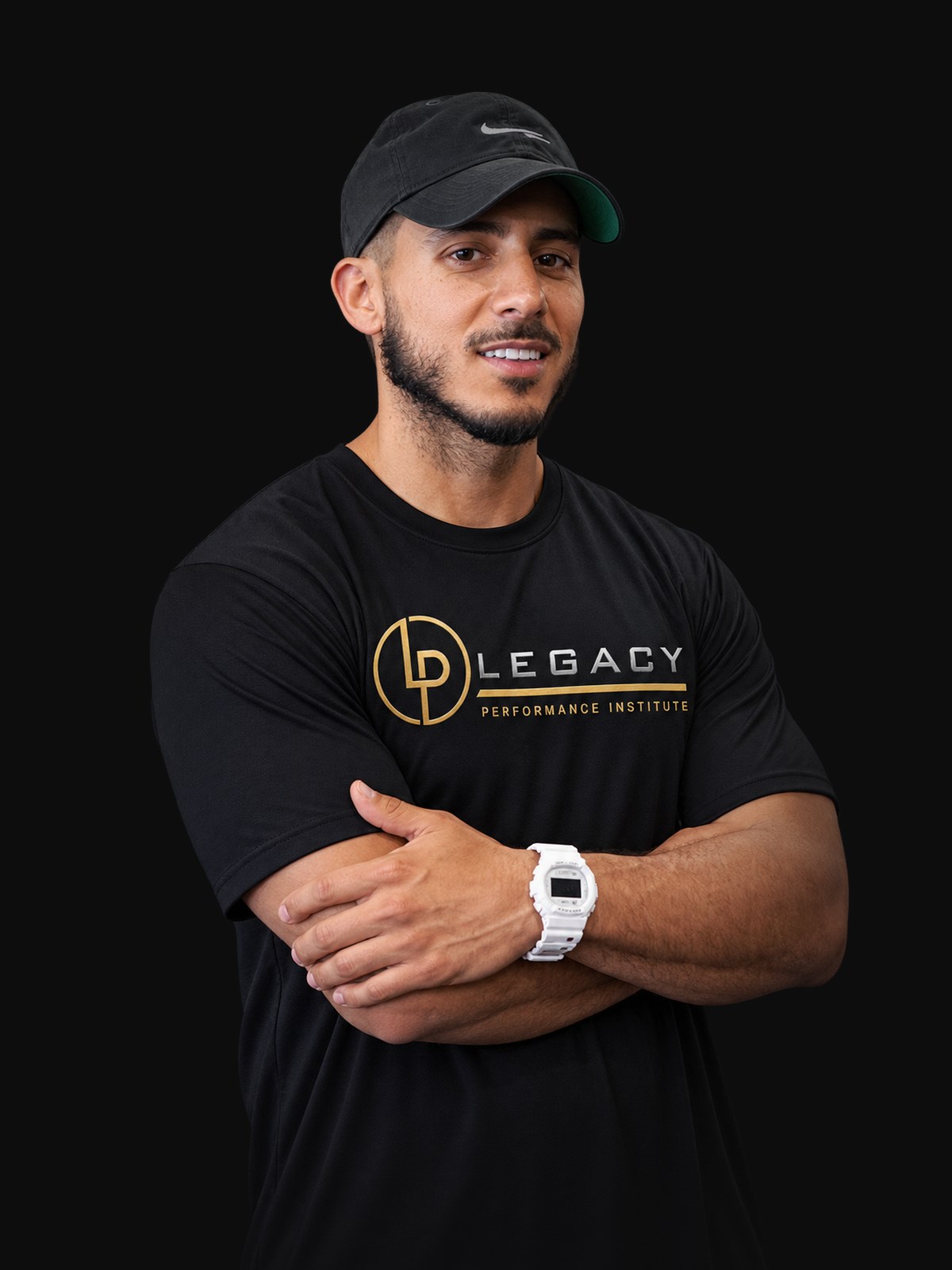
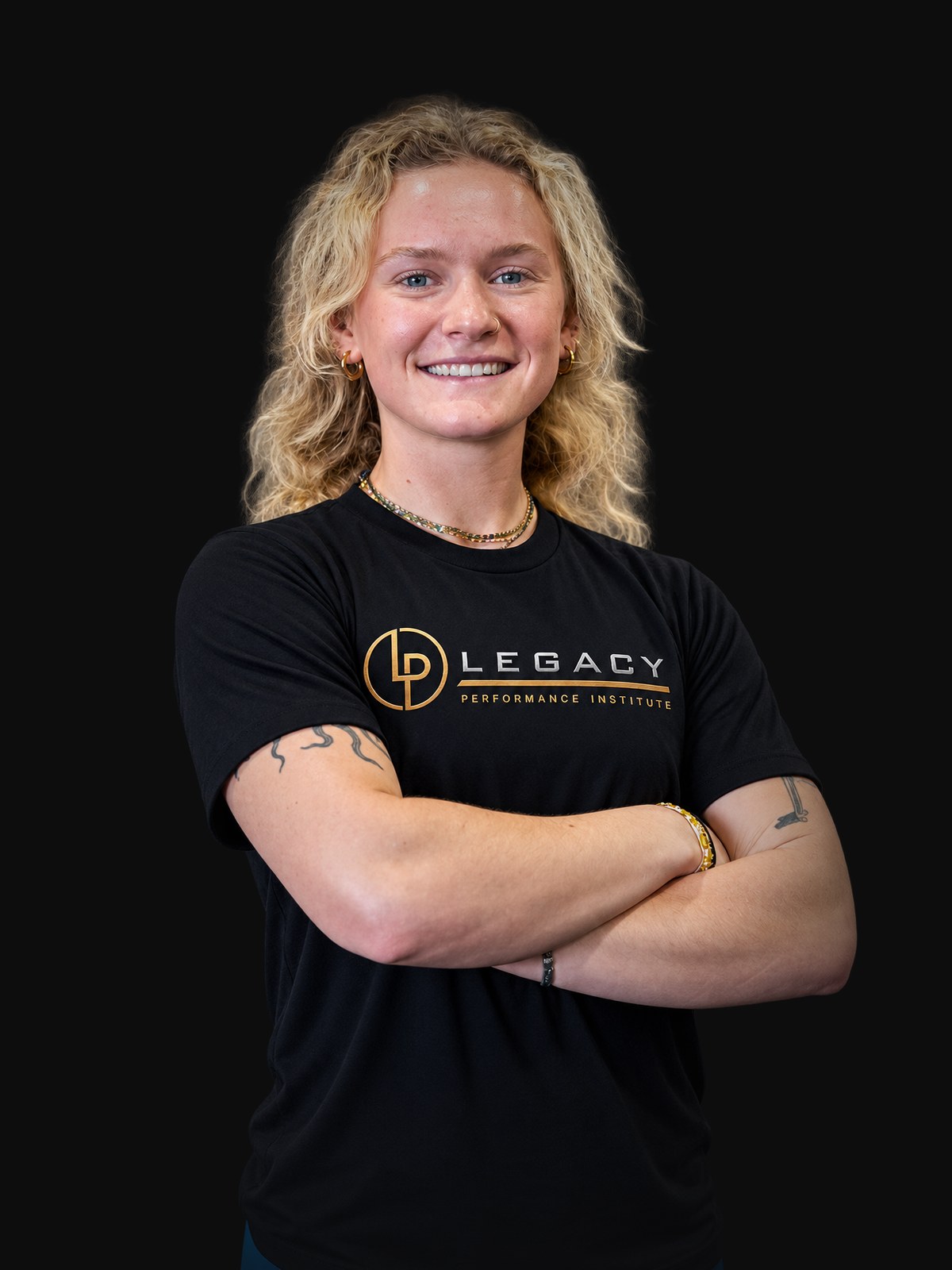
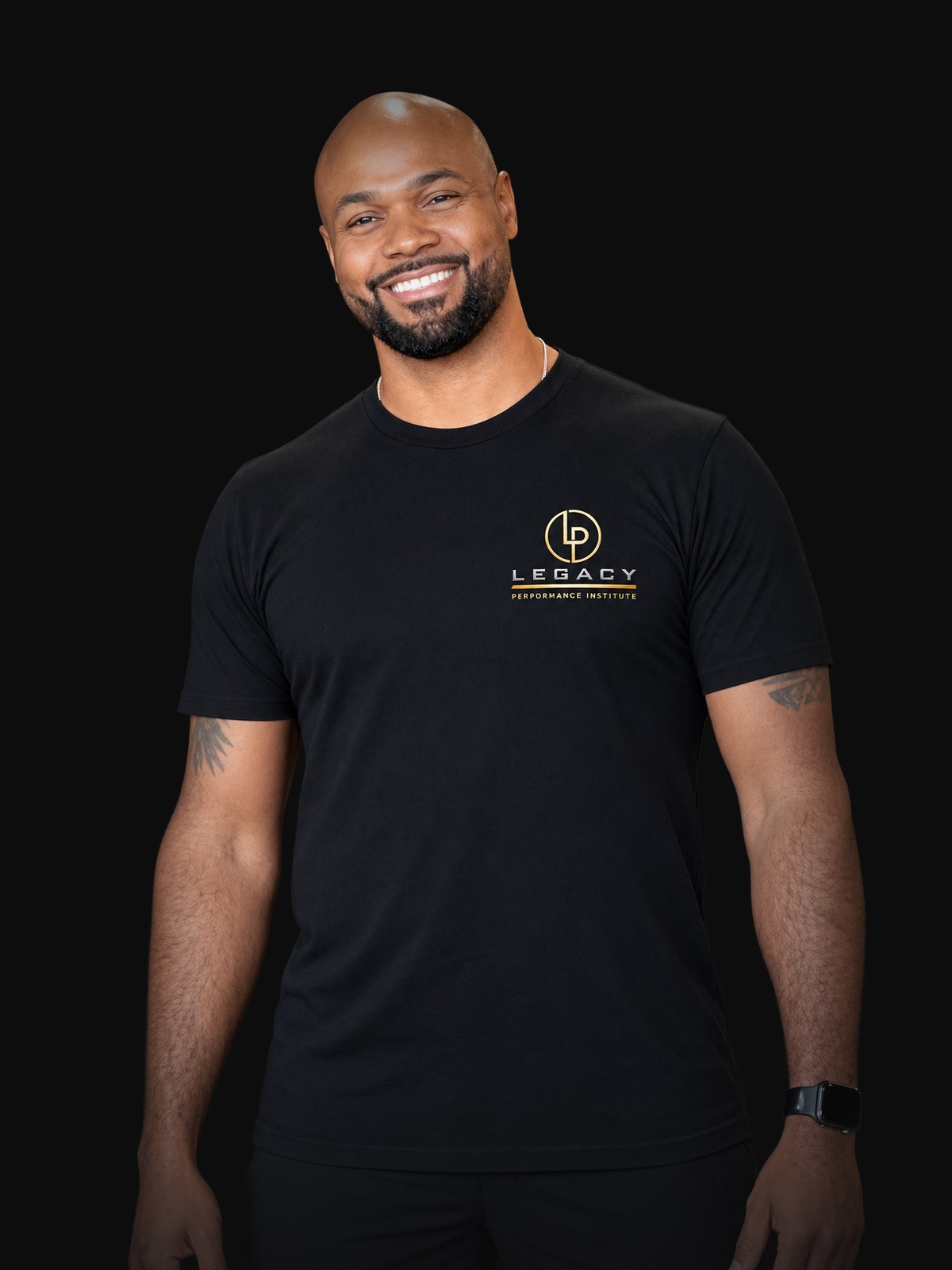
Myofascial release is a set of techniques that apply sustained pressure to muscles and the connective tissue around them, using hands, foam rollers, balls or similar tools. In a training context it usually means self-massage before or after a workout. People in San Diego look for coaches who use it when they feel stiff from desk work, long drives on the 8 or hard sessions on the water. Seventeen coaches at Legacy San Diego include it in their practice.
Every coach here names this specialty on their own profile. Open one to read their story, then request a free introduction.


Some research suggests that foam rolling and similar self-massage may produce short-term improvements in range of motion and may reduce the feeling of muscle soreness after hard exercise. The effects tend to be modest and temporary, and scientists still debate the exact mechanism.
In other words, it can be a useful warm-up or cool-down tool, but it is not a treatment for injury and should not replace care from a physician or physical therapist.
Researchers also note that some of the benefit people feel may come from the nervous system easing tension temporarily rather than any lasting change to the tissue itself.
A coach might have you roll your calves, quads or upper back for a minute or two before squatting, then move straight into mobility drills to use the new range. Others place it at the end of a session or teach you a short routine for home.
Every coach applies it differently. Ask at your introduction how they use it, whether it takes time from your strength work, and which tools they suggest you buy, if any.
Coaches on the Point Loma roster who list it most often focus mainly on strength and performance or general personal training, so in practice it usually serves as a short part of a strength session rather than the main event.
Pressure should feel firm, not sharp. Avoid rolling directly over bones, joints, the front of the neck or areas that are bruised, swollen or recently injured.
Talk with your physician first if you have blood clotting problems, take blood thinners, have osteoporosis, varicose veins, nerve symptoms such as numbness, or are pregnant. Stop and seek medical advice if rolling causes pain that lingers.
Corrective exercise looks at how you move, finds the patterns that are limited, compensated or painful, and builds a program of mobility, activation and strengthening to improve them. It is training, not medical treatment, and good coaches coordinate with your physician or physical therapist when an injury is involved.
Posture, range of motion and basic movement patterns are screened so the plan targets what is actually limiting you.
Short, specific drills open restricted areas and wake up underused muscles before and between strength work.
Once a pattern improves, it is loaded progressively so the gain holds up under real weight and real life.
Coaches do not diagnose or treat injuries. Pain that is new, severe or lasting should be seen by a medical professional first.
It overlaps with massage, but in a coaching session it is usually self-applied with a roller or ball. Hands-on manual therapy is a separate service from licensed massage therapists or physical therapists.
Short bouts of about thirty to ninety seconds per area are common in warm-ups. Your coach can adjust that to your needs.
Gains from rolling alone tend to fade. Lasting change usually comes from regular mobility and strength work through full range, which is why coaches pair the two.
A basic foam roller and a firm ball cover most needs. Ask your coach before buying anything.
Alex Kosinski, Camryn Elyse Wemmer, Coach Bizz Devers, Cody Jensen, Greg Fraser, Jorge Martinez, Kasra Iranpour, Martin Dowers, Michael Alvarado, Mikayla Thoits, Mike Gonzalez, Ryan Pearl, Sarah Vandekar, Teryn Stanley, Tony Palladino, Tyler Durant, Wyatt Wermager. Each one lists myofascial release on their own Legacy profile. Open any profile to read their background and request a free introduction.
At Legacy Performance Institute San Diego, 4030B Sports Arena Blvd, San Diego, CA 92110. Hours: Mon–Fri 6:00 AM – 9:00 PM · Sat–Sun 8:00 AM – 6:00 PM · 24/7 for VIP Access members.
Coaching is priced by each coach, typically per session or as a package, and quoted after your free introduction. No membership is required to train with a coach. Coaching is booked directly with the coach you choose.
No. Your coach starts with an assessment and builds the program to your level. Your first consultation and introductory session with a Legacy coach is free, with no obligation.
No. Corrective exercise is coached training. If you are recovering from an injury or surgery, follow your physician or physical therapist first, and ask your coach to work alongside their guidance.
This is general fitness information, not medical advice. Check with your physician before starting a new exercise or nutrition program, especially if you have a medical condition, an injury, or are pregnant.
Your first consultation and introductory session with a Legacy coach is free, with no obligation. Tell us about your goals and we will match you with the right coach.