

The MethodMembershipCoaches
AboutQ & AContact
Request Access
San Diego · Specialty

Weight Loss coaches in San Diego.

Weight loss coaching helps you lose body fat through a combination of training, everyday activity and eating habits, with a coach keeping the plan realistic. At Legacy San Diego in Point Loma it suits people at the start of the process: those who have tried on their own, stalled, and want structure for the first few months.

The Coaches

Meet the weight loss coaches.

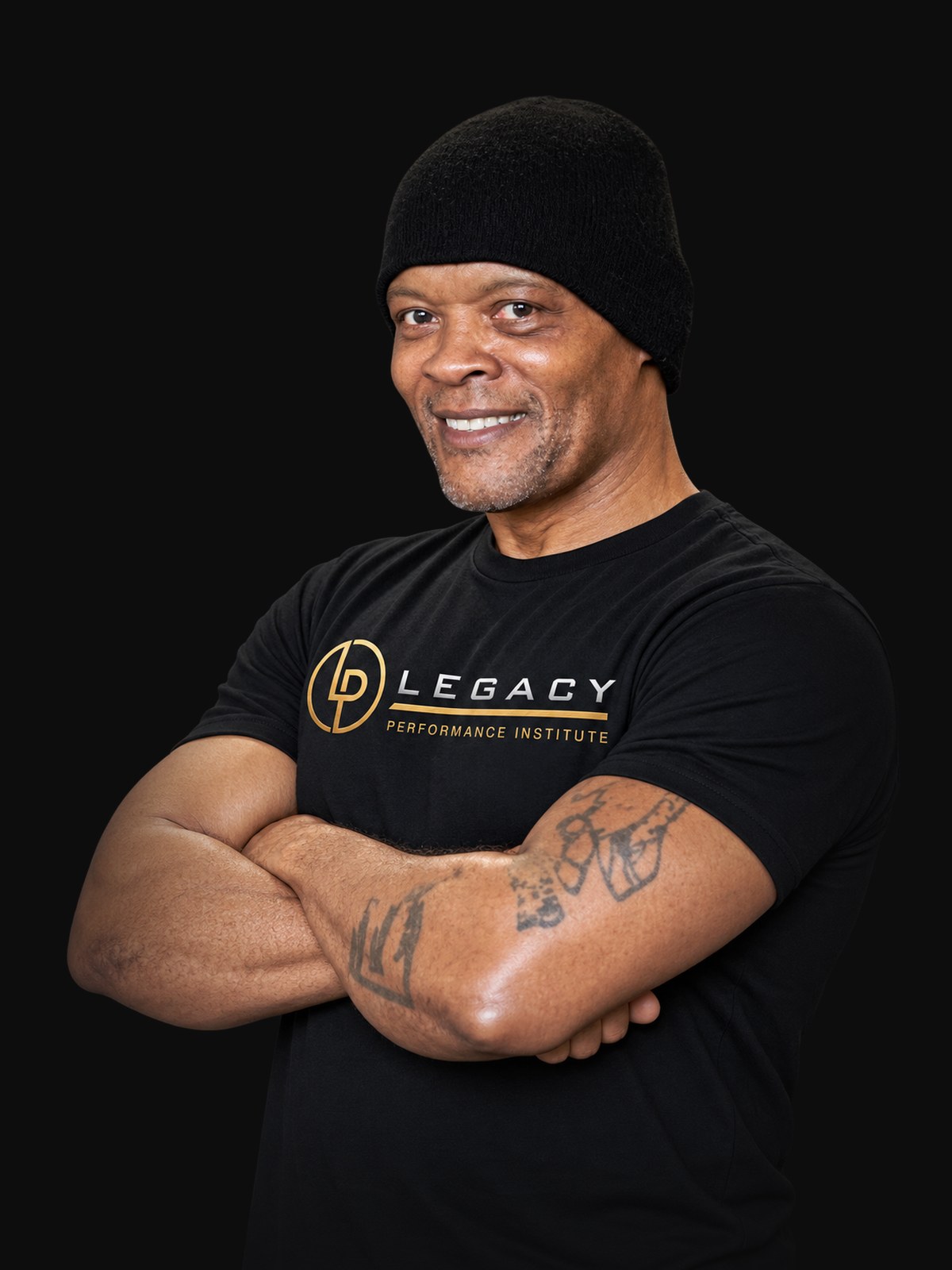
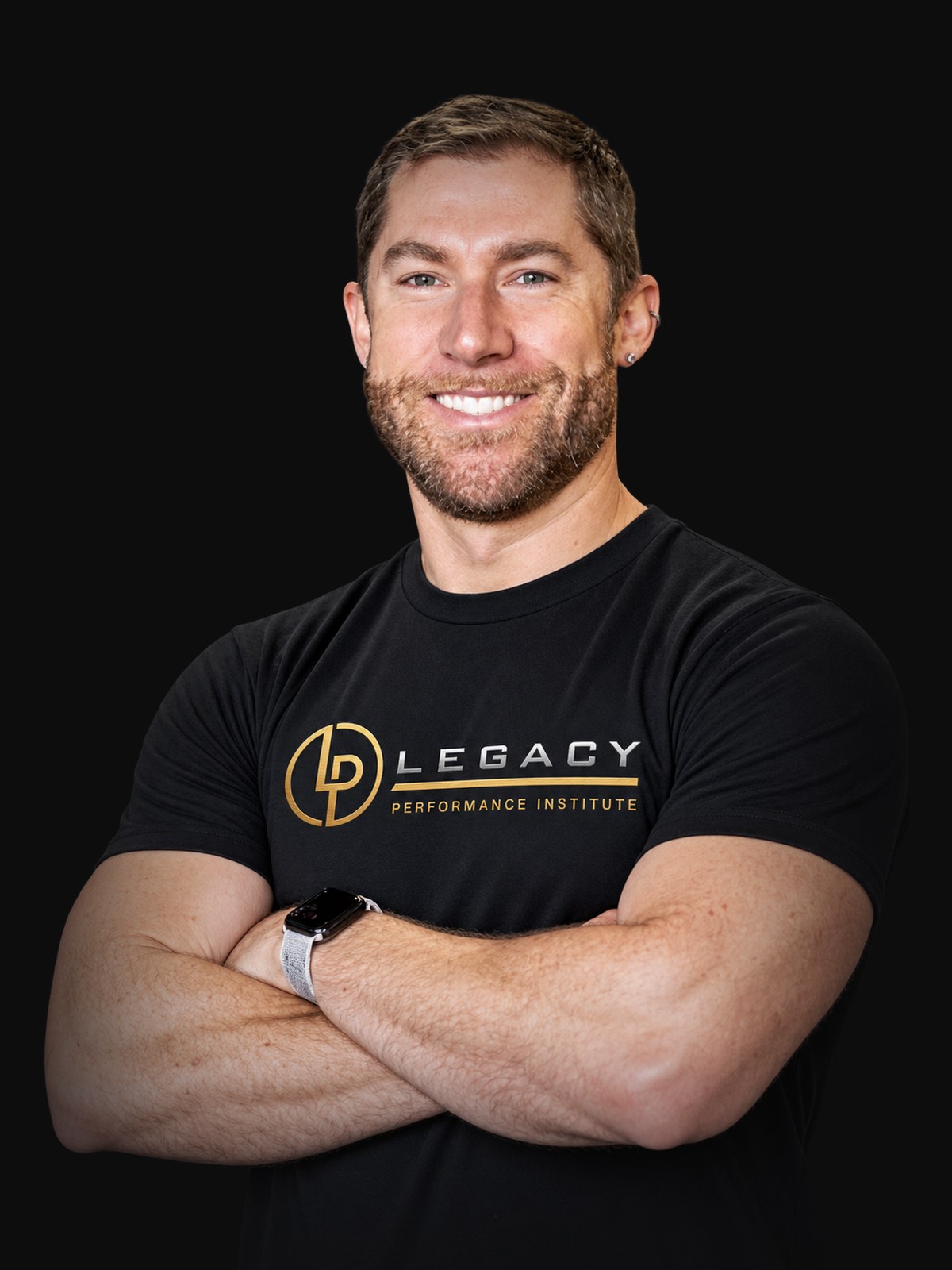
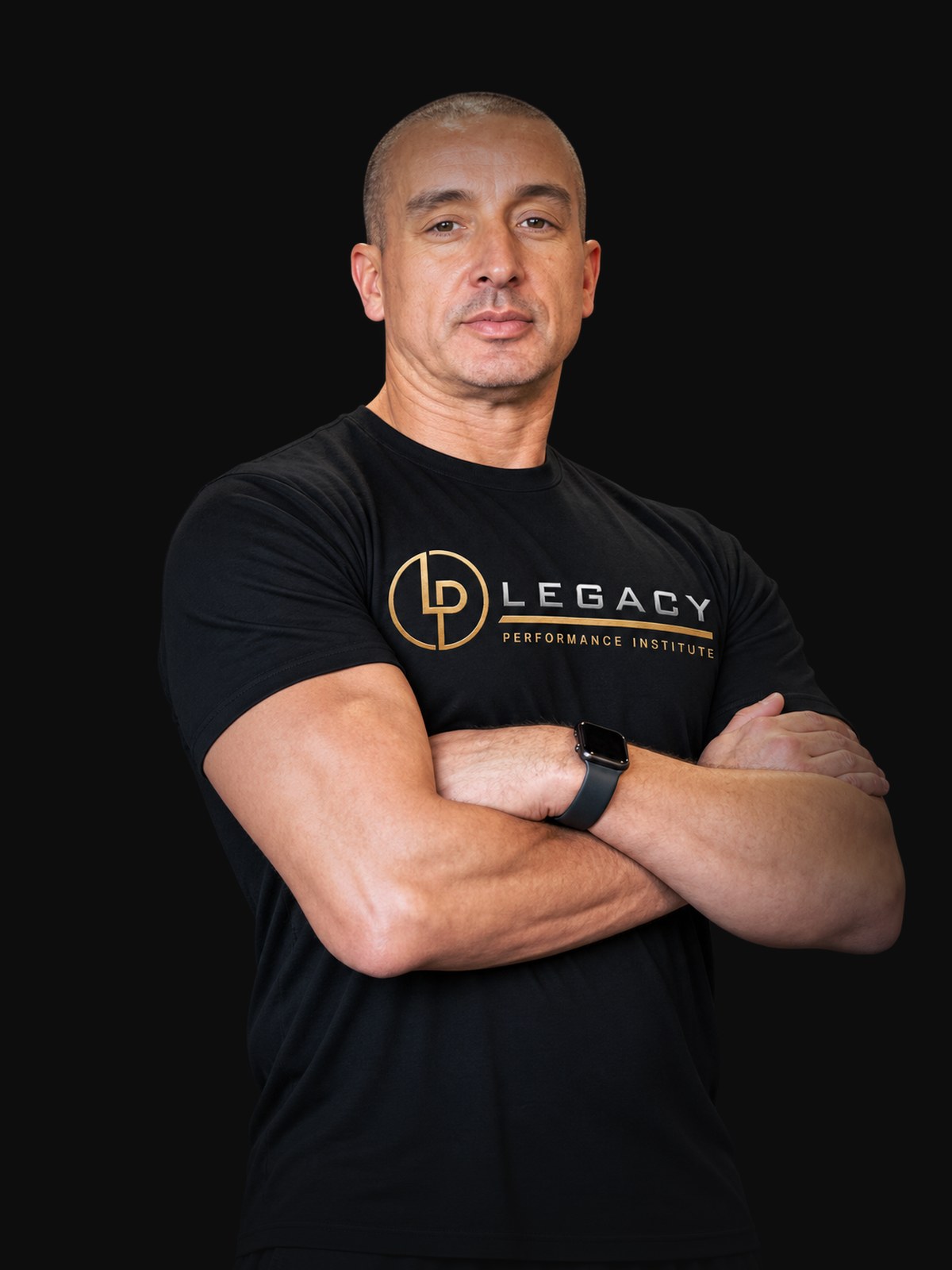
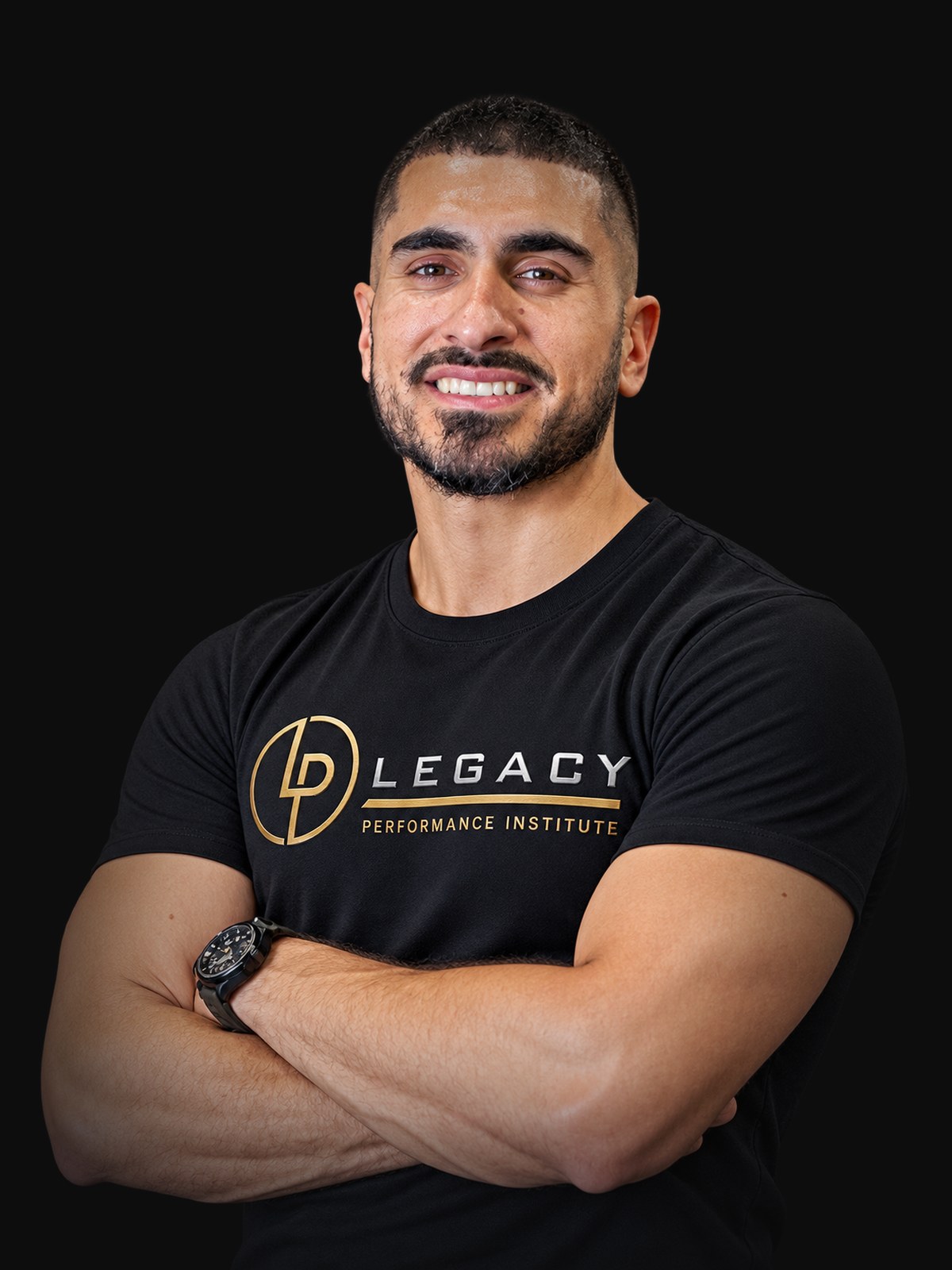
Every coach here names this specialty on their own profile. Open one to read their story, then request a free introduction.

See all 28 San Diego coaches →

Weight Loss

How training supports fat loss

Weight loss comes largely from eating somewhat less energy than you use over time. Training supports that process in a different way than many people expect. Strength work helps you keep muscle while you lose weight, which matters for how you look, how strong you feel and how easy it is to stay active. Regular movement, both in sessions and in daily life, adds to the energy you use.

Many coaches pay as much attention to your daily step count as to your workouts, because walking the Point Loma hills or a loop of Liberty Station adds up over a week.

Weight Loss

The role of nutrition, and its limits

Coaches who list weight loss usually help with practical eating habits: protein at each meal, more vegetables, planning around work lunches and weekend plans. Some do this in depth; ask at the introduction how much nutrition support a coach provides.

If you have diabetes, a thyroid condition, a history of disordered eating, are pregnant, or take medications that affect appetite or weight, involve your physician and, where appropriate, a registered dietitian. Coaches do not prescribe medical diets.

Weight Loss

What the first months look like

Expect two or three coached sessions a week, a simple strength program, and a few habits to work on at a time rather than a total overhaul. Early weeks are often about consistency: showing up, learning the movements, and finding an eating pattern you can live with.

Weight tends to bounce from day to day with water, salt and sleep, so a coach will usually look at the weekly trend instead of a single weigh-in.

Weight Loss

Measuring progress beyond the scale

Useful markers include waist and hip measurements, how clothes fit, progress photos taken in the same light, strength gains, and energy through the day. Some people lose inches while the scale barely moves, especially when they are new to strength training.

How It Is Coached

Body Recomposition at Legacy.

Body recomposition is the goal of losing fat and building or keeping muscle at the same time, so the scale matters less than what the body is made of. It is slower to read on a bathroom scale and more durable than a crash diet, because the training signal that tells the body to keep muscle stays on while energy intake is managed.

01

A baseline first

Your coach records starting measurements, movement quality, training history and current eating habits, so progress is compared with your own numbers rather than a generic target.

02

Resistance training as the engine

Programs are built around progressive strength work for the major muscle groups, with the load, volume and rest chosen for your experience level and schedule.

03

Nutrition that fits your life

Food guidance is practical: protein targets, meal timing that matches your day, and adjustments when progress stalls. Coaches work within their scope and refer out for medical nutrition needs.

04

Check-ins and adjustments

Measurements, photos, training logs and how you feel are reviewed on a schedule, and the plan changes when the data says it should.

Who it suits
  • People who want to lose fat without losing the muscle they have
  • Lifters who have plateaued and want a structured approach
  • Anyone who has dieted before and regained the weight
  • Newer trainees who want shape and strength, not just a lower number on a scale
Related specialties in San Diego
Further Reading

Guides from the San Diego coaches.

How fast should I expect to lose weight?

It varies by person and starting point. A coach will usually aim for a steady pace you can sustain rather than rapid drops, and there is no promised rate.

Do I have to do a lot of cardio?

Not necessarily. Many plans lean on strength training plus more daily walking, with conditioning added as fitness improves.

I'm on a weight-loss medication. Can I still train?

Usually yes, with your prescriber's agreement. Strength training and enough protein are often encouraged alongside medication to help preserve muscle. Tell your coach so they can plan around energy levels.

How do I choose a coach for weight loss?

Look for someone who asks about your schedule, food preferences and past attempts before suggesting anything, and who explains how they will track progress. Your first consultation and introductory session are free, so use them to see whether the approach feels doable for you.

Which coaches at Legacy San Diego offer weight loss?

Alex Kosinski, Andy Mog, Camryn Elyse Wemmer, Coach Bizz Devers, Cody Jensen, Greg Fraser, Jorge Martinez, Kasra Iranpour, Lydia Flowers, Martin Dowers, Michael Alvarado, Mikayla Thoits, Mike Gonzalez, Ryan Pearl, Sarah Vandekar, Teryn Stanley, Tyler Durant, Wyatt Wermager. Each one lists weight loss on their own Legacy profile. Open any profile to read their background and request a free introduction.

Where do weight loss sessions take place?

At Legacy Performance Institute San Diego, 4030B Sports Arena Blvd, San Diego, CA 92110. Hours: Mon–Fri 6:00 AM – 9:00 PM · Sat–Sun 8:00 AM – 6:00 PM · 24/7 for VIP Access members.

How much does it cost?

Coaching is priced by each coach, typically per session or as a package, and quoted after your free introduction. No membership is required to train with a coach. Coaching is booked directly with the coach you choose.

Do I need experience to start?

No. Your coach starts with an assessment and builds the program to your level. Your first consultation and introductory session with a Legacy coach is free, with no obligation.

How long does body recomposition take?

It is gradual by design. Most people see measurable changes in strength and measurements over several weeks, with visible change building over a few months, and the pace depends on training history, consistency, sleep and food. Your coach sets expectations from your own baseline at the free introduction.

This is general fitness information, not medical advice. Check with your physician before starting a new exercise or nutrition program, especially if you have a medical condition, an injury, or are pregnant.

Start Here

Start weight loss with a coach.

Your first consultation and introductory session with a Legacy coach is free, with no obligation. Tell us about your goals and we will match you with the right coach.