
How to Lose Body Fat While Building Muscle: A Del Mar Trainer’s Guide to Body Recomposition
Most clients who walk into our Del Mar facility for the first time want the same thing, even if they phrase it differently.
Competition preparation is training built backward from a date: a physique show, a powerlifting meet, a race, a tournament or a fitness event. People look for a coach who specializes in it when they want help peaking on the right day, managing the final weeks, and handling the pressure of performing.
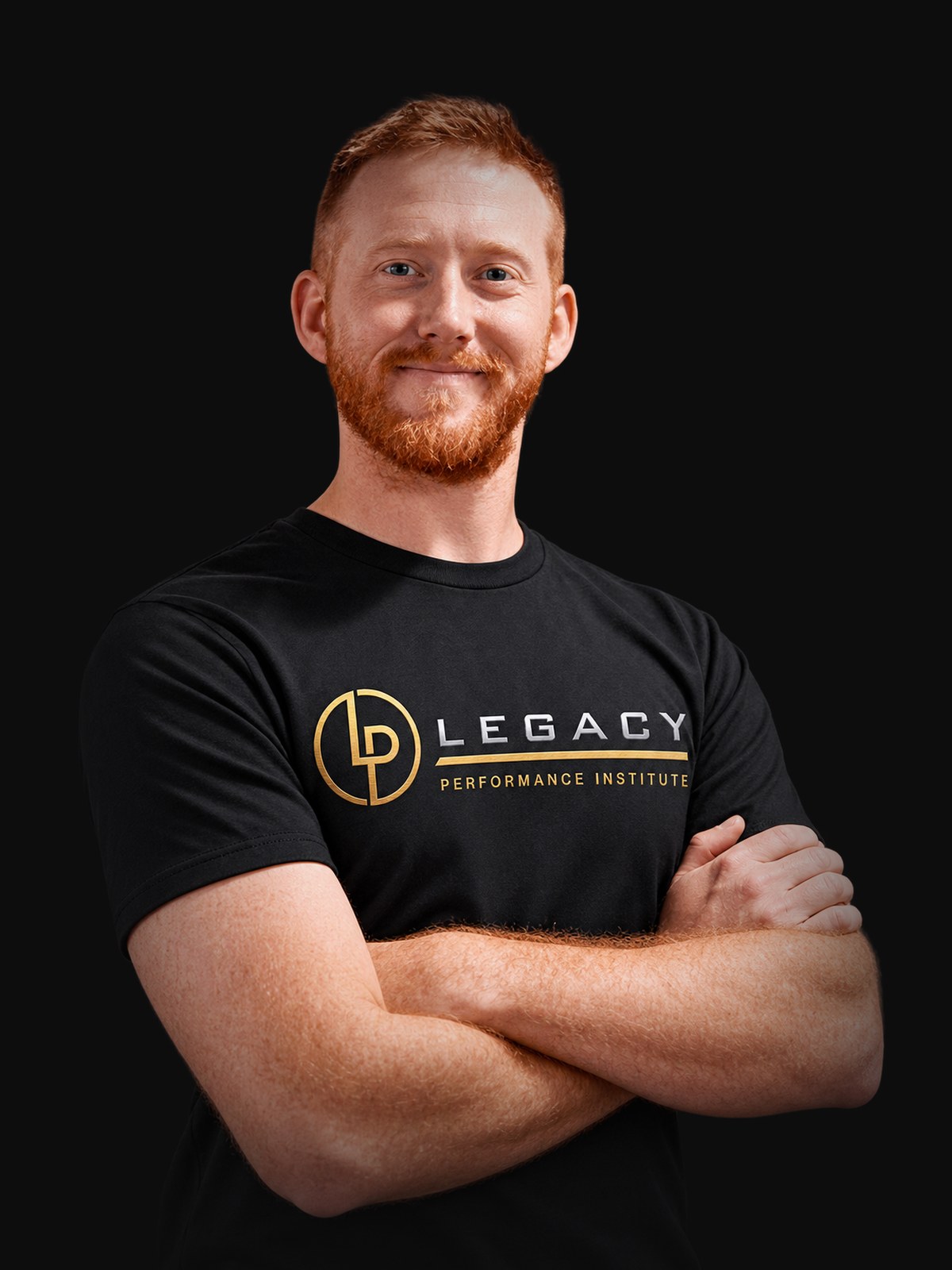
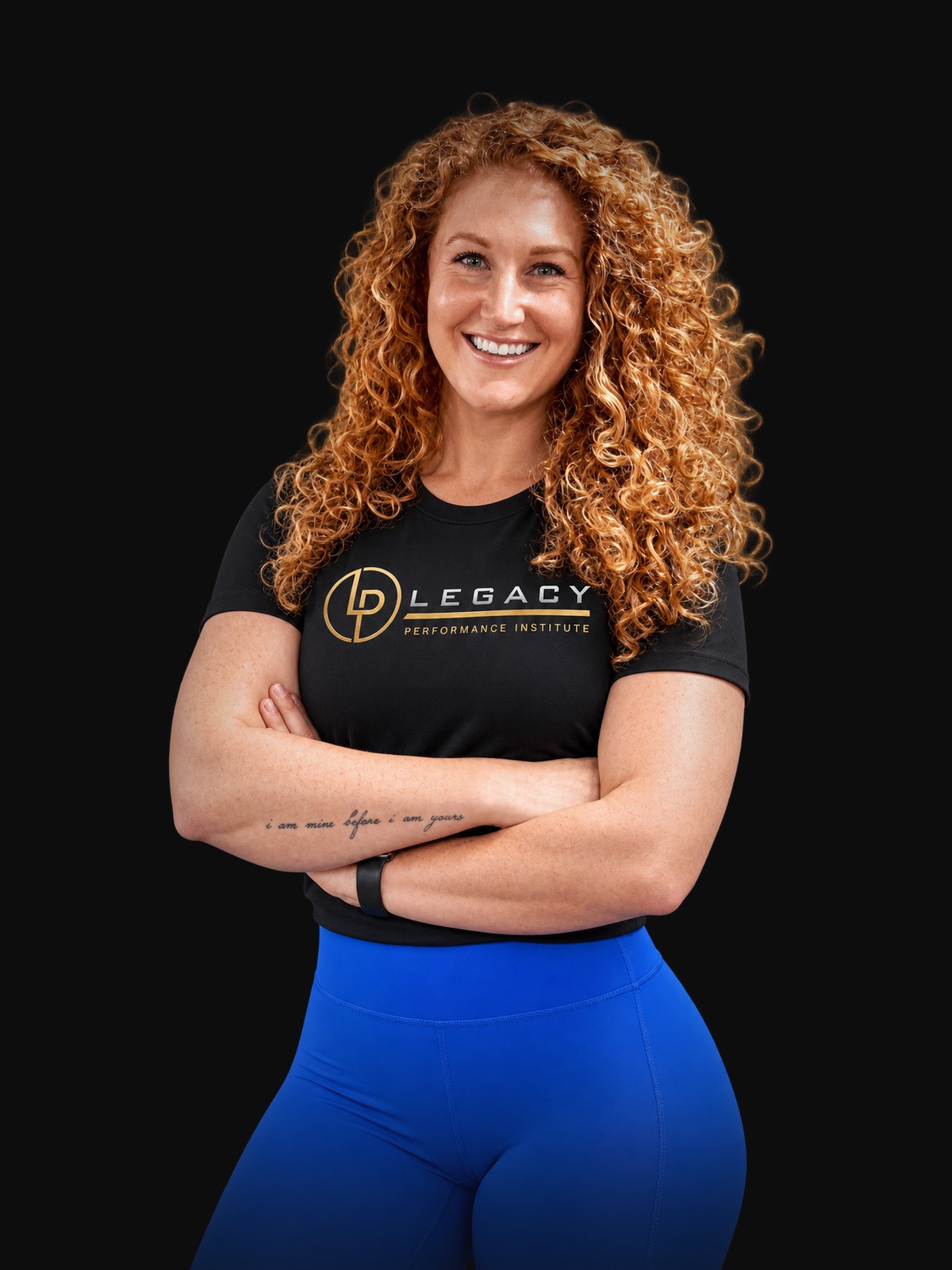
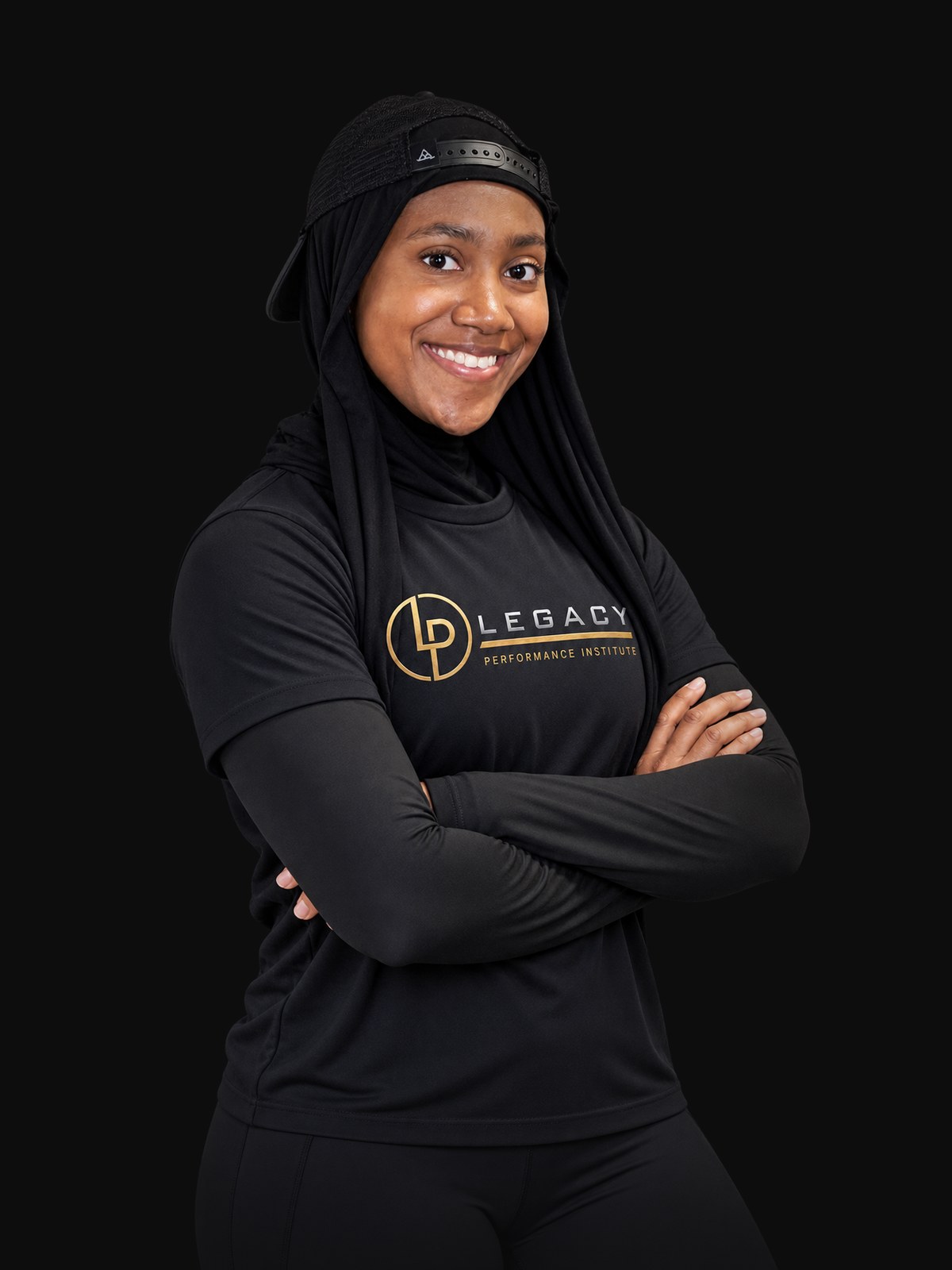
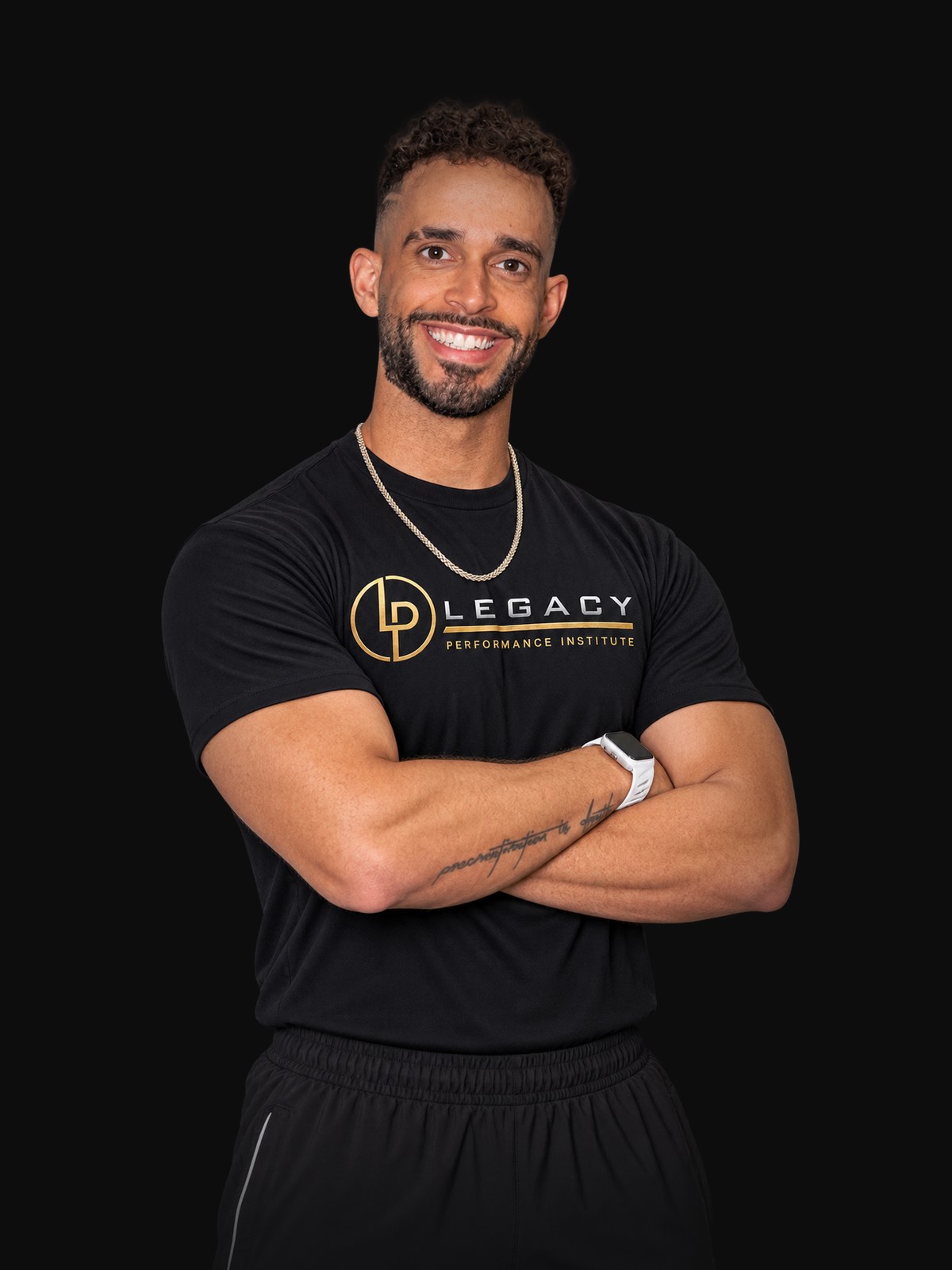
Every coach here names this specialty on their own profile. Open one to read their story, then request a free introduction.



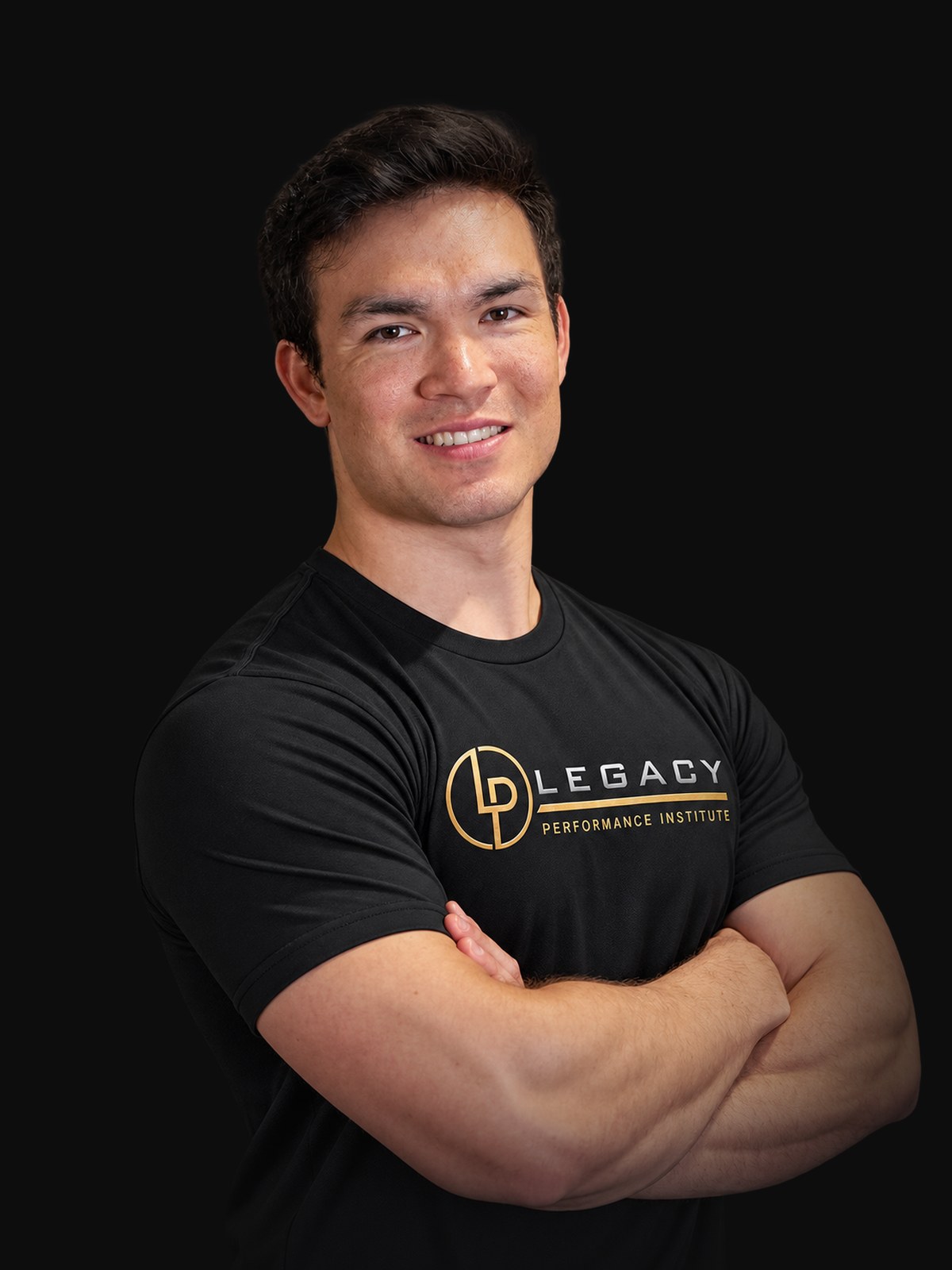
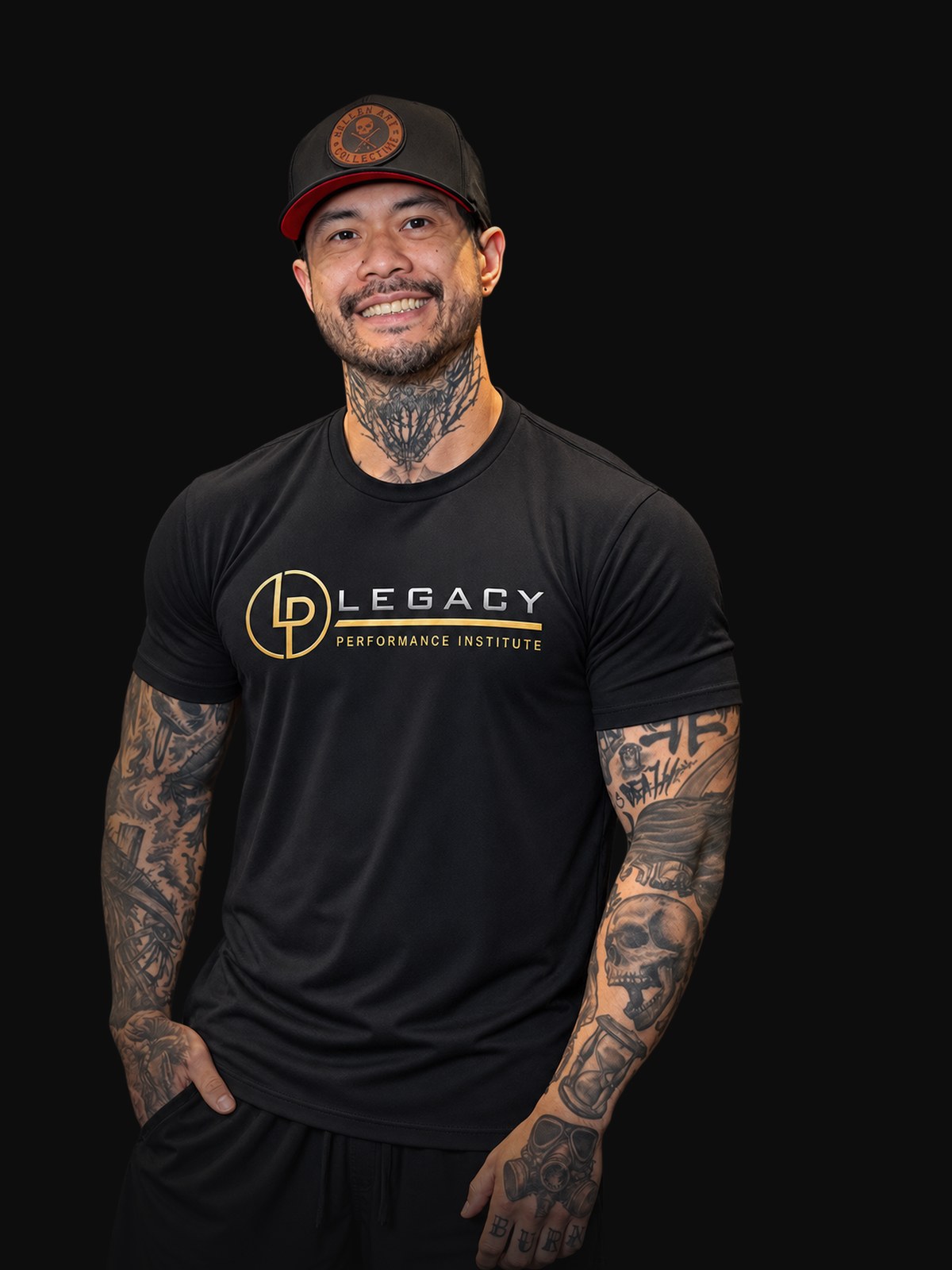
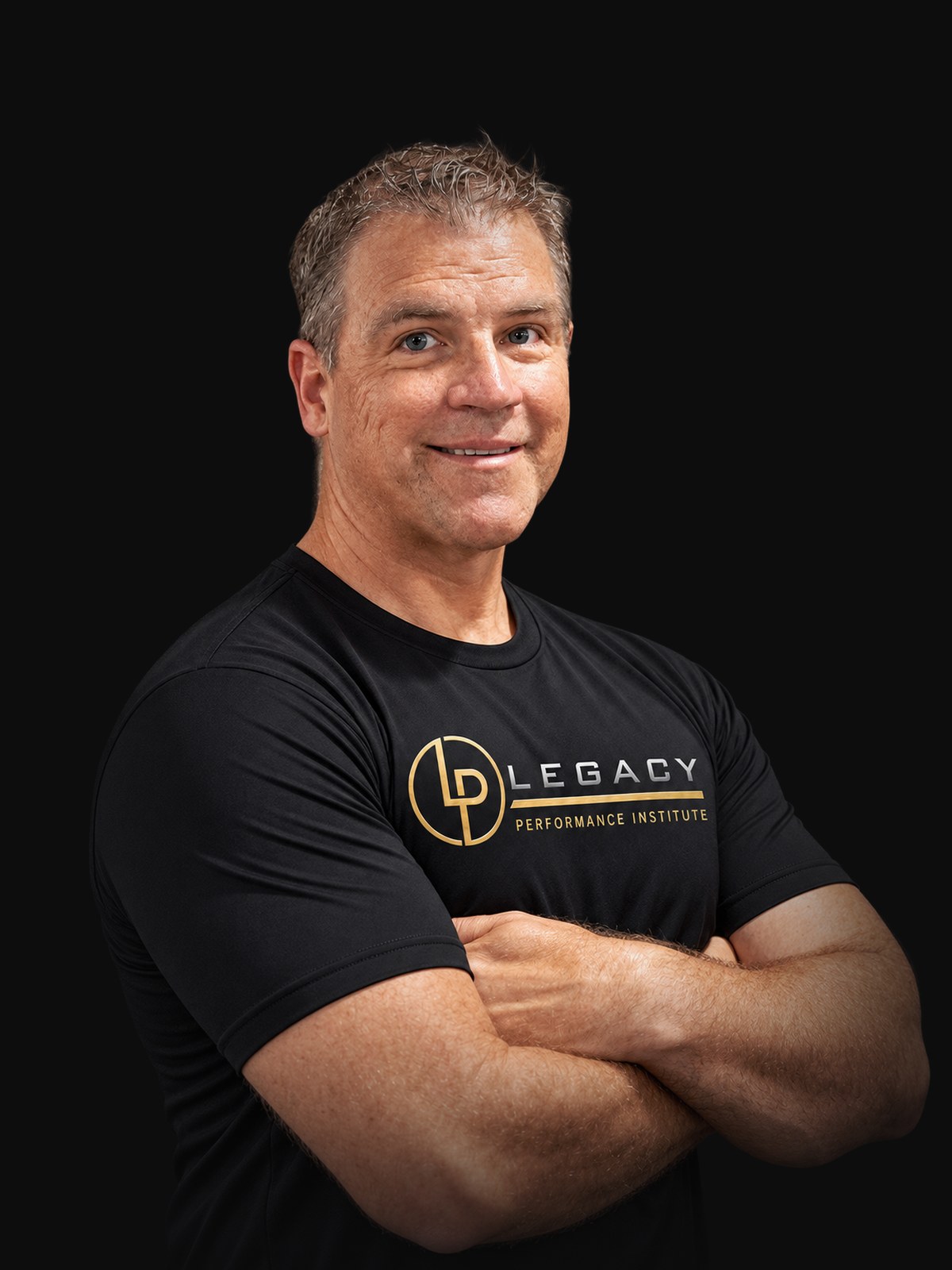
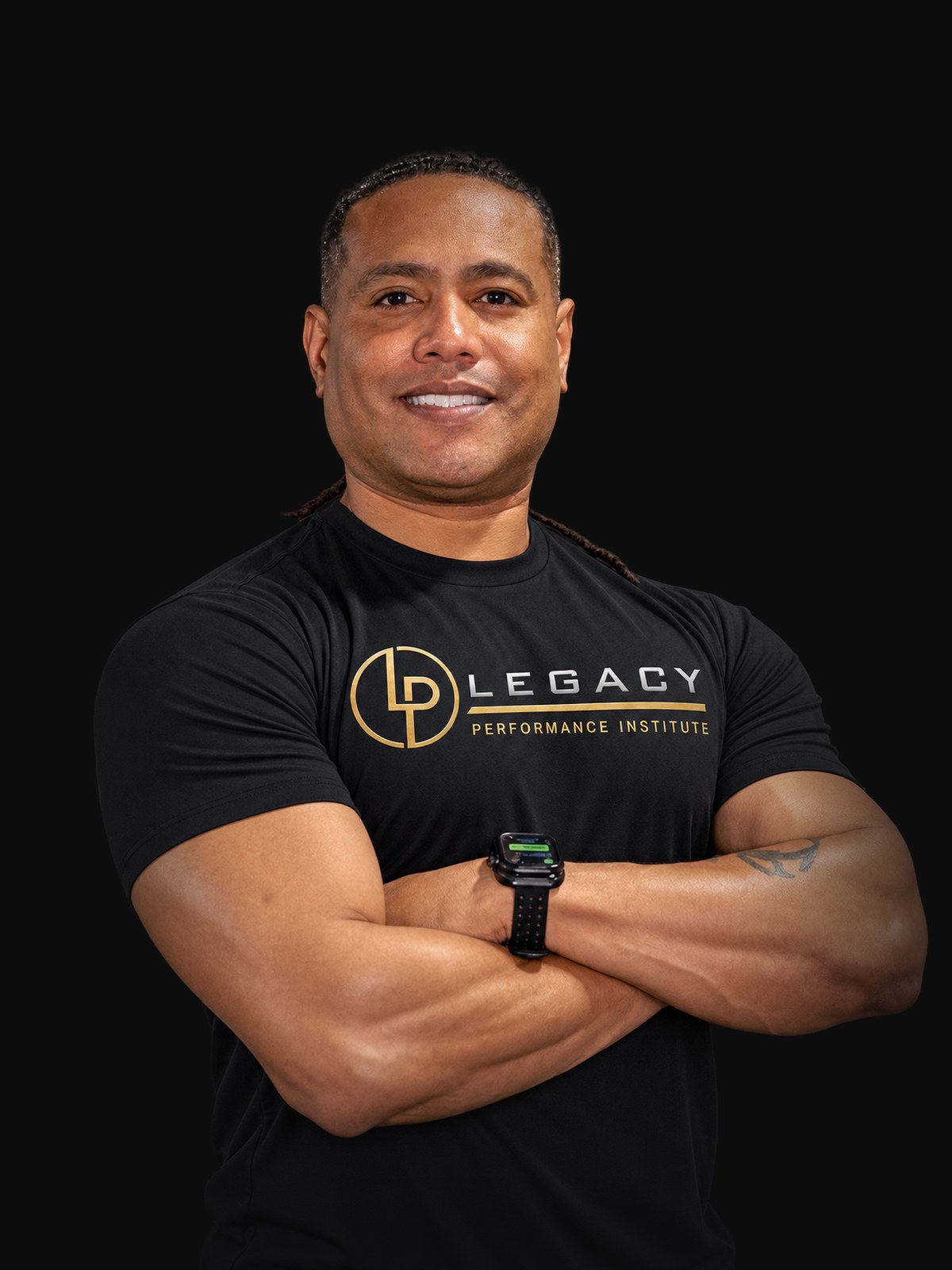
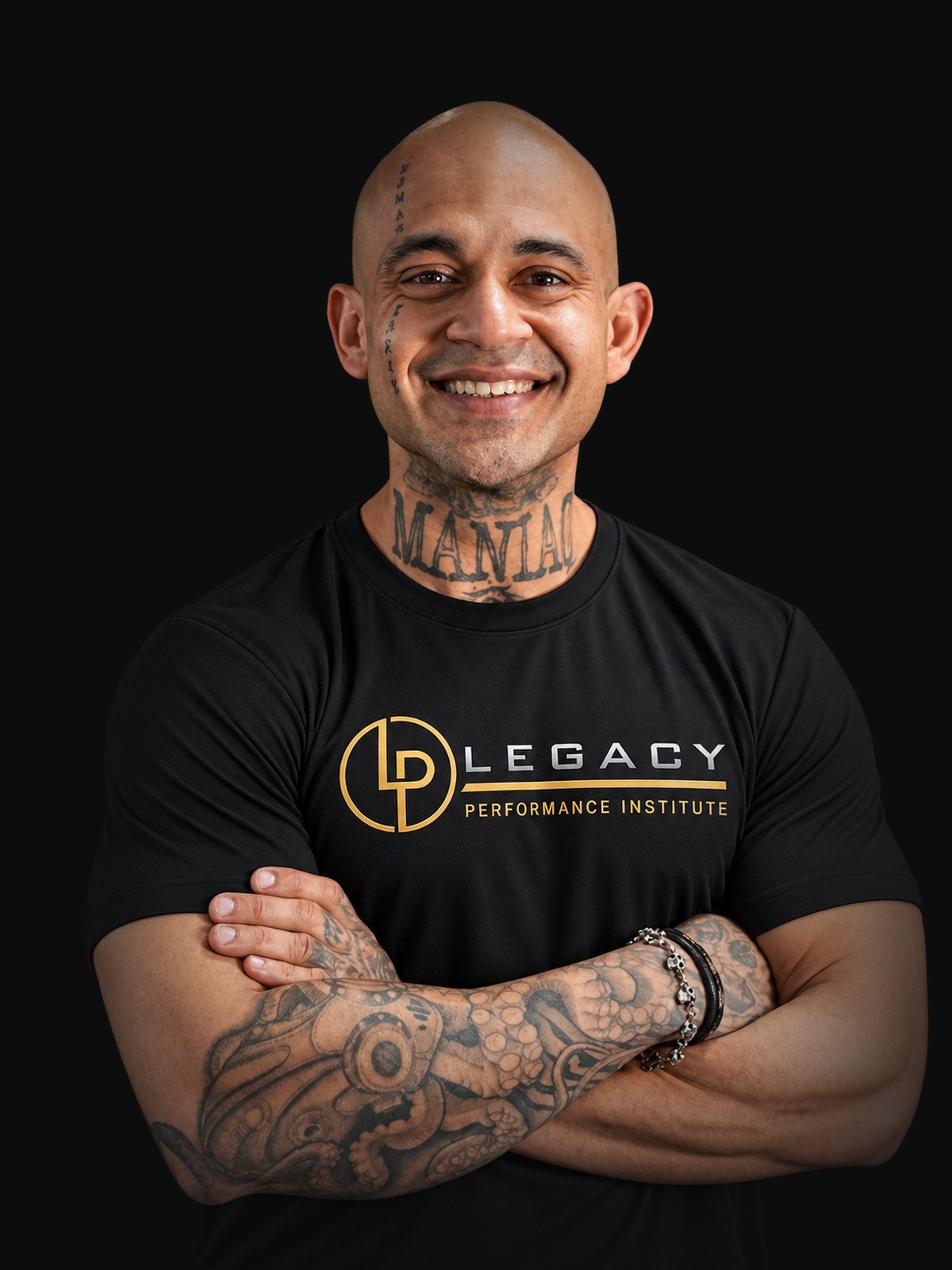
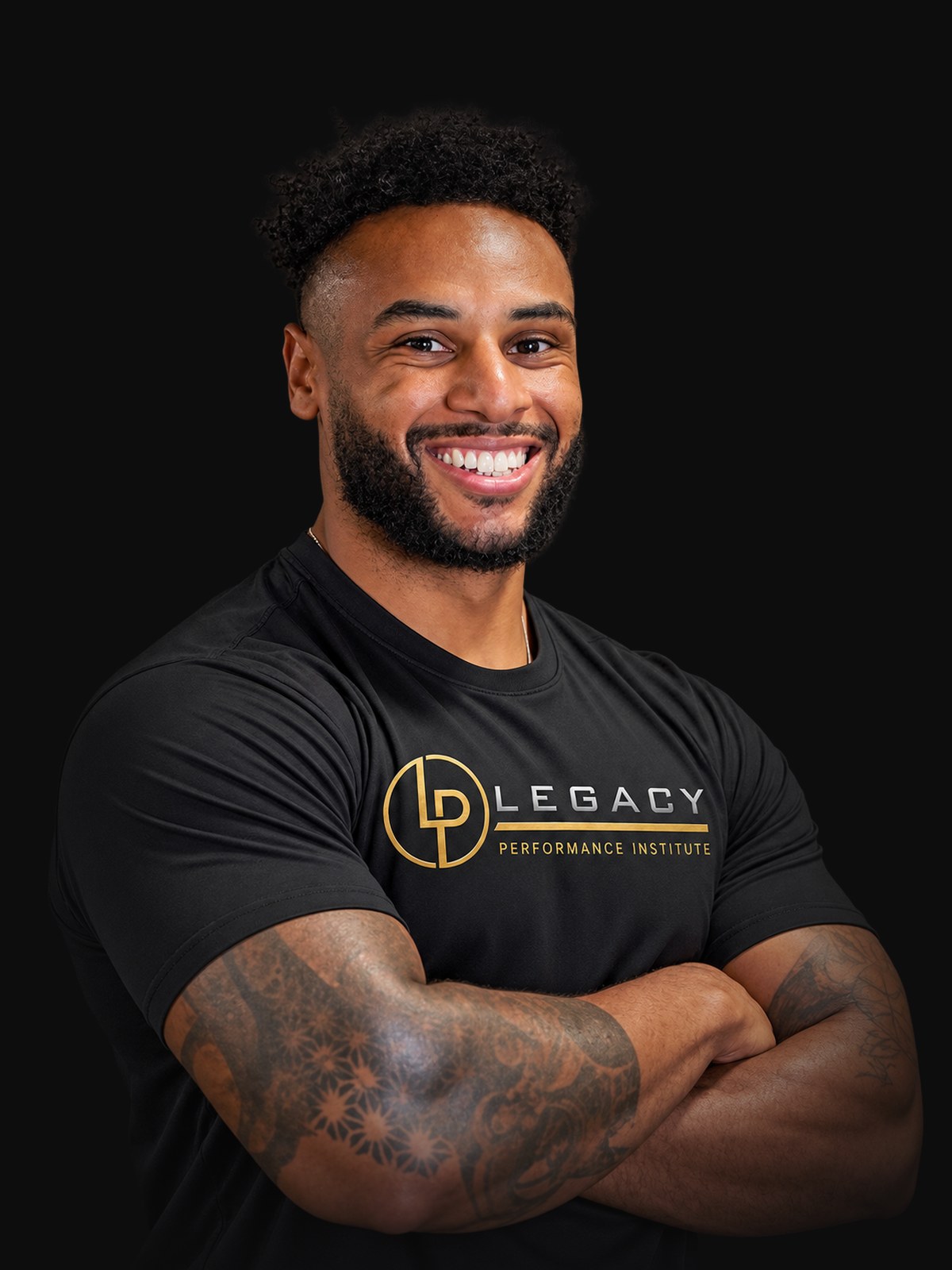
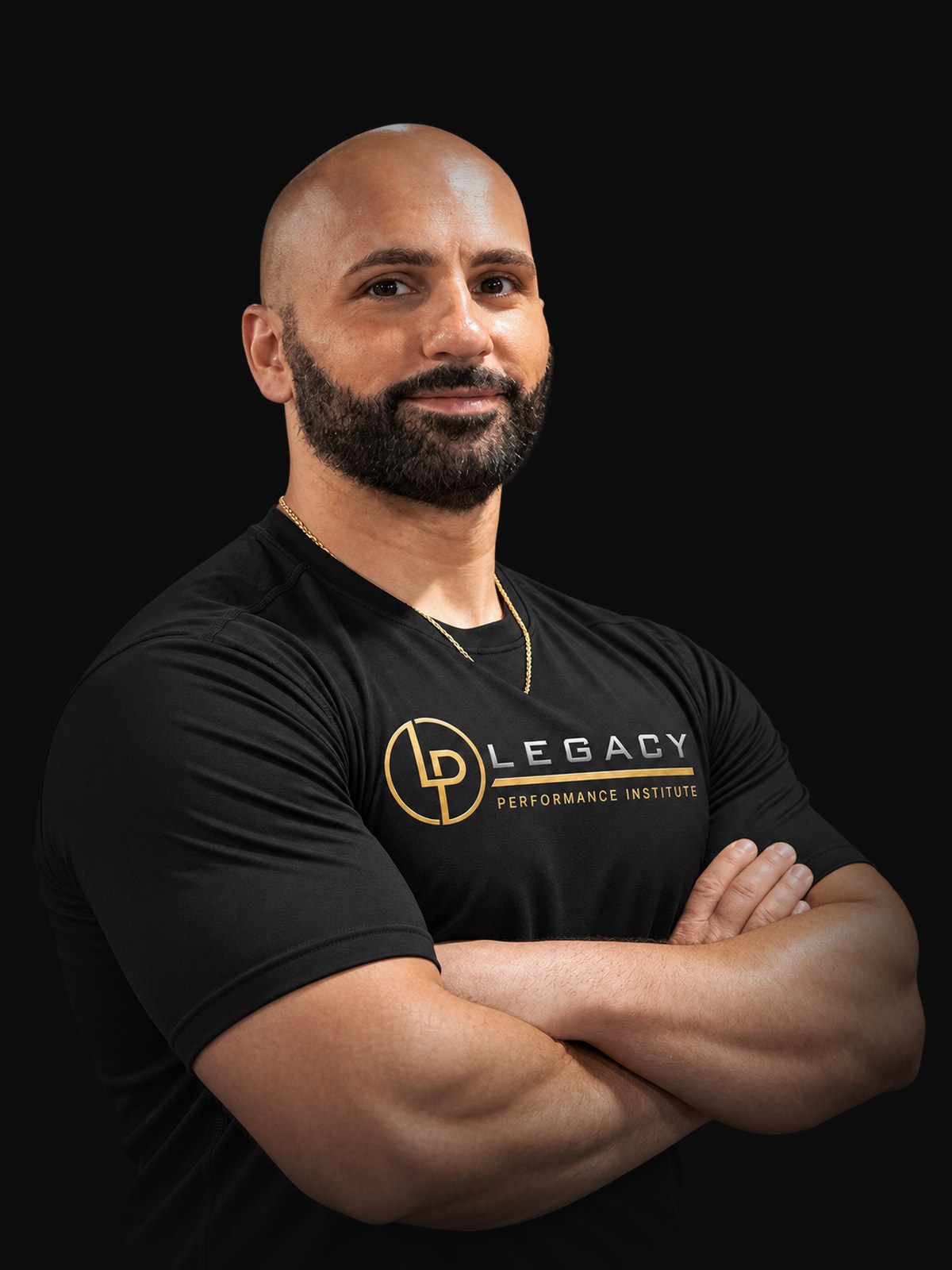
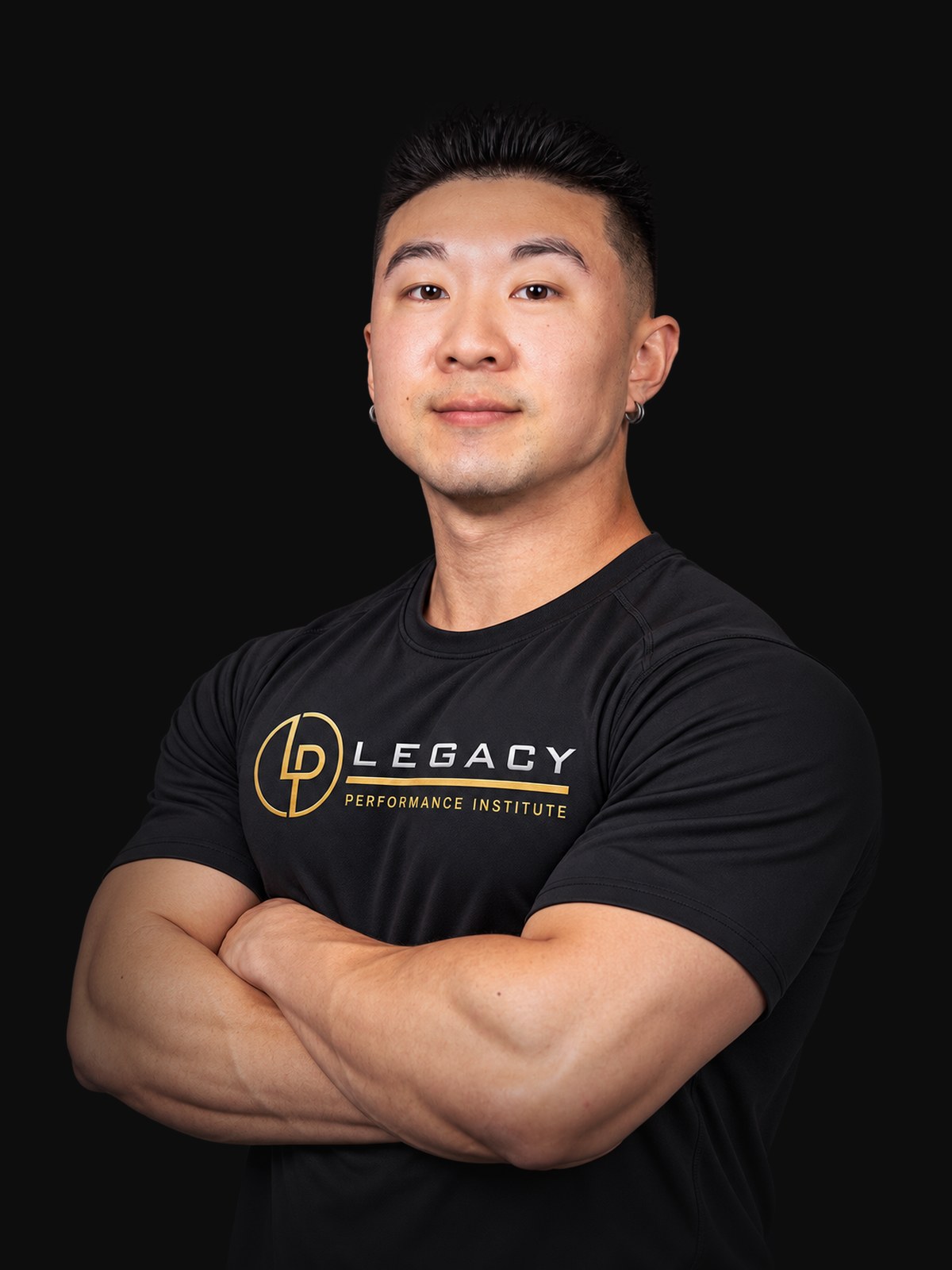
Competition prep is less about any single training style and more about timing. Whatever the event, the plan works backward from the date: a building phase, a phase that sharpens event-specific qualities, then a taper or peak week where training is adjusted so you arrive fresh and ready.
The details depend on the sport. A physique competitor manages a long diet and posing practice; a lifter rehearses attempts and competition rules; a runner sharpens pace and reduces volume; a tournament player builds the capacity to repeat efforts across a long weekend.
Expect regular check-ins on progress, adjustments to training load as the date gets closer, rehearsal of event-day routines, and planning for travel, warm-ups and food on the day. Mental preparation matters too: nerves, focus and what to do if something goes wrong mid-event.
Around Del Mar, many people prepare for events while also juggling demanding jobs and family weekends. A competition coach helps decide what can flex and what cannot in the final weeks.
It suits people who have a training base and a specific event they are committed to. First-time competitors often benefit most, because the final weeks are where inexperience shows.
If you are new to training, build general fitness and technique before targeting an event. Aggressive dieting for physique competitions carries real health risks; anyone with a history of disordered eating, or with medical conditions, should involve a physician and consider a registered dietitian. Get physician clearance for injuries before ramping up intensity.
Leading up to the event, coaches track sport-specific markers: lift numbers and technique consistency, physique photos and measurements, race-pace sessions, or match play performance. After the event, a debrief compares the result against the plan and identifies what to change next time.
A good competition season is one where you arrive healthy and execute your plan, whatever the placing.
Body recomposition is the goal of losing fat and building or keeping muscle at the same time, so the scale matters less than what the body is made of. It is slower to read on a bathroom scale and more durable than a crash diet, because the training signal that tells the body to keep muscle stays on while energy intake is managed.
Your coach records starting measurements, movement quality, training history and current eating habits, so progress is compared with your own numbers rather than a generic target.
Programs are built around progressive strength work for the major muscle groups, with the load, volume and rest chosen for your experience level and schedule.
Food guidance is practical: protein targets, meal timing that matches your day, and adjustments when progress stalls. Coaches work within their scope and refer out for medical nutrition needs.
Measurements, photos, training logs and how you feel are reviewed on a schedule, and the plan changes when the data says it should.
Most clients who walk into our Del Mar facility for the first time want the same thing, even if they phrase it differently.
A client of ours, a device sales director who splits her week between Carmel Valley and quarterly trips to the East Coast, came in for her Tuesday 6am session and admitted she’d been awake…
A client came to us last year after two years of white-knuckling a 6 a.m. strength block.
It varies by event. Physique prep often runs several months; a strength meet or race may need eight to sixteen weeks of focused work on top of an existing base.
Ask about their experience with your specific event, how they plan the final weeks, and how they handle setbacks. Specific answers beat general enthusiasm.
No, but this page is aimed at people with an event in mind. Coaches who prepare competitors often also enjoy working with people who simply train with a goal date.
Bring your event date and ask the coach to sketch the phases between now and then. That conversation shows how they think.
Andy Mog, Anna Zittel, Anthony Dain, Aqilah, Austin Camacho, Bree Norton, Charlie Torres, Chris Koo, Coach Kos, Dacey Perez, Eli Harned, Emma Warren, Eric Brown Jr, Fate Villa, Joel Maddock, Jonathan Fong, Kevin Lee, Mark Kern, Martin Jones, Mo Ghori, Nima Naraghi, Randy Etheridge, Wiam Yaldo, William Cui. Each one lists competition on their own Legacy profile. Open any profile to read their background and request a free introduction.
At Legacy Performance Institute Del Mar, 12264 El Camino Real, Suite 60, San Diego, CA 92130. Hours: 5:00 AM – 10:00 PM, seven days · 24/7 for VIP Access members.
Coaching is priced by each coach, typically per session or as a package, and quoted after your free introduction. No membership is required to train with a coach. Coaching is booked directly with the coach you choose.
No. Your coach starts with an assessment and builds the program to your level. Your first consultation and introductory session with a Legacy coach is free, with no obligation.
It is gradual by design. Most people see measurable changes in strength and measurements over several weeks, with visible change building over a few months, and the pace depends on training history, consistency, sleep and food. Your coach sets expectations from your own baseline at the free introduction.
This is general fitness information, not medical advice. Check with your physician before starting a new exercise or nutrition program, especially if you have a medical condition, an injury, or are pregnant.
Your first consultation and introductory session with a Legacy coach is free, with no obligation. Tell us about your goals and we will match you with the right coach.