Overcoming Mental Barriers to Consistent Exercise Habits Through Mindset Reframing
A client sat across from me a few months ago and said something I’ve heard in some version at least a hundred times: “I know exactly what to do.
Health and wellness coaching treats exercise as one part of a larger picture that also includes sleep, stress, daily movement and eating habits. It draws people in Carmel Valley, Del Mar and Rancho Santa Fe who feel run down rather than out of shape, or who want training that fits a demanding job and family life instead of competing with them. 21 coaches at Legacy Del Mar list this.
Every coach here names this specialty on their own profile. Open one to read their story, then request a free introduction.





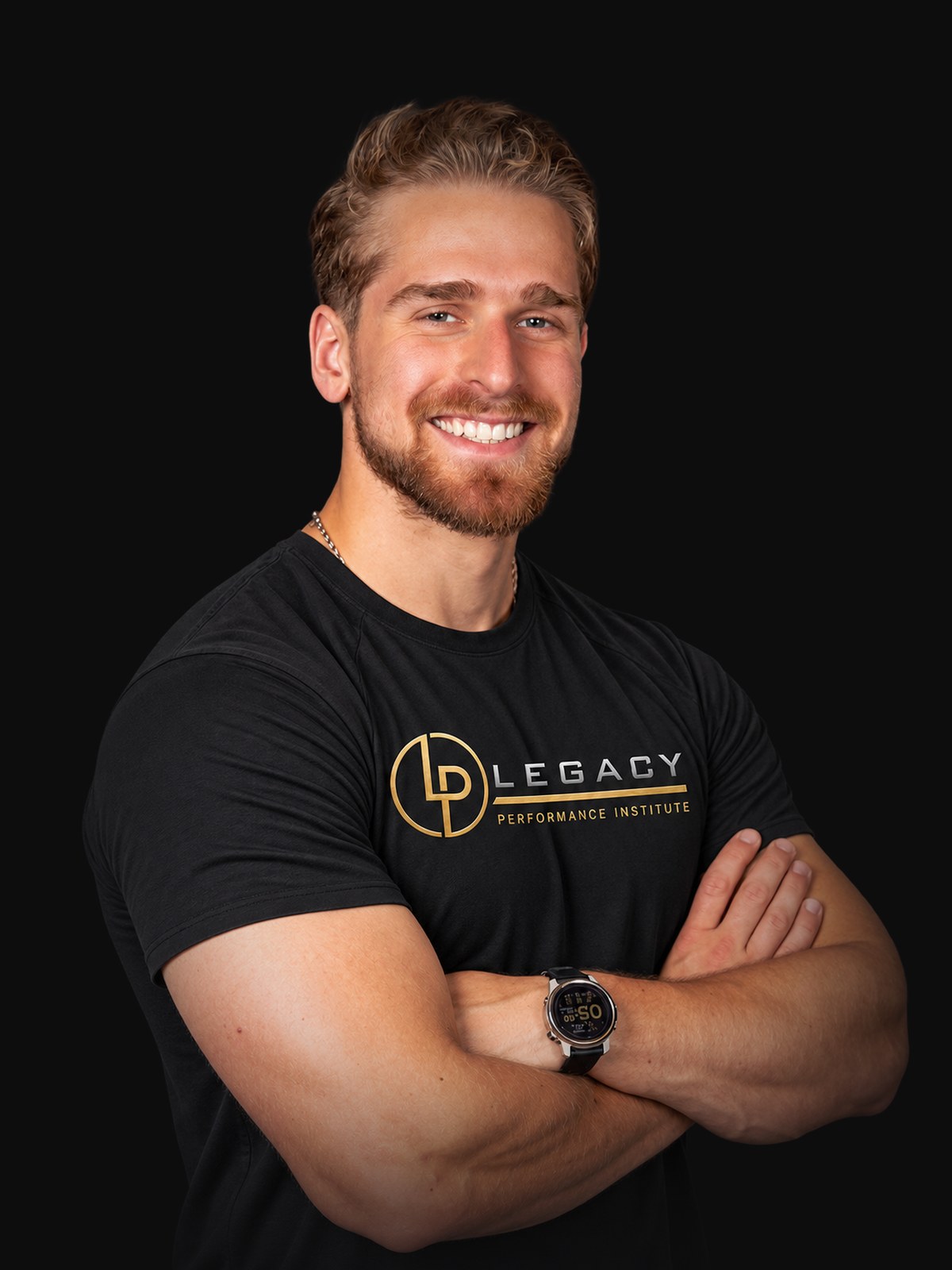






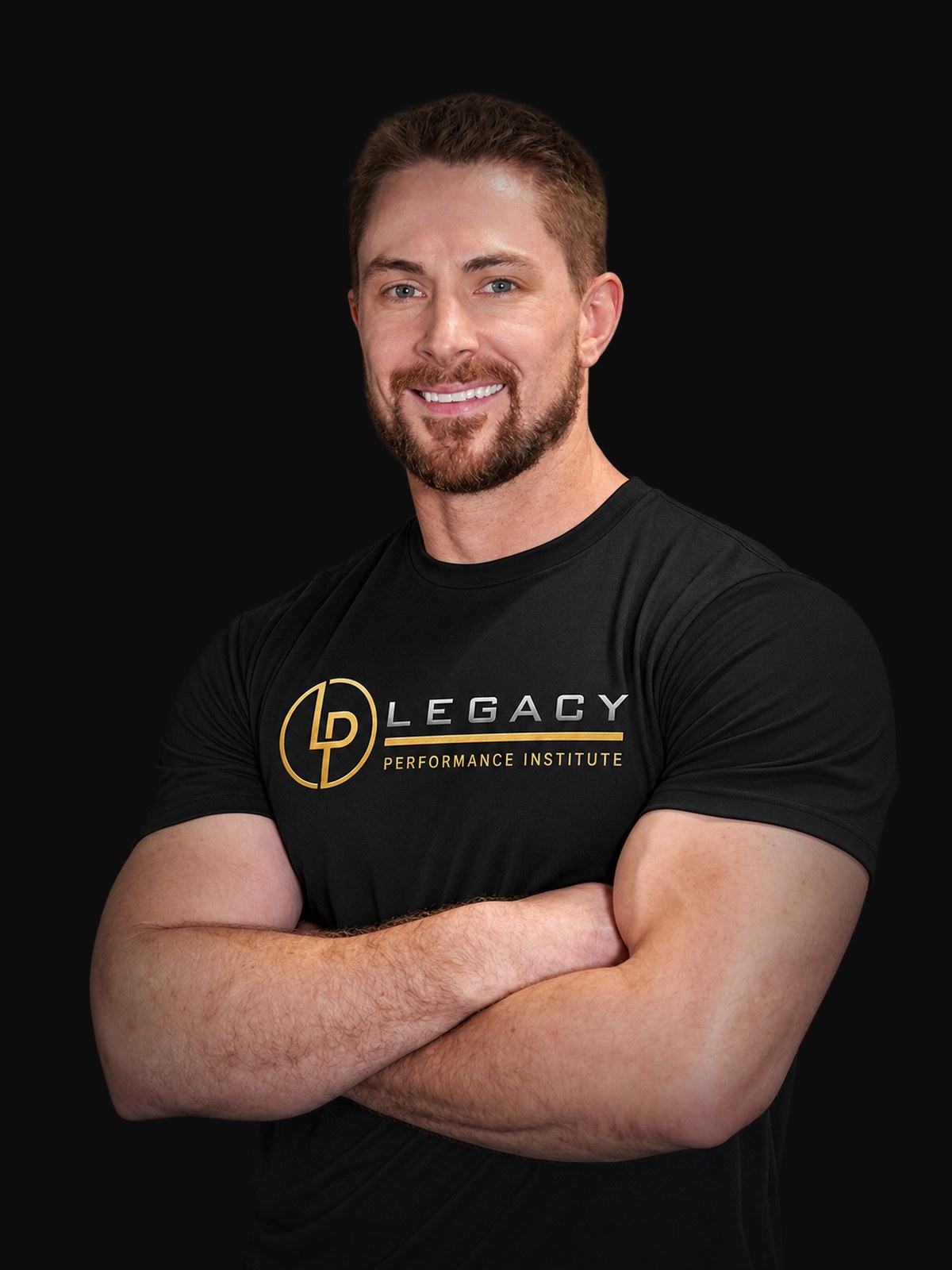

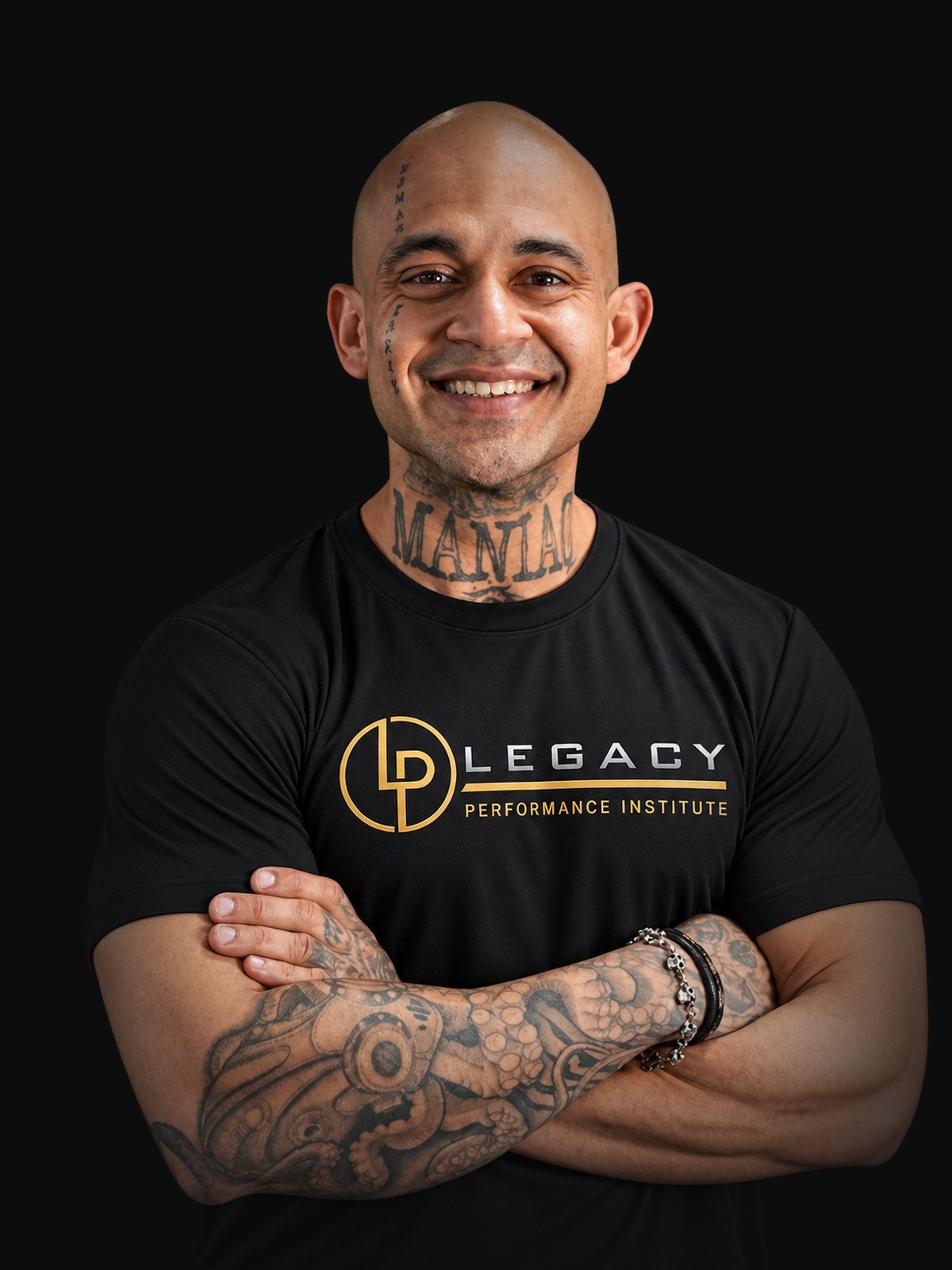



Sessions still involve training, typically a balanced mix of strength, mobility and moderate conditioning. The difference is the conversation around it. A coach may ask how you slept, how many steps you got this week, whether lunch happened, and how work stress is landing. Those answers shape the day's session; a rough night might mean less intensity and more movement quality.
Between sessions, the work often centers on a few small habits at a time: a walk after dinner, a consistent bedtime, more protein at breakfast, a few minutes of breathing practice before a stressful meeting.
It suits busy professionals, parents, people coming back to exercise after a hard stretch, and anyone who has tried intense programs and burned out. It is also a good fit for people who want a coach to help them build structure rather than push them to exhaustion.
A fitness coach is not a doctor, therapist or dietitian. Persistent fatigue, low mood, sleep problems or unexplained weight changes deserve a visit to a physician, and coaches who do this work well will refer you rather than guess.
Expect softer markers alongside training numbers: average sleep hours, daily step counts, energy ratings, how often you hit planned workouts, resting heart rate if you wear a tracker. Strength and conditioning numbers still matter, but a month where you trained consistently and slept better may count as more of a win than a new personal best. Reviewing these markers together every few weeks helps you and the coach decide which habit to keep, which to drop and what to try next.
Ask how they decide what habit to focus on first; trying to change everything at once rarely lasts. Ask how they adjust sessions on low-energy days and how they communicate between visits. Be wary of anyone selling supplements, detoxes or diagnosing conditions. Legacy Del Mar keeps 5:00 AM to 10:00 PM hours daily, which can help with fitting sessions around school runs and commutes.
Holistic and mindset coaching treats training as one part of a larger system that also includes sleep, stress, habits and the way you talk to yourself about progress. The aim is a routine you can keep up for years, not a six-week sprint that ends when motivation does.
The first conversation covers what you want your days to feel like, not only what you want your body to look like, and the program is built to serve both.
Coaching focuses on small, repeatable actions with clear triggers, so showing up becomes the default instead of a daily negotiation.
Intensity is matched to your stress and sleep that week. Hard weeks and easy weeks are planned, not guessed.
Regular check-ins keep you honest about what is working, and setbacks are treated as information to adjust around.
A client sat across from me a few months ago and said something I’ve heard in some version at least a hundred times: “I know exactly what to do.
A training session is one of the few remaining hours that can be genuinely uninterrupted.
Some coaches offer general nutrition guidance around habits and portions. Detailed meal plans for medical conditions are a job for a registered dietitian.
Not necessarily. For many people, steady moderate training plus better sleep and daily movement is more sustainable than hard workouts alone.
Some research suggests regular exercise may help with stress and mood. If stress or anxiety is affecting daily life, also talk to your physician or a mental health professional.
Anthony Dain, Aqilah, Brooke Heaton, Cassie Wood, Catia Assis, Chance Dyck, Coach Kos, Emely Gonzalez, Emiko Jaffe, Jaclyn Nguyen, Jalen Russell, Kevin Lee, Landon Bergenthal, Maya Smith, Mo Ghori, Nima Naraghi, Randy Etheridge, Shane Dempsey, Sofia Beyer, Tim Chau, William Cui. Each one lists health and wellness on their own Legacy profile. Open any profile to read their background and request a free introduction.
At Legacy Performance Institute Del Mar, 12264 El Camino Real, Suite 60, San Diego, CA 92130. Hours: 5:00 AM – 10:00 PM, seven days · 24/7 for VIP Access members.
Coaching is priced by each coach, typically per session or as a package, and quoted after your free introduction. No membership is required to train with a coach. Coaching is booked directly with the coach you choose.
No. Your coach starts with an assessment and builds the program to your level. Your first consultation and introductory session with a Legacy coach is free, with no obligation.
No. Fitness coaches work on training, habits and accountability. They are not licensed mental health providers, and a good coach will say so and suggest a qualified professional when something is outside coaching scope.
This is general fitness information, not medical advice. Check with your physician before starting a new exercise or nutrition program, especially if you have a medical condition, an injury, or are pregnant.
Your first consultation and introductory session with a Legacy coach is free, with no obligation. Tell us about your goals and we will match you with the right coach.