Strength Training for Pickleball: A Del Mar Trainer’s Injury-Prevention Guide
A client walked into our Del Mar facility last spring holding an ice pack to her ankle.
Injury prevention training aims to lower the chance of getting hurt during sport, exercise and daily life by building strength, control and tolerance in the tissues most likely to be stressed. In Del Mar and Solana Beach it often comes up among runners on the coast highway, surfers, pickleball and tennis players, and weekend athletes who want to keep doing what they love without repeated setbacks. 21 coaches at Legacy Del Mar list this.
Every coach here names this specialty on their own profile. Open one to read their story, then request a free introduction.















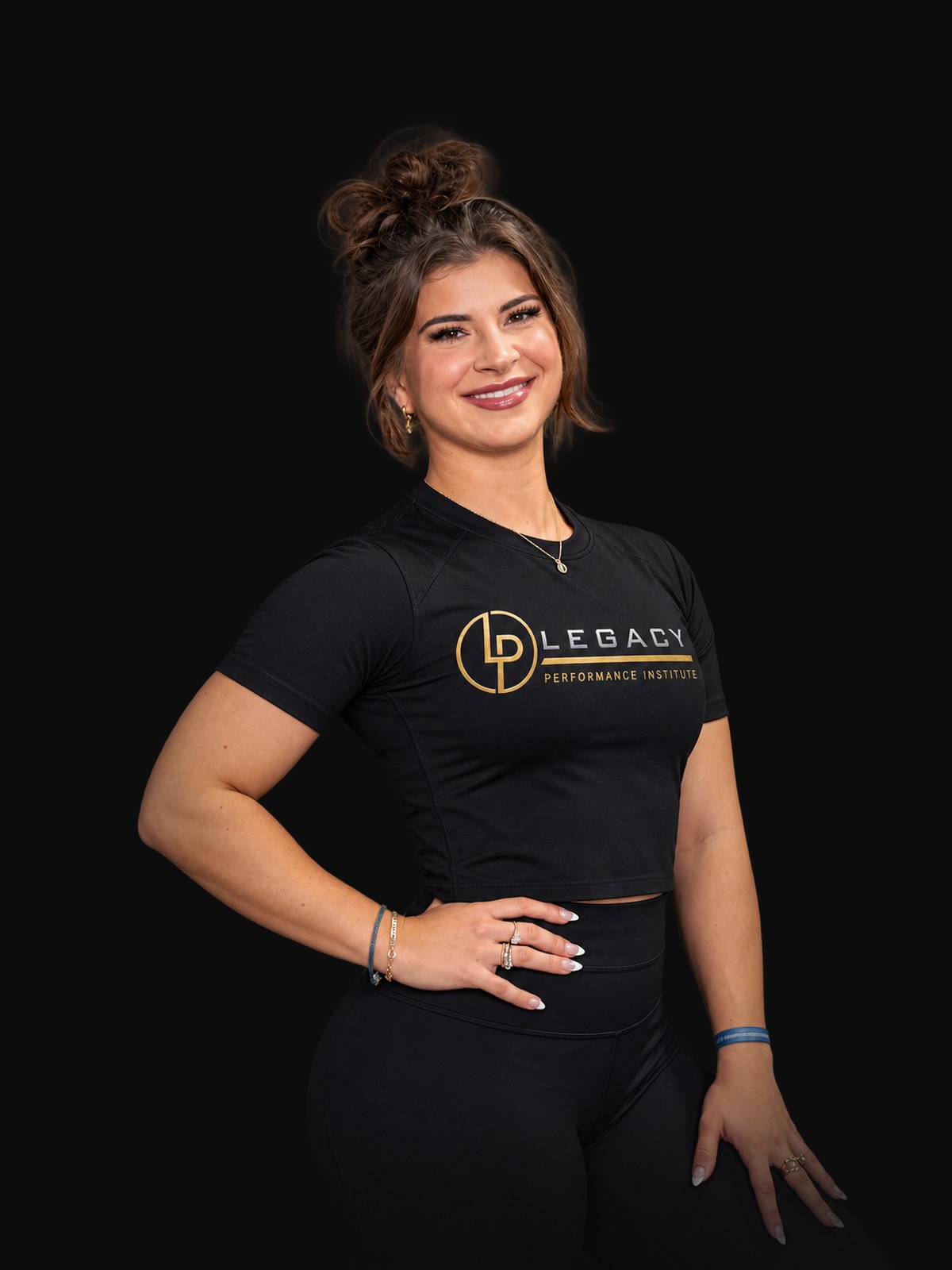

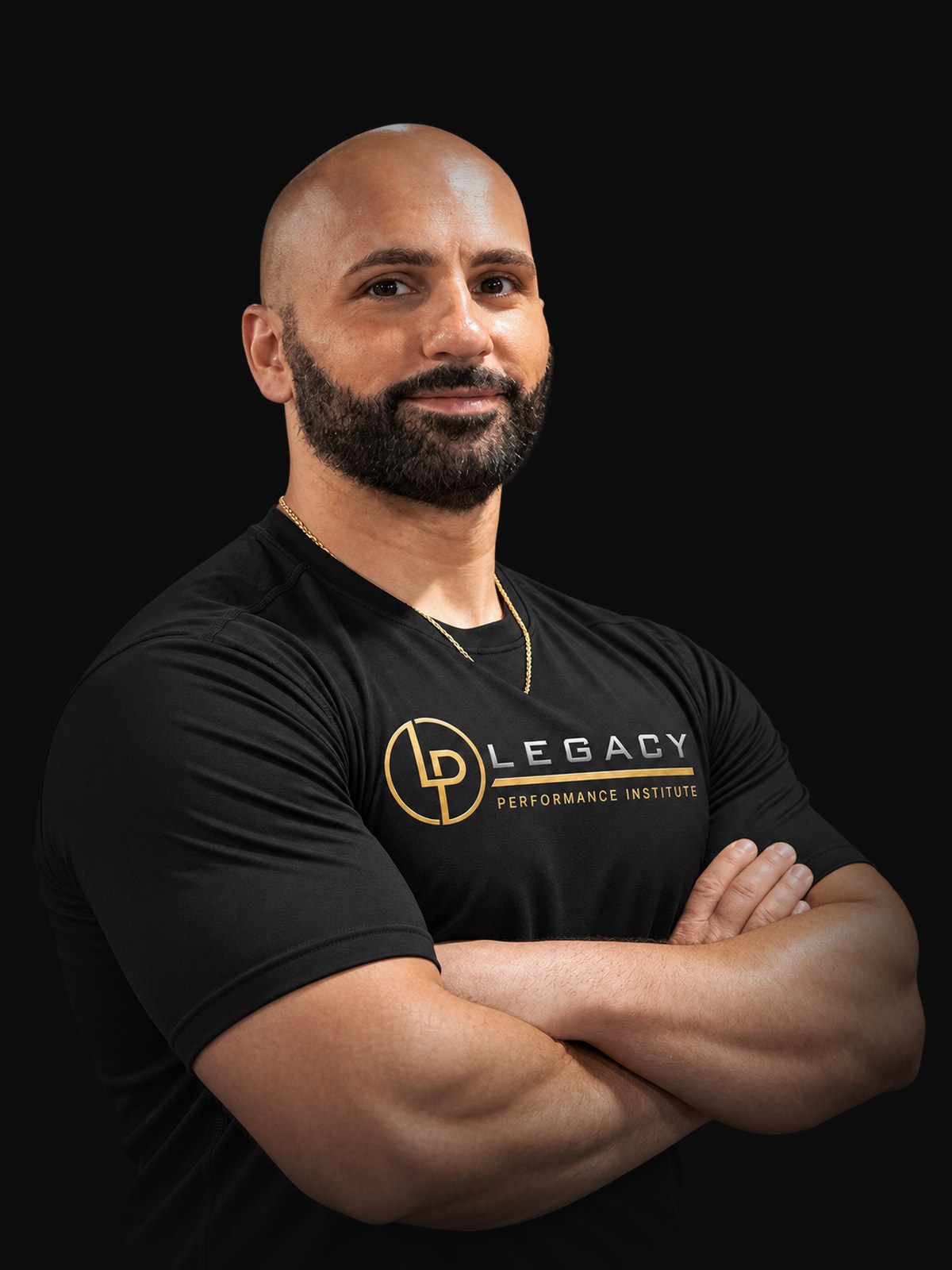

It usually starts with a conversation about past injuries and current activities, followed by a short movement screen: single-leg squats, hip and ankle mobility, shoulder rotation, balance, and how you land from a small hop. The coach looks for weak links, such as a knee that caves in on landing or one hip noticeably weaker than the other.
Training then targets those areas: single-leg strength, landing mechanics, hamstring and calf work for runners, rotator cuff and upper-back strength for overhead athletes, and eccentric exercises that build tendon tolerance. Just as important is managing load, increasing training volume gradually instead of jumping from rest to a heavy week, which research broadly links to injury risk.
It suits active adults with a history of the same tweak recurring, youth and adult athletes going into a season, people ramping up for an event such as a half marathon, and anyone starting a new sport.
Prevention is not treatment. If you currently have pain, swelling, numbness, or a joint that gives way, see a physician or physical therapist first. A coach can then continue the work once you are cleared, ideally in line with what your clinician recommends. No program can remove all risk, but it may reduce it.
Markers include improved scores on the initial screen, smaller left-right differences in single-leg strength or hop distance, better control when landing, and gradual increases in training volume without flare-ups. Over a season, the most telling sign is simply fewer missed weeks. Keeping a short log of soreness and any niggles helps you and the coach spot issues before they grow.
Ask how they assess new clients and what they look for. Ask how they decide when a sore spot means rest, a modified exercise, or a referral. Ask whether they are willing to coordinate with your physical therapist or doctor. A thoughtful coach will also ask about your sleep, work stress and how much you are doing outside sessions, since total load matters as much as what happens in the gym.
Corrective exercise looks at how you move, finds the patterns that are limited, compensated or painful, and builds a program of mobility, activation and strengthening to improve them. It is training, not medical treatment, and good coaches coordinate with your physician or physical therapist when an injury is involved.
Posture, range of motion and basic movement patterns are screened so the plan targets what is actually limiting you.
Short, specific drills open restricted areas and wake up underused muscles before and between strength work.
Once a pattern improves, it is loaded progressively so the gain holds up under real weight and real life.
Coaches do not diagnose or treat injuries. Pain that is new, severe or lasting should be seen by a medical professional first.
A client walked into our Del Mar facility last spring holding an ice pack to her ankle.
Marcus hadn’t been to the gym in fourteen weeks when he called us. Not because he got hurt. Not because he moved.
A client came back to us eight months after a grade 2 hamstring strain. Her physical therapist had cleared her at week 10 — full range of motion, no pain on manual testing, walked out with…
No. Physical therapists diagnose and treat injuries. Prevention-focused coaching builds general resilience in healthy people or continues work after clinical clearance.
The evidence is mixed. Strength training and gradual increases in training load generally have stronger support than stretching alone.
Many programs fold short prevention blocks into two or three sessions a week rather than treating them as separate workouts.
Andy Mog, Aqilah, Brooke Heaton, Cassie Wood, Coach Kos, Emely Gonzalez, Emiko Jaffe, Jaclyn Nguyen, Jalen Russell, Joel Maddock, Kevin Lee, Landon Bergenthal, Martin Jones, Maya Smith, Nima Naraghi, Randy Etheridge, Shane Dempsey, Sofia Beyer, Tim Chau, Wiam Yaldo, William Cui. Each one lists injury prevention on their own Legacy profile. Open any profile to read their background and request a free introduction.
At Legacy Performance Institute Del Mar, 12264 El Camino Real, Suite 60, San Diego, CA 92130. Hours: 5:00 AM – 10:00 PM, seven days · 24/7 for VIP Access members.
Coaching is priced by each coach, typically per session or as a package, and quoted after your free introduction. No membership is required to train with a coach. Coaching is booked directly with the coach you choose.
No. Your coach starts with an assessment and builds the program to your level. Your first consultation and introductory session with a Legacy coach is free, with no obligation.
No. Corrective exercise is coached training. If you are recovering from an injury or surgery, follow your physician or physical therapist first, and ask your coach to work alongside their guidance.
This is general fitness information, not medical advice. Check with your physician before starting a new exercise or nutrition program, especially if you have a medical condition, an injury, or are pregnant.
Your first consultation and introductory session with a Legacy coach is free, with no obligation. Tell us about your goals and we will match you with the right coach.