Stress Management for Peak Performance
A client — a surgical device sales director who trains with us at 6 a.m. before back-to-back calls — hit a wall in July. Her squat had been climbing steadily for ten weeks, then flattened.
Performance enhancement, on this page, means structured athletic training aimed at measurable gains in power, speed, endurance and resilience. It refers to training only, never to supplements, drugs or any other substance. Twenty-one coaches at Legacy Del Mar list it, and it tends to attract adult competitors from Carmel Valley to Encinitas: masters runners, triathletes, golfers, surfers and club players who want their sport to feel easier.
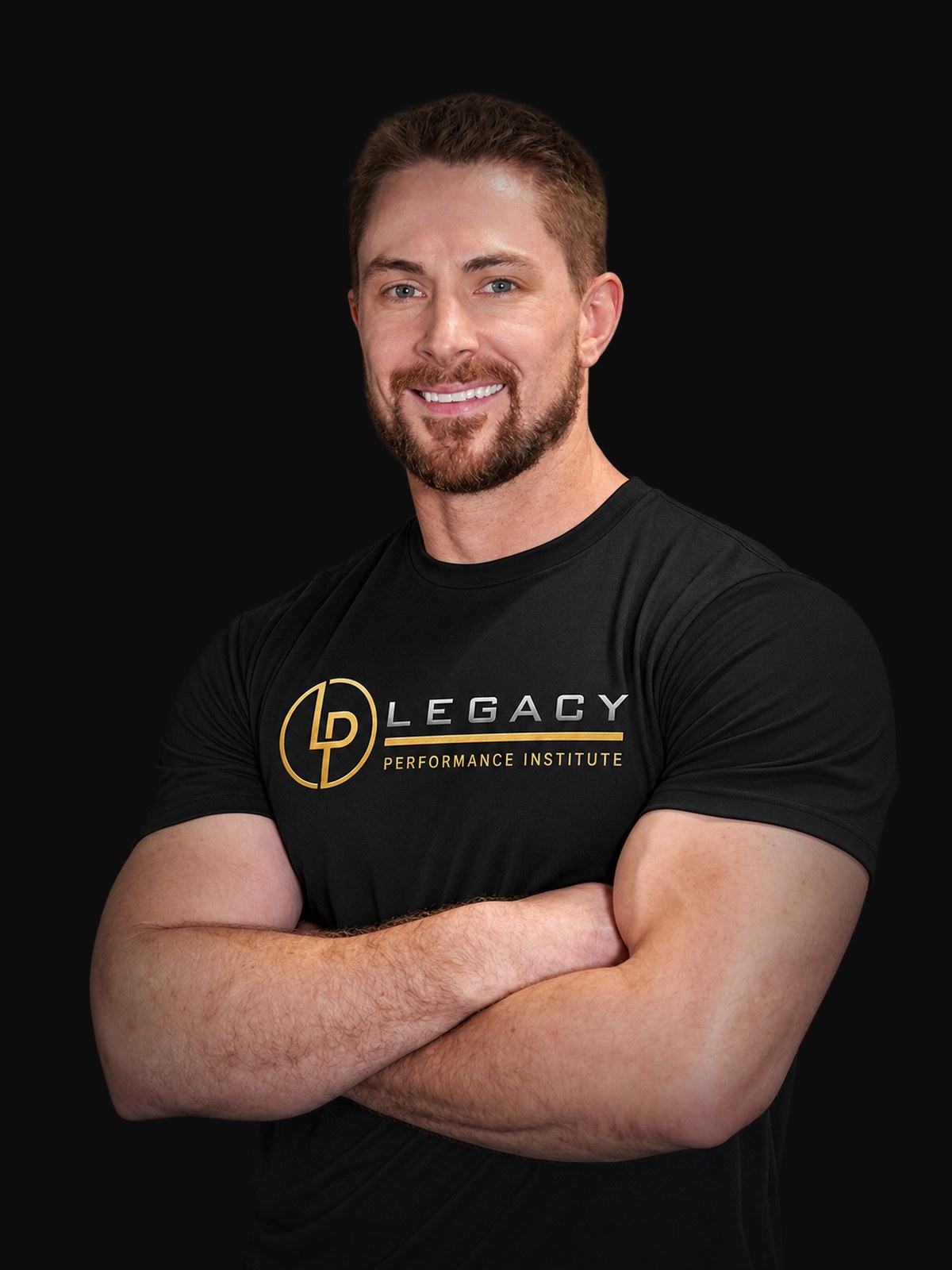
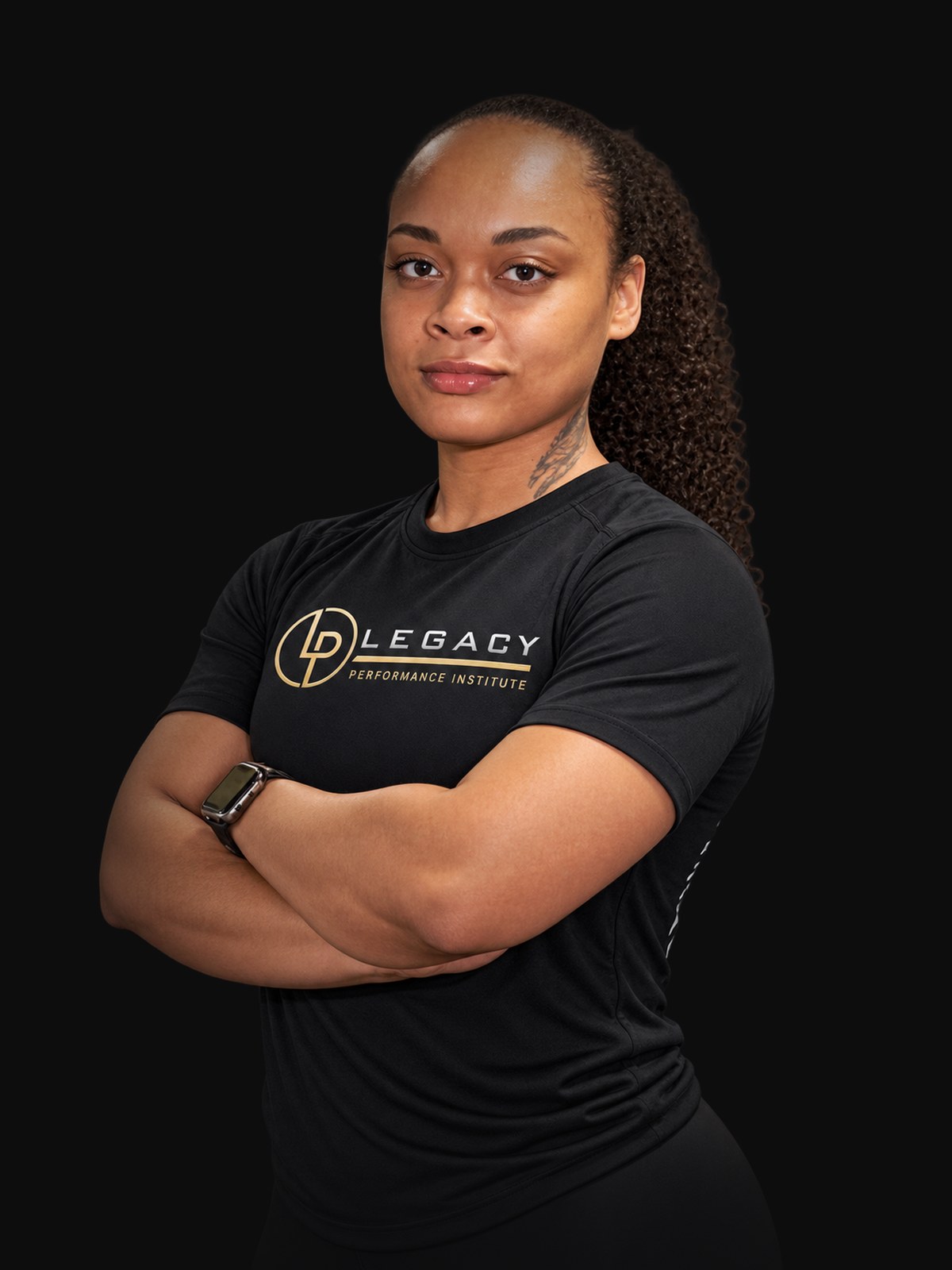
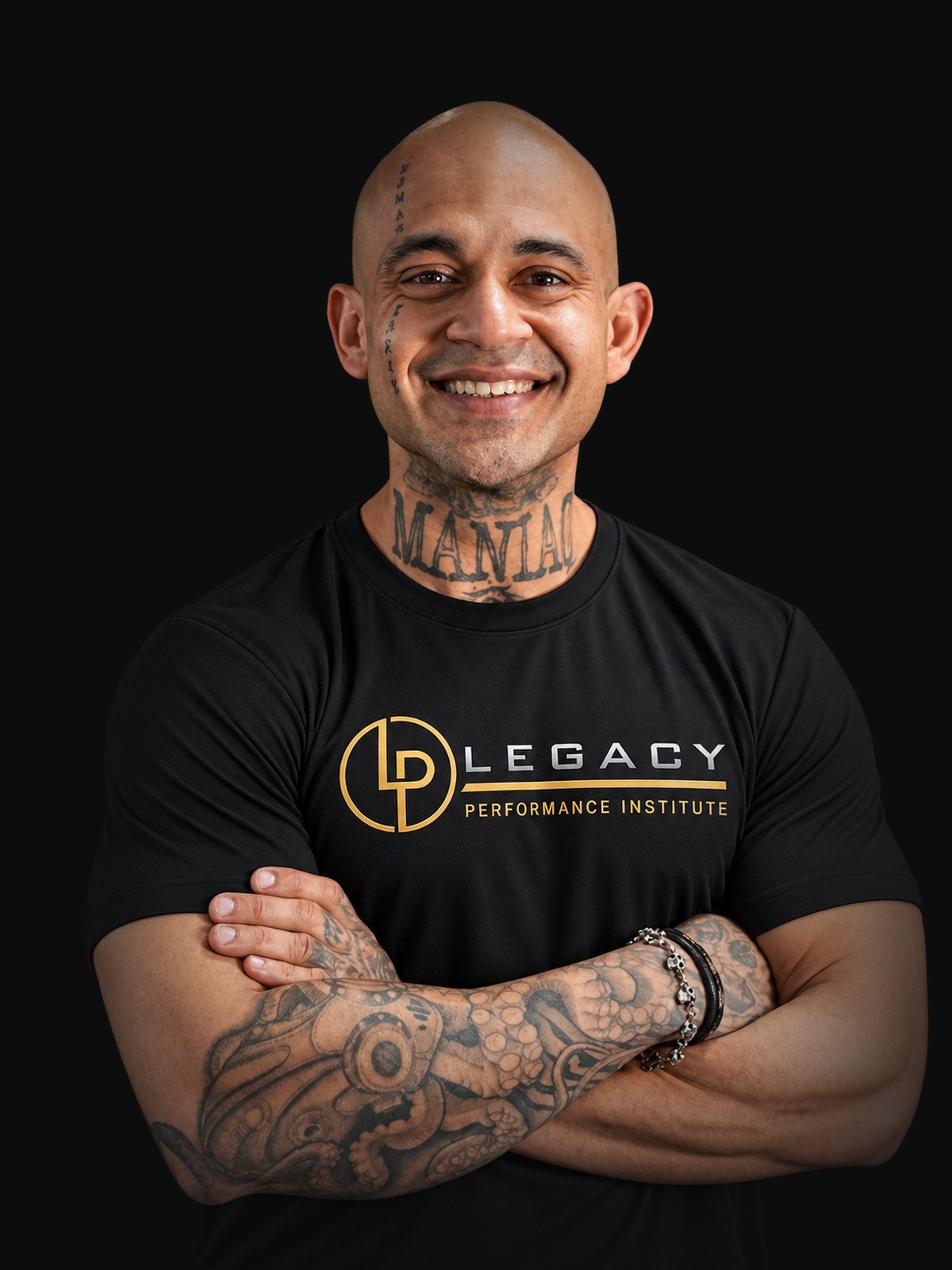
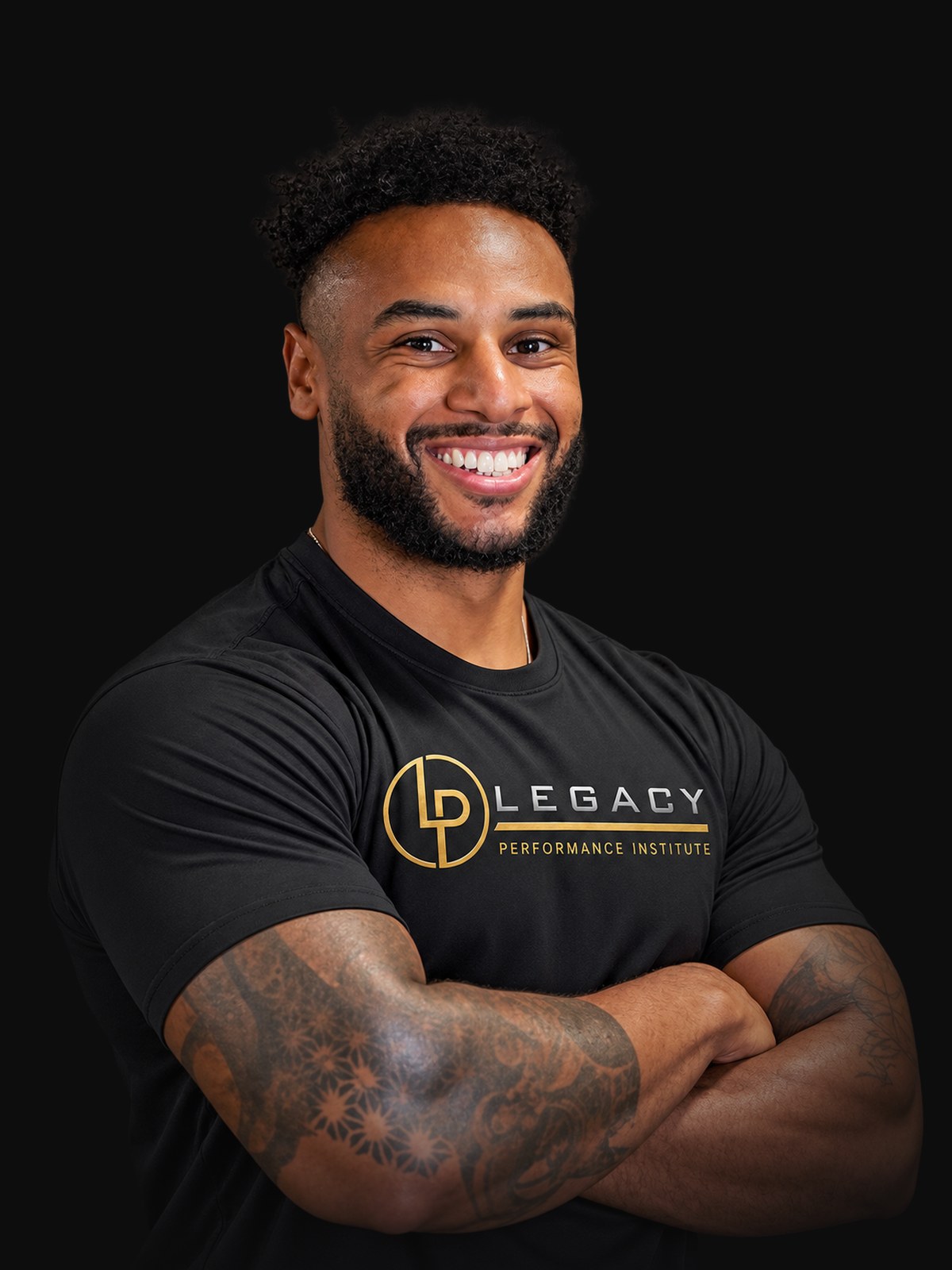
Every coach here names this specialty on their own profile. Open one to read their story, then request a free introduction.




What separates this from general fitness is the scoreboard. A coach picks a handful of markers tied to your goal, records a baseline, trains for a block, then measures again. For a cyclist that might be a timed effort and single-leg strength; for a golfer, rotational power and hip mobility; for a trail runner on the Torrey Pines bluffs, hill repeats and calf endurance.
Blocks commonly run several weeks, with a lighter week built in so fatigue does not hide progress. If a marker stalls, the plan changes. That loop of test, train, review is the core of the work.
A typical hour opens with a movement prep that targets your sport's demands, moves into explosive work such as jumps, throws or short sprints while you are fresh, then heavy strength work, then targeted accessory or conditioning work. Volume is planned around your race or match calendar so the gym supports your season instead of competing with it.
Many adult competitors also train on their own. A good coach asks for your weekly mileage, rides or practice load and adjusts so the total stays productive.
It suits people who already train consistently and want a sharper edge. If you are new to exercise or returning after a long break, a general strength and conditioning phase usually comes first. If you have a heart condition, a recent injury or any medical concern, get clearance from your physician before starting high-intensity or explosive training.
Ask which markers they would test for your sport and why, how often they retest, and how they handle a week when your event schedule spikes. A coach who can explain the reasoning behind each block is usually a better fit than one who simply promises harder sessions.
Strength and performance training uses progressive overload on the major lifts and athletic movements to build force, power and resilience. It serves anyone who wants to be stronger, from a first barbell squat to a competitive athlete preparing for a season.
Lifts are taught and reviewed first, because a clean pattern makes heavier weight safer and more productive.
Weights, sets and reps are laid out across weeks, with built-in lighter weeks, so strength climbs without constant plateaus or burnout.
For athletes, the program is matched to the demands and calendar of the sport: strength in the off-season, power and maintenance as competition nears.
Every session is logged, so you can see what you lifted last month and what the next target is.
A client — a surgical device sales director who trains with us at 6 a.m. before back-to-back calls — hit a wall in July. Her squat had been climbing steadily for ten weeks, then flattened.
A client walks in after a nine-hour day of back-to-back meetings, phone still buzzing in her bag, and tells us she can’t focus enough to train.
A client of ours — a surgeon who trains for the Solana Beach Triathlon every June — came into a Saturday session in June describing what happened on a 2-hour bluff-trail run near Torrey…
No. Here the term means athletic performance training: strength, power, speed and conditioning work. Coaches are not the right source for advice on medications or substances; talk with your physician about anything of that kind.
Often, yes. Adult competitors are a big part of this work. Check with your physician first if you have any cardiac, joint or metabolic history, then tell the coach your race calendar so blocks can be timed around it.
Against your own baseline on the markers chosen at the start, such as a jump, a sprint split, a timed effort or a strength number relative to bodyweight. The free introduction at Legacy Del Mar is a good time to agree on those markers with a coach.
Anna Zittel, Anthony Dain, Austin Camacho, Caden Sears, Chris Koo, Coach Kos, Emma Warren, Eric Brown Jr, Gordon Gebauer, Jalen Russell, Joel Maddock, Kevin Lee, Landon Bergenthal, Maya Smith, Mo Ghori, Nima Naraghi, Randy Etheridge, Shane Dempsey, Sofia Beyer, Tim Chau, William Cui. Each one lists performance enhancement on their own Legacy profile. Open any profile to read their background and request a free introduction.
At Legacy Performance Institute Del Mar, 12264 El Camino Real, Suite 60, San Diego, CA 92130. Hours: 5:00 AM – 10:00 PM, seven days · 24/7 for VIP Access members.
Coaching is priced by each coach, typically per session or as a package, and quoted after your free introduction. No membership is required to train with a coach. Coaching is booked directly with the coach you choose.
No. Your coach starts with an assessment and builds the program to your level. Your first consultation and introductory session with a Legacy coach is free, with no obligation.
Yes, when it is coached. A good coach starts with a movement assessment, teaches the patterns with light loads, and progresses only when your technique is solid. Tell your coach about any injuries or medical conditions at your introduction.
This is general fitness information, not medical advice. Check with your physician before starting a new exercise or nutrition program, especially if you have a medical condition, an injury, or are pregnant.
Your first consultation and introductory session with a Legacy coach is free, with no obligation. Tell us about your goals and we will match you with the right coach.