Del Mar Strength Training for Golfers: A Rotational Power Program to Add Distance and Prevent Back Pain
A client came in last spring after four holes at Torrey Pines left him unable to tie his shoes the next morning.
Powerlifting is a strength sport built on three lifts: the squat, the bench press and the deadlift, each tested for a one-rep maximum. Twenty-six coaches at Legacy Del Mar list it. People come to it for competition, for the clarity of chasing numbers, or simply because they like getting measurably stronger.
Every coach here names this specialty on their own profile. Open one to read their story, then request a free introduction.


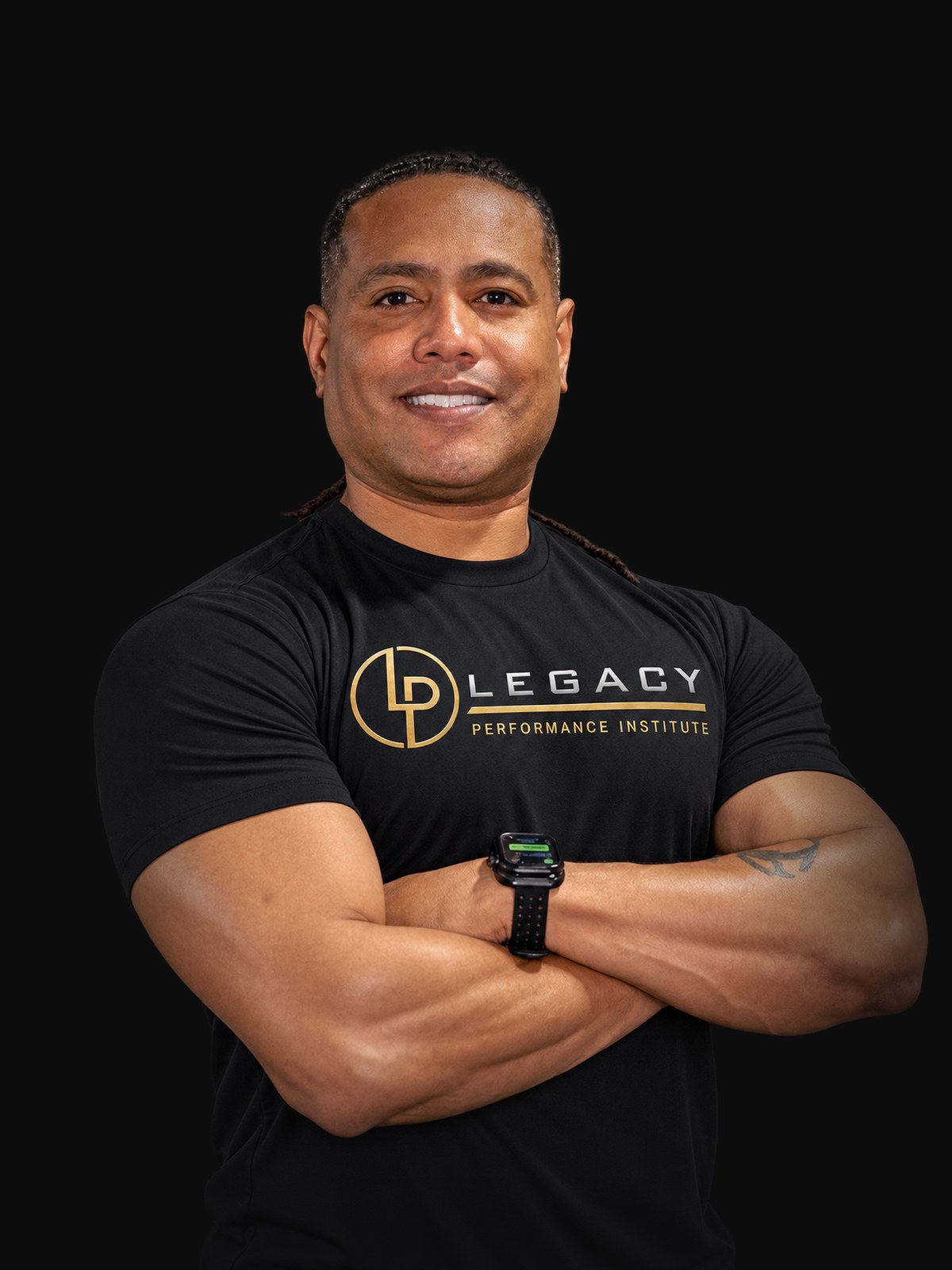
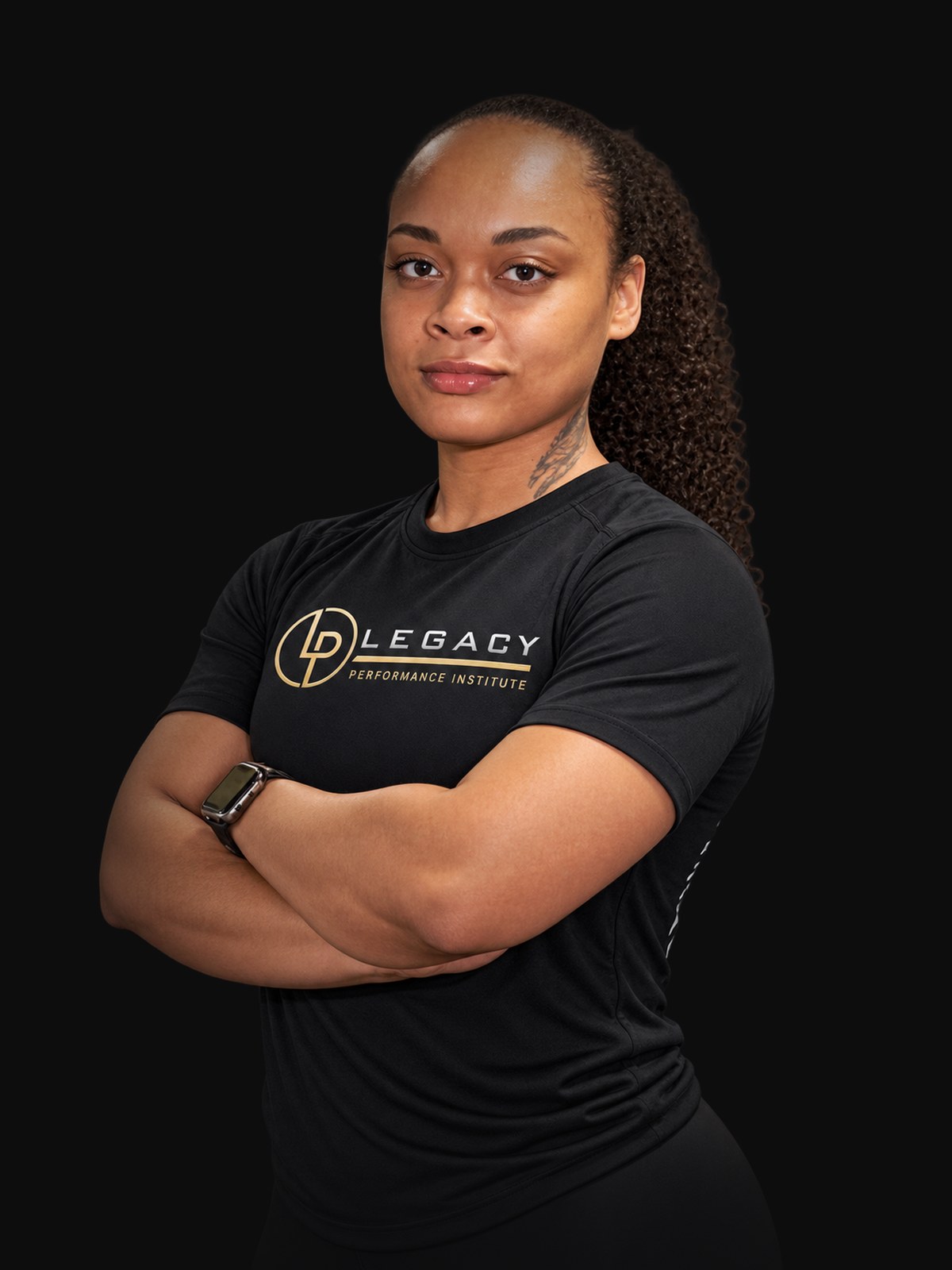
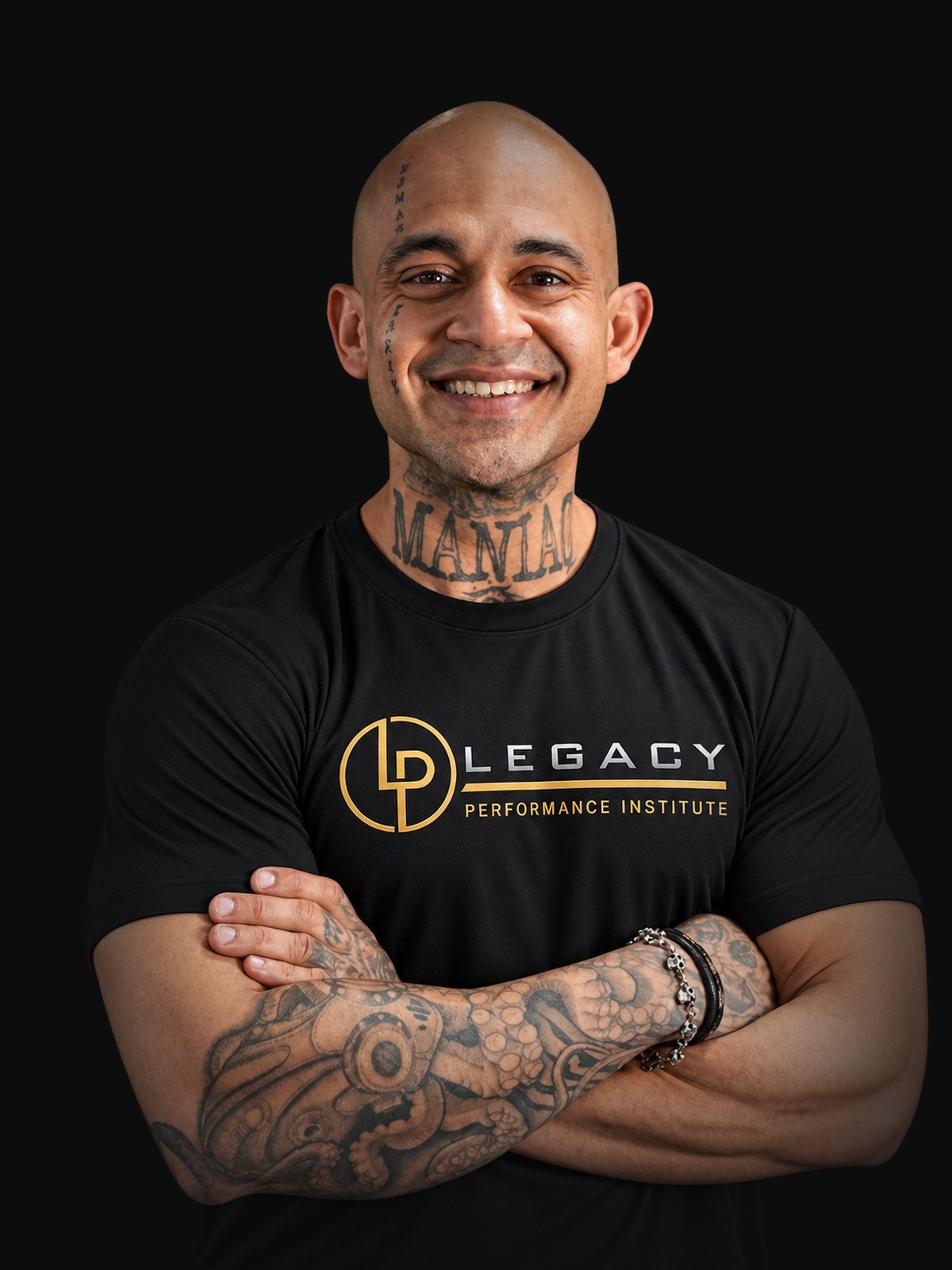
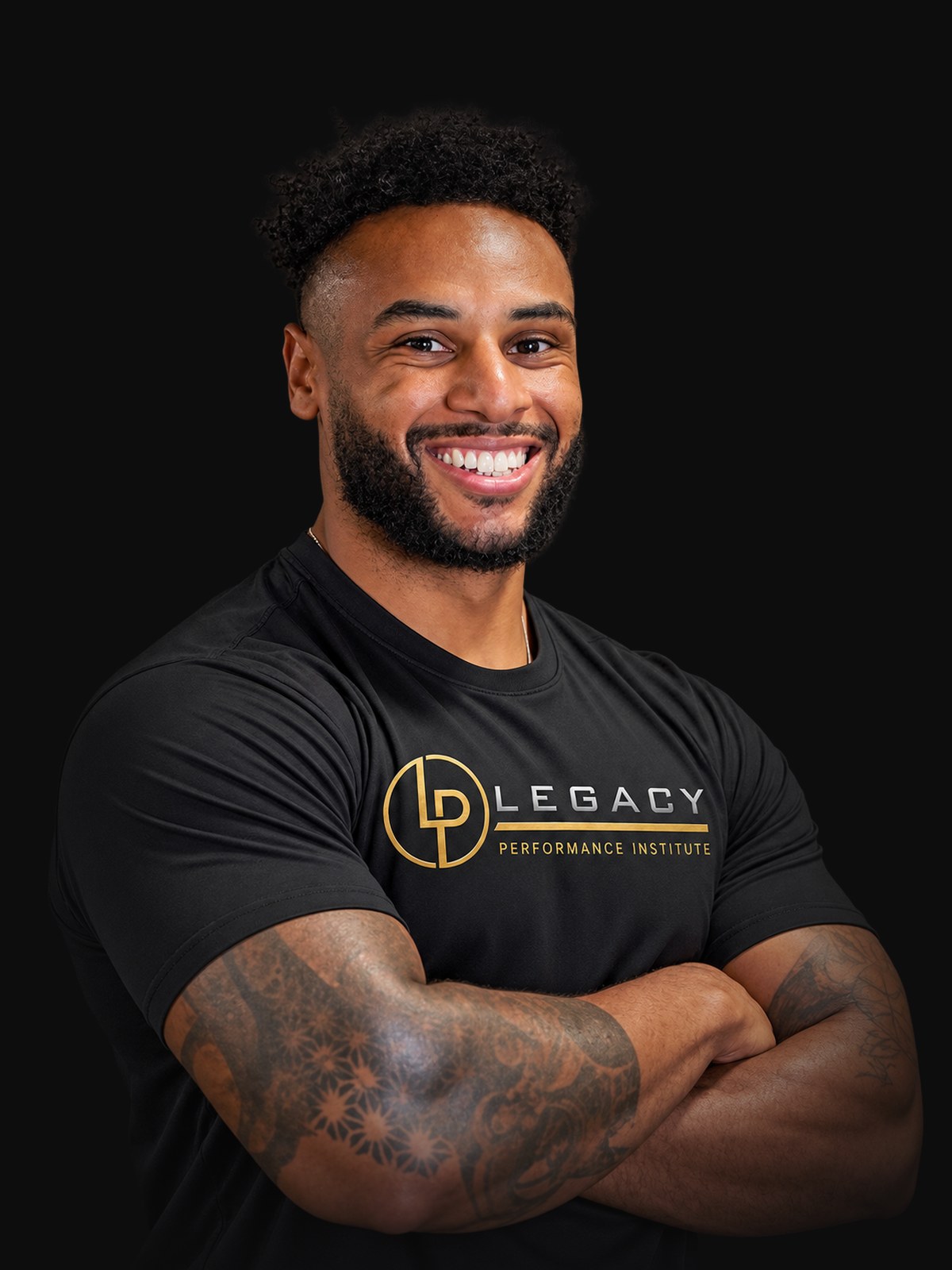
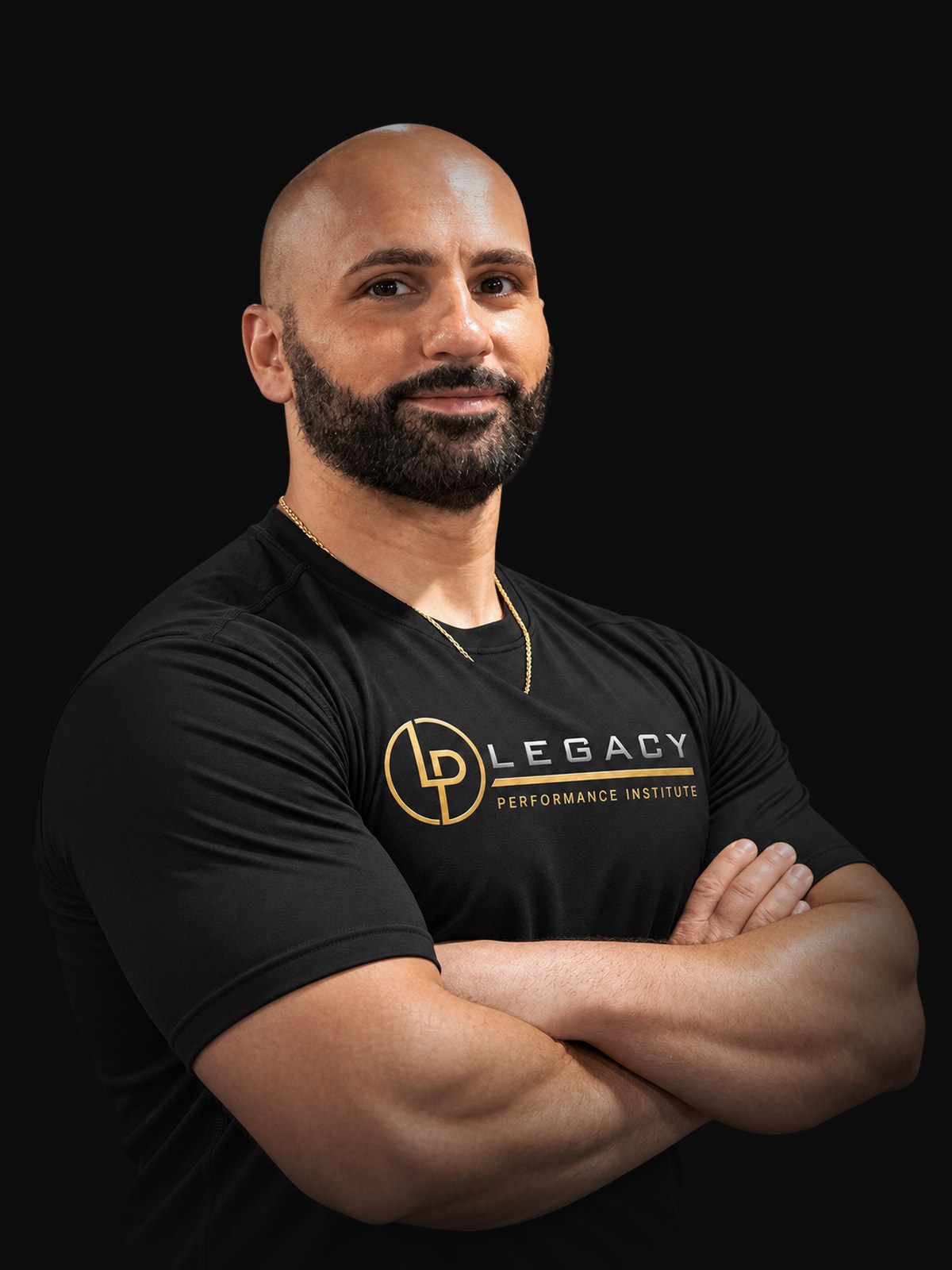
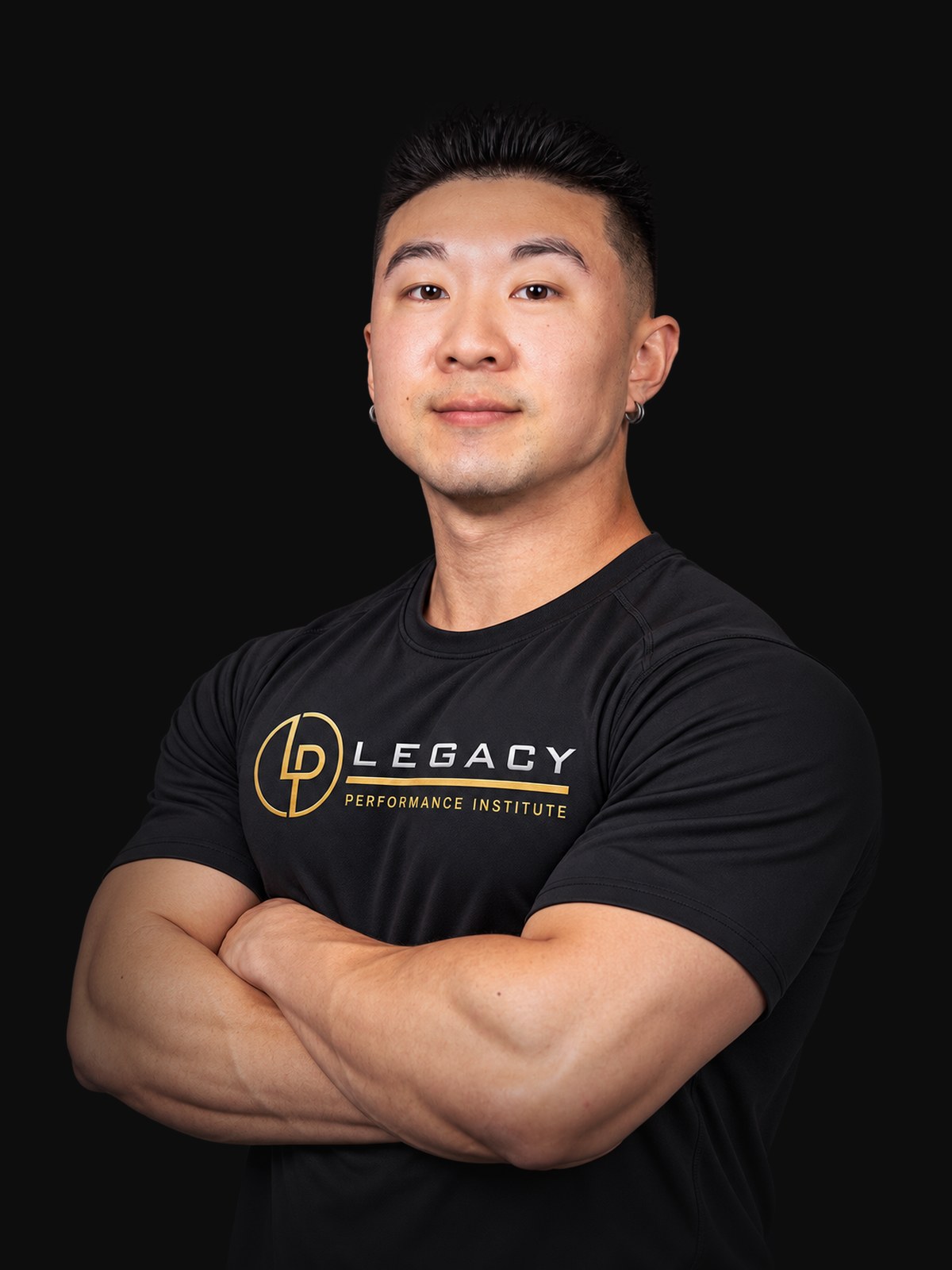
Sessions usually center on one or two of the main lifts. After a warm-up and ramp-up sets, you work up to planned top sets, often prescribed by percentage of a recent max or by effort rating, then do back-off sets at a lighter load to practice technique under fatigue. Accessory work follows: rows, split squats, hamstring and upper-back work that supports the big three.
The coach's main job is technique and load management. Small changes in bar path, bracing, foot position or grip can matter more than an extra set, and a coach watching from the side catches what a mirror cannot.
Competitive lifting follows federation rules on squat depth, a paused bench press and commands from judges, and those rules vary between federations. A coach preparing you for a meet will rehearse those standards, plan a peak and help choose attempts. If you do not plan to compete, you get the same structure without the peaking phase and with more freedom in exercise variations.
It suits people who enjoy repetition, patience and gradual progress. Teens aged 13 to 18 can train at Legacy Del Mar in one-on-one sessions only, which suits careful technique work. Anyone with uncontrolled blood pressure, a recent back or shoulder injury, or other health concerns should get physician clearance first; heavy bracing raises pressure in the chest and abdomen.
If you have never trained, a few weeks of general strength work and movement practice is a sensible lead-in before heavy singles.
The obvious measure is the total of your best squat, bench and deadlift. Coaches also track estimated maxes from submaximal sets, bar speed and consistency of technique, because true max testing is only done occasionally. Early-morning lifters can train from 5:00 AM at the Carmel Valley location, which makes a consistent schedule easier to keep.
Strength and performance training uses progressive overload on the major lifts and athletic movements to build force, power and resilience. It serves anyone who wants to be stronger, from a first barbell squat to a competitive athlete preparing for a season.
Lifts are taught and reviewed first, because a clean pattern makes heavier weight safer and more productive.
Weights, sets and reps are laid out across weeks, with built-in lighter weeks, so strength climbs without constant plateaus or burnout.
For athletes, the program is matched to the demands and calendar of the sport: strength in the off-season, power and maintenance as competition nears.
Every session is logged, so you can see what you lifted last month and what the next target is.
A client came in last spring after four holes at Torrey Pines left him unable to tie his shoes the next morning.
A client — a surgical device sales director who trains with us at 6 a.m. before back-to-back calls — hit a wall in July. Her squat had been climbing steadily for ten weeks, then flattened.
A client walks in after a nine-hour day of back-to-back meetings, phone still buzzing in her bag, and tells us she can’t focus enough to train.
No. Many people train the three lifts simply to get stronger. Tell the coach at your introduction whether you are curious about a meet so they can plan accordingly.
Usually only at the end of a training block or before a meet. Most of the time progress is tracked with submaximal sets, which lets you train hard without the fatigue and risk of frequent max attempts.
When loads are progressed sensibly and technique is coached, many people lift for years without trouble. If you have a history of back pain or injury, get clearance from your physician or physical therapist first and share it with your coach, who does not diagnose or treat injuries.
Andy Mog, Anna Zittel, Anthony Dain, Aqilah, Austin Camacho, Bree Norton, Caden Sears, Charlie Torres, Chris Koo, Coach Kos, Dacey Perez, Eli Harned, Emma Warren, Fate Villa, Jalen Russell, Joel Maddock, Jonathan Fong, Kevin Lee, Mark Kern, Martin Jones, Maya Smith, Mo Ghori, Nima Naraghi, Randy Etheridge, Wiam Yaldo, William Cui. Each one lists power lifting on their own Legacy profile. Open any profile to read their background and request a free introduction.
At Legacy Performance Institute Del Mar, 12264 El Camino Real, Suite 60, San Diego, CA 92130. Hours: 5:00 AM – 10:00 PM, seven days · 24/7 for VIP Access members.
Coaching is priced by each coach, typically per session or as a package, and quoted after your free introduction. No membership is required to train with a coach. Coaching is booked directly with the coach you choose.
No. Your coach starts with an assessment and builds the program to your level. Your first consultation and introductory session with a Legacy coach is free, with no obligation.
Yes, when it is coached. A good coach starts with a movement assessment, teaches the patterns with light loads, and progresses only when your technique is solid. Tell your coach about any injuries or medical conditions at your introduction.
This is general fitness information, not medical advice. Check with your physician before starting a new exercise or nutrition program, especially if you have a medical condition, an injury, or are pregnant.
Your first consultation and introductory session with a Legacy coach is free, with no obligation. Tell us about your goals and we will match you with the right coach.