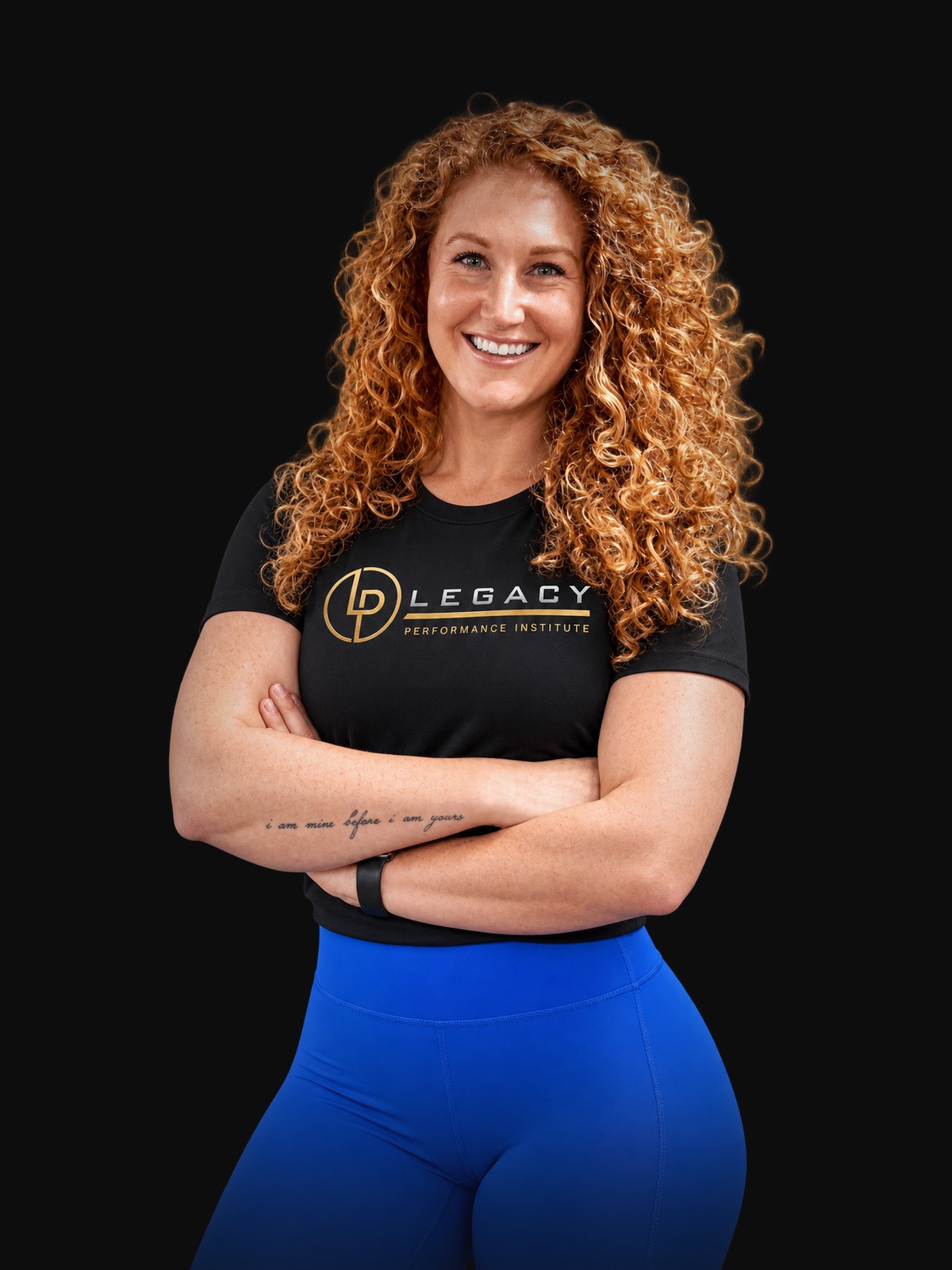
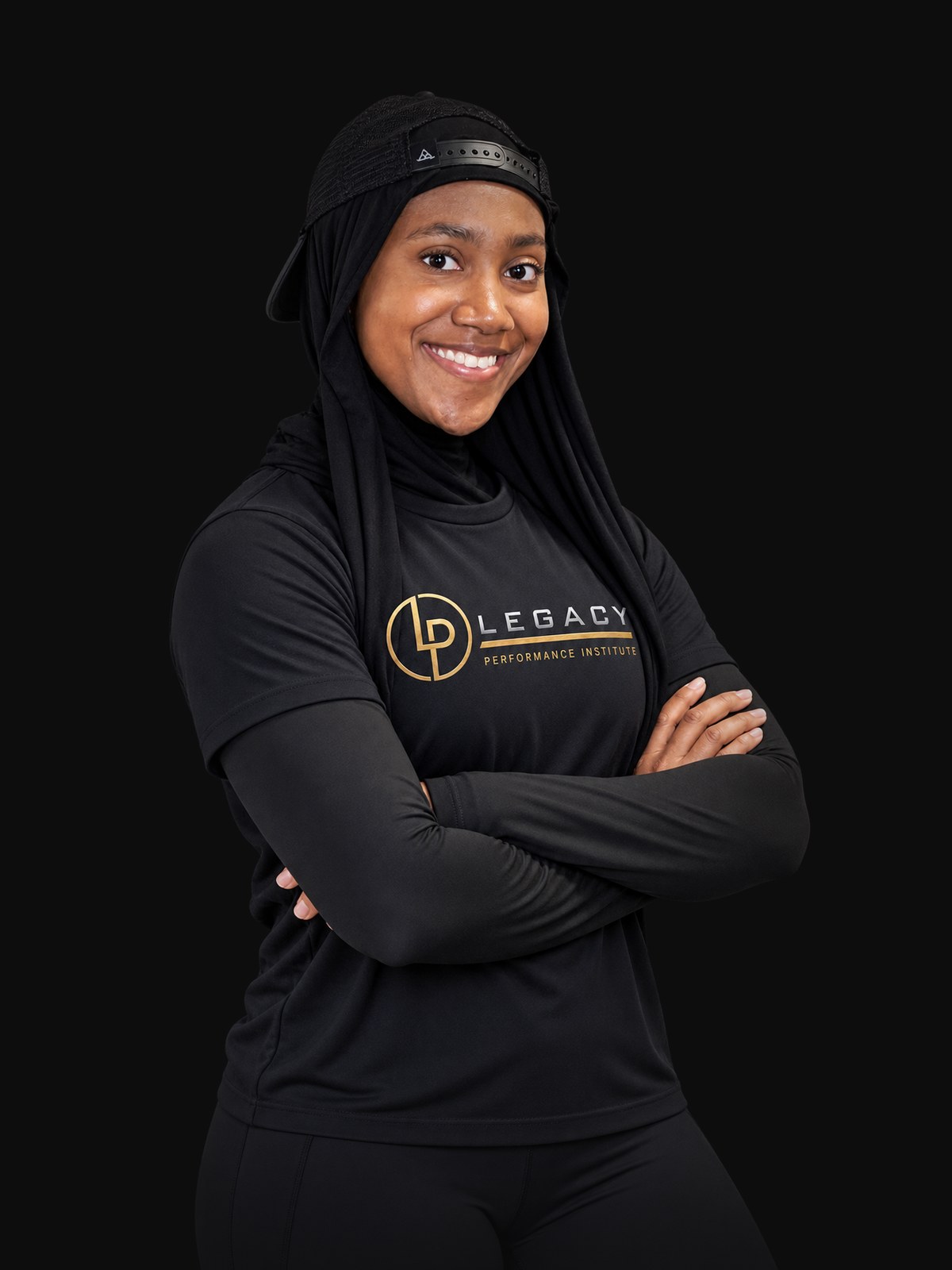
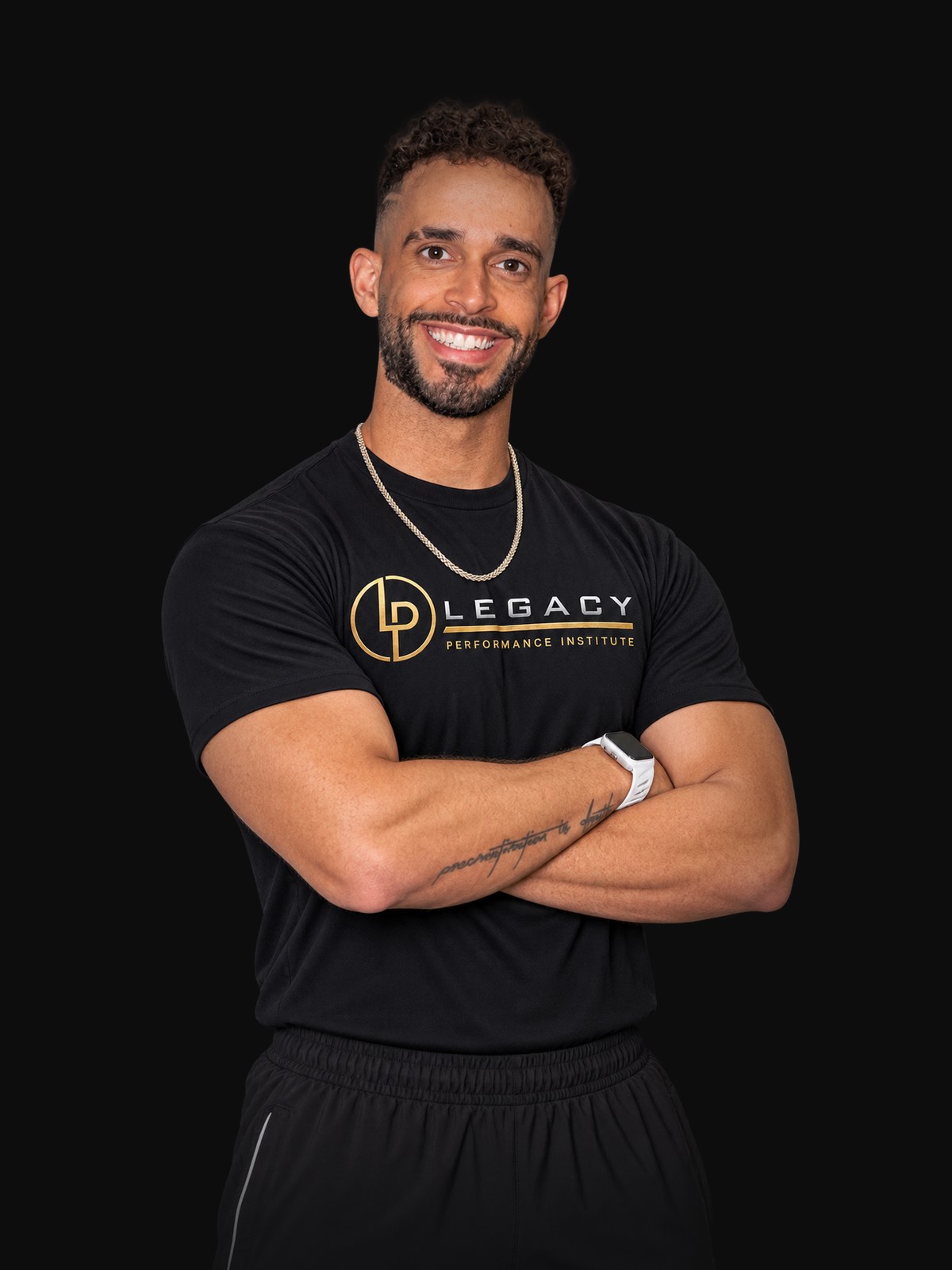
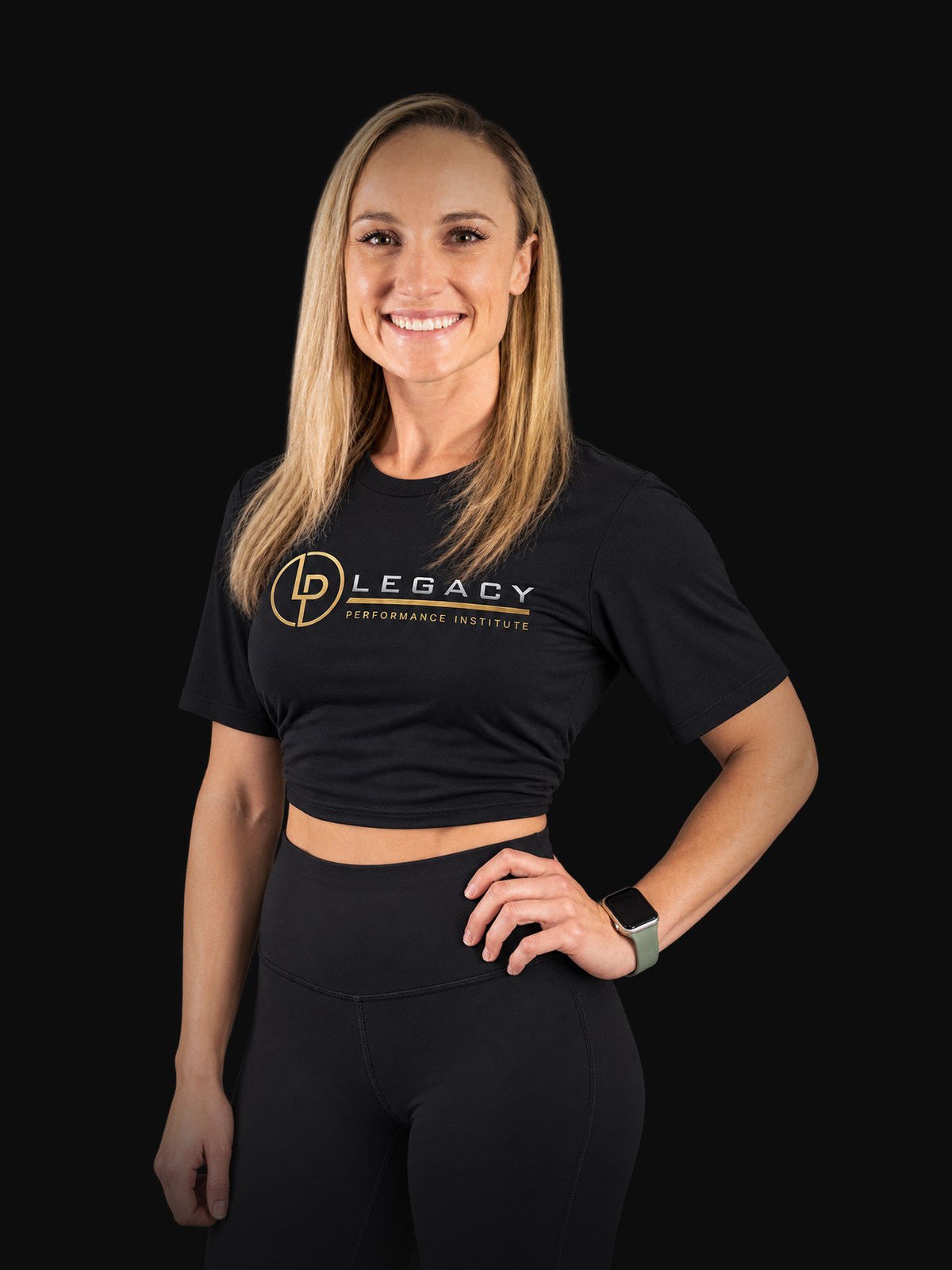
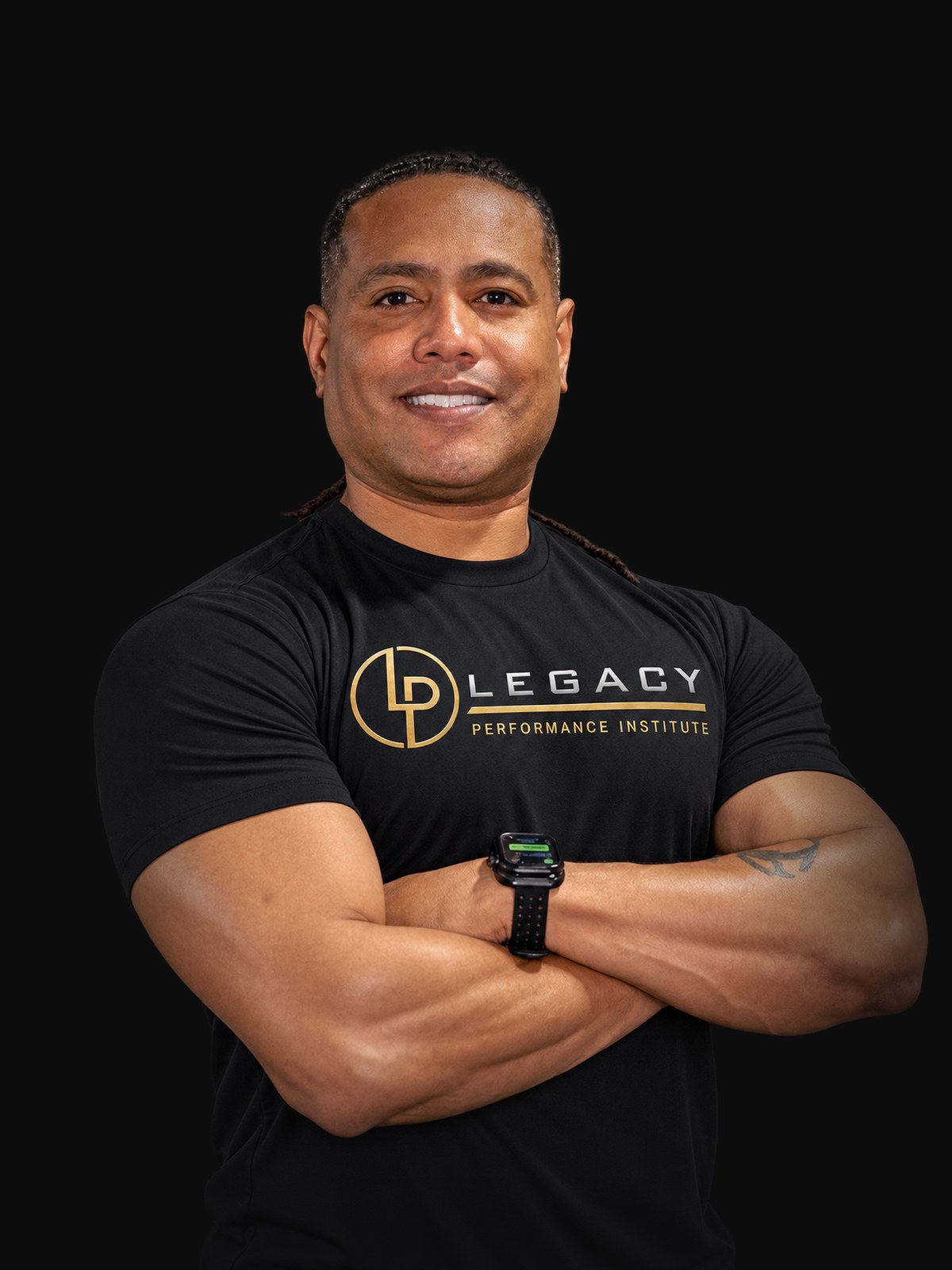
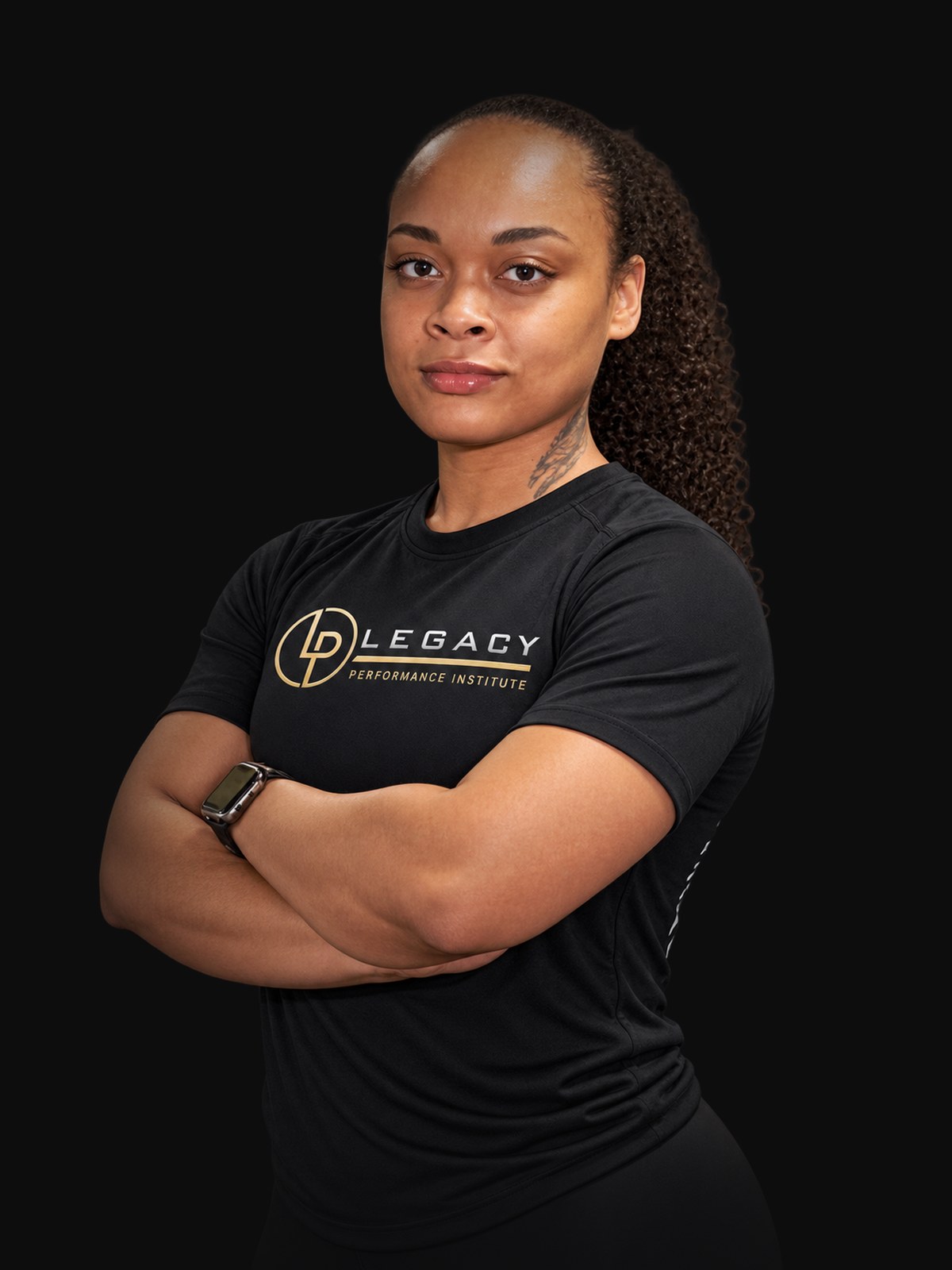
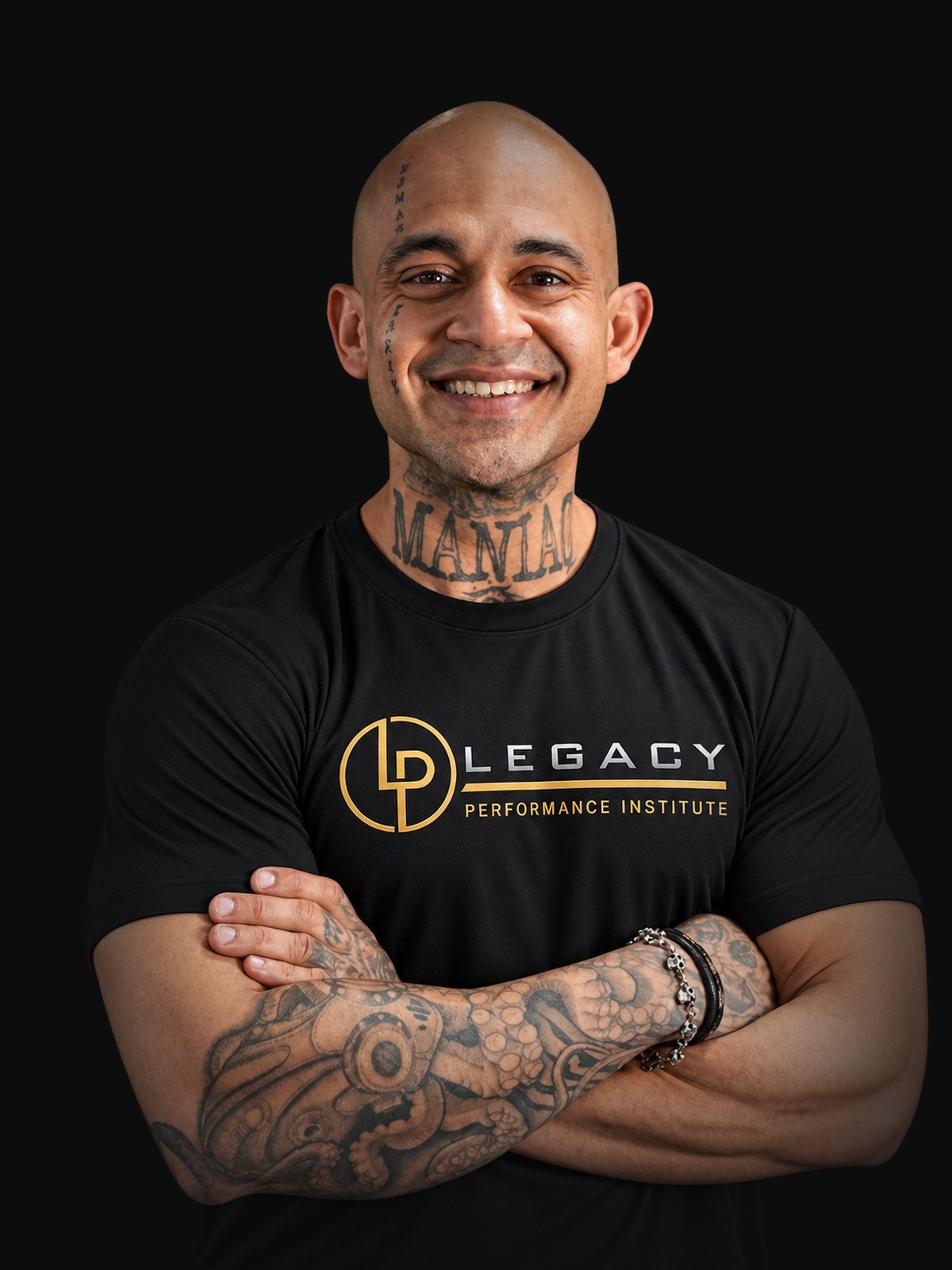
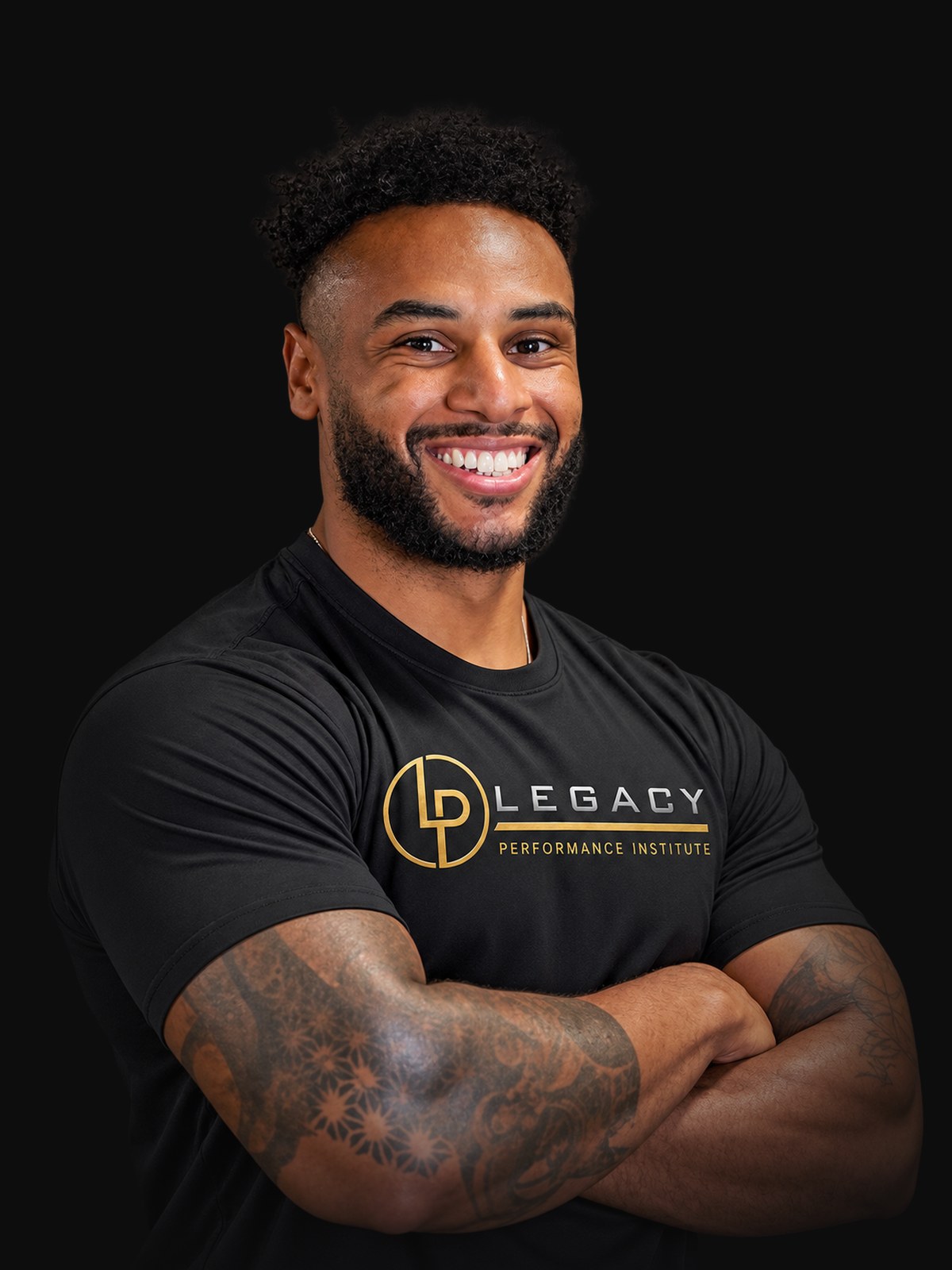
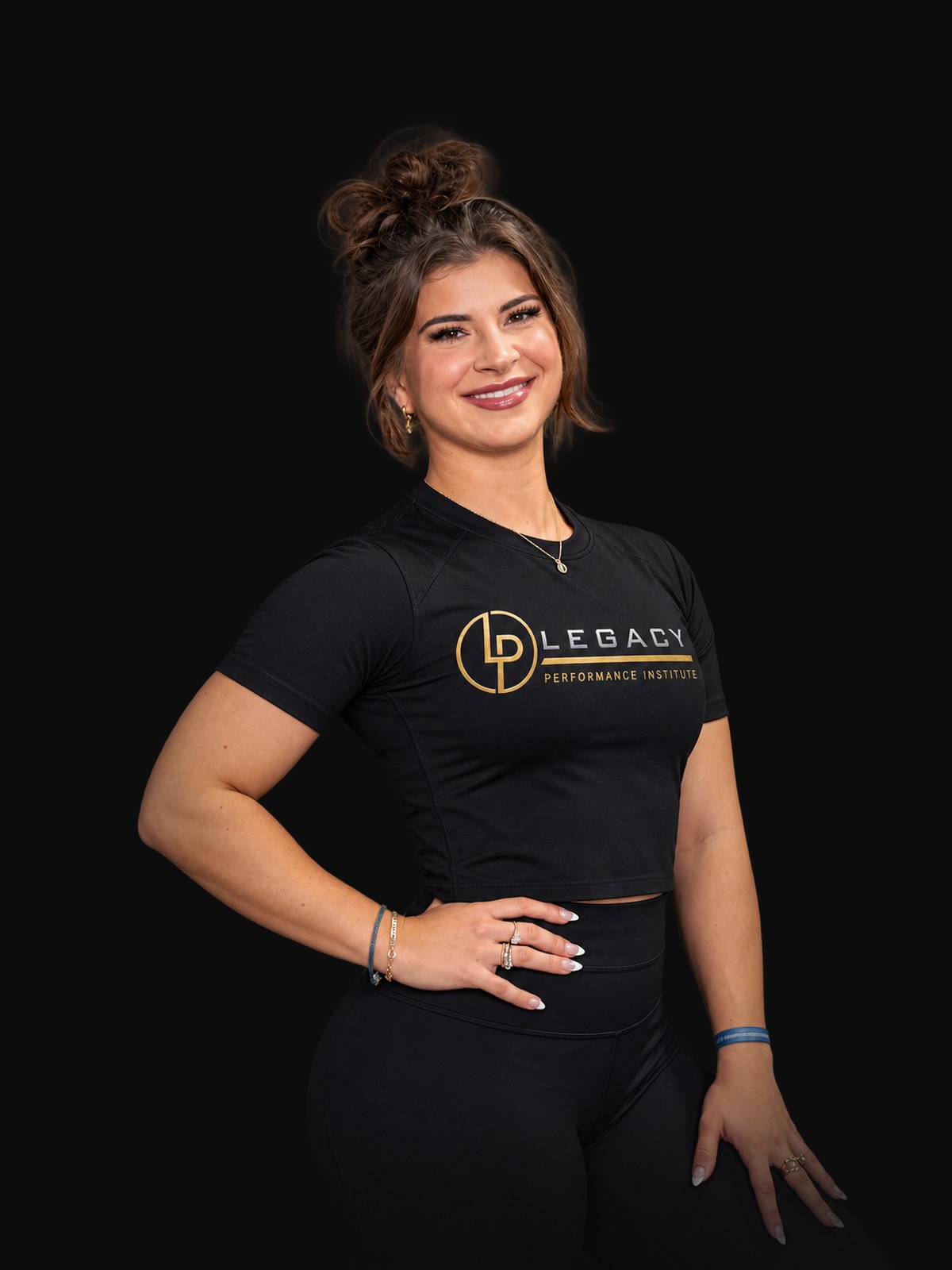
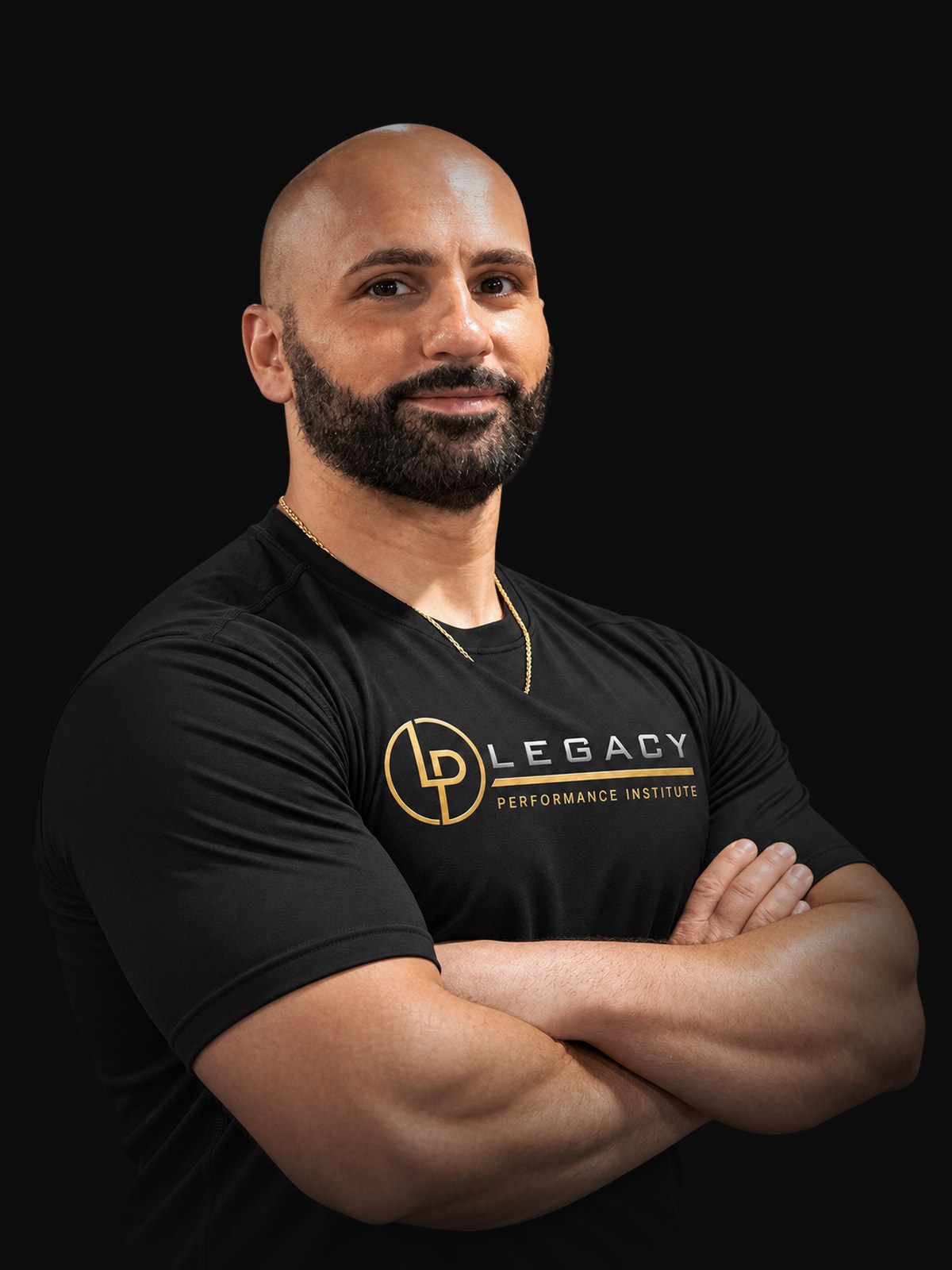
Group training, in the sense used here, means a coach working with a small, fixed set of people, often two to six friends, coworkers or neighbors who sign up together and follow one shared program. In Carmel Valley and Del Mar it is a common way for a running club, a set of parents from the same school, or a small office team to train with a coach and split the commitment. 31 coaches at Legacy Del Mar list this.
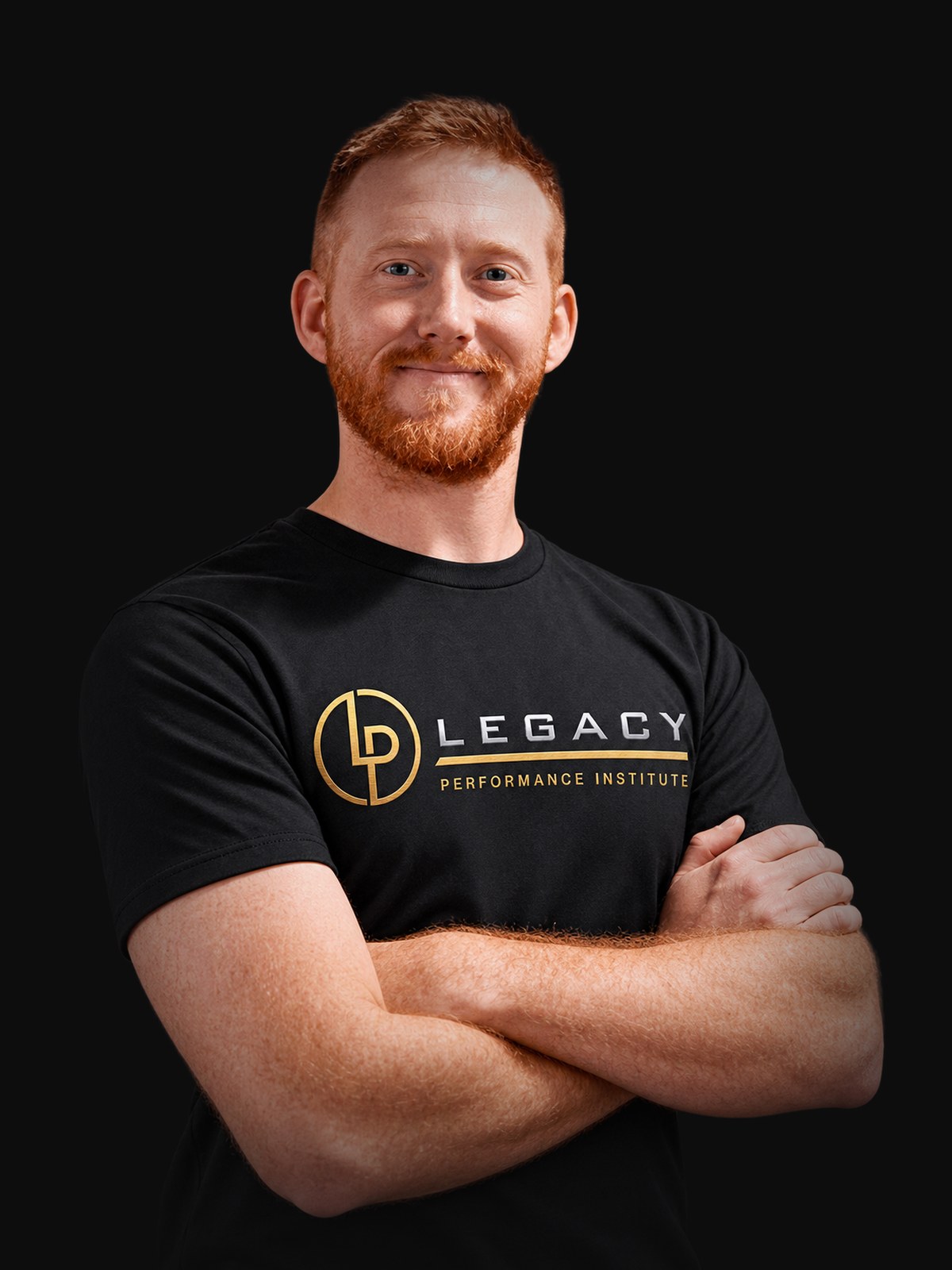
Every coach here names this specialty on their own profile. Open one to read their story, then request a free introduction.


The key difference is continuity. The same few people show up each week, so the coach learns each person's numbers, injuries and habits, and the program can build from session to session the way a private plan would. Drop-in classes, by contrast, have to work for whoever walks in that day.
A small group also changes the coaching. There is enough attention for a coach to correct each person's squat, yet the group setting adds friendly competition and makes skipping harder, since your training partners notice.
Groups tend to work best when members share a broad goal, such as general strength, preparing for a summer hiking trip or building conditioning for a recreational league, even if their starting levels differ. Agree on a regular time and on how the group handles missed sessions before you begin. Legacy Del Mar is open 5:00 AM to 10:00 PM daily, which gives a group room to find a slot before work or after school pickup, subject to the coach's availability.
Ask each coach what group size they prefer and what formats they run. Some cap groups at three or four so they can watch each lifter closely.
It suits people motivated by others, those who want coaching at a shared cost, and friends who already train together informally. Someone with a specific rehab need, a competition date or a medical condition may need individual sessions as well, and should have physician clearance before starting.
It can also be a stepping stone. People who start privately sometimes bring a spouse or friend in later, and a pair who began together may split into individual sessions once their goals drift apart. Ask the coach how flexible they are about changing the arrangement.
Each member should still have personal markers: a few strength numbers, a conditioning test, and how they feel day to day. Groups often like a shared benchmark, such as a workout retested every couple of months, which turns progress into something the whole group celebrates. A coach who keeps individual notes for each person is a good sign.
Personal training is one coach, one plan, built around you. It combines assessment, programming, coaching in the room and accountability, so the time you invest goes toward your own goals rather than a generic routine.
Your coach learns your goals, history, schedule and limitations, and screens how you move before writing anything down.
Exercises, loads and session structure are chosen for your body and goal, and they change as you improve.
Your coach teaches technique, adjusts loads in real time and keeps sessions productive, which is the part an app or a video cannot do.
Strength, measurements, consistency and how you feel are tracked so you can see the direction, not just guess at it.
No, but similar goals help. Coaches scale each exercise so a beginner and an experienced lifter can train side by side.
Ask the coach about this up front. Some let the group continue at a smaller size, others help find a replacement.
Group training here means a small, fixed set of people following one ongoing program. Group fitness usually refers to class-style workouts with a larger, changing roster.
Andy Mog, Anna Zittel, Anthony Dain, Aqilah, Austin Camacho, Bree Norton, Caden Sears, Cassie Wood, Catia Assis, Charlie Torres, Chris Koo, Coach Kos, Dacey Perez, Eli Harned, Emely Gonzalez, Emma Warren, Fate Villa, Jaclyn Nguyen, Jalen Russell, Joel Maddock, Jonathan Fong, Kevin Lee, Landon Bergenthal, Mark Kern, Martin Jones, Maya Smith, Mo Ghori, Nima Naraghi, Randy Etheridge, Sofia Beyer, Wiam Yaldo. Each one lists group on their own Legacy profile. Open any profile to read their background and request a free introduction.
At Legacy Performance Institute Del Mar, 12264 El Camino Real, Suite 60, San Diego, CA 92130. Hours: 5:00 AM – 10:00 PM, seven days · 24/7 for VIP Access members.
Coaching is priced by each coach, typically per session or as a package, and quoted after your free introduction. No membership is required to train with a coach. Coaching is booked directly with the coach you choose.
No. Your coach starts with an assessment and builds the program to your level. Your first consultation and introductory session with a Legacy coach is free, with no obligation.
It depends on your goal, schedule and budget. Many clients work with their coach one to three times a week and train on their own in between. Your coach recommends a frequency after your free introduction.
This is general fitness information, not medical advice. Check with your physician before starting a new exercise or nutrition program, especially if you have a medical condition, an injury, or are pregnant.
Your first consultation and introductory session with a Legacy coach is free, with no obligation. Tell us about your goals and we will match you with the right coach.