Staying Motivated After Reaching Fitness Goals: A 5-Phase Plan for Avoiding Plateaus and Maintaining Progress
A client of ours spent eleven months losing 32 pounds and pulling her deadlift from 95 to 205 pounds.
Group fitness is class-style exercise: a coach leads a room through a planned workout, the music is up, and everyone moves through the same blocks together. People in Del Mar, Solana Beach and La Jolla look for it when they want energy and a set time on the calendar more than a custom program. 31 coaches at Legacy Del Mar list this; ask each one what class formats, if any, they currently lead.
Every coach here names this specialty on their own profile. Open one to read their story, then request a free introduction.







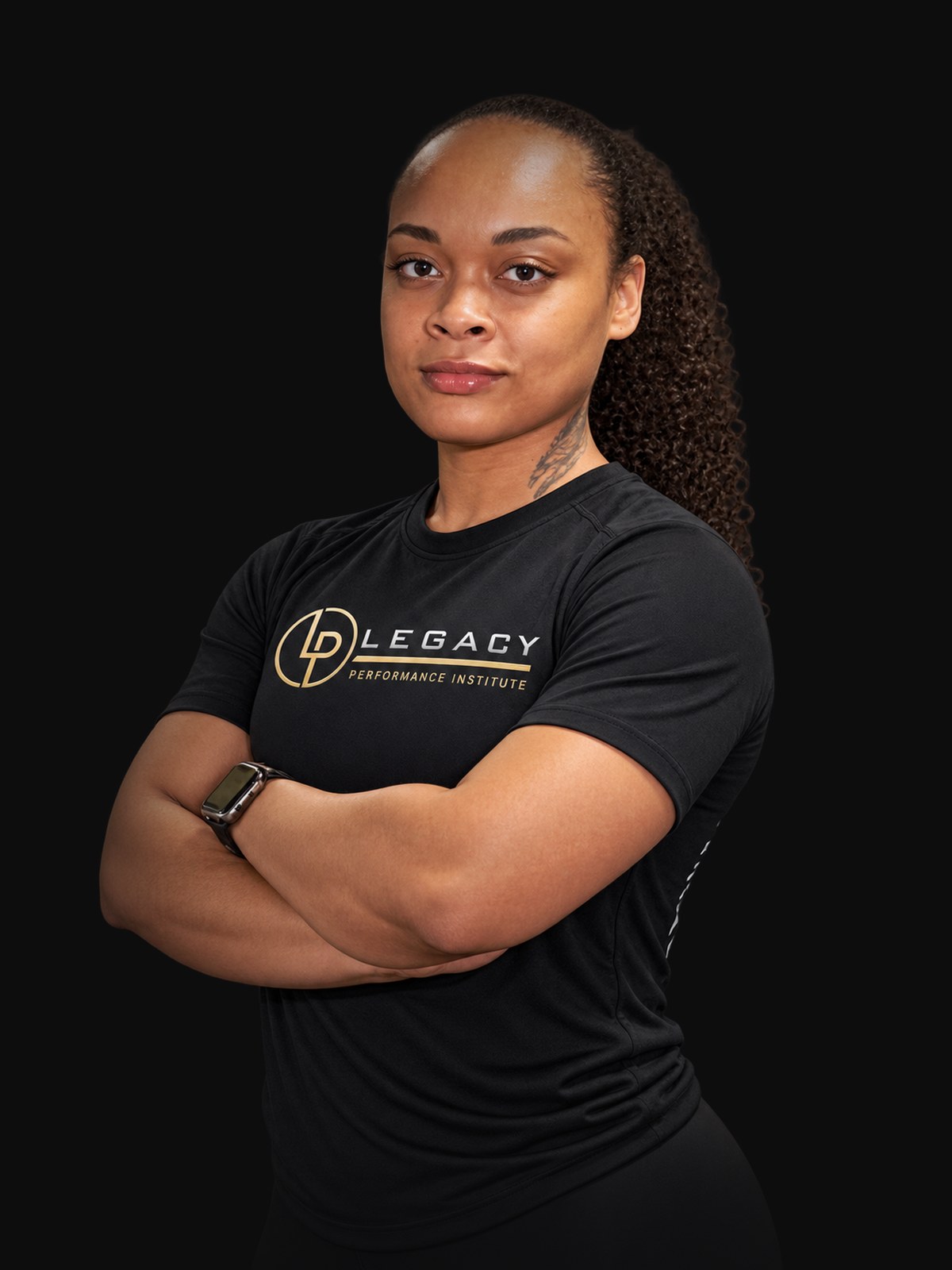
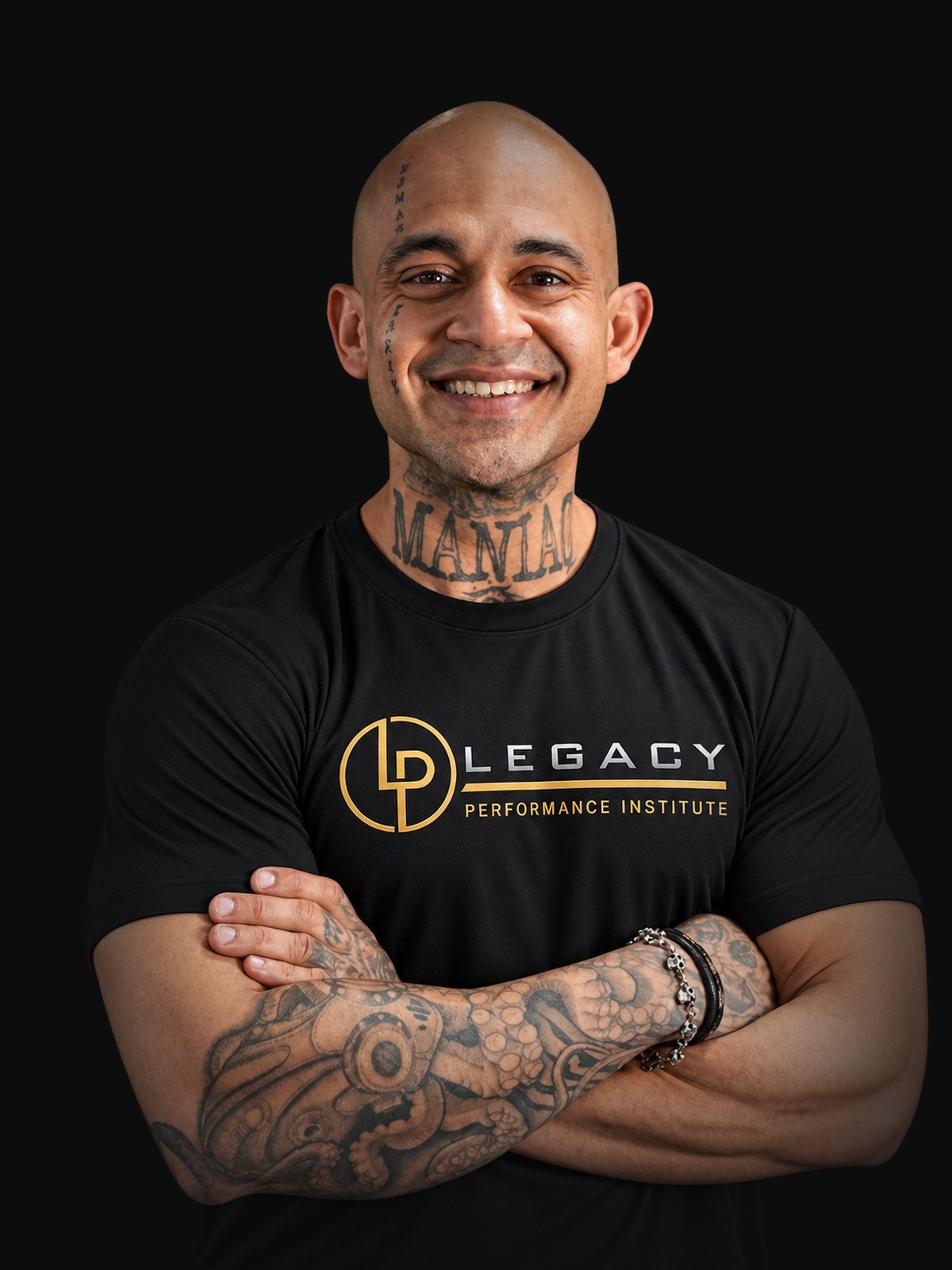
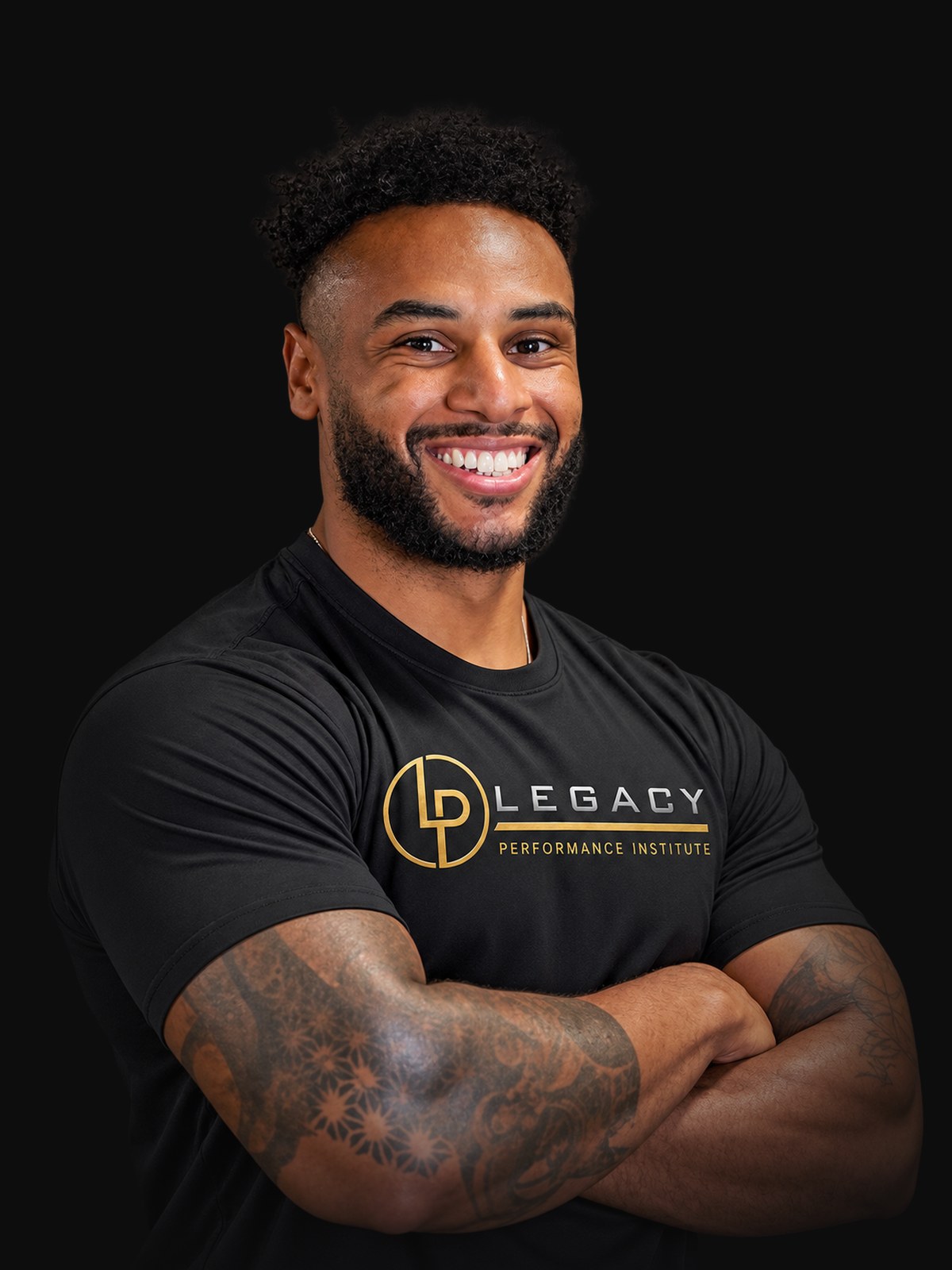
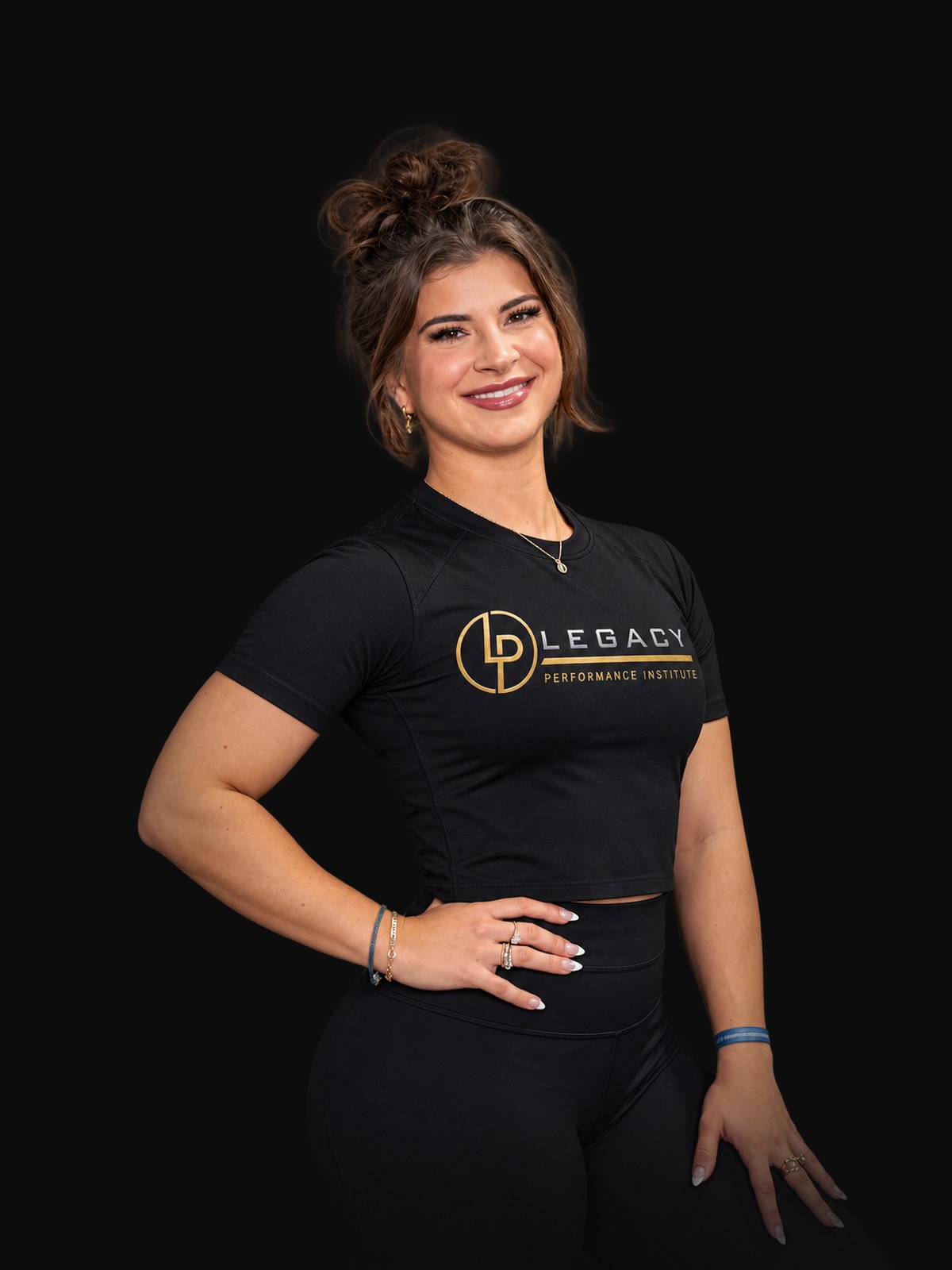
Most classes follow a predictable arc: a warm-up, one or two main blocks such as strength supersets, intervals or a circuit, and a short cool-down. Formats vary widely, from boot camp and kettlebell classes to mobility-focused or core-focused sessions. The coach demonstrates, gives cues to the whole room and moves around offering individual corrections where they can.
The shared pace is the point. Many people work harder alongside others than they would alone, and the group's rhythm keeps rest periods honest.
Because the workout is the same for everyone, scaling is your job as much as the coach's. Arrive a few minutes early and tell the coach about any injury or limitation. Choose loads you can control for every rep, not the ones your neighbor picks. Take the low-impact option when your knees or back ask for it.
Pregnant or postpartum participants, and anyone with a heart, joint or balance condition, should get physician clearance and let the coach know before class starts.
Classes suit social exercisers, people who struggle to plan workouts, and those on a budget. They are less suited to precise goals such as a strength total, a rehab progression or building muscle in a particular area. Some people take classes for conditioning and add occasional private sessions to tune technique on the lifts used in class. When you speak with a coach, ask how many people a typical session holds and how they handle someone who needs a modified version of most exercises.
Classes rotate, so progress is easier to see when you pick a few repeatable markers: the weight you use for a common lift, how many rounds you finish in a recurring circuit, or a simple test like a timed mile on the coastal path. Attendance itself is a useful number; showing up three times a week for three months tends to change more than any single workout. Ask the coach whether they repeat benchmark workouts so you have something to compare against.
Personal training is one coach, one plan, built around you. It combines assessment, programming, coaching in the room and accountability, so the time you invest goes toward your own goals rather than a generic routine.
Your coach learns your goals, history, schedule and limitations, and screens how you move before writing anything down.
Exercises, loads and session structure are chosen for your body and goal, and they change as you improve.
Your coach teaches technique, adjusts loads in real time and keeps sessions productive, which is the part an app or a video cannot do.
Strength, measurements, consistency and how you feel are tracked so you can see the direction, not just guess at it.
A client of ours spent eleven months losing 32 pounds and pulling her deadlift from 95 to 205 pounds.
A client of ours — a partner at a La Jolla law firm, three kids, a 5:45 a.m. flight to LA most Tuesdays — told us he’d stopped trying to find an hour for the gym.
A 42-year-old client of ours — a director at a biotech firm in Torrey Pines — came to us after 14 straight weeks of training five days a week without a single easy week.
No. A good class has scaled options for each exercise. Tell the coach you are new so they can point you to the right version.
Group fitness usually means class-style workouts with a changing roster. Group training often means a small, fixed set of people following one ongoing program with the same coach.
Two to four sessions a week is common. Leave recovery time between hard sessions, especially when starting out.
Andy Mog, Anna Zittel, Anthony Dain, Aqilah, Austin Camacho, Bree Norton, Caden Sears, Cassie Wood, Catia Assis, Charlie Torres, Chris Koo, Coach Kos, Dacey Perez, Eli Harned, Emely Gonzalez, Emma Warren, Fate Villa, Jaclyn Nguyen, Jalen Russell, Joel Maddock, Jonathan Fong, Kevin Lee, Landon Bergenthal, Mark Kern, Martin Jones, Maya Smith, Mo Ghori, Nima Naraghi, Randy Etheridge, Sofia Beyer, Wiam Yaldo. Each one lists group fitness on their own Legacy profile. Open any profile to read their background and request a free introduction.
At Legacy Performance Institute Del Mar, 12264 El Camino Real, Suite 60, San Diego, CA 92130. Hours: 5:00 AM – 10:00 PM, seven days · 24/7 for VIP Access members.
Coaching is priced by each coach, typically per session or as a package, and quoted after your free introduction. No membership is required to train with a coach. Coaching is booked directly with the coach you choose.
No. Your coach starts with an assessment and builds the program to your level. Your first consultation and introductory session with a Legacy coach is free, with no obligation.
It depends on your goal, schedule and budget. Many clients work with their coach one to three times a week and train on their own in between. Your coach recommends a frequency after your free introduction.
This is general fitness information, not medical advice. Check with your physician before starting a new exercise or nutrition program, especially if you have a medical condition, an injury, or are pregnant.
Your first consultation and introductory session with a Legacy coach is free, with no obligation. Tell us about your goals and we will match you with the right coach.