Staying Motivated After Reaching Fitness Goals: A 5-Phase Plan for Avoiding Plateaus and Maintaining Progress
A client of ours spent eleven months losing 32 pounds and pulling her deadlift from 95 to 205 pounds.
Senior fitness is training designed around the goals and realities of older adults: keeping strength, balance and mobility so everyday life stays easy and independent. Thirty-two coaches at Legacy Del Mar list it. People in Del Mar, Rancho Santa Fe, Carmel Valley and La Jolla look for it to stay active for golf, travel, gardening and grandchildren, or to rebuild after a period of inactivity.
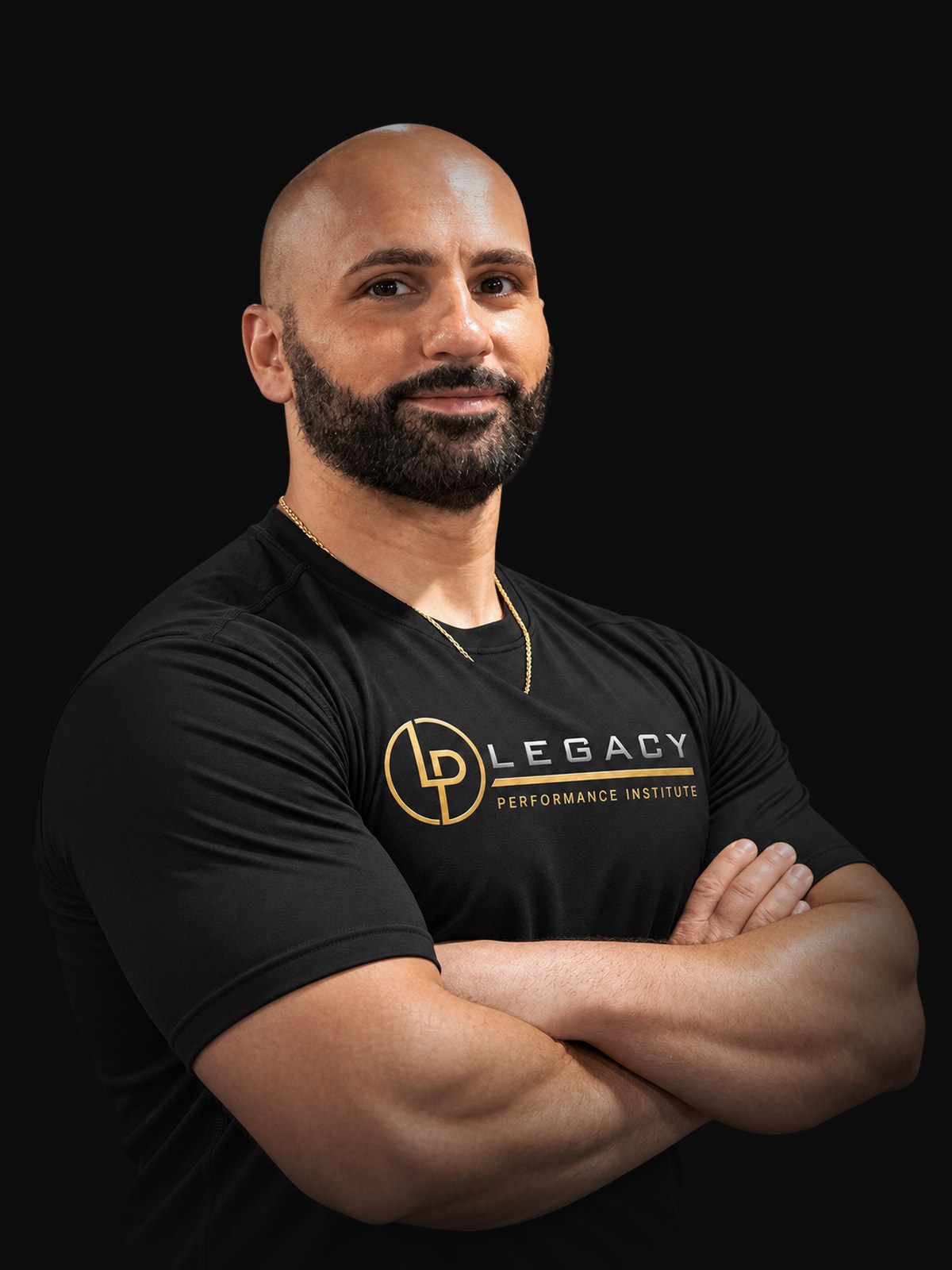
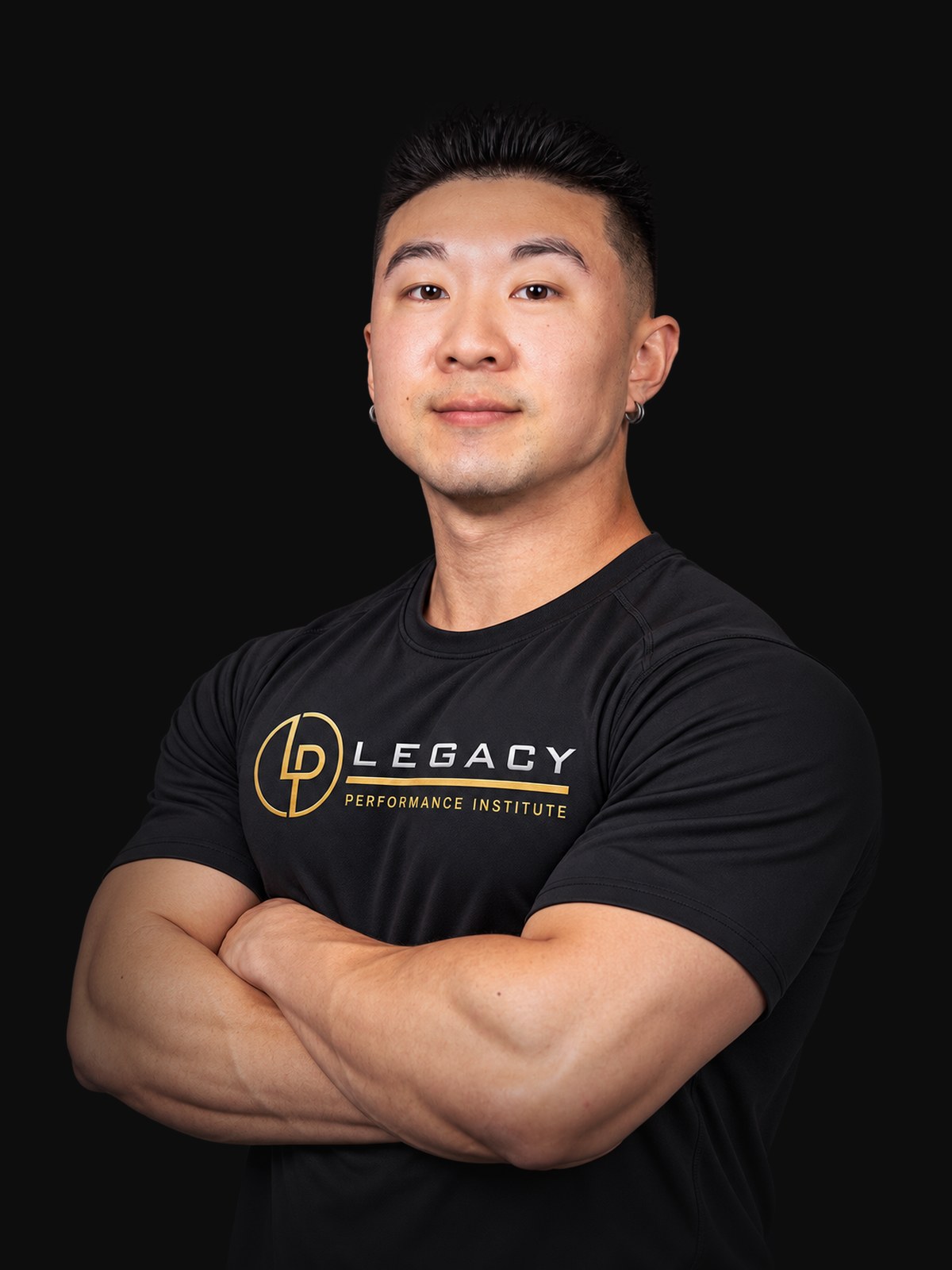
Every coach here names this specialty on their own profile. Open one to read their story, then request a free introduction.



Before beginning a new program, check with your physician, especially if you have heart or lung conditions, high blood pressure, diabetes, osteoporosis, joint replacements, balance problems or take medications that affect heart rate or blood pressure. Bring any guidance or restrictions to your coach.
Coaches who list senior fitness adapt exercise; they do not diagnose or treat medical conditions, and they should refer you to a clinician if something new or concerning comes up.
Expect a thorough warm-up, then strength work for the legs, hips, back and grip, often using dumbbells, cables, bands and bodyweight. Balance practice is usually woven in: standing on one leg near support, stepping in different directions, carrying a weight while walking. Many coaches also practice getting down to and up from the floor, a skill that matters a great deal if a fall ever happens.
Research broadly suggests that strength and balance training may help older adults maintain muscle, function and confidence, and may reduce fall risk. The work is adjusted to how you feel on the day.
Sessions also tend to include practical rehearsal of daily tasks: lifting a suitcase into an overhead bin, carrying groceries up steps, getting in and out of a low car seat. Training those patterns directly can make the payoff obvious in everyday life.
Progress is best tracked with practical tests: how many times you can stand from a chair in thirty seconds, how long you can balance, walking speed, the weight you can carry, how stairs or a hilly walk feel. These are more meaningful than any number on a scale.
Look for patience, clear explanations and a willingness to go slowly at first. Ask how they progress someone with your history, how they handle a bad day, and how they communicate with your physician if needed. The Carmel Valley location is a private facility with no crowded floor, and quieter mid-morning or early-afternoon sessions can make training feel more comfortable.
Active aging training keeps strength, balance, mobility and independence high as the years go on. It uses progressive resistance work, balance practice and joint-friendly conditioning, because muscle and movement skill respond to training at every age.
Your coach asks about medical history, medications and limitations, and works within any guidance from your physician.
Sit-to-stand, carrying, pushing, pulling and getting up from the floor are trained directly, because they decide how independent you stay.
Short, specific work on balance, hips, ankles and spine keeps movement confident and reduces fall risk over time.
Volume and intensity progress gradually, with more rest where it helps, so you finish feeling better rather than depleted.
A client of ours spent eleven months losing 32 pounds and pulling her deadlift from 95 to 205 pounds.
A client of ours — a partner at a La Jolla law firm, three kids, a 5:45 a.m. flight to LA most Tuesdays — told us he’d stopped trying to find an hour for the gym.
A 42-year-old client of ours — a director at a biotech firm in Torrey Pines — came to us after 14 straight weeks of training five days a week without a single easy week.
Many people begin in their seventies or later. With physician clearance and a sensible starting point, a coach can build gradually from wherever you are.
That is a question for your physician, who can advise which movements are appropriate. Share their guidance with your coach, who will plan around it but will not diagnose or treat the condition.
Book the free consultation and introductory session. There is no obligation and no membership required, so you can meet a coach and decide whether their pace suits you.
Andy Mog, Anna Zittel, Anthony Dain, Aqilah, Austin Camacho, Bree Norton, Brooke Heaton, Catia Assis, Chance Dyck, Charlie Torres, Chris Koo, Coach Kos, Dacey Perez, Eli Harned, Emely Gonzalez, Emiko Jaffe, Emma Warren, Fate Villa, Gordon Gebauer, Jalen Russell, Joel Maddock, Jonathan Fong, Kevin Lee, Landon Bergenthal, Mark Kern, Martin Jones, Maya Smith, Mo Ghori, Nima Naraghi, Randy Etheridge, Wiam Yaldo, William Cui. Each one lists senior fitness on their own Legacy profile. Open any profile to read their background and request a free introduction.
At Legacy Performance Institute Del Mar, 12264 El Camino Real, Suite 60, San Diego, CA 92130. Hours: 5:00 AM – 10:00 PM, seven days · 24/7 for VIP Access members.
Coaching is priced by each coach, typically per session or as a package, and quoted after your free introduction. No membership is required to train with a coach. Coaching is booked directly with the coach you choose.
No. Your coach starts with an assessment and builds the program to your level. Your first consultation and introductory session with a Legacy coach is free, with no obligation.
This is general fitness information, not medical advice. Check with your physician before starting a new exercise or nutrition program, especially if you have a medical condition, an injury, or are pregnant.
Your first consultation and introductory session with a Legacy coach is free, with no obligation. Tell us about your goals and we will match you with the right coach.